President Johnson makes an indirect offer of ‘economic and social cooperation’ to North Vietnam if peace can be restored. His offer is made in the context of a general statement about aiding Southeast Asian nations. Qualified sources said. Mr. Johnson was not thinking of direct aid to Hanoi but was opening the door to vast regional development plans in Asia from which Communist nations like North Vietnam would not be excluded. The sources said that the President believes that even if the war in South Vietnam is won and American troops come home, the United States would not want to abandon the area but would give it maximum help. It may be necessary, he believes, to develop a broader and more coherent aid plan for the area — a sort of Marshall Plan for Asia.
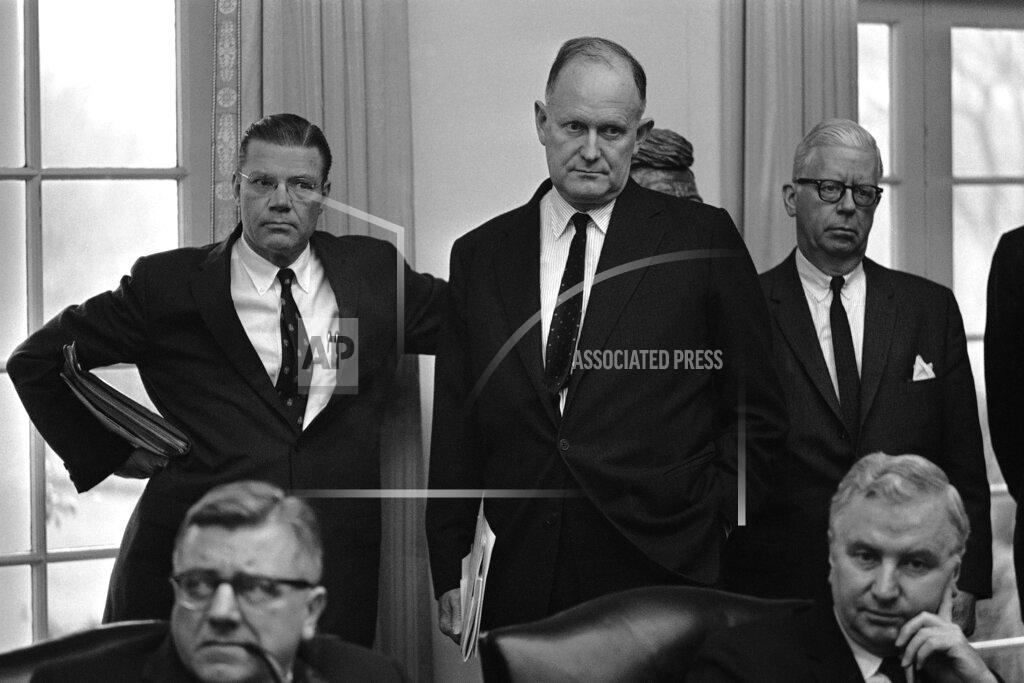
Mr. Johnson’s action did not represent any softening of American support for the war in South Vietnam. However, Administration sources said it was the “carrot” to go along with the stick of aerial bombardment of North Vietnam. A statement on Vietnam policy was read by the President at a two-hour Cabinet meeting and then was made public. The statement appeared to be intended in part to reassert that American policy was reasonable in view of the international furor over the use of nonlethal gases in the South Vietnamese guerrilla war.
Mr. Johnson’s statement said that “the United States looks forward to the day when the people and governments of all Southeast Asia may be free from terror, subversion and assassination when they will need no military support and assistance against aggression, but only economic and social cooperation for progress in peace.”
It added that “wider and. broader” development programs “can be expected in the future from Asian leaders and Asian councils and in such programs we would want to help.” It became known later that Mr. Johnson had in mind American participation in regional development programs. The statement was described as not so much a proposal as an expression of receptiveness to possible proposals from Asian leaders and Asian political groupings. The idea goes back to Mr. Johnson’s trip to Southeast Asia in 1961, when he was Vice President and suggested large-scale regional development plans to President Kennedy.
Nothing comes of it.
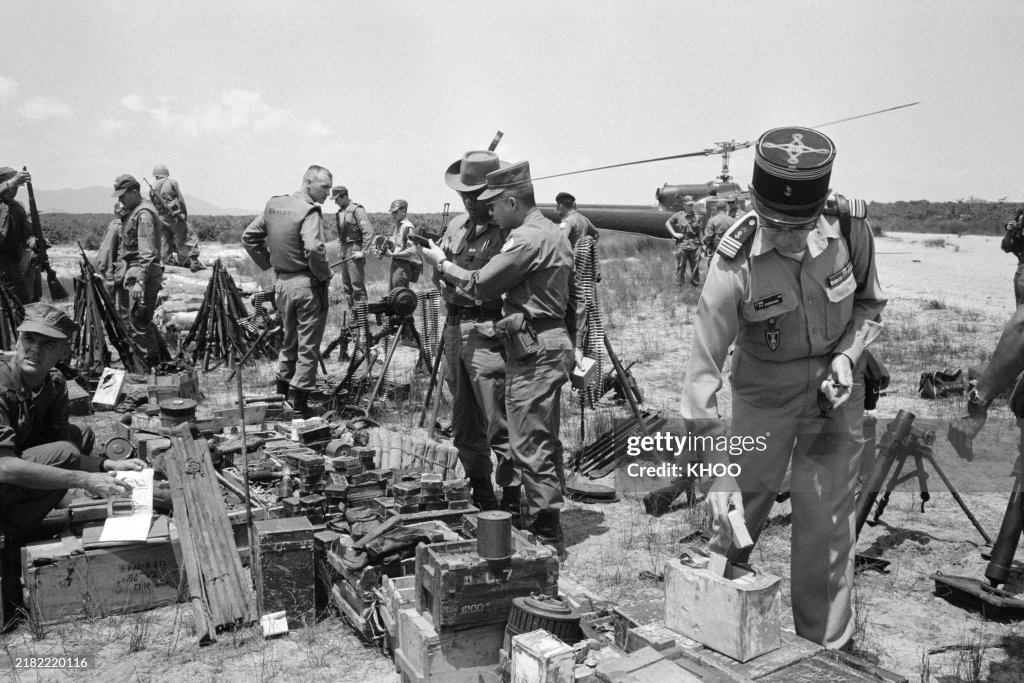
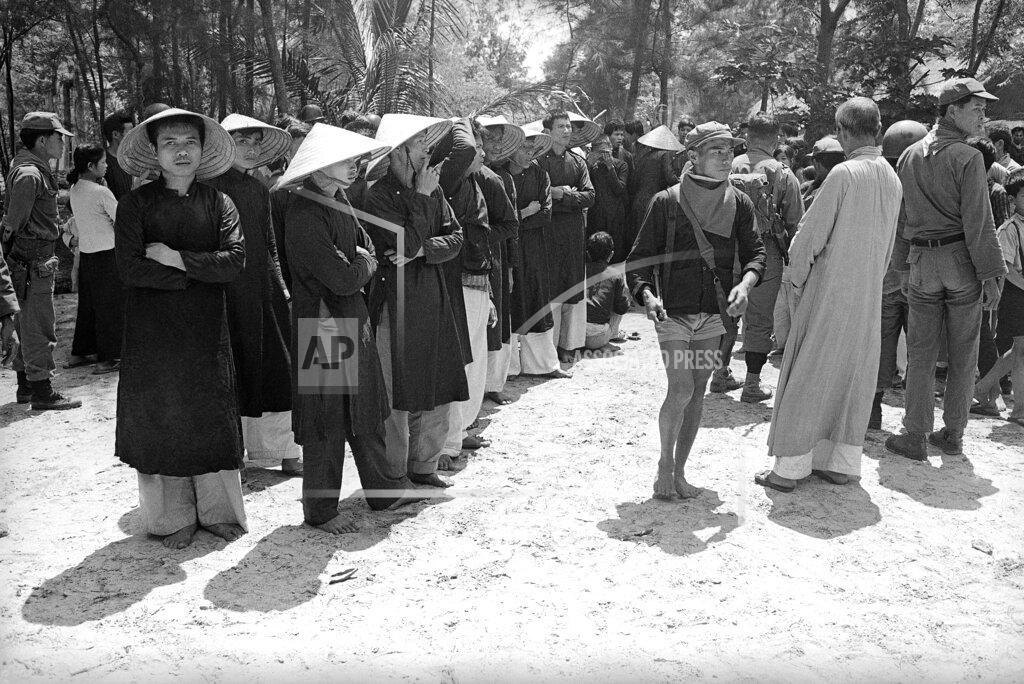
South Vietnamese Government forces began a major action in the lower Mekong delta today in an attempt to take the offensive during an extended lull in Việt Cộng attacks. The operation, in a territory largely controlled by the Communists, was further indication that the government’s military commanders did not intend to accept any temporary ceasefire that might be offered by the Việt Cộng forces. United States officials in Saigon have been concerned that a flagging war effort could lead to pressure for an end to the air strikes in the North before they had elicited from North Vietnam an indication that it was ready to negotiate. The action was launched early in the morning by government troops carried in by helicopter and river boat to Chương Thiện Province. Their objective was Vĩnh Tuy, a town 125 miles from Saigon that is held by “main force” Việt Cộng, the trained full-time troops.
Because the offensive was to continue tomorrow, United States advisers asked that the number of government troops not be divulged. By nightfall government helicopters had been fired upon but the large concentration of insurgents believed to be in the attack area had dispersed. The United States advisers suggested that the Việt Cộng were avoiding a confrontation because of government victories in that section of the delta last December and January.
They also said intelligence reports indicated that Việt Cộng morale was low because the guerrillas had been forced to send some of their troops to central Vietnam for a major offensive in Bình Định Province. Recent belligerent statements by the National Liberation Front, the political party behind the Việt Cộng, were also being ascribed in Saigon to morale problems among the insurgents. In clandestine radio broadcasts of a statement made Monday, the front said it could ask for and receive the same kind of assistance from Communist countries that the United States has extended to the South Vietnamese Government.
In response to the front’s statement, Peking pledged that if it was asked to do so, it would send material aid and troops to the Việt Cộng. The analysts do not believe that either the Liberation Front broadcast or the Chinese response presages a mass movement of troops into South Vietnam. They do believe, however, that the assertive statements by the front might be an attempt by the Communist political leaders in the South to return the focus to their struggle and to counteract any impression that the war was now between the United States and North Vietnam.
Except for the government operation and a sizable number of United States jet raids, the countryside was again quiet. Twenty-eight American jet sorties were made, eight of them in B-57’s flying over another Việt Cộng base area in Tây Ninh Province, 60 miles northwest of the capital. Twenty F-100’s bombed in central Bình Định Province where fierce fighting took place last month. They destroyed 14 huts.
The Việt Cộng are prepared to fight against the United States forces in South Vietnam “for five or even 20 more years” until final victory, according to a Việt Cộng official quoted today by the North Vietnamese press agency.
North Vietnamese regulars spearheaded an attact by Pathet Lao forces on an army camp near the Hồ Chí Minh trial in southern Laos Monday night, a military spokesman reported today.
Premier Chou En-lai of China has predicted that “the Chinese and Russian people will close ranks” should the United States provoke a wider conflict in Asia. For this reason, the Premier said, President Johnson, “who is dancing on the tightrope of war and doesn’t know how to turn around, is risking some surprises.”
Prime Minister Harold Wilson and Sir Alec Douglas-Home, the Conservative leader, exchanged sharp words over the Vietnam crisis in the House of Commons today.
West Germany’s Bundestag voted, 344–96, to extend the statute of limitations on Nazi war crimes, set to expire on May 8, 1965, the 20th anniversary of Germany’s surrender, for an additional five years up to 1970, and Justice Minister Ewald Bucher resigned the same day, on grounds that the change violated Germany’s Constitution. The West German Parliament voted today the shortest suggested extension of the legal deadline for new prosecutions of Nazi war criminals. The Bundestag, or lower house, voted overwhelmingly to prolong the expiration of the statute of limitations for murder during the Hitler regime by four years and eight months to December 31, 1969. After that date — just 20 years after the fledgling West German republic was granted its first measure of sovereignty by the Allied occupation powers — no new charges may be laid against persons suspected of having committed murder during the Nazi era. But 14,000 suspects now charged and others discovered during the four years and eight months will remain subject to trial, even after 1969. In 1969, the deadline for indicting a war criminal would be extended to 1980, and in 1979, the limitation on prosecution for murder and genocide would be removed completely.
Dudley Senanayake, leader of the conservative and pro-Western United National party, was sworn in today as the new Prime Minister of Ceylon. He is expected to announce his Cabinet within the next few days, possibly tomorrow. The new Prime Minister said that, while the outgoing government of Mrs. Sirimavo Bandaranaike had leaned toward the Communist bloc, his government would be “truly nonaligned.” He also expressed the hope that Communist China would remain friendly to. Ceylon. One of his major campaign accusations against the Bandaranaike Government had been that a maritime agreement negotiated with Peking would allow China to use the Ceylonese port of Trincomalee as a military base against India. He had committed himself in campaign speeches to a denunciation of this agreement.
Government forces seized Aru today, the first important objective of their drive to sever rebel supply lines in the northeastern Congo. Military sources said the forces met only token opposition as they marched into the town. which is five miles from the Uganda border. The rebels are reported to have withdrawn in good order toward the Sudanese border before the government column. made up of 250 white mercenaries, mostly South Africans and Rhodesians, and a battalion of former Katanga gendarmes. There was no word on casualties.
Aru is the first town on the Congolese side of the border on the only good road that runs to Uganda. For a time the road was said to be the main route for the shipment of automatic weapons and ammunition of Soviet, Chinese, and Czechoslovak manufacture to the rebels. The fall of Aru apparently means that the rebels in the region will be dependent on Sudan for new shipments of arms.
King Hussein said today that more than at any other time since the Arab-Israeli war 17 years ago there is danger this year of an Israeli attack. “We all feel it — that something could happen in 1965,” he said in an interview. The King conceded in reply to a question that he had heard through diplomatic channels that W. Averell Harriman’s recent mission to Israel had helped to avert the immediate danger of an Israeli attack. “If it does come now,” he observed, “It won’t be because of the Jordan waters. The question of the waters would not be all that important were it not part of the larger Arab-Israeli question. An attack now would be a pretext for the Israelis to try to smash or weaken the Arab force again to shift the balance of power to their side.”
Under army surveillance, life resumed its normal pace in the sprawling Atlantic Coast city of Casablanca after three days of the worst street riots in Morocco since she became independent of France in 1956. In Rabat, King Hassan II’s royal capital northeast of here, left-wing Opposition Deputies walked out of Parliament when the government majority refused to depart from the agenda to discuss the riots. The outbreak began peacefully Monday morning when Muslim high school students demonstrated against cutbacks of enrollments in advanced classes and technical training. The students were back in school today but most of their teachers stayed home to protest government charges that some had incited their students to riot.
Poland will become next week the first Soviet-bloc nation to recognize the legal existence of the European Community.
Shirley Temple tried to visit Russia’s ex-Premier Nikita S. Khrushchev in Moscow but the former child movie star was turned away in the lobby of his apartment house in Moscow by a caretaker.
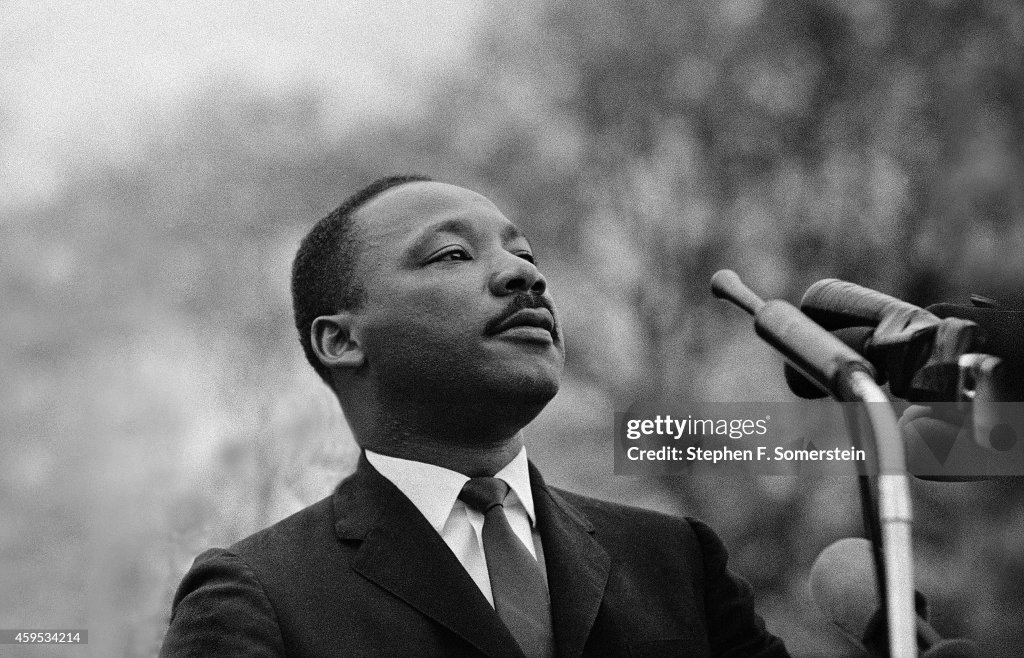
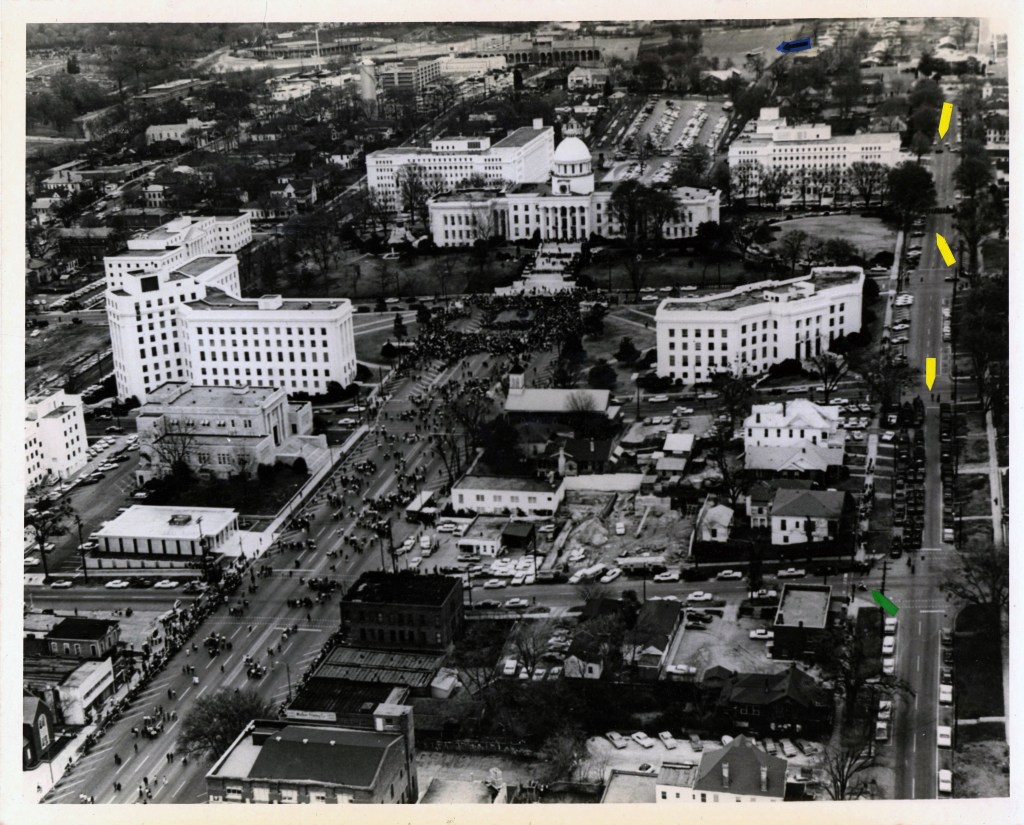
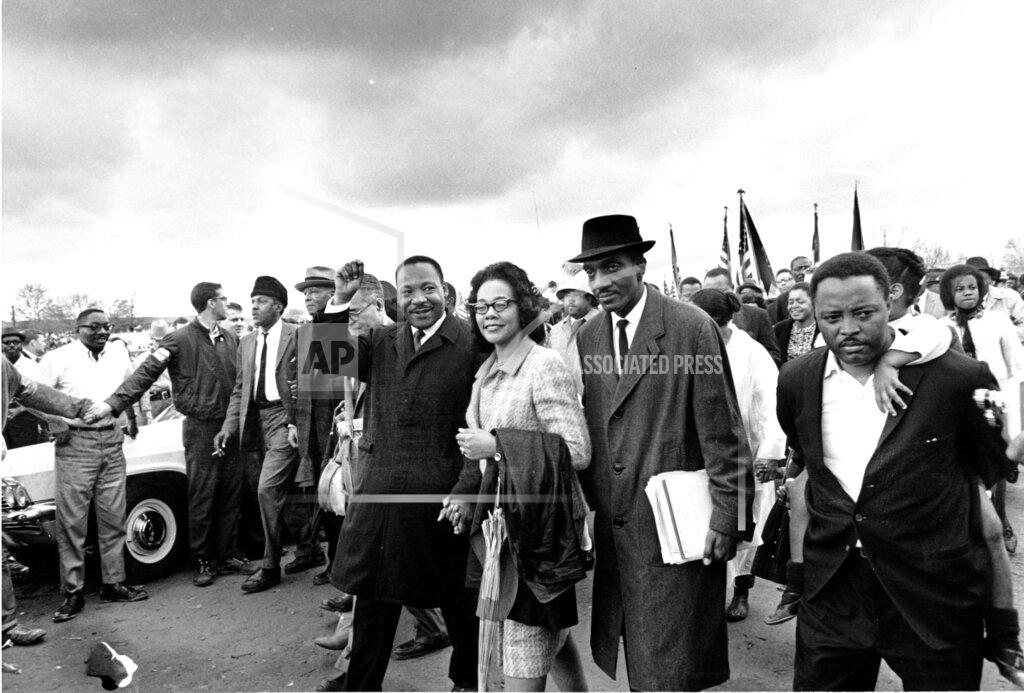
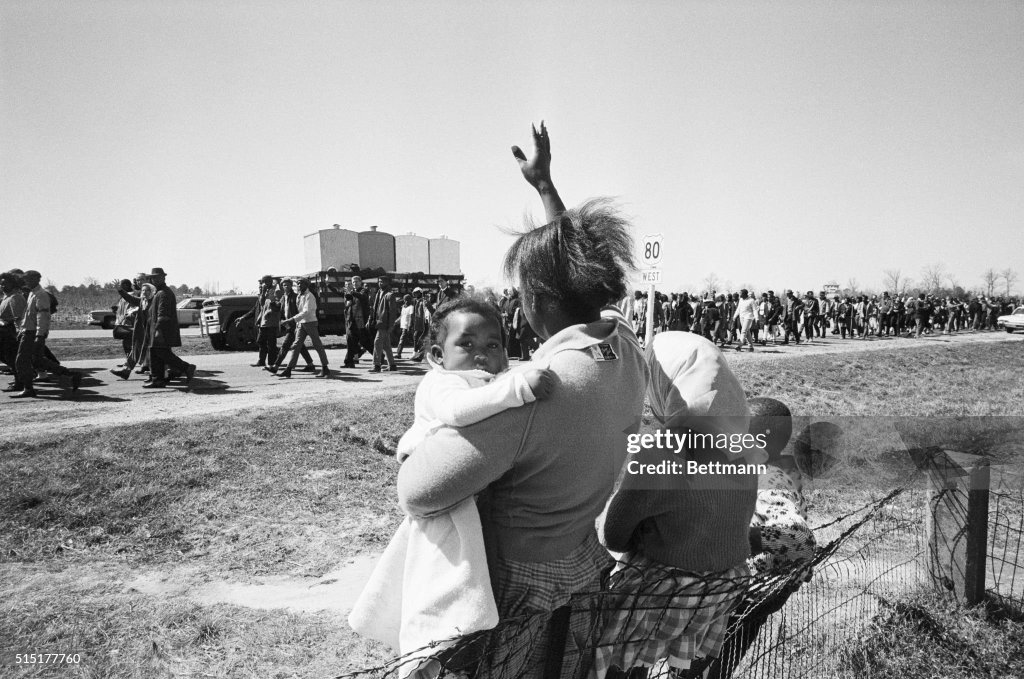
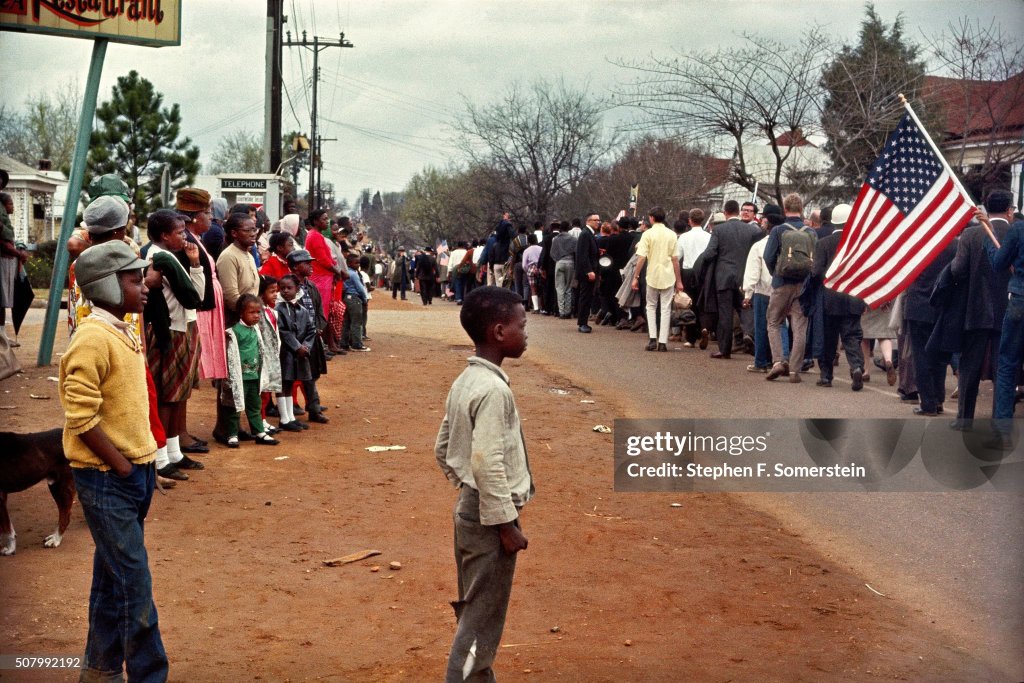
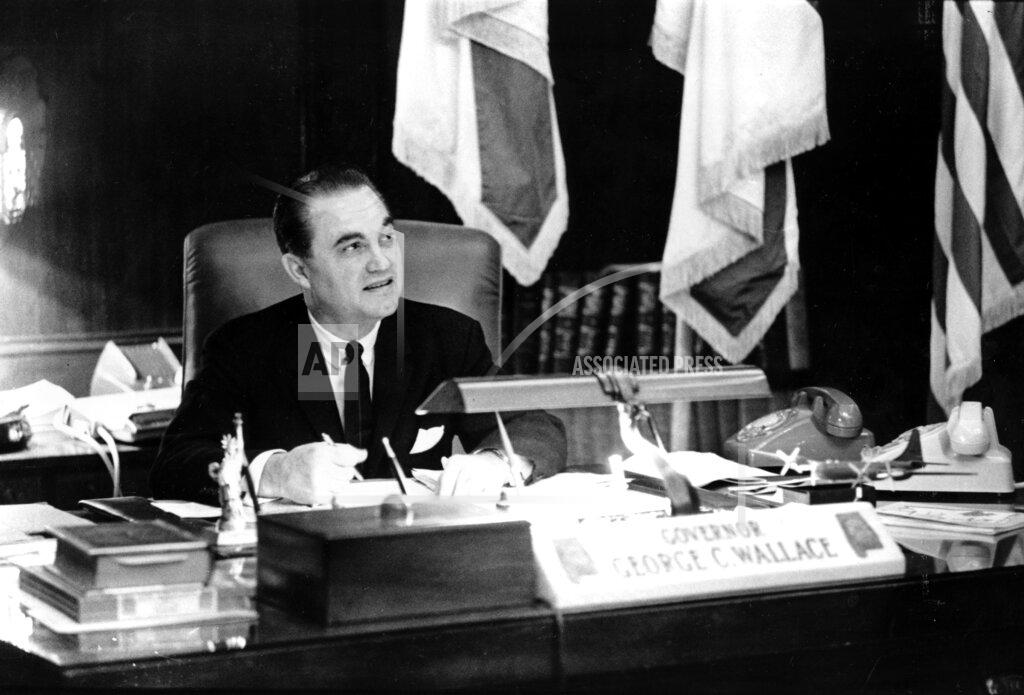
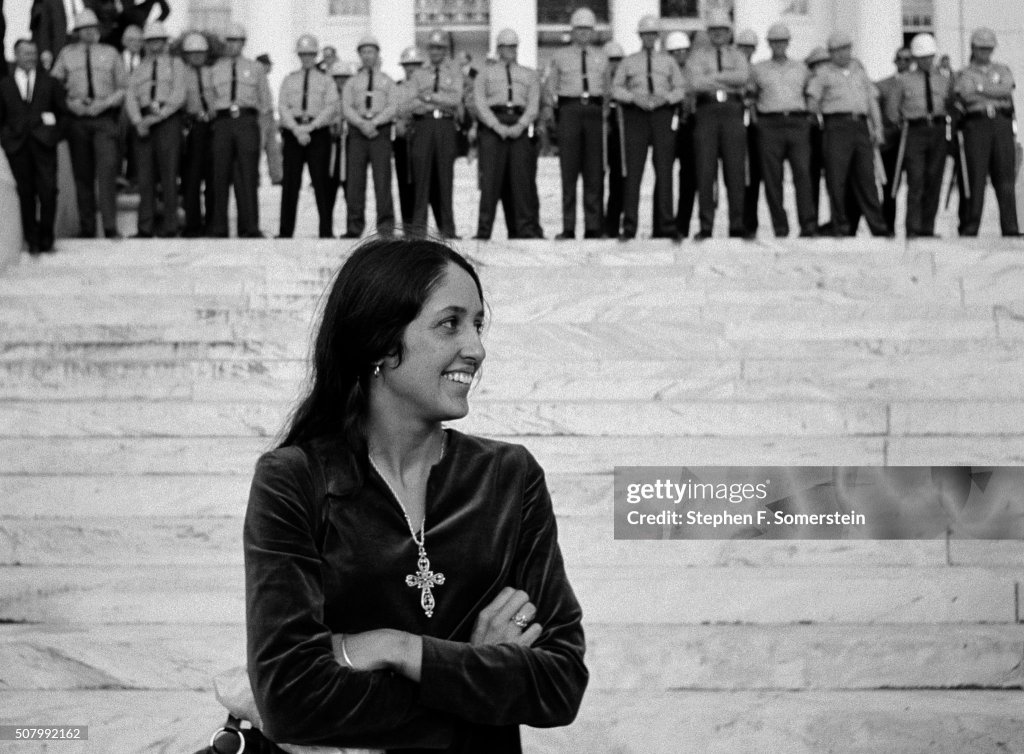
Martin Luther King Jr. and 25,000 or more civil rights activists successfully ended the 4-day march from Selma, Alabama, to the capitol in Montgomery. While at the capitol, King gave a speech titled “How Long, Not Long” (“I know you are asking today, ‘How long will it take?’. Somebody’s asking, ‘How long will prejudice blind the visions of men…’ How long? Not long, because ‘no lie can live forever’. How long? Not long, because ‘you shall reap what you sow’… How long? Not long, because the arc of the moral universe is long, but it bends toward justice.”) About 300 of the group had marched the entire way, stopping each night to camp out; Dr. King missed one of the days in order to travel to Cleveland. After arriving at the State Capitol, a group of marchers tried unsuccessfully to present a petition to Governor Wallace, who declined to meet with them, and sent his executive secretary Cecil Jackson, in his place.
The Rev. Dr. Martin Luther King Jr. led 25,000 Blacks and whites to the shadow of the State Capitol here today and challenged Alabama to put an end to racial discrimination. Governor George C. Wallace sent word about 2 PM that he would receive a delegation from the marchers after the rally, but the delegation met twice with rebuffs when it tried to see him. State policemen stopped the group the first time at the edge of the Capitol grounds and said no one was to be let through. The delegation was later admitted to the Capitol, but was told that the Governor had closed his office for the day. The group left without giving its petition to anyone.
The Alabama Freedom March from Selma to Montgomery ended shortly after noon at the foot of the Capitol steps, and as people from all over the nation stood facing the white-columned statehouse, Dr. King assured them: “We are not about to turn around. We are on the move now. Yes, we are on the move and no wave of racism can stop us.”
The throng let out a mighty cheer, so loud that it was easily audible 75 yards away in the office of Governor Wallace, where the Governor was seen several times parting the venetian blinds of a window overlooking the rally. Even though the 54-mile march from Selma was a dramatization of a grievance, its windup at the steps of the Capitol carried the trappings of triumph. The march was hailed by several speakers as the greatest demonstration in the history of the civil rights movement.
Hours later, the peaceful events of the day were marred by the murder of Viola Liuzzo, a white, 39-year-old Detroit homemaker with five children. Liuzzo was shot dead by Ku Klux Klan members as she was driving in Lowndes County between Selma and Montgomery with Leroy Moton, a 19-year-old African-American. As her car stopped at a red light on U.S. Route 80, another car containing four members of the local Klan (one of them an FBI informant named Gary Rowe) pulled up alongside her. When the Klan saw Liuzzo and Moton in the car together, they began chasing her as she tried to outrun them and as soon as they caught up, they began firing shots at Liuzzo’s car. As a result from the gunfire, she was shot twice in the head, causing her to lose control of her car and immediately succumbed from her wounds. On the other hand, Moton survived by playing dead when the Klan went to investigate Liuzzo’s car.
President Johnson asked Congress to vote a broad program to combat the problems of economically backward areas of the United States at a cost of half a billion dollars a year. A revised program of economic assistance to depressed areas, with emphasis on regional development rather than on individual cities or counties, was proposed today by President Johnson. In a special message to Congress, the President asked that the federal government be authorized to make loans and grants totaling $510 million annually to help areas of high unemployment and low income. The program would be a permanent one. The area and regional development program should be supported by everyone, Mr. Johnson said, because “the distress or underdevelopment of any part of the country holds back the progress of the entire nation.” The amount of money proposed to be spent on the new program is about double the annual outlays of the present area redevelopment program plus the more recent accelerated public works program, which would also be replaced by the new plan.
Senator Everett M. Dirksen (R-Illinois) said that President Johnson’s voting rights bill will be broadened to take care of racial discrimination in voting wherever it occurs. Dirksen, the Senate Republican leader, will seek to change the language of the voting-rights bill to make certain that some areas of discrimination in Texas, Tennessee, Florida and Arkansas are covered.
The Administration’s $1.3 billion school aid bill survived several crucial test votes today and appeared headed for passage in the House tomorrow. Bipartisan efforts to change key parts of the bill were soundly defeated on a series of nonrecord votes. The votes marked the first show of Administration strength on legislation that President Johnson has called “the first priority of our country.”
If passed by the House, the bill will go to the Senate. Hearings on an identical bill have been completed by a Senate committee. Today’s major challenge came in an attempt by Democrats and Republicans to to change the formula for distribution of $1,066 billion in Federal funds to school districts where there are a number of impoverished children. The move was defeated by a vote of 202 to 136 after prolonged debate centering largely on the racial issue.
The Senate Foreign Relations Committee approved legislation today designed to curb any hidden influence of foreign agents and lobbyists on United States foreign policy decisions.
Virgil (Gus) Grissom and John W. Young, America’s Gemini astronauts, disclosed that they were badly jolted when the Molly Brown flipped from vertical to horizontal during their landing.
Gemini astronauts Virgil (Gus) Grissom and John W. Young traded quips in recalling details of their historic flight at a press conference.
Ranger 9 pinpointed at least two hard landing areas on the moon for future American space explorers, space chief James E. Webb told President Johnson. Webb, administrator of the National Aeronautics and Space Administration, reported to President Johnson and the Cabinet today that pictures from Ranger 9 gave strong indications that the moon’s surface was strong enough to support a manned landing.
Senator Robert F. Kennedy fell through a crevasse when an ice bridge gave out under him on Mt. Kennedy. He was able to arrest his fall and was uninjured. An exhausted Senator Kennedy returned from Mount Kennedy today and said that his climb to the summit had been “more difficult than I thought it would be.”
The chairman of a House Armed Services subcommittee accused Pentagon officials today of “contemptuous disregard of the Congress” in the way they planned to merge the Army Reserve forces.
The Controller General chided the military today for wasting more than $1 million by following servicemen’s desires rather than regulations in bringing privately owned cars back from overseas.
Pittsburgh second baseman Bill Mazeroski suffers a broken bone in his right foot. He will not start until May.
Dow Jones Industrial Average: 898.34 (-2.22)
Born:
Sarah Jessica Parker, American stage, film and television actress (“Square Pegs”, “Sex and the City” TV and film series) and TV producer, in Nelsonville, Ohio.
Stefka Kostadinova, Bulgarian athlete and holder, since 1987, of the women’s world record for the high jump, at 2.09 meters (6 feet, 10¼ inches); in Plovdiv, Bulgaria.
Avery Johnson, American NBA and college basketball coach and player; in New Orleans, Louisiana.

 History Diaries