Prime Minister Neville Chamberlain defiantly declared today that the Allied Powers are “ready to meet” any challenge by Adolf Hitler or Benito Mussolini and that “we are not likely to be diverted from the purpose for which we entered this war.”
Harold Macmillan sparred with Neville Chamberlain in the House of Commons over whether the government had done all it could to help Finland. Members of the British House of Commons debated Britain’s lack of action during the Winter War and criticized Prime Minister Chamberlain. Chamberlain noted that Finland never officially requested British military aid. A 100,000-strong Anglo-French expeditionary force could not be sent due to the refusal of entry by Norway and Sweden. Large quantities of arms ammunition, equipment and aircraft (152) had been delivered or promised.
Official figures are released showing that 25,000 Finns were killed in the war with the Soviet Union.
Germany and the Vatican are negotiating an arrangement to safeguard the interests of Catholics in territories annexed by Germany, a reliable Vatican source said today. The informant said the negotiations were being conducted in Berlin by Monsignor Cesare Orsenigo, Papal Nuncio to the German Government. Pope Pius XII was believed to have discussed the matter with German Foreign Minister Joachim von Ribbentrop when he was received in audience here March 11. The agreement would apply to Austria, the Bohemia-Moravia protectorate and the German-occupied part of Poland.
In retaliation for the Scapa Flow raid, RAF Bomber Command carried out their first attack on an enemy land target when 41 Whitleys and Hampdens attacked the German seaplane base on the island of Sylt. Post-attack reconnaissance of the night-time raid reveals no damage was done to the target, leading to a serious reappraisal of the Command’s night navigation and bombing. No. 4 Group RAF Bomber Command dropped 1,500 pounds of bombs over the Hornum seaplane base in Germany also as part of the retaliatory bombing techniques. Bomber Command was authorized for the first time to conduct a bombing raid against a German land target. Previously it had been restricted to anti-shipping missions, and reconnaissance and leaflet drops.
The Royal Navy destroyer HMS Jervis collided with Swedish steamer Tor northeast of Blyth, England at 0300 hours, killing 2 aboard Jervis. She would be under repair until July 1940.
The Danish steam merchant Minsk was torpedoed and sunk by the U-19, commanded by Kapitänleutnant Joachim Schepke, at 2135 hours in the North Sea (58°07′N 2°39′W). The Minsk was hit by one torpedo in her engine room and sank within six minutes, Of the ship’s complement, 11 died and 9 survivors were picked up by the destroyer HMS Esk. The 1,229-ton Minsk was carrying ballast and was bound for Esbjerg, Denmark.
At 2237 hours, the Danish steam merchant Charkow was also torpedoed and sunk by the U-19, in the North Sea (58°07′N 2°39′W). She sunk by the stern in four minutes. All of the ship’s complement of 20 died. The 1,026-ton Charkow was carrying ballast and was bound for Esbjerg, Denmark.
Convoy ON.21 of six British, twenty one Norwegian, seven Swedish, two Danish, three Finnish, two Estonian ship departed Methil at 1700 escorted by destroyers HMS Javelin, HMS Jupiter, HMS Juno, and HMS Eclipse and were joined by destroyer HMS Janus which left Scapa Flow. Submarine HMS Porpoise departed Rosyth to sail with the convoy. Three more merchant ships were detached prior to crossing the North Sea; one was detached at Dundee and two at Aberdeen. British tanker British Tommy (1411grt) was to have proceeded in this convoy to salve oil from the grounded tanker Gretafield at Dunbeath. Anti-submarine trawler HMS Alouette (520grt) was to meet the tanker at sea for escort. However, on the 19th, the tanker broke up and the attempt was cancelled. Destroyer HMS Ivanhoe escorted base ship Manchester City from Scapa Flow to Kirkwall. Destroyer Ivanhoe then left Kirkwall with fifteen ships for convoy ON.21. The group joined the convoy at 1900. These ships are included in the sailing breakdown from Methil. It was this portion of convoy ON.21 that was attacked by German bombers on the 20th. Despite the protection of anti-aircraft cruiser HMS Cairo, on the 20th, German bombers of KG26 attacked convoys HN.20 and ON.21. The convoy arrived at Bergen on the 23rd.
Convoy FS.124 departed the Tyne escorted by sloop HMS Lowestoft, destroyer HMS Valorous, and sloop HMS Hastings. The convoy arrived at Southend on the 21st.
Convoy TM.30 of nine ships departed the Tyne escorted by the 3rd Anti-submarine Group and destroyer HMS Vivien.
Convoy OA.113GF departs Southend.
Convoy OB.113GF departed Liverpool, escorted by destroyers HMS Wakeful and HMS Winchelsea, merged with convoy OA.113GF, escorted by sloop HMS Leith, to form OG.23F of forty ships on the 22nd. Destroyer Wakeful and Winchelsea were detached to convoy HG.23 F. Sloop Leith escorted the convoy to 23 March. The convoy was joined by armed boarding vessel HMS Sagitta from 22 to 25 March and destroyers HMS Velox and HMS Vidette from Portsmouth and Devonport, respectively, from 22 to 28 March when the convoy arrived at Gibraltar.
The War at Sea, Tuesday, 19 March 1940 (naval-history.net)
Battleships RODNEY, VALIANT, and WARSPITE and destroyers HARDY (D.2), HERO, HUNTER, HASTY, HOTSPUR, HYPERION, and HOSTILE of the 2nd Destroyer Flotilla, FORESTER and FEARLESS of the 8th Destroyer Flotilla departed Scapa Flow at 1500. Battlecruisers REPULSE and RENOWN and destroyers INGLEFIELD (D.3), ILEX, DIANA, and DELIGHT of the 3rd Destroyer Flotilla, BEDOUIN of the 6th Destroyer Flotilla, destroyer FORTUNE of the 8th Destroyer Flotilla departed Scapa Flow at 1500. While at sea, the Home Fleet would cover the movement of convoys HN.20 and ON.21 and the Operation DU activities.
A German submarine was sighted near Holm Sound between 1730 and 1800 about 250 yards seaward of the blockships. Destroyers departed Scapa Flow between 2030 and 2100 to search. Destroyers FOXHOUND and FIREDRAKE searched the area to seaward. Destroyer FOXHOUND attacked a submarine contact at 2135 off Grimness in 58 49N, 2 46W. Destroyers SOMALI (D.6), MASHONA, MATABELE, SIKH, and FORESIGHT searched Scapa Flow with anti-submarine trawlers. Destroyer FAME patrolled the north end of Gutter Sound. The search was abandoned at 0030/20th. Destroyer SIKH proceeded to the anchorage to cover ships anchored in Scapa Flow. Destroyer FAME assigned a station to cover the entrance to Gutter Sound.
Light cruiser NEWCASTLE arrived at Scapa Flow from Northern Patrol.
Light cruiser BIRMINGHAM arrived at Scapa Flow from refitting. The light cruiser soon departed on Northern Patrol.
At 0300, destroyer JERVIS was involved in a collision with Swedish steamer TOR (1052grt) northeast of Blyth, in 55 35N, 01 26E. Destroyer JERVIS suffered extensive damage to her hull, both above and below the water line. Two crew were killed in the collision and fifteen crew were missing. Destroyers JAVELIN and JANUS stood by until destroyer JERVIS reached Newcastle. Destroyer JERVIS was able to steam stern first under her own power to the Tyne. Tugs MALTA and WASHINGTON took her in tow when she arrived off South Shields. Steamer TOR was slightly damaged. Destroyer JERVIS was repairing into the third week of June.
Destroyer MACKAY reported minor upper deck damage due to heavy weather.
Submarine SALMON departed Harwich and arrived that day at Sheerness. The submarine was refitting at Chatham from 21 March to 7 May.
Convoy ON.21 of six British, twenty-one Norwegian, seven Swedish, two Danish, three Finnish, two Estonian ship departed Methil at 1700 escorted by destroyers JAVELIN (SO), JUPITER, JUNO, and ECLIPSE and were joined by destroyer JANUS which left Scapa Flow. Submarine PORPOISE departed Rosyth to sail with the convoy. Three more merchant ships were detached prior to crossing the North Sea; one was detached at Dundee and two at Aberdeen. British tanker BRITISH TOMMY (1411grt) was to have proceeded in this convoy to salve oil from the grounded tanker GRETAFIELD at Dunbeath. Anti-submarine trawler ALOUETTE (520grt) was to meet the tanker at sea for escort. However, on the 19th, the tanker broke up and the attempt was cancelled. Destroyer IVANHOE escorted base ship MANCHESTER CITY from Scapa Flow to Kirkwall. Destroyer IVANHOE then left Kirkwall with fifteen ships for convoy ON.21. The group joined the convoy at 1900. These ships are included in the sailing breakdown from Methil. It was this portion of convoy ON.21 that was attacked by German bombers on the 20th. Despite the protection of anti-aircraft cruiser CAIRO, on the 20th, German bombers of KG26 attacked convoys HN.20 and ON.21. The convoy arrived at Bergen on the 23rd.
Aircraft carrier ARK ROYAL escorted by destroyers ARROW, ISIS, and SHIKARI departed Portsmouth for Portland.
Destroyer BRILLIANT covered the minesweepers of the 10th Mine Sweeping Flotilla in operations between North Goodwin Light Vessel and Fairy Bank Buoy.
Destroyer AFRIDI completed her refit began on 17 January at Hartlepool.
Submarine STERLET departed Harwich for patrol.
Convoy FS.124 departed the Tyne escorted by sloop LOWESTOFT, destroyer VALOROUS, and sloop HASTINGS. The convoy arrived at Southend on the 21st.
Convoy TM.30 of nine ships departed the Tyne escorted by the 3rd Anti-submarine Group and destroyer VIVIEN.
At 59-05.24N, 5-56.30W off North Rona at 0930, anti-submarine trawlers ASTON VILLA (546grt) and GAUL (550grt) attacked a submarine contact. Anti-submarine trawler CAPE PASSARO (510grt) later attacked a contact at this location. At 1700, anti-submarine trawler ANGLE (531grt) attacked a submarine contact off North Rona in 59-05N, 05-55.6W.
Convoy OB.113GF departed Liverpool, escorted by destroyers WAKEFUL and WINCHELSEA, merged with convoy OA.113GF, escorted by sloop LEITH, to form OG.23F of forty ships on the 22nd.
Destroyer WAKEFUL and WINCHELSEA were detached to convoy HG.23 F. Sloop LEITH escorted the convoy to 23 March. The convoy was joined by armed boarding vessel SAGITTA from 22 to 25 March and destroyers VELOX and VIDETTE Portsmouth and Devonport, respectively, from 22 to 28 March when the convoy arrived at Gibraltar.
U-19 sank Danish steamers MINSK (1229grt) in 58 07N, 02 39W, CHARKOW (1206grt) in 58 07N, 02 39W, VIKING (1153grt) in 58 08N, 02 38W, and BOTHAL (2109grt) in 58 08N, 02 38W. Eleven crew were lost on steamer MINSK. Destroyer ESK rescued nine survivors of steamer MINSK. Steamer VIKING was fifteen crew lost. There were two survivors. Steamer BOTHAL had fifteen crew lost.
Minesweepers PANGBOURNE and ROSS departed Gibraltar for England for duty in Home Waters.
In Washington, President Roosevelt today reappointed Martin O. Bement as collector for the Ninth Customs District, with headquarters at Buffalo; signed several minor bills and issued a proclamation designating April as Cancer Control Month. At his press conference he defended foreign sales of latest-type American planes as an aid to national defense policy.
The Senate considered the Agriculture Department Appropriation Bill, rejected a conference report on the First Deficiency Bill and recessed at 5:20 PM until noon tomorrow. The Banking and Currency Committee heard Secretary Morgenthau and Senators Townsend and Pittman on a bill to repeal the Silver Purchasing Act; the Labor subcommittee heard Administrators Carmody and Harrington on the Wagner Hospitalization Bill; the Commerce Committee considered proposed rivers and harbors projects, and the monopoly committee heard further testimony on interstate trade barriers.
The House considered minor bills, heard a defense of the NLRB by Representative Schulte and adjourned at 5:16 PM until noon tomorrow. Its Committee on Labor approved an amendment adding two members to the NLRB’s present membership of three.
President Roosevelt today entered a vigorous defense of the Administration’s policy of releasing latest model aircraft for sale abroad, declaring that he was serving the best ends of American national defense by encouraging expansion of domestic plant facilities to fill foreign orders. The President stepped into the controversy over export of planes and munitions on the eve of a hearing by the House Military Affairs Committee at which War Department officials will be questioned concerning the effect of foreign orders upon the speed and price at which aircraft is being delivered to the United States Army. Among those invited to testify are Secretary of War Woodring, Assistant Secretary of War Johnson, General George C. Marshall, Chief of Staff, and Major General H. H. Arnold, Chief of the Army Air Corps.
President Roosevelt still had a slight touch of fever today, but he decided to resume work at his office on a limited schedule. White House officials said they doubted that the Chief Executive would spend Easter Sunday at his home at Hyde Park, but he was said to be counting on a trip to Warm Springs, Georgia, in early April. Stephen T. Early said he had heard no discussion of the possibility that the President would take advantage of that Southern visit to dedicate the Great Smoky Mountains National Park, a ceremony postponed from last Fall. The President hopes to keep a promise to visit the San Francisco World’s Fair this year.
The Wagner Act battle appeared headed toward possible compromise at this session of Congress when the House Labor Committee today recommended addition of two `new members to the present three-man National Relations Board. The committee’s action approved by a 14 to 3 vote was taken to indicate that the Administration has modified its long adamant stand against any Wagner Act changes. A vote on this proposal at the present session of Congress was regarded as likely.
The United States navy moved toward greater strengthening of American defenses in the Pacific as naval tugs got up steam to start a 6,500-ton floating drydock on its way to Pearl Harbor, Honolulu 6,000 miles away. The tugs will pull out into the Mississippi and head down river with the massive 40-year-old dry-dock. It will be the largest device ever taken through the Panama Canal. It will be utilized at Pearl Harbor to drydock all except Uncle Sam’s largest battleships.
The greatest danger to this country, in the opinion of Paul V. McNutt, Federal Security Administrator, is a trend toward monopoly through centralization of private business and financial power “that plows the ground for the growth of dictatorship.”
Over President Roosevelt’s protests the Senate Commerce Committee will report a Rivers and Harbors Bill, it decided today. Active study of the proposal will begin next Tuesday.
The grim recovery of broken and burned bodies continues in the wake of the mine disaster in Bellaire, Ohio.
The British liners RMS Queen Mary and RMS Mauretania will be taken from their safe refuge in New York to carry British troops between Australia and Allied concentration points, probably in the near East, it was reported authoritatively today. The two vessels total 116,974 tons and could carry a full division of 18,000 soldiers with their equipment in a single voyage. British informants believed the two ships would transport troops from Australia and New Zealand to join the Antipodean forces landed last month at Aden, on the Red Sea. The 81,235-ton Queen Mary, Queen of the British Merchant fleet until completion of the Queen Elizabeth, the world’s largest ship, which is docked alongside her at a Manhattan wharf, is being repainted a darker battleship gray.
In an exhibition game that might be a spring training record of sorts, the Triple-A Kansas City Blues pound the Washington Senators, 22–5. The Blues collect 23 hits for 46 bases. Frenchy Bordagaray starts the scoring with a HR in the 1st; Jack Saltzgaver is 3-for–3 with 3 triples and 5 RBIs. Another familiar name, Johnny Lindell, yields 3 hits in 3 innings for the Blues.
The New York Giants sign Paul Dean, recently released by the Cardinals. Dizzy’s younger brother will win 4 games for New York this year.
The first strong condemnation of Nazism by an official representative of the U.S. government takes place in Ottawa. The U.S. Ambassador to Canada, James Cromwell, declares that Hitler’s Germany is openly trying to destroy the social and economic order on which the government of the United States is based. An address made today by the United States Minister, James H. R. Cromwell, at a joint luncheon of the Canadian and Empire clubs of Toronto and broadcast throughout the Dominion, seems likely to arouse more enthusiasm here than any utterance from the United States since President Roosevelt at Chicago admitted Canada to the protection of the Monroe Doctrine. At the same time Mr. Cromwell’s speech seems equally likely to produce some repercussions south of the border from those who will not approve it.
Admitting that the policy of neutrality in the European war had the support of the majority of the American people, Mr. Cromwell declared that there was no reason, nevertheless, “why we should not face the facts and weigh the issues which confront us.” He declared that the Allies were fighting for the preservation of individual liberty and freedom and warned that a victory for Germany would result in the enslavement of the conquered peoples and the establishment of authoritarian governments everywhere.
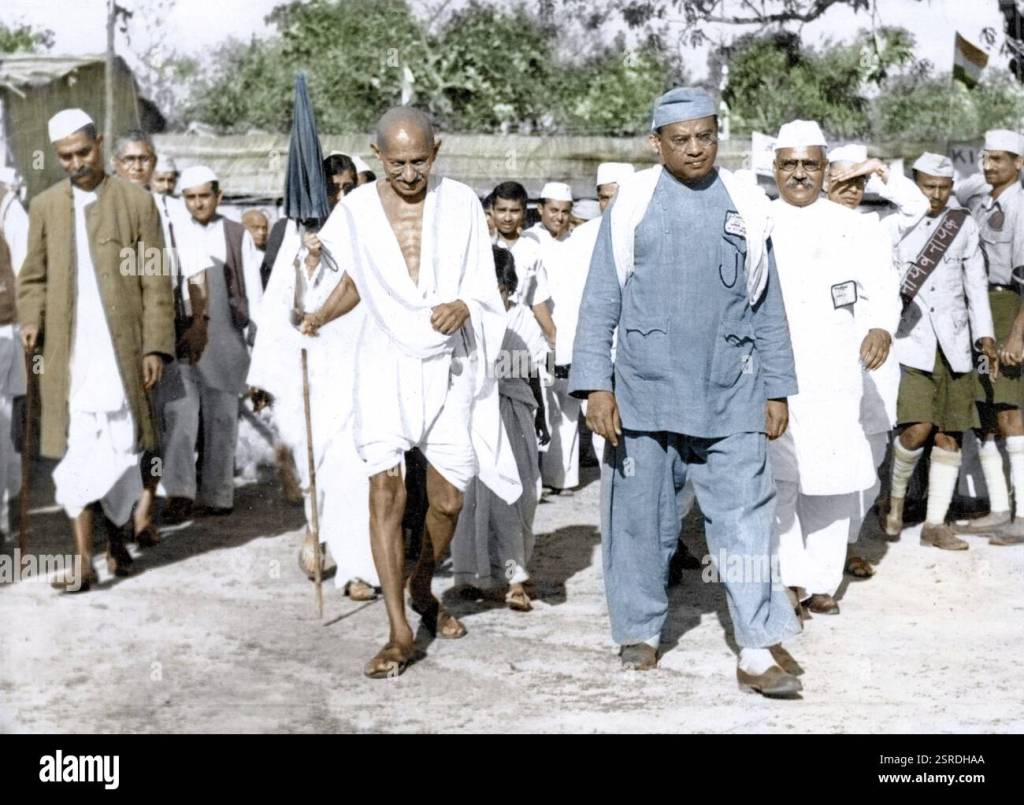
The threat of an immediate civil disobedience campaign to attain Indian independence appeared definitely removed tonight. Mohandas K. Gandhi emerged from the first plenary session of the AllIndia Nationalist Congress with greater powers than ever. A strong leftist bloc, which in 1938 developed the most serious split in the history of the congress, declared its intention, however, of establishing permanent machinery for waging an uncompromising drive for complete freedom from British rule.
Just 3 days before the All India Muslim League’s most momentous meeting, at least 32 or as many as 300 Khaksars, including their Pivotal Leader Agha Zaigham, were mercilessly killed by the Punjab Police under the command of the SP Mr. D. Gainsford in Lahore. Because of this, then-Premier of Punjab Sir Sikandar consulted Muhammad Ali Jinnah for a postponement of the Muslim League session, which Jinnah denied. The Khaskar Movement was vocal in its opposition to the partition of India, and instead favored a united India. Khaksar movement’s declared objectives of unity of India regardless of religion eventually came in conflict with All-India Muslim League’s and Muhammad Ali Jinnah’s objectives of two-nation theory based on the religions of Hindus and Muslims of British India.
The seriousness of China’s war supply problem since the Japanese capture of Nanning and the bombing of the Indo-China railway to Yunnan Province is realized when the shore of Haiphong harbor is seen from an incoming steamer. Block after block of the waterfront is piled high with goods ordered by the Chinese Government which now are unable to reach Chungking territory in any great volume except when reshipped to Rangoon and hauled over the long Burma highway. It is estimated that more than 150,000 tons of China’s supplies have accumulated at Haiphong from ships of many nationalities. There also are more than 2,200 motor trucks. Formerly a maximum of 18,000 tons monthly reached Yunnan over the railway, but since the frequent Japanese bombings and the destruction of roadway and bridges the temporary repairs permit a monthly inflow of only a fourth of that tonnage. Formerly long strings of motor trucks from Haiphong, each loaded with two tons of cargo, crossed the border every night into China, but because of the rainy season the roads have deteriorated.
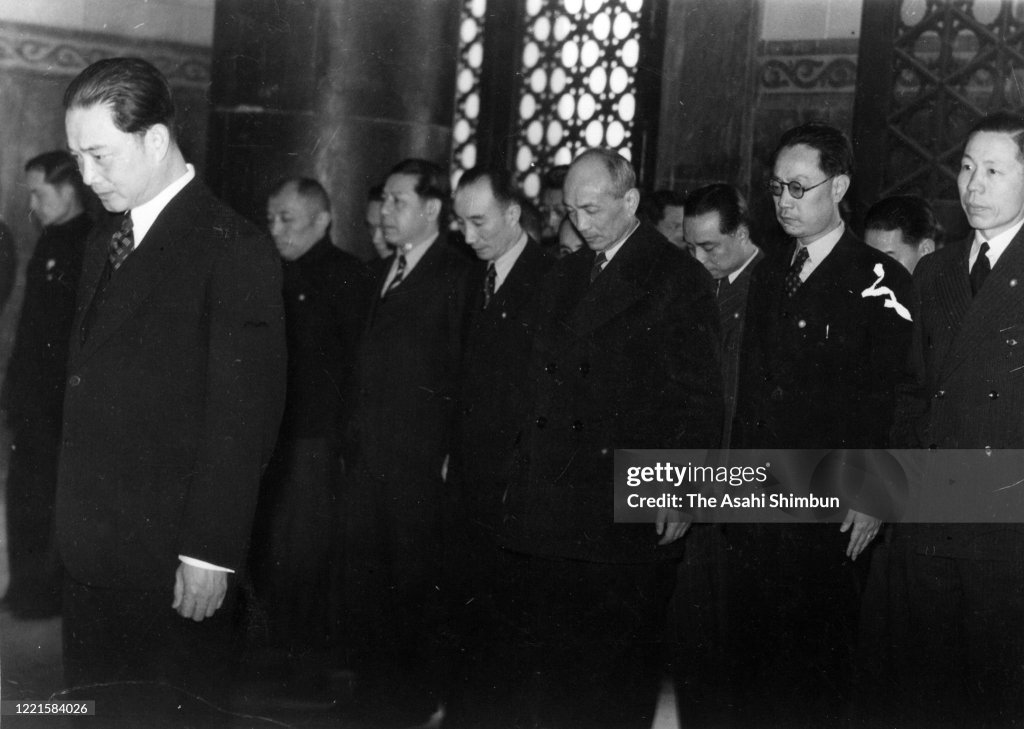
The Japanese Army’s blockade of the British and French concessions at Tientsin will continue until they cease to be foreign-controlled, a Japanese military spokesman said today. The Japanese want control transferred to the puppet regime they are installing.
Dow Jones Industrial Average: 146.43 (+0.84)
Born:
Pete Smith, MLB pitcher (Boston Red Sox), in Natick, Massachusetts.
Larry Ferguson, NFL halfback (Detroit Lions), in Madison, Illinois.
Died:
Gustaaf Sap, 54, Belgian minister of Economic Affairs.
Naval Construction:
The Royal New Zealand Navy Kiwi-class minesweeping trawlers HMNZS Kiwi (T 102), HMNZS Moa (T 233), and HMNZS Tui (T 234) are laid down by Henry Robb Ltd. (Leith, U.K.); completed by G. Plenty Ltd. (Newbury, U.K.).
The Royal Navy Flower-class corvette HMS Polyanthus (K 47) is laid down by Henry Robb Ltd. (Leith, U.K.).
The Kriegsmarine (German Navy) M1935 type minesweeper M18 is commissioned.

 History Diaries