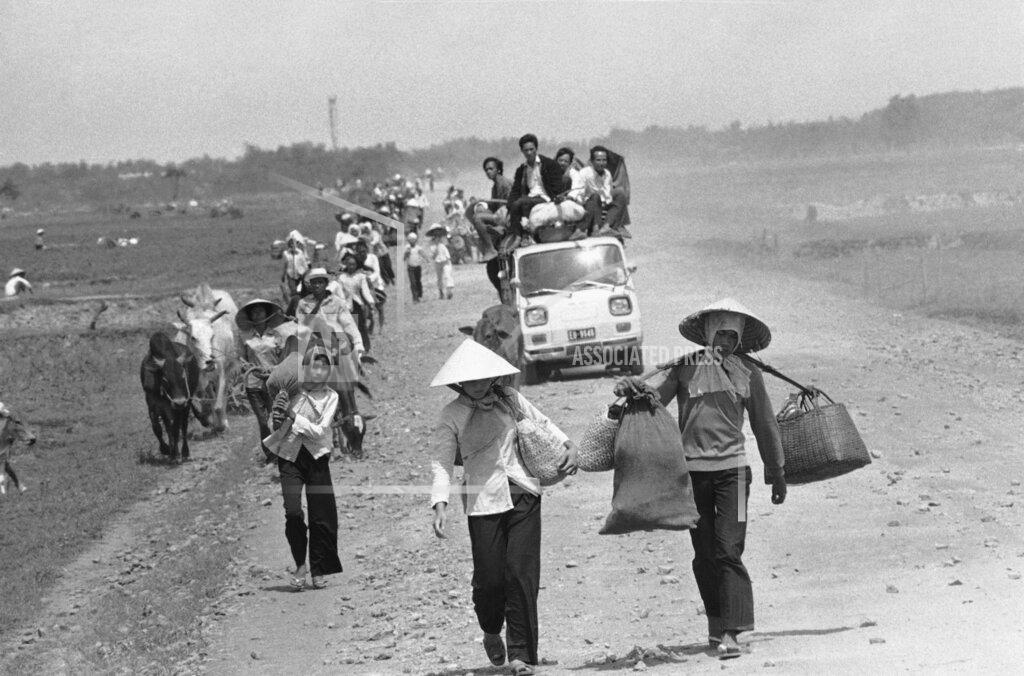
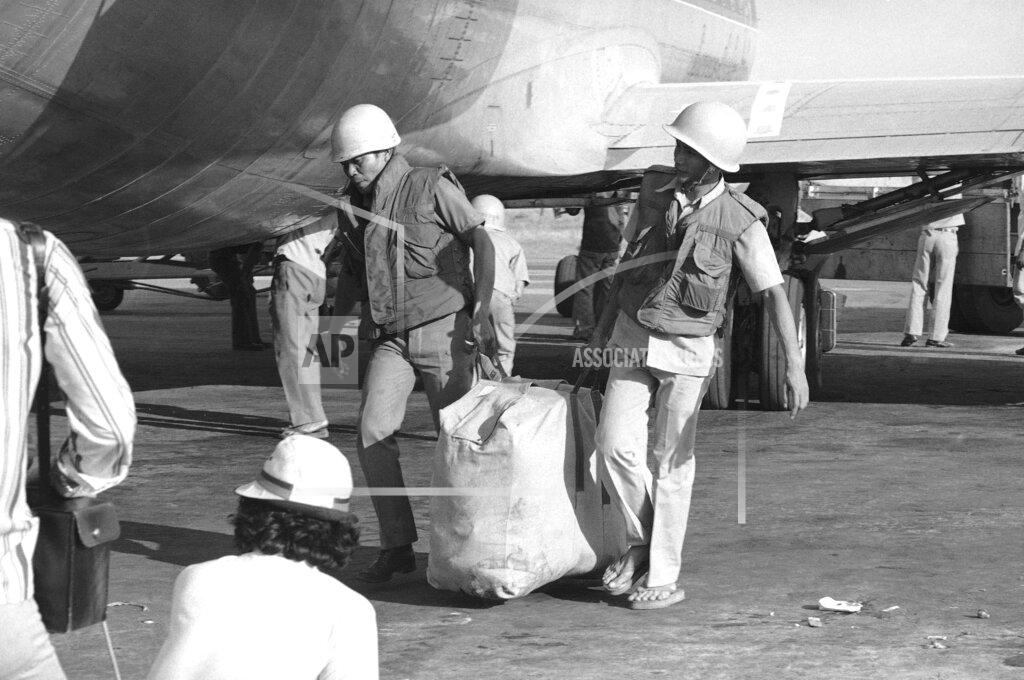
Ed: Understand, please. Something close to 200,000 civilians fled the central Highlands during the Spring Offensive of 1975, pusued and shelled and mortared by the North Vietnamese all along the way. Only about a third of them got out. A few were taken prisoner. Most were not.
Most of these people you are looking at, are going to die.
Especially, of course, the old and the children.
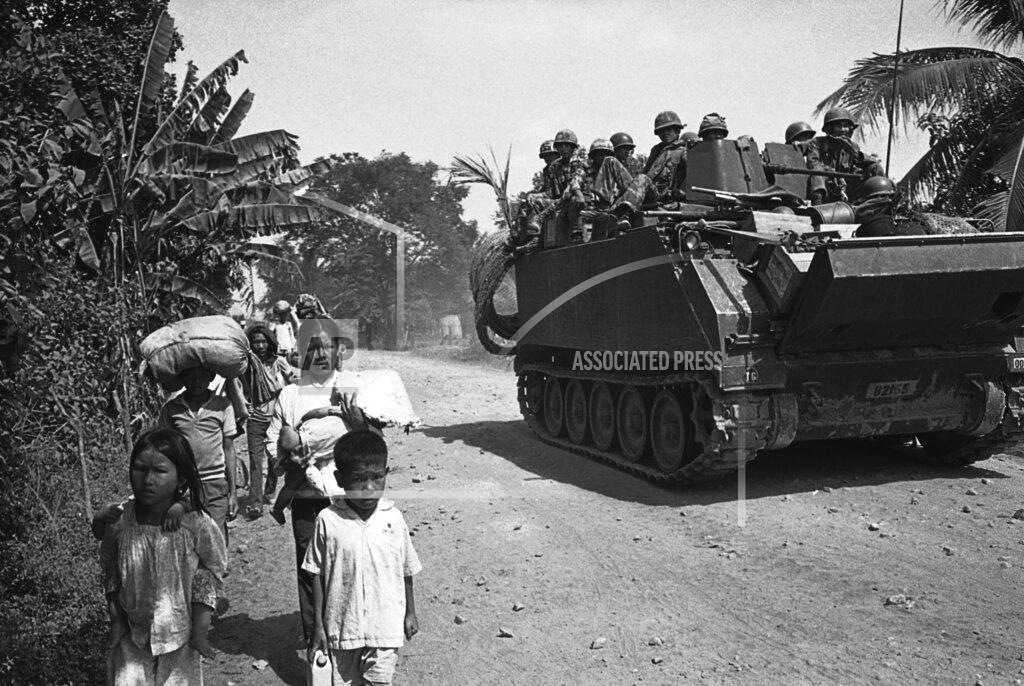
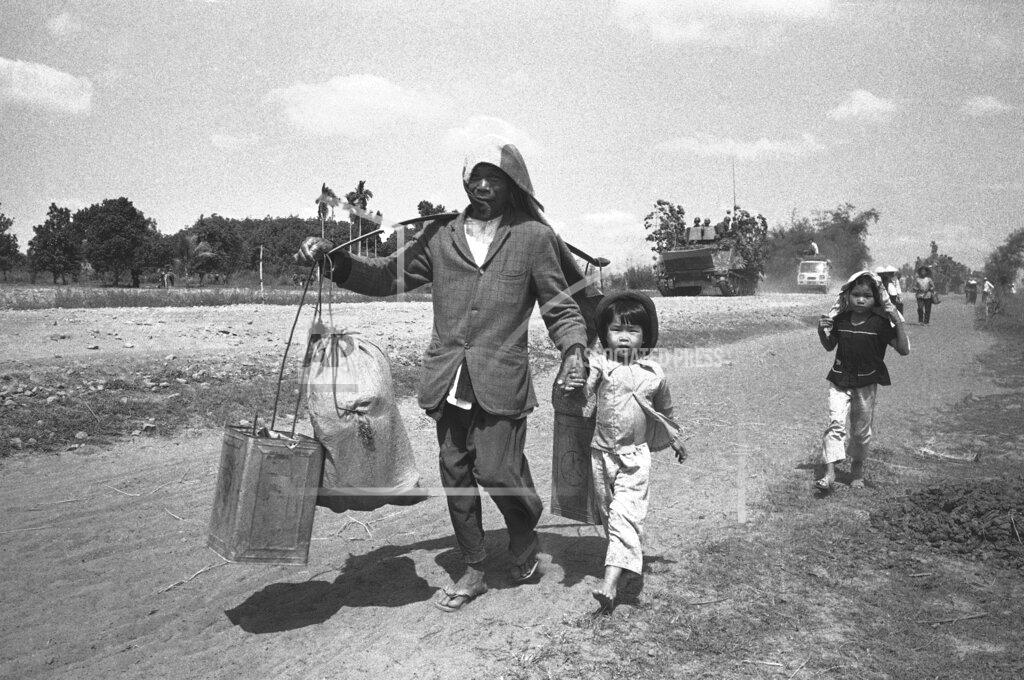
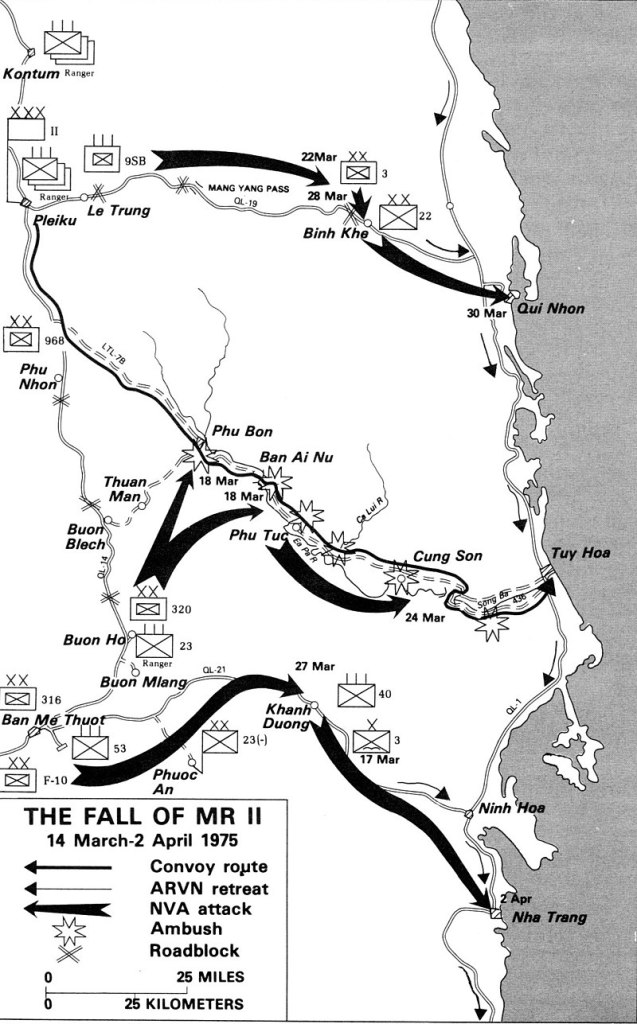
The critical decision for the Saigon government was made today at Cam Ranh Bay during a meeting between President Nguyễn Văn Thiệu and General Phạm Văn Phú. Thiệu decided that Pleiku and Kon Tum were to be abandoned and that the forces defending them would be redeployed to retake demographically more important Ban Mê Thuột. Phú informed the president that the only route possible for the redeployment, given PAVN blocking actions, was little-used Interprovincial Route 7B, a neglected, narrow, rough-surfaced track (actually a logging road) with several downed bridges along its course.
General Phú now faced the monumental task of moving a corps-sized column of troops, equipment, and vehicles over a largely unknown road some 160 miles (260 km) through the mountains and jungles of the highlands to Nha Trang for the attempted counterattack. The force would consist of one battalion of the 44th ARVN Regiment, five Ranger groups, the 21st Tank Squadron, two 155 mm artillery battalions, one 175 mm battalion and Popular and Regional Force units. Also in train would be the men and equipment of the 20th Combat Engineer Group and the 231st Direct Support Group.
Phú’s excessive preoccupation with secrecy, however, doomed the effort from the beginning. Operational planning was limited only to a few trusted subordinates who had either contributed to or knew about it. Staff work was non-existent. The chief of staff of II Corps, for example, admitted that he was completely in the dark about the planned abandonment of Pleiku and Kon Tum. Command of the convoy itself was handed over to the commander of the II Corps Rangers.
Meanwhile, General Văn Tiến Dũng advised Hanoi that he was turning his forces to capture Kon Tum and Pleiku. In Hanoi, Lê Duẩn was pressuring the General Staff to take advantage of the foothold they gained in the highlands. Two months remained before the monsoon season, when military operations would be forestalled. Further strategic gains appeared possible in light of Saigon’s apparent weakness and the level of the U.S. response.
Western and Vietnamese sources said today that North Vietnamese troops had captured almost the entire city of Buôn Ma Thuột (Ban Me Thuot) in the Central Highlands of South Vietnam and that South Vietnamese troops were gathering north of the city and were reportedly preparing to retake it. Some Government ranger and police units were said to be holding out—or hiding out—in pockets of the Central Highlands province capital, but effective resistance in the city, which was attacked before dawn Monday, was believed to have ended. If the North Vietnamese can hold Buôn Ma Thuột, it would be a severe blow to the Government of President Nguyễn Văn Thiệu, which has already come under criticism for its loss of Phuoc Long Province to the North Vietnamese early in January.
Buôn Ma Thuột, which straddles a vital highlands crossroads, is the capital of Đắk Lắk (Dar Lac) Province and the cultural center of the Rhade tribe of Montagnards — the most developed, least disrupted and probably most influential of the highland peoples. The city and surrounding district have a population of 150,000. Disaffection of the Montagnards from the Saigon Government is already an important factor in the struggle for the highlands. A Western analyst familiar with the area observed that the North Vietnamese ability to move a considerable number of tanks into Buôn Ma Thuột at least hinted at some “accommodation” between the highlanders and the Communists. Meanwhile, the Saigon command reported extremely heavy fighting in other parts of the country as North Vietnamese and Việt Cộng forces continued their pressure.
In Buôn Ma Thuột some scattered fighting was still going on yesterday around a spotterplane landing strip called East Field at the northeastern edge of the city, according to the sources, and some people were reported to be fleeing into the countryside from that direction. But North Vietnamese units were said to have most of the city encircled, and the center of town was described as strangely silent and empty-looking. Damage from house-to‐house fighting, artillery exchanges and government bombing was reported to be heaviest near the southern side of the town, where fierce engagements were fought by the defenders and tank‐led assault troops. The Buôn Ma Thuột market was burned down, a Western source said. Occasional puffs of artillery smoke could be seen in the city from the air but, as an informant put it, “there aren’t many bodies lying around.” Although the Saigon command said that its forces were still fighting in the city, its afternoon communiqué treated the battle perfunctorily and mentioned only air strikes.
With fighting continuing in the Central Highlands and in other parts of the country, there were these developments:
- The Saigon command said that fighter‐bombers struck, at North Vietnamese tanks spotted about two miles north and northwest of Thành An, a district seat 13 miles southwest of Pleiku.
- Communist troops blew up a bridge on Route 1 in Bình Định Province just north of the district seat, An Nhơn, preventing movement of men and supplies on the road and on Route 19, which two government regiments are trying to open around Bình Khê.
- The command reported a major government attempt to retake two district capitals, Tiên Phước and Hầu Đức, which were lost to the North Vietnamese in the northern province of Quảng Tín on March 10. The command claimed heavy damage to North Vietnamese formations by planes.
- Persistent though scattered fighting was reported in Thừa Thiên Province, particularly around Phong Điền, a district seat, and a Western source said that about 100,000 refugees from Quảng Trị and Thừa Thiên had crowded into Huế.
- In Tây Ninh Province, northwest of Saigon, the command said, Communist troops supported by armored personnel carriers attacked an outpost 10 miles northwest of Gò Dầu Hạ, another district seat. Also in Tây Ninh, whose main road remained cut by small groups of guerrillas, air strikes killed 77 Communist soldiers, destroyed 8 tanks and damaged 9 “near the Cambodian border” west of Gò Dầu Hạ, according to the command. Analysts have long expected a Communist thrust in this area to sever Route 22.
In another development, Western sources said that the Air Vietnam DC‐4 passenger plane that crashed Wednesday 15 miles southwest of Pleiku was apparently hit by a North Vietnamese missile or by machine‐gun fire. The plane, which had 20 listed passengers, including at least three Americans and the Australian chargé d’affaires in Hanoi, was flying from Vientiane to Saigon. All the passengers and six crew members were believed to have died in the crash.
Earlier in the day the command reported that government troops had been forced out of the important district seat of Buôn Hồ, which lies 25 miles north‐northwest of Buôn Ma Thuột. This North Vietnamese action definitely cut Route 14, the last road link to Buôn Ma Thuột. The others — the continuation of Route 14 to Quảng Đức Province and Route 21 leading to the coast — were closed after the North Vietnamese opened their major highlands campaign March 4. From a military point of view control of Buôn Ma Thuột — and, possibly, Đắk Lắk Province — would doom Saigon’s efforts to hold onto Quảng Đức Province, to the southwest, where fighting for the important crossroads town of Kiến Đức was still reported. The North Vietnamese overran Đức Lập, a district capital in Quảng Đức, on March 9. The capture of Buôn Ma Thuột would leave only two highland towns of any consequence, Pleiku and Kon Tum, in Government hands. Though Kon Tum has a certain tradition and meaning for the Montagnard peoples, Pleiku is little more than an ugly, sprawling garrison town.
For all these reasons President Thiệu was said to be determined that his commanders regain control of Buôn Ma Thuột. Reinforcements were reported being flown by helicopter from Pleiku to points north of the town, but a well‐informed Western source said it would be a while before enough soldiers were mustered to make a move. The government is known to have sent most of the 2,000‐man 45th Regiment of the 23d Division from Pleiku, and a report from that city said the equivalent of another regiment was on its way. The North Vietnamese 320th Division is reported to be in Đắk Lắk Province, though it is unclear how much of it has been involved in the fighting. A battalion of demolition troops and tanks was reported to have led the initial assault, later joined by local forces.
In the opinion of many analysts, an effort to retake Buôn Ma Thuột entails as many risks for Saigon as does leaving it to the North Vietnamese. The Communists have cut both roads leading out of the highlands, and supplies will soon have to be flown to Pleiku, stretching the Government’s resources. For every man thrown into the Buôn Ma Thuột battle, another front, most likely in the highlands, will be weakened. The effective capture of Buôn Ma Thuột raised questions about the fate of Paul A. Struharik, the Rhade-speaking American province representative in Đắk Lắk, six American missionaries and two of their children, a Filipino employee in the American office in Buôn Ma Thuột and his wife and daughter, and a visiting Australian aid official from Bangkok, all of whom sought refuge in the heavily fortified American compound. The compound was reported to be in North Vietnamese hands. The American Embassy reported that a small plane it had had circling near Buôn Ma Thuột lost contact with the group late Wednesday but that the battery in Mr. Struharik’s radio was known to have weakened. At last report, according to an embassy spokesman, the Americans and the Australian were unharmed, with enough to eat and drink. There was no word on the hundred‐odd French and Italian coffee planters, missionaries and tradesmen who lived in and around Buôn Ma Thuột, nor on two military captains, one Indonesian and one Iranian, from the International Commission of Control and Supervision.
In an exchange of letters between North Vietnam’s Foreign Minister and Senator Edward Kennedy, Hanoi has indicated publicly for the first time that it has information about Americans believed to be missing in action in Southeast Asia. Foreign Minister Nguyễn Duy Trinh made it clear that Hanoi will not release this information until the United States forces President Nguyễn Văn Thiệu of South Vietnam out of office and cuts off military aid to Saigon. Even though almost all of the estimated 1,300 men are presumed by most Administration officials and Congressional experts, to have died, their fates remain a highly volatile and emotional issue in Washington.
Hanoi’s negotiating tactic in the past had been to make the release of American prisoners of war contingent upon the complete withdrawal of United States forces from South Vietnam. Mr. Kennedy had written to Mr. Trinh on Dec. 18, 1974, asking for information about the missing Americans as part of the dialogue with Hanoi begun by his staff more than a year before. Mr. Trinh’s response was dated Jan. 21, 1975. Two weeks ago, when a Congressional fact‐finding mission met with North Vietnamese representatives in Saigon, all that Hanoi would say publicly on this subject was that an accounting of the missing Americans would have to wait until the 1973 Paris accords had been fully carried out. Administration officials said today that North Vietnamese and Việt Cộng representatives had told United States representatives “some time ago” in talks on the subject going on in Saigon that they had additional information about missing Americans.
Asked why Mr. Kennedy delayed the release of the Trinh letter until now, Dale DeHaan, head of Mr. Kennedy’s staff in the Senate Judiciary Committee subcommittee on refugees, said that the letter had not been received “until about mid‐February,” and that “official copies and translations” were not received and completed until the last few days. Mr. DeHaan said that Mr. Kennedy was shown the letter only yesterday: In a statement, Mr. Kennedy welcomed what he called the “good news,” but added: I deeply regret that no progress is being made on the simple humanitarian issue of making this information available to the families of those still considered missing in action.”
Khmer Rouge guerillas, fighting to take over Cambodia, destroyed a 20-ton ammunition dump at the Phnom Penh. Nobody was hurt, but the shrapnel rendered two commercial aircraft inoperable. Insurgent gunners scored a direct hit on an ammunition dump at the capital’s airport today, forcing a temporary suspension of the American airlift from Thailand arid South Vietnam that is supplying Phnom Penh. The many tons of ammunition lost in the explosions, which sent thick black smoke hundreds of feet into the air and deluged the airport area with shrapnel, was particularly crucial because it had been destined to be dropped by parachute to various besieged and isolated Government garrisons abound the country. The parachutes for these airdrops were also destroyed; they had been stored in corrugated metal warehouses next to the ammunition dump that were burned out and buckled.
Shells shot up from the bursting ammunition dump and whizzed around everywhere. Smoke grenades and flares sent purple and chartreuse colors into the sky and bullets whined through the trees. At the same time, the insurgent gunners threw more shells into the airport from their rocket and artillery pads to the northwest. A few people were injured but no one was killed. Aside from the loss of ammunition, the explosions at Pochentong Airport did little real damage. But it was the first time the Communist‐led insurgents had hit a major target there and, more important, it underscored the extreme vulnerability of the airport.
The airport is Phnom Penh’s last supply link to the outside world. All the roads out of the capital were cut long ago by the insurgents and six weeks ago the most important surface supply route, the Mekong River, was closed when the rebels seeded it with mines and lined its banks with heavy guns. Since then, Phnom Penh has been dependent on a daily American airlift of food, fuel and munitions. Because of the eruption of the ammunition dump today, which began about noon and continued for about four hours, the airlift was suspended for the rest of the day. Twentytwo flights carrying about 650 tons of supplies — about half the usual daily load — got in before the explosions started.
The airport shelling, in addition to raising American and Cambodian fears about a permanent end of the airlift. also made a telling point about the Phnom Penh Government’s tenuous over‐all military position. Of the many difficult problems on battlefronts around the capital and elsewhere, pushing the insurgents out of shelling range of the airport is listed as the Government’s top priority, yet almost no progress has been made. President Ford, pressing Congress for $222‐million in additional military aid for Cambodia, has said that if the Government of Marshal Lon Nol does not get the money, it will run out of ammunition by the end of this month and be forced to surrender.
A tour of some of the battlefronts today provided fresh evidence of the Lon Nol Government’s weaknesses and why its military outlook seems to be heading steadily, if slowly, downhill. At Prek Phnou, a deserted market town that is the front line on Route 5, only eight miles from the center of Phnom Penh, the troops were lounging in jeeps, inside their armored personnel carriers and at sidewalk food stalls run by soldiers’ wives. The soldiers said there was no Government operation in progress today because they had fought hard yesterday and were tired. They would fight again “perhaps tomorrow” they said. There was the intermittent sound of rifle fire and shelling in the near distance, but it was only a holding action.
These soldiers are among the Government’s small number of good troops, and they have been used incessantly to plug holes everywhere. They have essentially had no respite since the insurgent offensive began New Year’s Day and exhaustion is written in their slumped shoulders, slow steps and glassy eyes. A few days ago, the men making up one of the best battalions on this defense line walked off their posts, grieved because they had been given no rest or relief for more than two months. They are probably back now, having been persuaded to return by their equally weary commander, but their action was a sign of the state of morale on this crucial perimeter. About eight miles west of Phnom Penh, in the town of Samrong, is the command post for the operation that is supposed to be dislodging the insurgent gunners dug in about five miles or so from the airport. The colonel in charge says there is no push today because many of his troops have been drawn off for an operaton southwest of him, off Route 4.
There simply are not enough front‐line troops to fill all the holes.
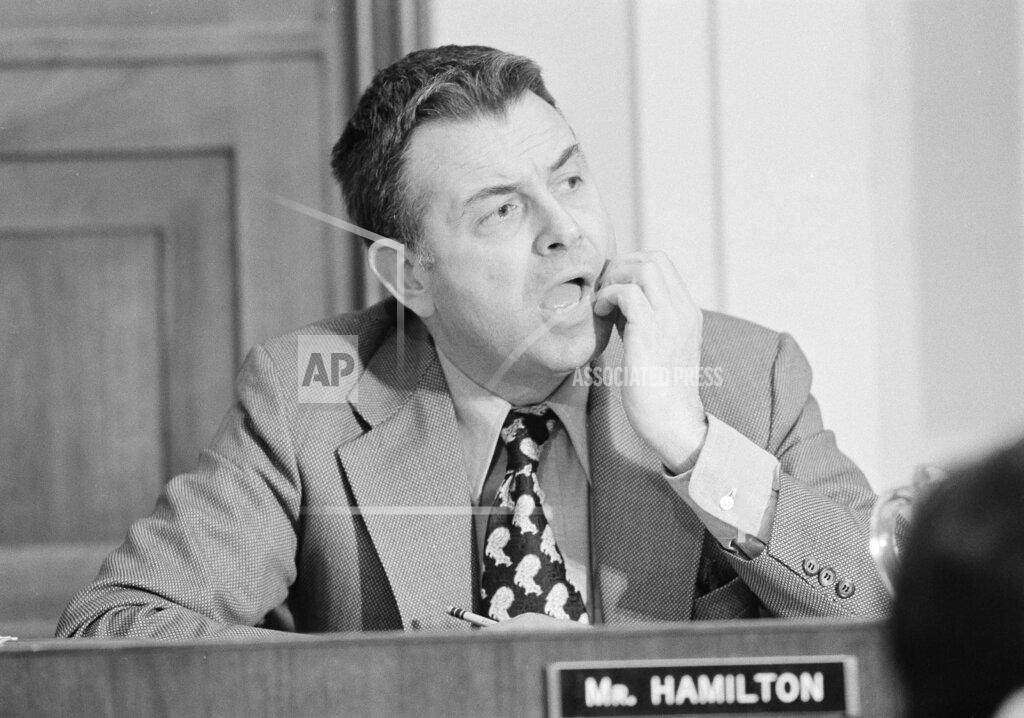
Administration-backed assistance to Cambodia received a double setback in Congress with the House Foreign Affairs Committee rejecting a proposed compromise and Senate Democrats voting overwhelmingly against additional military aid. By a vote of 18 to 15, the Foreign Affairs Committee of the House of Representatives defeated a proposal that would have made available $82.5‐ million in military aid provided that the United States committed itself to ending its involvement in Cambodia by June 30. The Administration insured the defeat of the proposal by coming out against it at the last minute. At a party caucus, Senate Democrats voted 38 to 5 against further military aid to Cambodia and 34 to 6 against further assistance to South Vietnam in the current fiscal year, ending June 30. A similar resolution was adopted yesterday by House Democrats by a vote of 189 to 49.
It was increasingly apparent that Congress was unlikely to provide any of the $222‐million requested by the Administration for the Lon Nol Government in Cambodia. There was also growing doubt that Congress would approve $300‐million for South Vietnam. The Administration has hoped that, after voting against aid for Cambodia, some members of Congress might at least feel free to support additional aid for South Vietnam. However, the issues have become intertwined, augmenting the already considerable resistance to further help for Saigon. The White House press secretary. Ron Nessen, described President Ford as “terribly disappointed” at today’s action of the House committee, but said White House officials “don’t get the feeling that this is the final parliamentary move.”
Mr. Nessen said the President still hoped Congress could be persuaded by the testimony of a Congressional delegation that recently returned from Indochina and by television pictures of the deaths in the Cambodian conflict. Blocked in the House committee, which normally supports the White House on foreign policy, the Administration now rests its hopes on the Senate Foreign Relations Committee. It will meet Monday to consider a proposal providing $125‐million to Cambodia from existing arms stockpiles without the need for a special appropriation. In view of the one‐sided position taken by the Democratic majority, it appeared unlikely that the Senate would approve such a compromise. After the caucus vote, Mike Mansfield, the majority leader, observed that any Cambodian aid “appears in difficulty” in the Senate.
Portugal’s new Military Revolutionary Council decreed the nationalization of almost all the country’s banks, excepting foreign ones, savings institutions and agricultural credit institutions. The leftist military regime had crushed what it said was a rightist plot Tuesday. The council was established Wednesday after the Government on Tuesday crushed what it called a rightist plot. Its first economic measure was decreed after a warning from President Francisco da Costa Gomes that “a hard core of opposition forces” still existed in the economy and in politics. Yesterday the government had announced arrests of leading industrialists and bankers. Today’s decree nationalizing, banks, which went far beyond anything in a three‐year economic program issued a few weeks ago, applied to all banksi except foreign ones, savings institutions and agricultural credit institutions. The announcement from the Presidents office did not mention compensation to the banks’ owners, although some compensation was expected.
Greek and Turkish Cypriot delegates met in New York with U.S. Undersecretary General Brian Urquhart to discuss resuming the Cyprus peace talks. Urquhart met briefly with Glafkos Clerides, speaker of the Cyprus House of Representatives, and Vedat Celik, spokesman for the Turkish Cypriots in the Security Council debate.
Turkey’s six-month political crisis deepened with the failure of the latest efforts by Premier Sadi Irmak to form a government. After nine days of intensive negotiations with party leaders, Irmak told newsmen his attempt to mold either a national coalition or some sort of party alliance that could win parliament’s support had failed.
Terrorists bombed a Roman Catholic-owned bar in Belfast’s northern suburbs, killing at least two persons and wounding seven, the British army reported. A spokesman said one of the dead was a woman. Earlier, British soldiers opened fire on two men they claimed were shooting at a crowd in the touchy Catholic Falls Road quarter of the city. Both were wounded, one critically, police said.
Spanish bishops proposed wide-ranging political reforms to ensure freedom of expression and assembly in a draft church document published in Madrid. The bishops’ conclusions, reached at a recent plenary session of the Spanish Roman Catholic Episcopal Conference, requested support for “profound changes in our institutions to guarantee fundamental rights for citizens, such as the right of expression and association.”
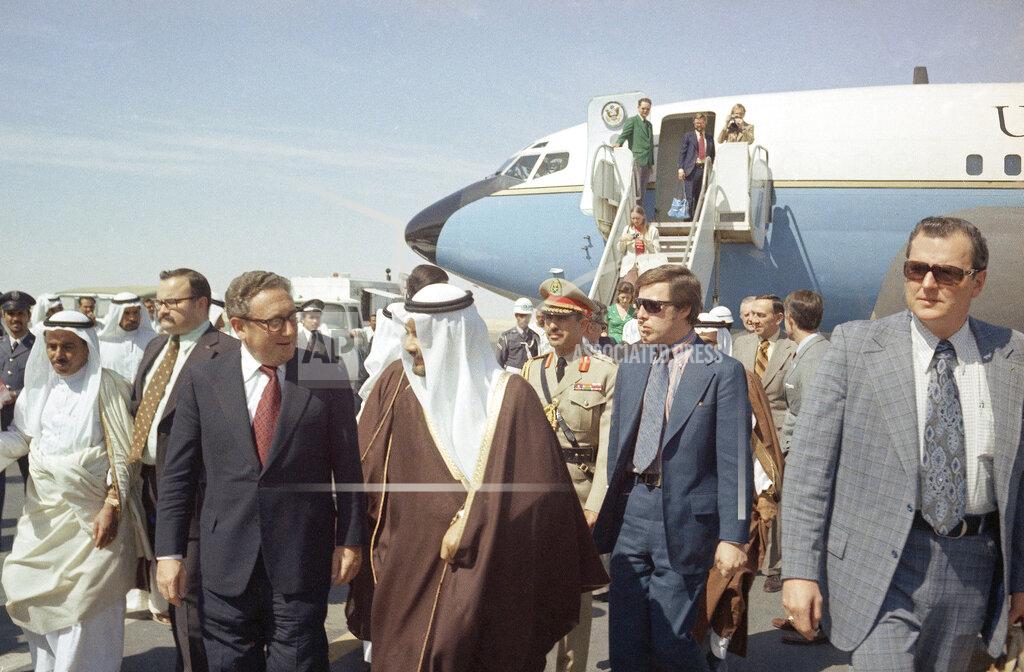
After another meeting in Aswan with President Anwar Sadat of Egypt, Secretary of State Kissinger said he had received new ideas from Mr. Sadat that should elicit responses from Israel and advance the negotiations for an Egyptian-Israeli agreement on Sinai. At a news conference with Mr. Sadat in the President’s villa, Mr. Kissinger seemed determined to alert the Israeli leaders, whom he will see tomorrow, that he had received a precise enough set of ideas from Egypt to make it possible for the two sides to begin exchanging formal proposals. In keeping with the usual secrecy surrounding the negotiations, neither Mr. Kissinger nor Mr. Sadat would divulge the exact nature of the Egyptian ideas. Mr. Sadat repeated what he said at a similar news conference last Saturday night that this “diplomatic shuttle” by Mr. Kissinger could still be “a very hard round.” Later, in the lobby of the New Cataract Hotel, where the American party is staying, Mr. Kissinger said he did not know whether the latest ideas from Mr. Sadat would be enough to insure an agreement.
Kurdish rebels and the Iraqi Government have agreed on a cease‐fire which was to begin this morning, but fighting is continuing on Mount Handran and elsewhere, Kurdish sources reported in Tehran today. There was no confirmation of the truce report from Baghdad or from the Iranian Government, which the sources reported, played a role in arranging the cease‐fire. It was to have gone into effect at 11 A.M., Iraqi time. “We have been getting reports of continued Iraqi violations of the cease‐fire,” one informant said in an interview. “Kurdish troops have been instructed to fight, only in self-defense.” By nightfall there was no indication that the fighting was winding down or that the rebel leadership was giving up. The sources said the continued fighting was on the Ruwandiz front where Iraqi tanks and troops have been trying to push along a paved highway toward Choman.
Fighting has been particularly sharp on the flanks of Mount Handran, which overlooks Ruwandiz and the highway. “There were tens of Iraqi bodies left on the battlefield today,” one informant observed. Iraqi shelling and air strikes in the area were said to be continuing. Iraqi troops launched their offensive last week after the Shah of Iran and Saddam Hussein, deputy chairman of the Iraqi junta, had signed an agreement in Algiers to end various disputes. One element of the accord is understood to be a commitment from Iran to end her support to the Kurdish rebels, which included arms, supplies and protective artillery fire. The Iranian authorities have virtually sealed the border, preventing supplies from reaching the Kurds. Nonetheless, rebels armed with small arms and with antitank weapons provided earlier by Iran managed to halt an advancing Iraqi tank column a few miles east of Ruwandiz yesterday, killing more than 100 Iraqi troops; Details of the action came from Kurdish broadcasts. The Iraqi air force has been mounting more frequent air strikes in recent days. The rebels are said to have shot down two Iraqi fighter‐bombers and one helicopter.
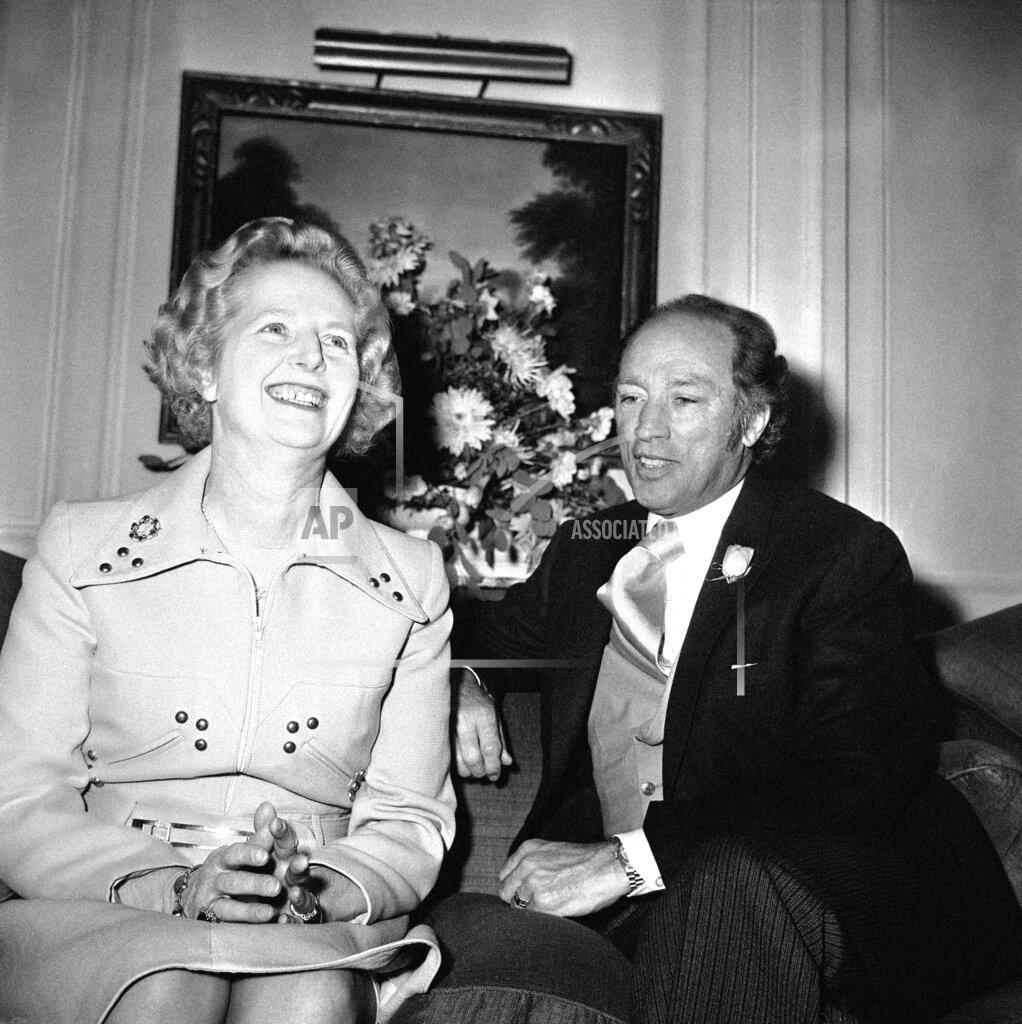
Canadian Prime Minister Pierre Elliott Trudeau said in London that he had obtained Britain’s support for what he calls a contractual link between Canada and the European Common Market. Trudeau already has received similar support from the Netherlands, West Germany and Italy. Canada is seeking a guarantee that it would be consulted before the Common Market makes decisions in areas such as investment, technology exchanges and joint development ventures.
Mexican students have seized schools, hijacked buses and staged demonstrations to call attention to grievances. Students in Guerrero state took over schools in Acapulco, Taxco, Chilpancingo and Iguala. In Durango and at Puebla, 70 miles east of Mexico City, students hijacked buses. Leftist groups in Mexico City planned demonstrations today in an attempt to prevent a visit to the National University by President Luis Echeverria.
A Brazilian military tribunal in Sao Paulo sentenced 23 persons to jail terms ranging from seven months to five years for trying to revive the banned Communist Party of Brazil. Another 16 were acquitted for lack of proof. Defense lawyers said the accused had been tortured during interrogation.
A violent and prolonged earth tremor struck central Chile, toppling walls in the provincial capital of La Serena and killing two persons and injuring six. It caused tall buildings to sway in Santiago. The tremor, which lasted one minute, was centered about 100 miles north of Santiago in the rural community of La Ligua.
Ethiopian warplanes pounded suspected guerrilla strongholds north of the Eritrean provincial capital of Asmara as hostilities in the province went into their sixth week. In Addis Ababa, the government reported the capture of Tadesse Beru, a former police general who took to the bush last month to organize armed resistance against the nation’s military rulers.
The Senate Finance Committee added a new provision to the antirecession tax-cut bill that would have the effect of cutting as much as $2,000 from the price of houses bought between April 1 and the end of the year. It is intended to stimulate the extremely depressed housing market and would apply to the purchase of a house or apartment designated as the “principal residence” of the buyer.
U.S. Senator Hubert H. Humphrey agreed to pay back taxes owed to the Internal Revenue Service, after his claim of a deduction of $199,153 for the donation of records from service as Vice President of the United States, was disallowed. Nearly a year earlier, then-President Richard M. Nixon had been disallowed a more than $450,000 deduction for his vice-presidential papers. Nixon and Humphrey had run against each other in the 1968 U.S. Presidential election. Humphrey later paid $240,000 in taxes, penalties and interest. Mr. Humphrey’s lawyer said that the objection was based on a regulation that prohibits such deductions for “gifts of a future interest” over which the donor keeps some control. Mr. Humphrey has stipulated that public access to his papers be restricted for 25 years.
The FBI is investigating the construction in Philadelphia of an $87 million, 22-story federal courthouse whose foundations are sinking into the ground. Information Director Richard Vawter of the General Services Administration said his agency was informed more than a year ago that the courthouse, being built by McCloskey & Co. and which should be finished in May, was settling on its foundation. “In September, 1973, it came to our attention during a routine monitoring,” he said. “This is not a unique thing. It is somewhat rare and we’ve taken some corrective action…”
President Ford urged both labor and industry leaders to consider “our national interest” by exercising restraint in contract negotiations this year as part of the battle against inflation and recession. He coupled that appeal with a new bid for swift congressional approval of an antirecession tax cut, saying he wanted final action by the end of the month and that “I am willing and anxious to achieve some compromise in this area. The President spoke at a Washington banquet where 200 top officials of labor and industry were gathered to observe the issuance of a new special 10-cent stamp honoring collective bargaining.
A top coal industry official said a strip-mining bill passed by the Senate would amount to a flat ban on the strip mining of vast federal coal deposits in the West. The government owns about 45 billion tons of coal in the West, about 80% of the total strip-minable reserves there, but much of this lies beneath private ranches and farms. Carl E. Bagge, president of the National Coal Association, said a provision in the bill urged the interior secretary to refrain from issuing mining leases for this coal for “methods other than underground mining techniques.” Bagge said the first time a strip-mining lease for coal under private surface was issued it would be immediately challenged by environmental groups and lead to “at least seven years of litigation.”
The new management of the Great Atlantic and Pacific Tea Company, the nation’s largest supermarket chain, will close about 1,250 of its 3,500 stores within the next 12 months as well as warehouses and distribution centers serving those stores. The company is building 160 large new supermarkets. It described the stores it would close as “small and obsolete.”
The Roman Catholic Church’s law prohibiting divorced and remarried Catholics from participating in the sacrament of Holy Communion should be changed, a priests’ organization said. The 200 delegates to the National Federation of Priests’ Councils, a four-day meeting in St. Petersburg, Florida, that just concluded, voted overwhelmingly to oppose the church law, saying that exclusion from the sacraments “no longer applies” when parties to a second marriage have shown “a sincere desire to share fully in the life of the church.” The federation represents nearly two thirds of the nation’s 60,000 Catholic priests.
The New York City cultural affairs commissioner, Irving Goldman, a long-time political crony of Mayor Abraham D. Beame, was accused of a $750,000 scheme to corrupt the Transit Authority for his own benefit. He was indicted on charges of paying bribes to have the authority reduce by $500,000 over a five-year period the rental he paid for concessions in the subways. In addition, the grand jury charged that Goldman, 66, siphoned off $250,000 from Interborough News Co., of which he was vice president, to bribe Transit police into providing special protection for the firm’s vending machines.
A nationwide strike set for Monday by 26,000 telephone equipment installers against Western Electric was called off. The Communications Workers of America took the action when the company agreed to delay the introduction of a proposed controversial absence control plan. That plan involves disciplinary action against employees who are tardy or excessively absent. A CWA spokesman said it failed to take into proper consideration mobile workers whose job assignments vary from day to day at different locations.
Elk Hills oil reserve near Taft should be available for domestic use, the House Interior Committee agreed in a unanimous vote. The move gave the secretary of the interior authority to propose plans for selling Elk Hills oil, estimated at 1.5 billion barrels, which has been kept by the government for military purposes. About 300,000 barrels a day is pumped at Elk Hills. The interior secretary’s plans would be subject to congressional approval and would have to guarantee small independent refiners an equal opportunity to bid for the oil.
Auto industry executives and members of the Ford Administration testified before a Senate commerce subcommittee that is considering two bills that would require automakers to produce more fuel-efficient cars. Spokesmen for Ford, General Motors, and Chrysler reaffirmed their intention to stick to a promise to President Ford to build higher-mileage cars by 1980 if they can. But a General Motors executive said the industry’s commitment will not reduce gasoline consumption much in the next five to eight years because it will take time eight years because it will take time for higher-milage cars to begin making up a significant proportion of the vehicles on the road.
The widespread use of rubella vaccine, licensed in this country in 1969, appears to have broken the epidemic cycle of this disease, which in its last peak 11 years ago caused severe birth defects in more than 20,000 American children, an expert on rubella said here yesterday.
“Same Time, Next Year,” starring Ellen Burstyn and Charles Grodin, a romantic comedy written by Bernard Slade, premiered on Broadway at the Brooks Atkinson Theatre and would run for 1,453 performances.
The first Chili’s restaurant was opened. The chain now has 1,400 locations.
In Las Vegas, Nevada, the late Roberto Clemente joins Roy Campanella and twelve other sports figures, living and dead, as this year’s inductees in the Black Athletes’ Hall of Fame. They wheeled Roy Campanella to the platform in a wheelchair, and he got a standing ovation from the crowd of about 700. “When I was a youngster, I never thought I’d have a chance to play in the big leagues and be inducted into a Black Athlete’s Hall of Fame. Now this has come true,” he said. The former Brooklyn Dodger catching great confined to a wheelchair after a tragic auto accident more than 15 years ago was one of 14 new inductees into the Black Athlete’s Hall of Fame Thursday night. The predominantly black audience from all parts of the country sat in a spacious, thickly carpeted hotel ballroom at a black tie-optional affair to watch the ceremony interspersed with performances by Aretha Franklin and James Brown. Posthumous awards were presented to former heavyweight champion Jack Johnson and former Pittsburgh Pirate outfield great Roberto Clemente, as well as Abe Saperstein, founder of the Harlem Globetrotters. Another posthumous award went to John Henry Lloyd called “the Mack Honus Wagner” when he played in the Mack baseball leagues between 1905 and 1931
Dow Jones Industrial Average: 762.98 (-0.71, -0.09%)
Born:
Landon Wilson, NHL right wing (Colorado Avalanche, Boston Bruins, Phoenix Coyotes, Pittsburgh Penguins, Dallas Stars), in St. Louis, Missouri.
Vanessa Nygaard, WNBA forward (Cleveland Rockers, Portland Fire, Miami Sol, Los Angeles Sparks), in Scottsdale, Arizona.
Died:
Ivo Andric, 82, Yugoslavian novelist (“Bridge on Drina”, Nobel Prize, 1961).


 History Diaries