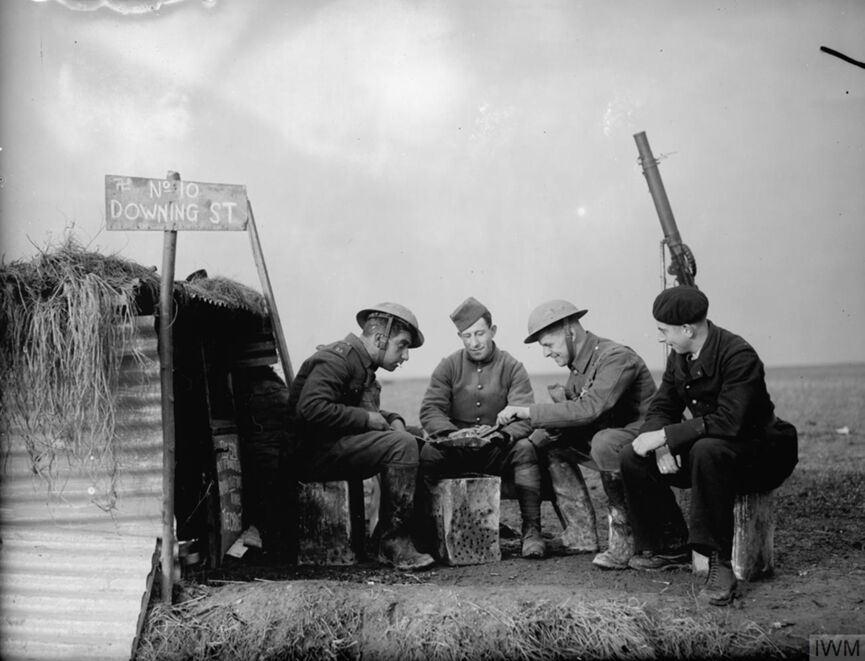
The Soviet Union canceled the Soviet–Finnish Non-Aggression Pact. In response to the Finnish government’s rejection of Soviet demands, the Soviet government denounced the Soviet-Finnish Non-Aggression Pact of 1932, noting that Finland had committed an act of aggression for the shelling of Mainila, Russia, two days prior. Finland presented a witness, a Finnish border guard, who saw that it was the Soviets who fired the mortar rounds. Finns are indignant at the Soviet charge; the idea that the little nation wants war is called ludicrous.
A Finnish investigation reveals that Soviet artillery fired the 7 shells at Mainila on November 26th. The Soviet government is informed. This is based on numerous factors, including the absence of Finnish artillery in the area and direct observation of the shelling by Finnish observers as it happened.
Orders were issued to the Red Army to invade Finland on November 30.
The British issue a warning to the Soviet Union: an attack on Finland would end trade pact talks.
Russia’s denunciation of her treaty of non-aggression with Finland was learned with misgivings in the Vatican today. It was obviously expected that Moscow would not be satisfied with Helsinki’s proposal of a bilateral withdrawal of troops from the Russo-Finnish border.
Hans Frank in Krakow orders that there be a Judenrat (Jewish council of elders) in every Polish ghetto to carry out German orders and be held responsible for actions within those ghettos.
The Daily Herald said today that Ernst Thälmann, one-time Communist leader in Germany, has been executed, according to authoritative quarters in an unnamed neutral country.
[Ed: Thälmann is not dead yet. He will die at the Buchenwald concentration camp in 1944. Thälmann’s long-time party rival Walter Ulbricht had ignored several requests for help from Thälmann’s family when the thaw in German–Soviet relations could have made a release possible, preferring to let Thälmann remain imprisoned. Thälmann spent over eleven years in solitary confinement. In August 1944, he was transferred from Bautzen prison to Buchenwald concentration camp. That same August, Heinrich Himmler took notes during a conversation with Hitler where he said: “Thälmann must be executed.” A fellow Buchenwald prisoner, Marian Zgoda, recalls hearing the shooting of Thälmann on the 18th—four days after Himmler’s curt annotation in his notes. After he was shot on Hitler’s personal order, his body was immediately cremated. Shortly after, the Nazis claimed in an announcement that, together with Rudolf Breitscheid, Thälmann had died in an Allied bombing raid on 23 August.]
Experiments in the use of a smoke-shell barrage were tried by the Germans in the “infantry and artillery action” described in yesterday’s French communique as having taken place on that day east of the Moselle.
The King of England signs orders in council extending British contraband control to German exports. The British government declares all German exports to be contraband. The British and French governments jointly announce that reprisal measures for German mining of shipping lanes without warning will take effect on 4 December 1939.
King George VI opens a new session of Parliament. King George in the uniform of an Admiral of the Fleet and Queen Elizabeth made an unceremonious visit to Westminster today to open the thirty-eighth session of Parliament since the Act of Union of 1801.
The British recall to service Adrian Carton de Wiart. He is given the rank of Major General. De Wiart is a legendary, heroic figure in the annals of the British military. He has made his home in the Pripyat Marshes in Poland between the wars and has been advising the Polish government since the start of the war. De Wiart already has had several narrow escapes from capture by the Germans before returning to England.
Twelve Bristol Blenheims of the Royal Air Force conducted a bombing raid on the German seaplane base at Borkum. Little damage was done but all the British aircraft returned safely.
The Royal Fleet Auxiliary tanker RFA Birchol ran aground off South Uist and was wrecked.
The British cargo ship Rubislaw struck a mine and sank in the North Sea 1.5 nautical miles (2.8 km) east northeast of the Tongue Lightship (United Kingdom) with the loss of 13 crew. Survivors were rescued by a Royal Navy trawler.
The SS Gustaf E. Reuter, which was torpedoed on the 27th, is still barely floating, so the RN trawler Kingston Beryl gives it the coup de grâce.
The Norwegian government purchases the US-flagged City of Flint.
The HMS Chitral lands its 11 survivors from the HMS Rawalpindi, sunk near Iceland by the Kriegsmarine pocket battleship Scharnhorst. The other survivors were picked up by the Germans.
U-47 fired one torpedo at cruiser HMS Norfolk, but failed to hit it.
British Royal Navy trawler HMS Kingston Beryl scuttled the stern section of Swedish tanker Gustaf E. Reuter in the North Sea. Gustaf E. Reuter had been attacked by German submarine U-48 on the previous day, and the bow section had sunk overnight during an unsuccessful towing attempt.
U.S. freighter Winston Salem is detained at Ramsgate, England, by British authorities.
Convoy OA.43 departs from Southend and OB.43 departs from Liverpool.
The War at Sea, Tuesday, 28 November 1939 (naval-history.net)
Destroyers SOMALI, PUNJABI and MASHONA after refueling at Sullom Voe left to join battlecruiser HOOD. Destroyers ZULU and IMOGEN were still on patrol off Stadlandet, AFRIDI, GURKHA and ISIS refueling at Sullom Voe, TARTAR departed Scapa Flow for repairs in the Clyde, and ASHANTI, after experiencing defects, was assigned to Fair Isle Channel patrol.
West of Bergen, heavy cruiser NORFOLK was attacked by U-47, but the torpedoes exploded in the cruiser’s wake and no damage was done.
Destroyer FEARLESS, her repairs completed, departed Plymouth for Liverpool to return to the Home Fleet. She left Liverpool on the 29th escorting tanker ADELLEN (7984grt) for Scapa Flow.
Anti-aircraft cruiser CURLEW arrived at Chatham.
Light cruiser NEWCASTLE arrived at Scapa Flow, departed the same day for Northern Patrol and arrived back on 6 December.
Destroyer GLOWWORM attacked a submarine contact after it was sighted by aircraft in the North Sea.
A submarine was sighted by aircraft in 59-04N, 03-30W. Destroyer KANDAHAR and two anti-submarine trawlers were dispatched to hunt for her.
Minesweeper LEDA attacked a submarine contact in 51-49N, 1-50E near convoy FN.43. Submarine TRIBUNE was in the area.
Tankers BIRCHOL and BROOMDALE departed the Clyde for Loch Ewe escorted by patrol sloops KINGFISHER and SHELDRAKE.
SHELDRAKE was a replacement for escort ship PC.74, damaged by heavy weather at Ardrossan on the 26th before departing. On the 29th, BIRCHOL ran aground on Uist in the Hebrides. Tug ENGLISHMAN was dispatched, but BIRCHOL was lost.
Convoy OA.43 ships of 13 ships departed Southend, escorted by destroyers ESCORT and ELECTRA from the 28th to 30th, and dispersed on 1 December.
Convoy OB.43 departed Liverpool escorted by destroyers MACKAY and VIMY until 1 December. Anti-submarine trawlers NORTHERN DAWN (655grt) and NORTHERN GEM (655grt) provided local escort from Liverpool.
Convoy FN.43 departed Southend, escorted by sloops PELICAN, HASTINGS and destroyer JANUS departed the Humber to cover this convoy and FS.43. FN.43 arrived at the Tyne on the 29th. There was no FN.44.
Convoy FS.43 departed the Tyne, escorted by destroyers WALLACE and WOOLSTON, which had left Rosyth on the 27th for this duty, and arrived at Southend on the 30th.
Battleship BARHAM departed Malta after a dockyard visit to correct defects, then proceeded to Port Said escorted by destroyers DAINTY and DEFENDER.
Minesweepers DUNOON and DUNDALK arrived at Gibraltar, then departed on the 29th for Plymouth, and duty in Home Waters.
French destroyers LA PALME and LE MARS collided near Salins d’Hyers during exercises. LE MARS was escorted by destroyers TORNADE and LA PALME to Salins.
Force K rendezvoused with Force H off South Africa to sweep towards Mozambique.
Australian heavy cruiser HMAS CANBERRA departed Melbourne on the 23rd and sister ship HMAS AUSTRALIA left Sydney on the 25th, escorting steamer KATOOMBA (9424grt). They patrolled off Cape Leeuwin from 28 November to 2 December.
Australian light cruiser HMAS SYDNEY departed Fremantle to patrol off the northwest coast of Australia.
Light cruiser DURBAN departed Hong Kong on patrol.
Light cruiser ORION departed Kingston on patrol and arrived back on 5 December.
Light cruiser BIRMINGHAM arrived at Hong Kong escorting French liner ANDRE LEBON (13,682grt).
President Roosevelt’s interest in the 1940 Presidential campaign was reflected in a suggestion from White House sources today that the conventions of both major parties be held at least a month and a half after the usual time for their convening. The suggestion that the conventions be called late in July or mid-August came from a source close to President Roosevelt with the explanation that the proposal had been advanced by political leaders. The reason given for the postponement was that it would save money for both parties by delaying the beginning of the campaign and spare the country the boredom which usually accompanies such fanfare.
Because the President would not attempt to suggest the date of the Republican convention, political observers interpreted the suggestion of a postponement as an implication that the Democrats were considering holding up their own convention until after the Republicans had selected a Presidential candidate and adopted a platform. Although the date of the Democratic convention for years has been fixed after the Republican gatherIng, a movement has been under way in Republican circles to hold their convention some time after the Democratic meeting. Reasoning behind the proposed delay is that the opposition party could learn ahead of time who the Democratic candidate would be as well as the party platform and be guided accordingly.
The friend of the President who made known the suggestions of political leaders that both conventions be postponed remarked that Mr. Roosevelt himself was “a late campaigner” before his first and second terms in the White House. In 1932 and again in 1936, it was recalled, the President began his campaigns in September and ended with “A Garrison finish” in late October or early November. Whether this circumstance had any bearing on Mr. Roosevelt’s plans for 1940 the White House source declined to state. It was observed, however, that it was to the President’s advantage to delay announcement of his intentions as long as possible, if only to keep a larger measure of control over his party and in Congress than otherwise might be the case.
Talk of a third term for the Chief Executive came up during his press conference today when he was reminded that he had “tossed out another piece of speculative bait” to reporters in dedicating a community center in Warm Springs the other day. He said then that his Administration had but a little more than a year to run and that the community had better request a new post office soon, since it was doubtful whether the next Administration would entertain its application.
By way of a reply Mr. Roosevelt turned to Mrs. J. Couper Lord, an old friend who sat beside him in the front seat of his open car. He asked her to witness that the reporters were having a good time. “They don’t miss a trick,” said Mrs. Lord. Mr. Roosevelt said that he had been accused by his family of taking an unholy pleasure in prompting speculation about a third term. He admitted the charge, but excused himself with the suggestion that, after all, the reporters had to send a certain number of words over the wires every day.
John D. M. Hamilton, chairman of the Republican National Committee, when told today of reports from Warm Springs, Georgia, of a suggested postponement of convention dates next year, said that President Roosevelt “is arrogating to himself a great deal of authority when he undertakes to direct when the Republican party should hold its convention.”
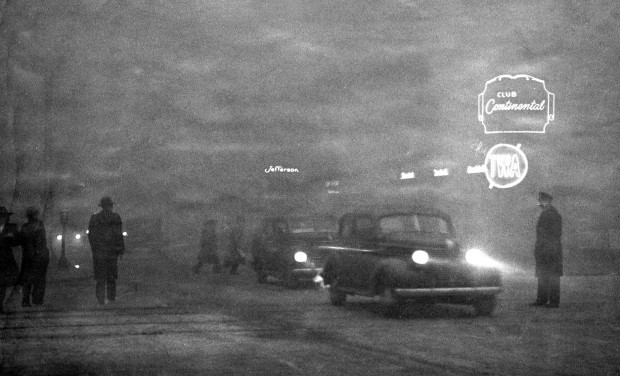
Today becomes infamous as Black Tuesday, the worst of many smoke-choked days in St. Louis’ smokiest cold-weather season. The city already is known for the nation’s filthiest air, worse even than Pittsburgh’s. The reason is the area’s reliance on cheap, dirty, high-sulfur “soft” coal dug from the hills and hollows across the Mississippi River in Illinois. St. Louis’ first anti-smoke ordinance was dated 1867 and was out obsolete. But as the city grew in population and industry, the smoke kept getting worse. This day finally prompts the city to ban the use of cheap soft coal, a hard sell during the Great Depression.
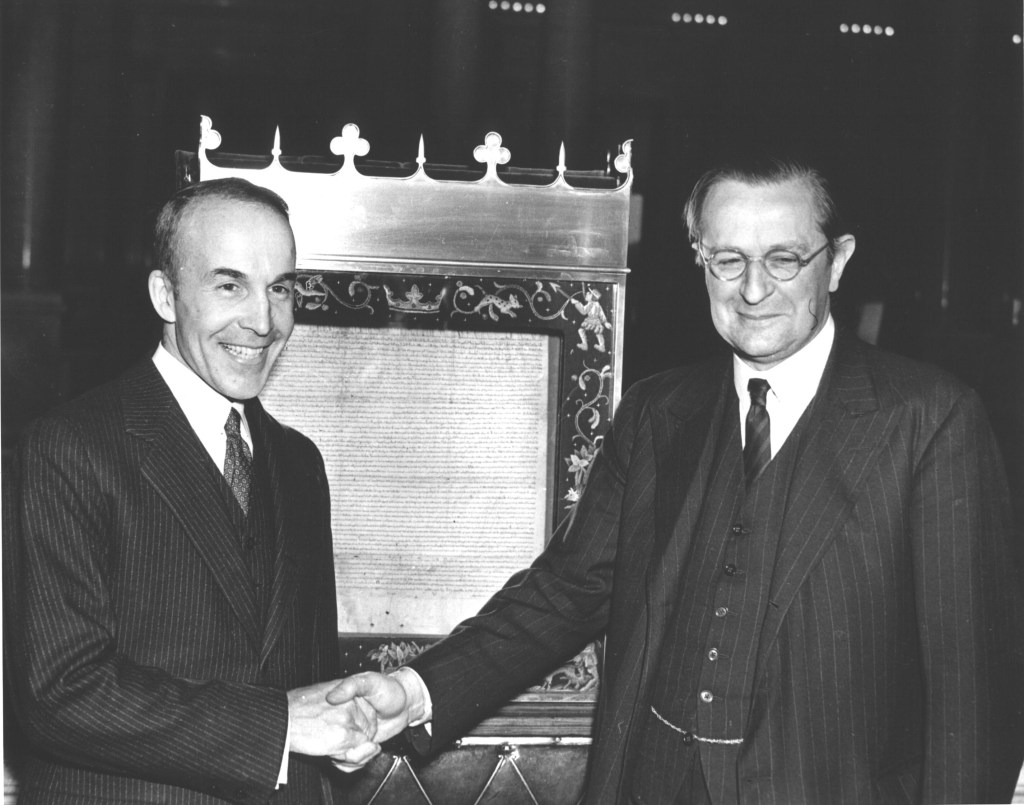
The U.S. Library of Congress gets the Magna Carta. The British ambassador puts one of four copies there for safekeeping during war. The British government ceremonially turned over a copy of Magna Carta to the Library of Congress for safekeeping during the war. The 13th century document had been brought to the United States for display during the New York World’s Fair and it was deemed too dangerous to ship it back during wartime. The decision to retain it in the United States was arranged by President Roosevelt personally. The Magna Carta is put on public display in Washington, D.C.
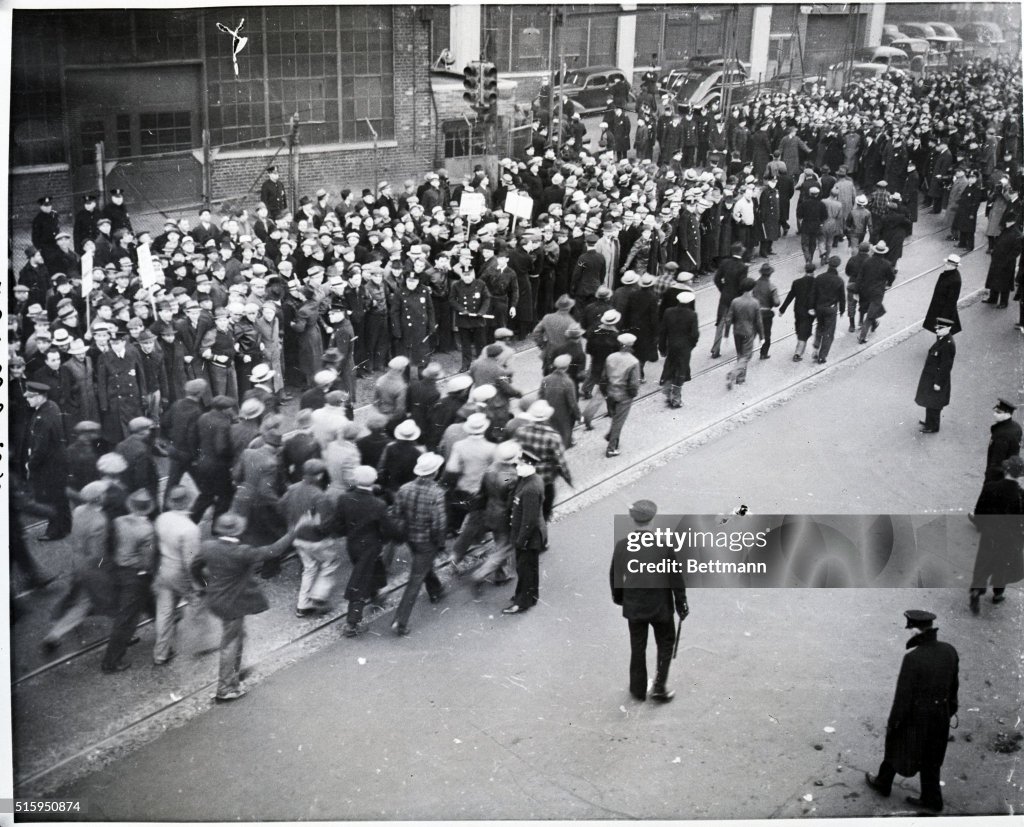
Complete agreement to end the fifty-four-day dispute between the Chrysler Corporation and the United Automobile Workers-C.I.O. was announced at midnight. The agreement is being reduced to final form for submission to the local unions tomorrow for ratification. If it is promptly ratified the corporation’s 55,000 employees will be requested to start reporting for work Thursday morning. The announcement of the agreement was made jointly tonight by K. T. Keller, president of the Chrysler Corporation; Philip Murray, vice president of the C.I.O., and James F. Dewey, Federal conciliator. The statement read: “The conferees representing Chrysler Corporation and the conferees representing the U.A.W.-C.I.O. reached an agreement tonight which is now being reduced to final form for ratification tomorrow, Wednesday, by the union’s locals.”
Senator H. Styles Bridges of New Hampshire asserted here today that if he were elected President he would see to it that Harry Bridges of San Francisco, West Coast C.I.O. leader, did not remain in the country. The Senator told a meeting sponsored by Republican organizations here that he wanted it understood he was not related to the alien labor leader. Harry Bridges was recently the defendant in an immigration hearing on the government’s contention that he should be deported to his native Australia. The government based its case on the allegation that he was a member of the Communist party. No decision has been announced.
Loudly disagreeing with most of his political theories but proclaiming with noisy cheers his right to express them, almost 1,000 Yale students gave a rousing campus welcome to Earl Browder, general secretary of the Communist Party of the USA, when he spoke today with official university sanction as guest of the undergraduate Yale Peace Council.
Reds in the United States are seen as ruled by Russia. U.S. voters believe that the Communist Party is merely an arm of the Soviet Union, a Gallup poll says. Only a small minority thinks American communists are independent of Moscow. A quarter believe the party takes all its orders directly from Moscow.
The vice chairman of the Dies Committee says he doubts the group will question the First Lady, despite her offer.
A propaganda of fear directed against refugees from racial and political intolerance is being carried on in this country. Mrs. Franklin D. Roosevelt said in a speech last night at the Hotel Roosevelt, and she would like to know where the money for the campaign is coming from. Mrs. Roosevelt addressed a dinner meeting of the Good Neighbor Committee on the Emigré and the Community, which held an all-day conference on the refugee problem in New York yesterday. An audience of more than 700 persons, including representatives of refugee-aid organizations of all major religious denominations, heard her.
Cost of living increases for those in 32 large cities are significant at 1.2 percent. New York is the hardest hit, with an increase of 2.5 percent.
One hundred dollars a plate will be charged for the Jackson Day dinner which President Roosevelt will address in Washington on January 8, according to invitations issued today.
Cleveland Indians’ third baseman Ken Keltner is turned down in Cleveland for off-season unemployment benefits.
Halfback Nile Kinnick of the University of Iowa won the Heisman Trophy. Michigan’s Tom Harmon finished second.
The Japanese attack Kaofengyi, north of Nanning, during the continuing Battle of South Kwangsi (South Guangxi). Japanese advance troops, despite rough terrain and stiffer resistance, were reported today to have progressed ten miles beyond Nanning, the Southern China military center captured Saturday. Mobile Japanese units also were reported following the Pearl River west from Nanning. Whether they intended to drive a hundred miles westward to a secondary highway that is a Chinese supply route from French Indo-China was not clear. The capture of Nanning severed one route by which the Chinese Government had obtained supplies through the French colony.
Chinese troops have fallen back to mountain defenses twenty miles north and northeast of Nanning after losing the city, a military spokesman said today. He denied that the loss of Nanning was a serious blow to the Chinese. Because of the nearness of the main Kwangsi-Indo-China highway through Nanning to the coast the Chinese had planned their communication system with the expectation that the road might someday be cut, he said. Headquarters here have received no information as yet that the Japanese are making Nanning an air base, the spokesman declared. Nanning, he revealed, had been defended by only 20,000 to 30,000 Chinese troops. He asserted that the attacking force included 40,000 to 50,000. Dispatches from Kweilin, however, say Nanning was stormed and taken by three regiments.
Japanese warplanes bomb Lanchow in China, killing ten Chinese and wounding about 100.
The Japanese ease the Tientsin blockade. American protests are the chief factor in the milder policy.
The British cargo ship Waikouaiti ran aground on Dog Island, New Zealand in dense fog and was wrecked. Her crew survived.
Dow Jones Industrial Average: 148.31 (-0.28)
Born:
Gary Troxel, American rocker (The Fleetwoods, “Come Softly To Me”), in Centralia, Washington.
Ernie Wheelwright, NFL running back (New York Giants, Atlanta Falcons, New Orleans Saints), in Columbus, Ohio (d. 2001, of cancer).
Michael Arends, German publisher, in Berlin, Nazi Germany.
Died:
James Naismith, 78, Canadian physical educator and inventor of the sport of basketball.
Naval Construction:
The Kriegsmarine (German Navy) Type 37 torpedo boat T20 is laid down by F. Schichau, Elbing, East Prussia (werk 1447).
The Royal Navy Flower-class corvettes HMS Nigella (K 19) and HMS Penstemon (K 61) are laid down by George Philip & Sons Ltd. (Dartmouth, U.K.); completed by Clark.
The Royal Navy Avenger-class escort carrier HMS Avenger (D 14) is laid down as the Type C3 merchant ship Rio Hudson by Sun Shipbuilding (Chester, U.S.A.).
The Royal Navy armed merchant cruiser HMS Pretoria Castle (F 61) is commissioned. Her first commanding officer is Captain (retired) Eric John Shelley, RN
The Royal Navy Kingfisher-class (Third Group) patrol sloop (later rated corvette) HMS Pintail (L 21; later K 21) is commissioned. Her first commanding officer is Lieutenant Commander Thomas Harry Hill-Walker, RN.
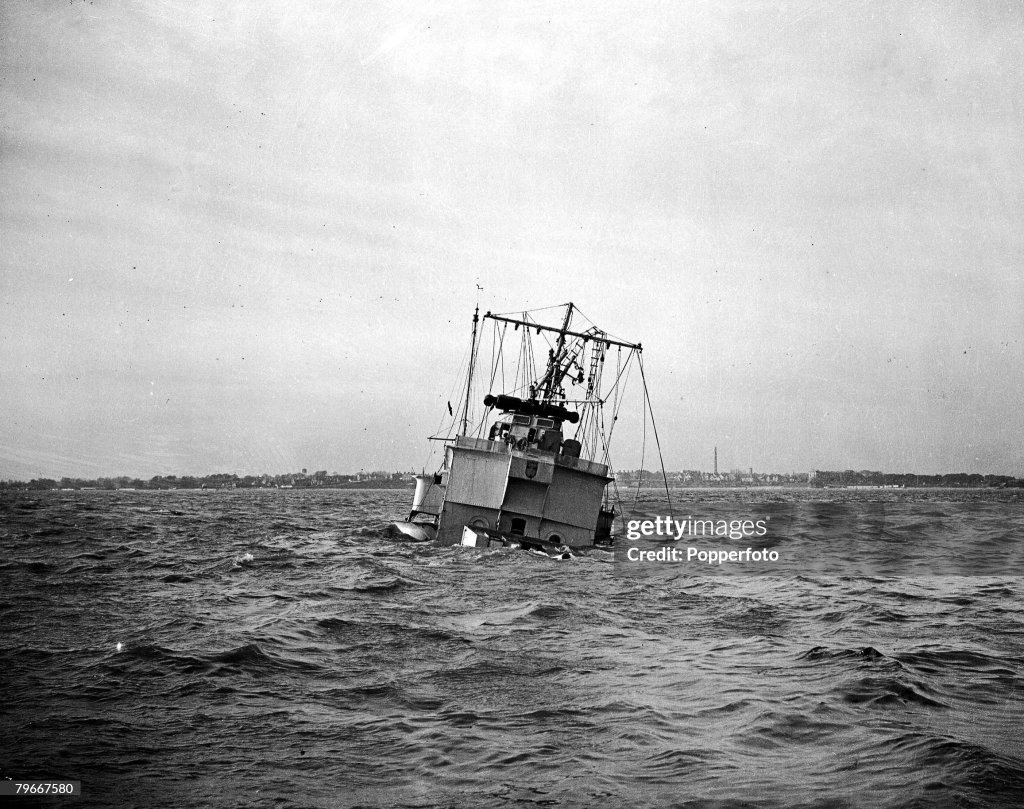
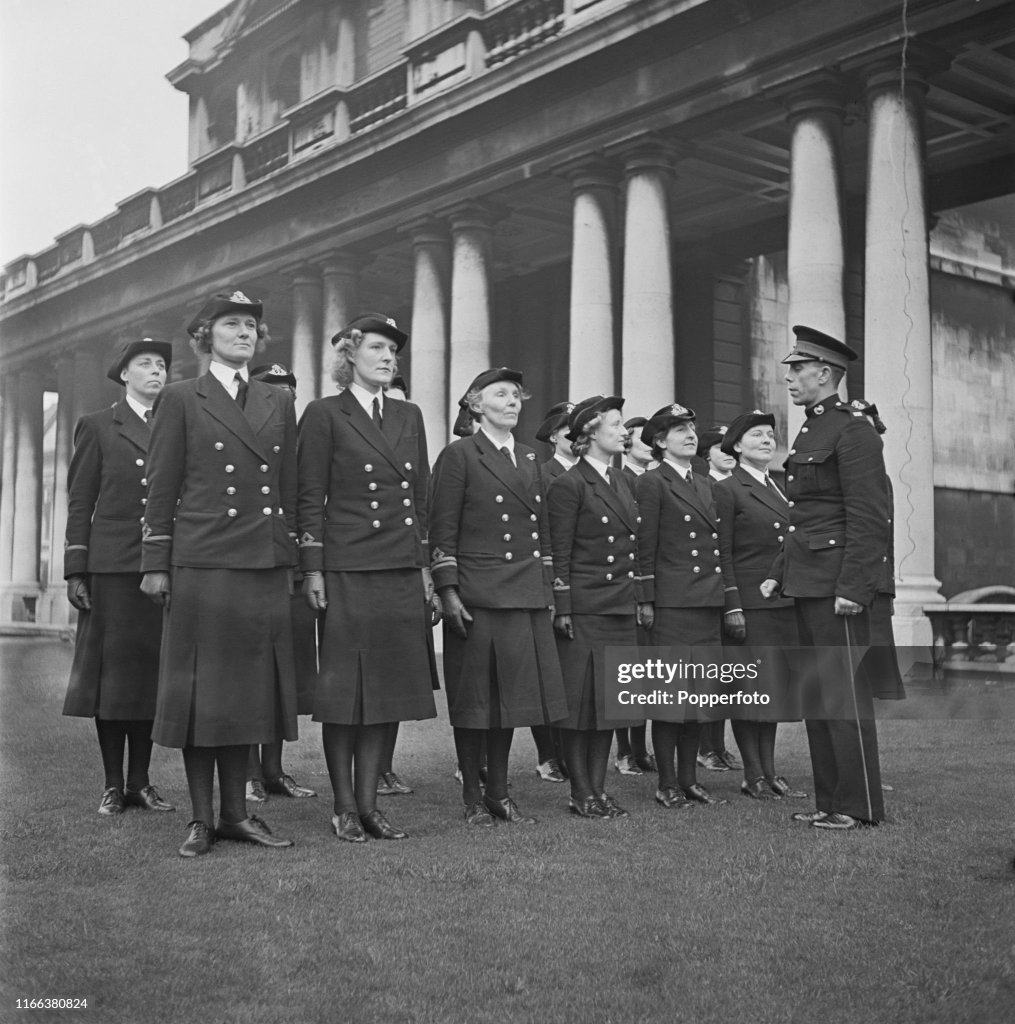
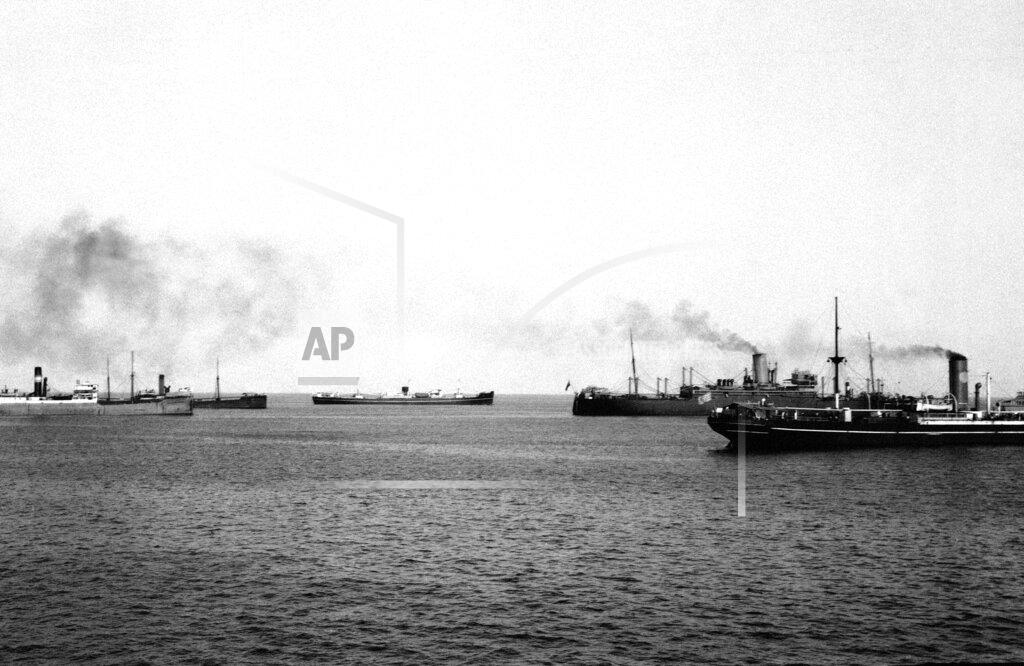
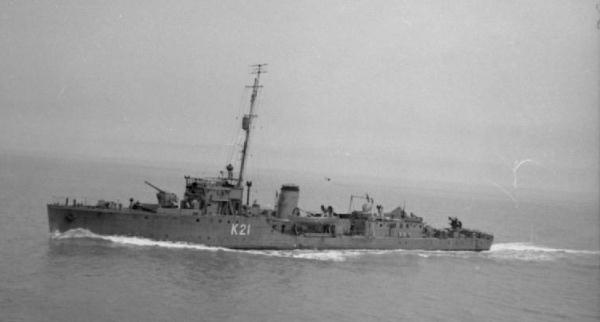
Lost 10 June 1941. Mined in the Humber estuary on 10 June 1941 some 28 nautical miles east-south-east of Spurn Point in position 53º30’536″N, 00º52’625″E.
On 10 June 1941, the Harwich based patrol vessel HMS Pintail was escorting a convoy near 62-Buoy some 30 miles off the Humber when the steamship Royal Scot detonated an acoustic mine, blew up and sank. Pintail immediately dashed to the scene to help in the rescue, but she was also caught out by an acoustic mine, close to the steamship. HMS Pintail blew up and was lost almost immediately, instantly killing her Commanding Officer, Lt. John Leopold Elphinstone McClintock, RN, six-officers and forty-eight ratings.
Lt.Cdr. D.J.L. Heber-Percy, RN, Commanding Officer of HMS Quantock, a destroyer also based at Harwich, which was passing with another convoy, reported later, “It was the most dreadful sight that I had ever seen. It did not seem possible that there could be any survivors”. HMS Quantock and HNoMS Sleipner however, did manage to rescue one-third of her crew, twenty-two in all.
 History Diaries