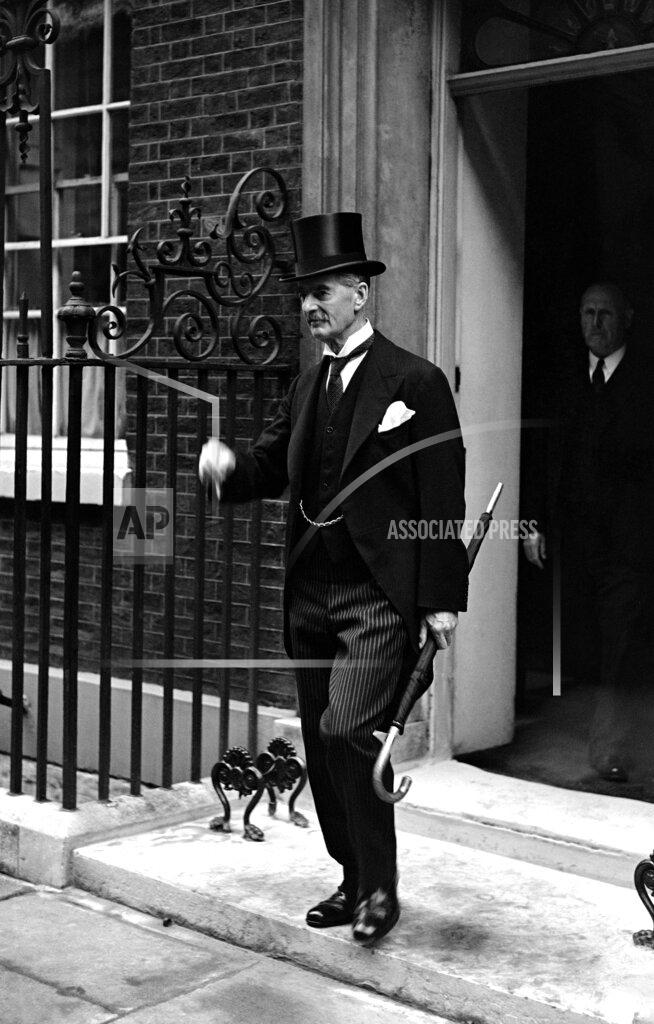
The Parliament of the United Kingdom passed the Emergency Powers (Defence) Act, giving the government broad powers in order to conduct war effectively. The British parliament meets in a special session and votes the Chamberlain government almost dictatorial powers to deal with the Danzig-Polish crisis (The Emergency Powers Act). At the same time, British and Polish representatives sign a mutual assistance pact. The British government wants to demonstrate its support of Poland to deter a German invasion and the Polish government begins to call up reserves.
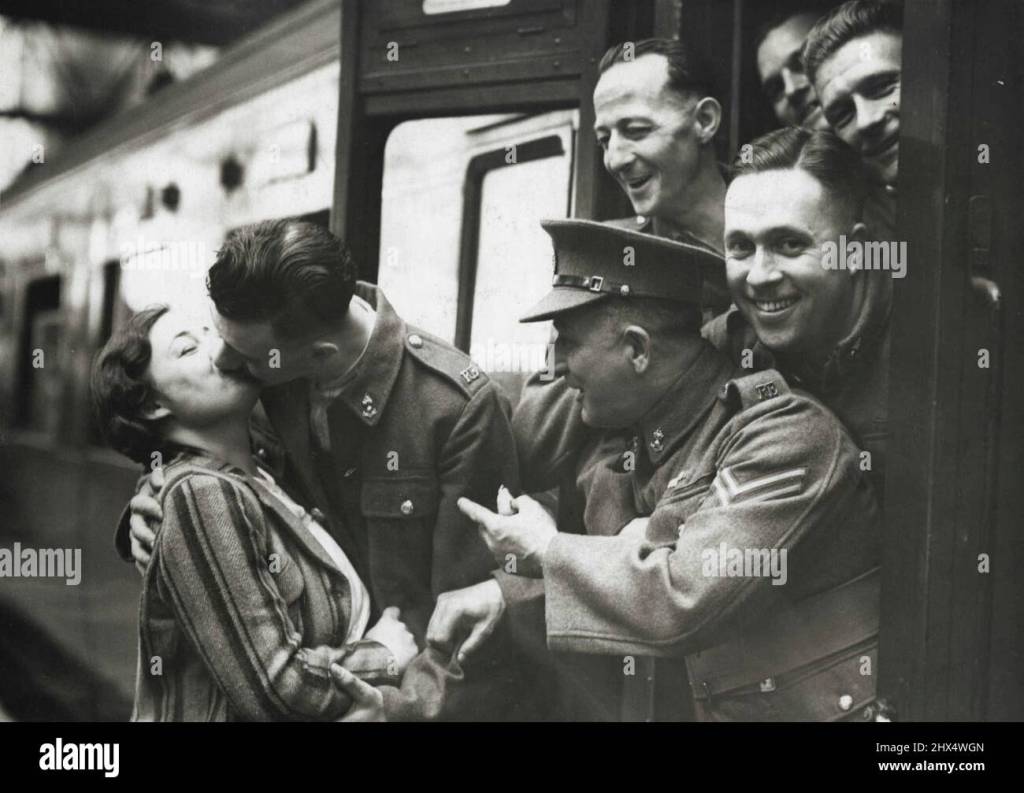
Royal Assent is given on the same day and the Royal Navy is ordered to war stations. Soon afterward a general mobilization begins.
Again proclaiming Britain’s instant readiness to go to war with all her power in the event of an attack upon Poland, both Prime Minister Chamberlain, in the House of Commons today, and Viscount Halifax, the Foreign Secretary, in a radio speech to a worldwide audience tonight, expressed hopes that war might be averted by direct negotiations between Berlin and Warsaw.
Parliament has seldom been more united in all its long history than it was today when Mr. Chamberlain asked it to pass a bill giving the government emergency powers to rule the country by Orders in Council whenever necessary. The bill was rushed through all its stages without opposition and late tonight it received royal assent. Mr. Chamberlain revealed to the Commons that in his communication to Chancellor Hitler yesterday he had suggested “a truce on all sides, to press campaigns and all other forms of incitement.” If this could be accomplished, he explained today, negotiations upon “the points at issue” might become possible.
“The catastrophe has not yet come upon us,” added Mr. Chamberlain, who sounded cool and unemotional, as usual. “We must therefore still hope that reason and sanity may find a way to reassert themselves.” Later it was rumored in the lobbies at Westminster that a fuller version of Herr Hitler’s reply to the British Ambassador yesterday had opened the possibility of negotiation, although the reply was brusque and uncompromising in tone. If the rumor was true, it might explain a passage in Mr. Chamberlain’s speech asking the Commons to excuse him from giving further details of Herr Hitler’s reply “in view of the delicacy of the situation.”
Western Approaches Command opens at Devonport.
RAF Coastal Command begins regular patrols of the North Sea as part of a General Mobilization of the RAF.
Royal Auxiliary Air Force and Royal Air Force Volunteer Reserve embodied (merged into the RAF and brought to active service).
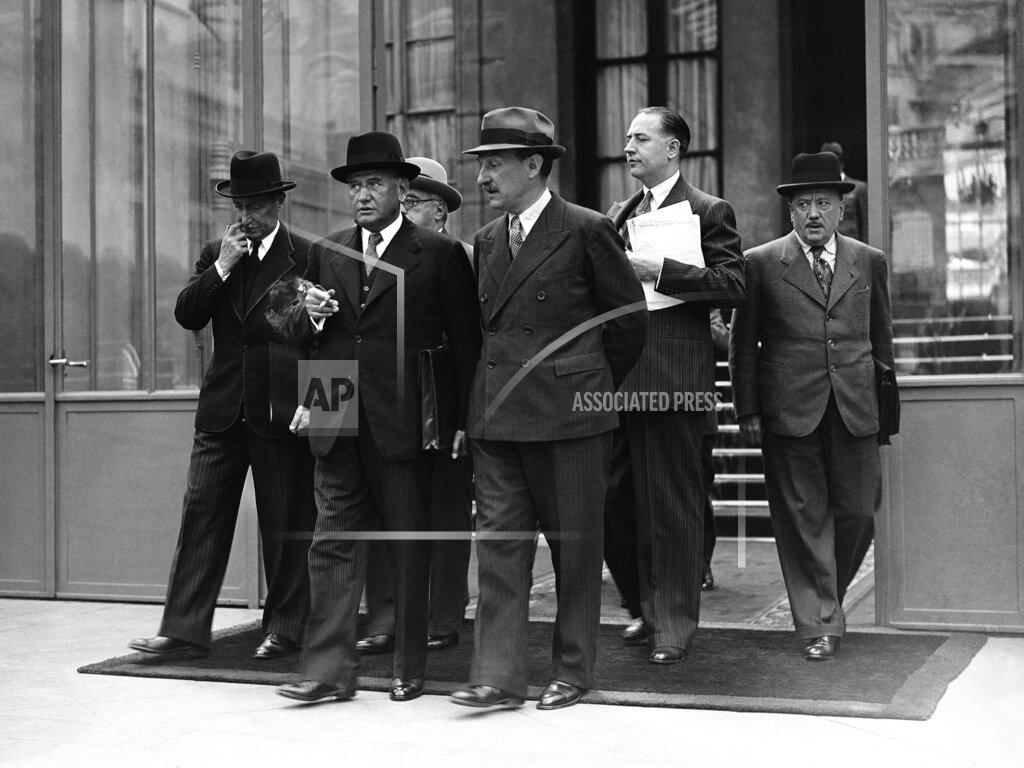
Frenchmen pour to the front lines; more reservists are called up. Today more than 1,500,000 men stand guard along the French frontiers from the North Sea to the Mediterranean, hoping there will not be war but prepared if it should come to fight for liberty as their ancestors did at Valmy and Verdun. There has been no excitement, no fuss, no disturbance and no more than private emotion. To the number of those whose mobilization papers bear the numbers 3 and 4, who were called up Wednesday night, were added all those who live on the frontiers and are ranked as number 2. These men automatically move into the Maginot Line at the point nearest their homes. The National Railway Company last night issued a statement saying all preparations had been made to handle traffic leaving Paris, so that all persons desiring to leave this capital would be able to do so. The government suggested that only those who had important reasons should remain in Paris.
French Ambassador to Poland Léon Noël informs French Minister for Foreign Affairs M. Georges Bonnet that German-Polish incidents are becoming more frequent owing to German provocation.
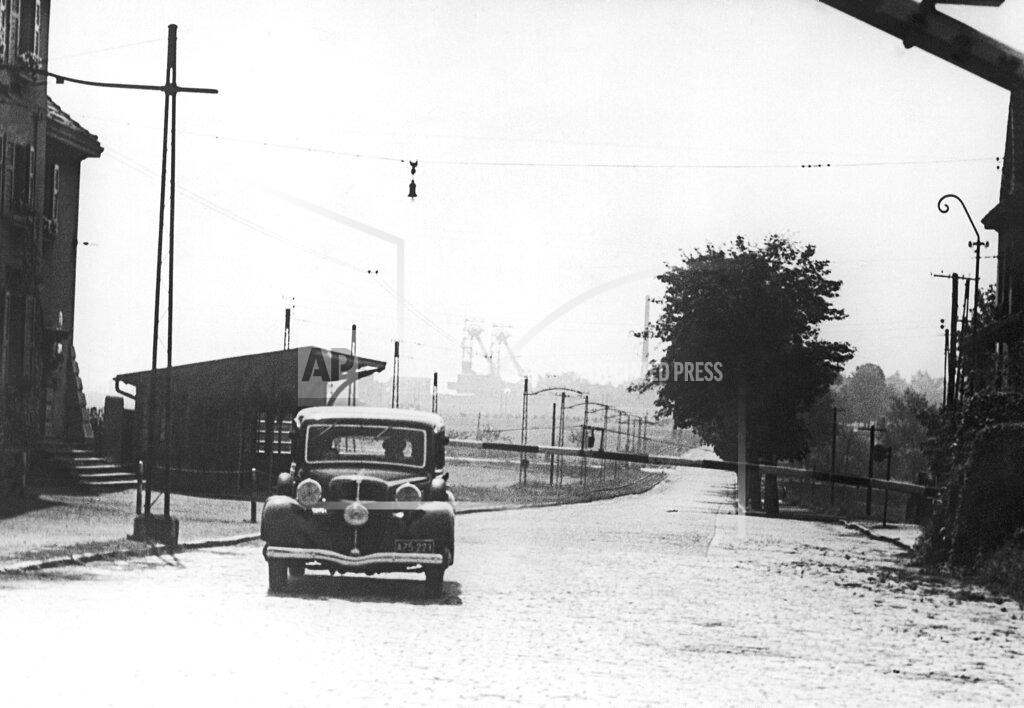
Danzig soldiers march to the border. SS men guard bridges and the frontier is partly closed. Tension in Danzig reached a fever pitch today. This once-peaceful coastal city was transformed overnight into a veritable beehive of ominous activity. Every bridge in Free State territory is being guarded by an SS man with his rifle slung over his shoulder. Deputy policemen, called up for duty yesterday morning, are patrolling the streets. Army automobiles and trucks crossed the town’s narrow streets all day and late at night groups of singing soldiers were marching toward the border. The foreign diplomatic missions are in the last stages of preparations before leaving. In the British Consulate secret documents. are being burned. All foreigners with the exception of diplomatic staff, and three American and Lithuanian newspaper men have left the city. Even Danzig citizens are sending their wives and children across the border into Germany and it has been nearly impossible to get a taxi since most of them are busy transporting refugees across the frontier.
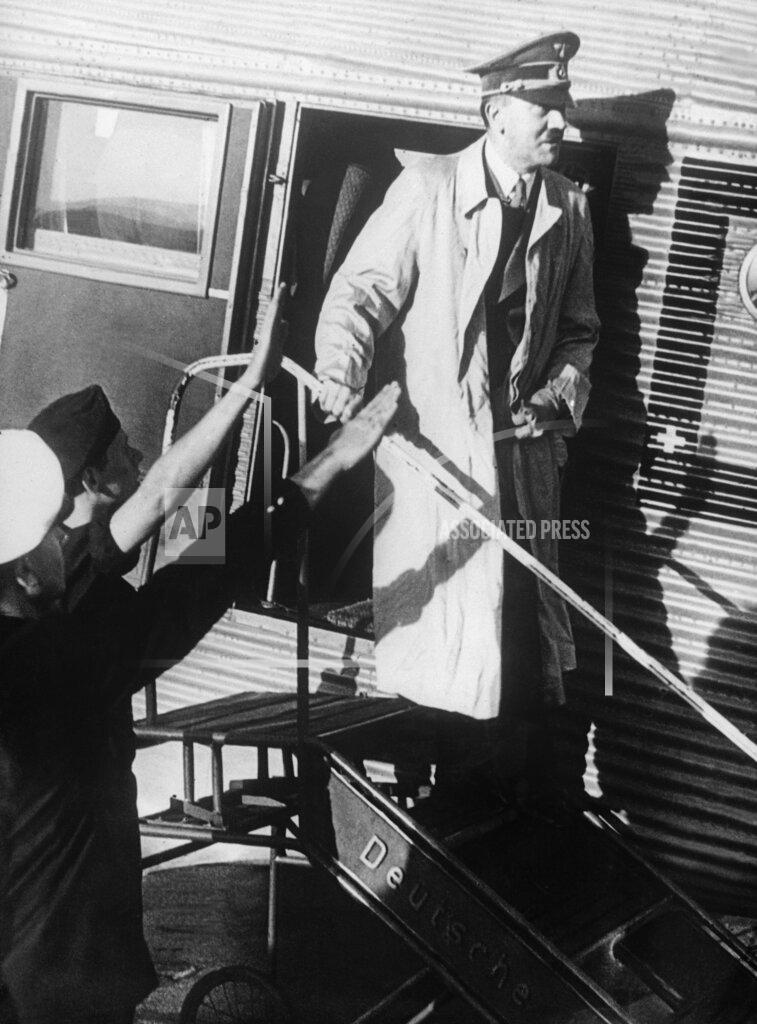
Hitler lays plans with close associates for the partition of Poland; Danzig is the first step. Hitler orders the army to be ready.
By decree the Danzig Senate makes Albert Forster, the leader of the National Socialists in Danzig, the “supreme head” of Danzig. While all European countries were rushing warlike preparations as if the continent stood on the brink of a major war conflict, Chancellor Hitler last night took the first step toward the reincorporation of Danzig into the Reich as, it is now frankly admitted, a preliminary to the partition of Poland and the reorganization of all Eastern Europe by National Socialist Germany and Bolshevist Russia. This step, coming within twelve hours of the signing of the Russo-German non-aggression and consultative pact, was taken on scheduled time when the German Army had been ordered to be ready for all eventualities. It was taken in characteristically legalistic fashion. Just before yesterday noon the Danzig Senate announced a law, dated and effective Wednesday that merely states:
“The Gauleiter [Albert Forster] is the supreme head of the State of the Free City of Danzig.” On its face this appears to be a purely technical act that merely legalizes the existing situation; but in the German interpretation, it means the proclamation of Danzig’s complete independence from all special regulations resulting from the Versailles treaty and particularly from all ties and obligations to Poland. No doubt is left that this is purely a preliminary act to permitting Herr Forster to play Arthur Seyss-Inquart’s role in Austria and by calling on Herr Hitler for help to pave the way for the perfectly “legal” Anschluss of Danzig to the Reich, which may be expected at any time.
With that Herr Hitler has thrown down the gauntlet to Poland, which has always proclaimed that she will fight rather than surrender her economic rights in Danzig, and also to Britain and France, which are pledged to go to war to aid Poland if Poland fights. The immediate course of events, therefore, depends on what Poland proposes to do, and her action will depend on what France and Britain do. Just what that will be still is not clear, but the German press reports in banner headlines that Poland is mobilizing and has closed her border to Danzig and that a mixed Polish division, containing three infantry regiments and one artillery regiment, has surrounded Danzig from the south and west.
Reich troops mass on the west border. Switzerland and Belgium note the heavy concentration. Dispatches to the Paris press from both Belgium and Switzerland tonight report heavy concentrations of German troops along their frontiers and measures for defense taken by both neutral countries. Berne reports say that the whole region along the Swiss frontier from Austria to the Westwall is occupied by Reich forces that have been increasing in numbers since yesterday.
From Brussels come reports that the whole German line of fortifications facing the Belgian border is fully manned. Heavy traffic has been noted on the roads from all approaches. Numerous artillery detachments are reported to have moved into the sector of Petergensfeld near Raeren. In the region of St. Vith, all is reported quiet. On the Germany-Luxembourg front it is stated that German regular troops have been withdrawn from the fortifications and replaced by reservists.
The German Panzerschiffe (Pocket Battleship) “Deutschland” sails from Wilhelmshaven in preparation for raider activities in the North Atlantic in the event of a declaration of war.
Poland brought a large part of its army to mobilization strength in response to German military preparations.
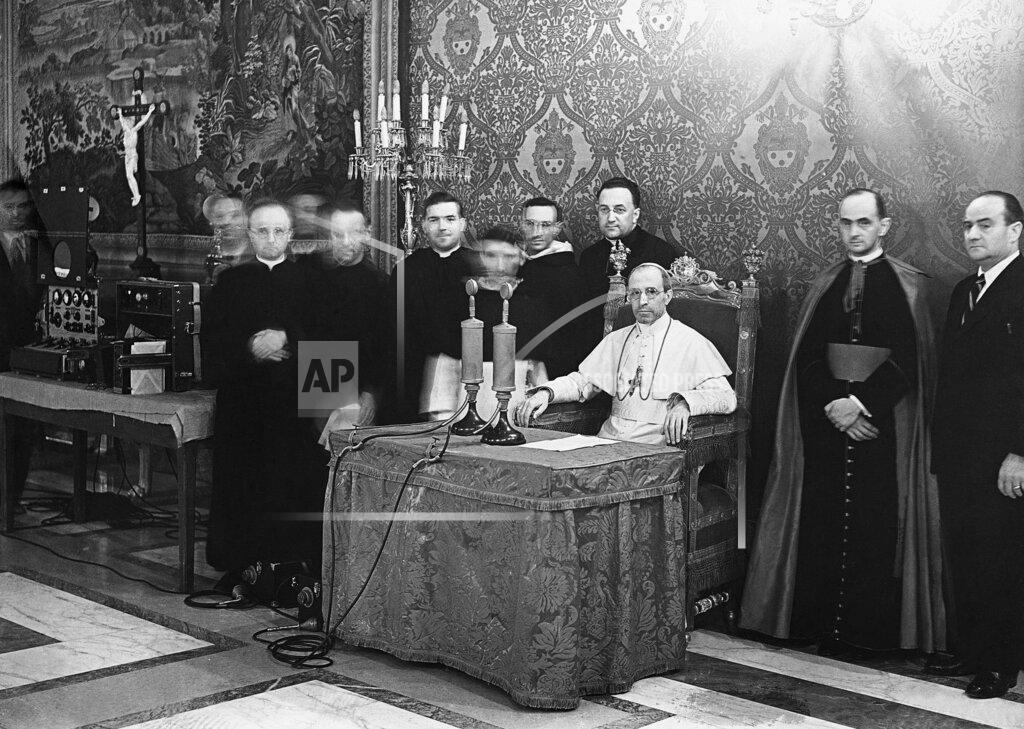
Pope Pius XII made a radio address to the entire world pleading for peace. “The danger is imminent, but there is yet time”, the pontiff said. “Nothing is lost with peace; all may be with war. Let men return to mutual understanding. Let them begin negotiations anew. Conferring with goodwill and with respect for reciprocal rights they will find that to sincere and conscientious negotiators, an honourable solution is never precluded.”.
Hermann Göring asked Birger Dahlerus to go to London as an unofficial envoy and tell the British to enter negotiations as soon as possible. Over the next several days Dahlerus would shuttle back and forth between London and Berlin relaying “off the record” messages separate from those delivered through official channels.
The increasingly gloomy European outlook resulted in the quick dissolution of the conference of the Oslo group of powers today. All six Foreign Ministers present, after a hurried exchange of views this morning, left by plane for their respective capitals.
Spain looks to Italy as a leader in crisis. Generalissimo Francisco Franco and his ministers examined the international situation at Burgos during the night but no announcement of their attitude was issued.
A bomb kills five in Coventry, England. The Irish Republican Army is responsible.
Egyptians remain calm; Germans and Italians flee from the country.
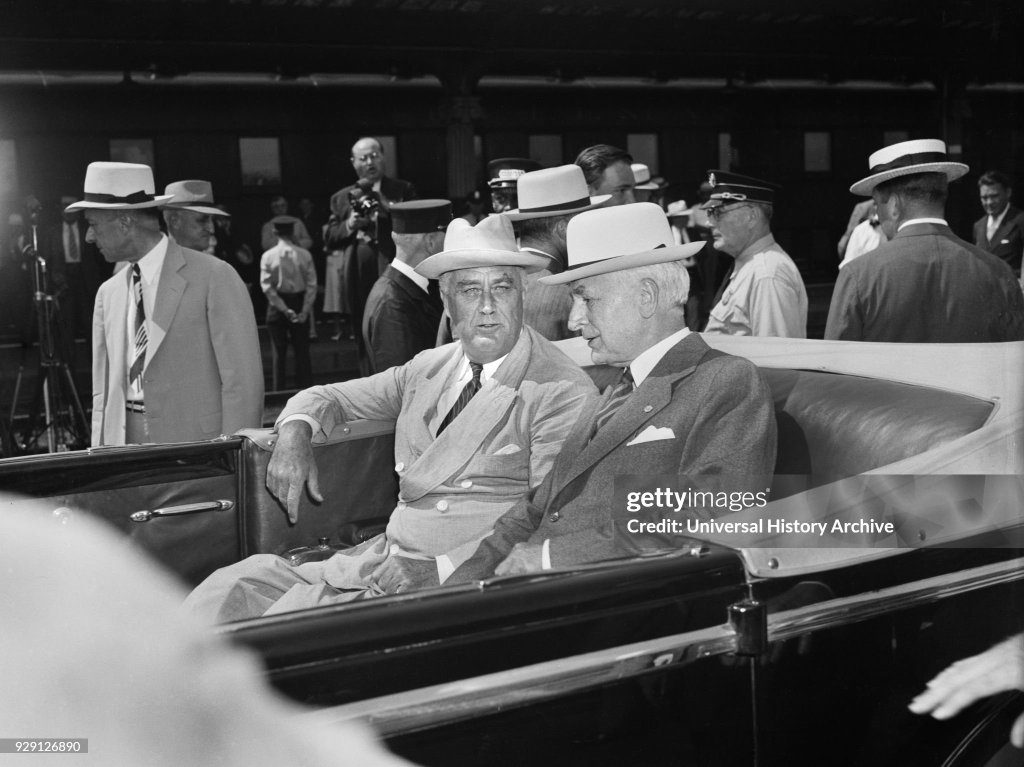
President Roosevelt appealed to King Victor Emmanuel III of Italy “to formulate proposals for a pacific solution of the present crisis.” He also made appeals for peace to Adolf Hitler and Poland’s President Ignacy Mościcki. President Roosevelt, after his dramatic dash back to the Capital today, dispatched three appeals for the preservation of the world’s peace — to Chancellor Adolf Hitler of Germany, President Mościcki of Poland, and King Victor Emmanuel of Italy. It was evident that Mr. Roosevelt was acting under the greatest urgency and in the belief that war was merely a matter of hours, unless some extraordinary effort was made to avoid it. The chiefs of State of Germany and Poland were addressed as protagonists in a quarrel of worldwide implications. They were asked to adopt one of three possible pacific procedures as follows:
- Direct settlement of their differences by the governments of Germany and Poland.
- Arbitration of the issues involved.
- Conciliation by a disinterested third party such as “one of the traditionally neutral States, or a republic of the Western Hemisphere wholly removed from the area and issues of the present crisis.”
Earlier in the day the President had cabled to King Victor Emmanuel, asking him to exercise Italy’s influence for the preservation of peace. The President based his approach on the traditional friendship between this country and Italy and their common concept of Christianity. Implicit in the President’s messages to Chancellor Hitler and President Mościcki, according to the interpretation placed on it in White House circles, was the condition. that there must be no settlement of the current crisis along the lines. of the Munich agreement of last September. They pointed to the portion of the message that said that, if a settlement could be reached by any of the three methods suggested, “each nation will agree to accord complete respect to the independence and territorial integrity of the other.”
According to these interpreters, this clause was written into the Presidential appeal in full knowledge and memory of the consequences that followed the arrangements made at Munich, when Chancellor Hitler accepted the “return” of the Sudetenland to the Greater German Reich with the understanding that the remainder of Czecho-Slovakia should be permitted to work out its own destiny. Within a few months, however, Bohemia and Moravia had been swallowed up and Slovakia was a protectorate of Germany.
The communication to the Italian King was made public by the State Department before President Roosevelt had reached Washington, after his sudden dash back to the country from his cruise in the North Atlantic. Announcement of the appeals to Germany and Poland, however, was delayed until nearly midnight. It followed protracted discussions during the day between the President and his principal advisers on foreign affairs.
Precautionary measures to protect United States markets from the shock of sudden hostilities in Europe are as ready for an emergency as government officials can make them, John W. Hanes, Acting Secretary of the Treasury, declared today. “The machinery is ready to meet any conceivable contingency,” he asserted at his weekly press conference.
With developments moving so rapidly and unexpectedly abroad the preparations were necessarily on an hourly basis, he declared. He stated the objectives of the plans were to “keep the markets open” with “business as usual.” The Acting Secretary, who said he has been in daily communication with Secretary Morgenthau, now vacationing in Sweden, also made. public what he described as the best figures the government could get on the extent of foreign investments in the United States and American investments abroad.
Of major importance in an emergency would be the foreign assets here, which Mr. Hanes said were estimated to amount to about $9,500,000,000, of which $6,600,000,000 are held by European interests. Most volatile of these foreign investments are in stocks and bonds, of which foreigners held about $4,000,000,000 as of December 31, $2,700,000,000 of them being held by Europeans, and short-term banking funds, which he said amounted at a recent date to $2,600,000,000, of which $1,700,000,000 was European, according to Mr. Hanes’s figures.
Fifty-nine thousand Americans known to be in the countries most likely to be affected by any European conflict have been advised by State Department officials to come on home—along with unknown thousands of tourists.
Mobster Louis (Lepke) Buchalter, object of an intensive, international manhunt by New York City and Federal authorities for the last two years, surrendered shortly after 10 o’clock last night at an undisclosed place in Manhattan to J. Edgar Hoover, head of the Federal Bureau of Investigation.
The U.S. Navy is ready to put Navy Yards where naval construction is under way on a 24-hour work basis the moment President Roosevelt gives the word.
Assignment of U.S. Navy medical officers to BuAer is approved for the purpose of establishing an Aviation Medical Research Unit.
Make that 4x. Jimmie Foxx strikes out four times as the Boston Red Sox lose to the Chicago White Sox, 3–1. Johnny Rigney holds the Bosox to six hits, and wins his 8th in a row and will win another 3 before losing on September 10.
Charlie Gehringer, rapping out three singles and a double in five trips to the plate, paced the Detroit Tigers to an 8–1 victory over the Washington Senators in the series opener today. He batted in two runs and scored twice himself. Paul Trout, Detroit right-hander, scattered eight Washington hits.
The New York Yankees score four runs in the seventh inning, and two more in both the eighth and ninth, and beat the St. Louis Browns, 11–5. The Yankees have now won five in a row.
The rejuvenated Cleveland Indians came back to the plate with a vengeance today, handing the Philadelphia Athletics double disaster with 10–2 and 17–2 trouncings in a double-header.
The Brooklyn Dodgers won their fifth straight game, downing the Cincinnati Reds, 4–2. Al Todd hit his fourth home run of the year in the sixth, after the Dodgers scored three in the fifth. Cincinnati still holds a 5½-game lead in the National League pennant race.
Virgil (Spud) Davis’s double in the sixth, clearing the bases, started a rally tonight which gave the Philadelphia Phillies a 6–5 victory over the St. Louis Cardinals. An inning later, Milt Suhr’s triple brought in the winning run.
Max Butcher hurls a six-hitter and the Pittsburgh Pirates beat the New York Giants, 6–3. Elbie Fletcher had a two-run homer for the Pirates. Frank Demaree tallied two doubles for the Giants.
Claude Passeau won his twelfth game of the season today as the Chicago Cubs defeated the Boston Bees, 6–1, although they made only seven hits off Boston’s Lefty Joe Sullivan.
Canada is set to aid the British. The Cabinet is unanimous in its policy; only the extent of aid remains to be decided.
The Brazilian cargo ship Lages ran aground at Rosario, Argentina. She was refloated on 27 August.
While thousands stood in reverent silence this morning along the mile-long route from his home to the cathedral in La Paz, the body of Bolivian President German Busch in a coffin draped in the Bolivian flag was borne on the shoulders of Cabinet members to lie in state.
Britain warns families to leave Hong Kong; the harbor entrance is partially mined and heavy guns are moved to the frontier. A government broadcast tonight advised British-born families not belonging to members of the fighting forces to evacuate Hong Kong “while the going was good” because the Hong Kong fortress and government would be forced to order an evacuation at a moment’s notice under a threat of war. The evacuation plans envisage Singapore and its hinterland as the first resort. Although the Philippines is preferred by many it is considered here that refugee Britons would not be welcomed there. The radio announcement did not mention those of mixed Chinese and British blood, of whom there are several thousand here, but it mentioned Anglo-Indians as persons who would be evacuated. The Netherlands Consul General broadcast a request to the Netherlands nationals to register. Ships to Australia, Manila and Singapore are booked full. The food supply committee and the internal defense services are functioning here.
Governor Sir Geoffry A. S. Northcote in a broadcast tonight advised all women and children to leave this British Crown colony “while it is still possible.” He said a general evacuation order might become necessary. All who could obtain passage left the colony today on three Manilabound steamers. Most of those leaving were Germans and middle Europeans.
There is increasing danger of epidemics in flooded Tientsin. The Hai River continues to rise and the bodies of Chinese are being seen in growing numbers. The U.S. Marines and Japanese are both working to limit the danger of an epidemic.
A Cabinet shake-up is likely in Japan. A new policy of isolation also brings in a clean slate of domestic administration. The “clean slate” with which Japan intends to start her new foreign policy is also being adopted in the domestic administration. Former Premier Prince Fumimaro Konoye and the present Premier, Baron Kiichiro Hiranuma, were today the central figures in those consultations and conversations in high quarters that, in Japan, indicate that important changes are imminent. Premier Hiranuma is expected to announce his decision at a special Cabinet meeting tomorrow or Saturday.
The Emperor will return to the capital on Saturday. Prince Konoye saw the Emperor this morning and submitted nominations for the vacancies on the Privy Council. Premier Hiranuma conferred successively and separately with Foreign Minister Hachiro Arita, Navy Minister Admiral Mitsumasa Yonail and Finance Minister Sotaro Ishiwatari. At these interviews, in the cautious terminology that the press now uses, Premier Hiranuma “completed preparations for a Cabinet meeting at which, it is held, he will announce his decision regarding measures to cope with the European situation.” The newspaper Nichi Nichi adds that “in order to carry out a new foreign policy, a new internal structure will be necessary.”
Dow Jones Industrial Average: 131.33 (-0.49).
Born:
Rick Joseph, Dominican MLB pinch hitter, third abseman, and first baseman (Kansas City A’s, Philadelphia Phillies), in San Pedro de Macoris, Dominican Republic (d. 1979, of complications from diabetes).
Died:
William Moule, Australian lawyer, politician and cricketer (Australia v England 1880
Naval Construction:
The Royal Navy Halcyon-class (Third Group) minesweeper HMS Britomart (J 22) is commissioned. Her first commanding officer is Lieutenant Commander Eric P. Hinton, RN.
The Koninklijke Marine (Royal Netherlands Navy) sloop HrMs (HNMS) Van Kinsbergen (U 93), sole ship of her class, is commissioned. Her first commanding officer is Kapitein-Luitenant ter Zee (Cdr.) John L. K. Hoeke, RNN.
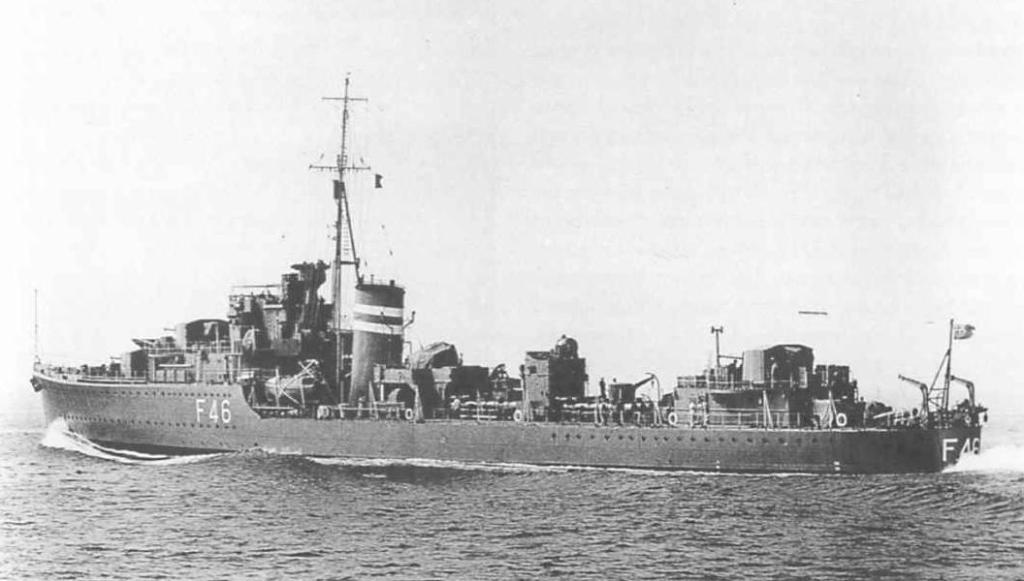
The Royal Navy “J”-class destroyer HMS Juno (F 46) is commissioned. Her first commanding officer is Commander William E. Wilson, RN.


 History Diaries