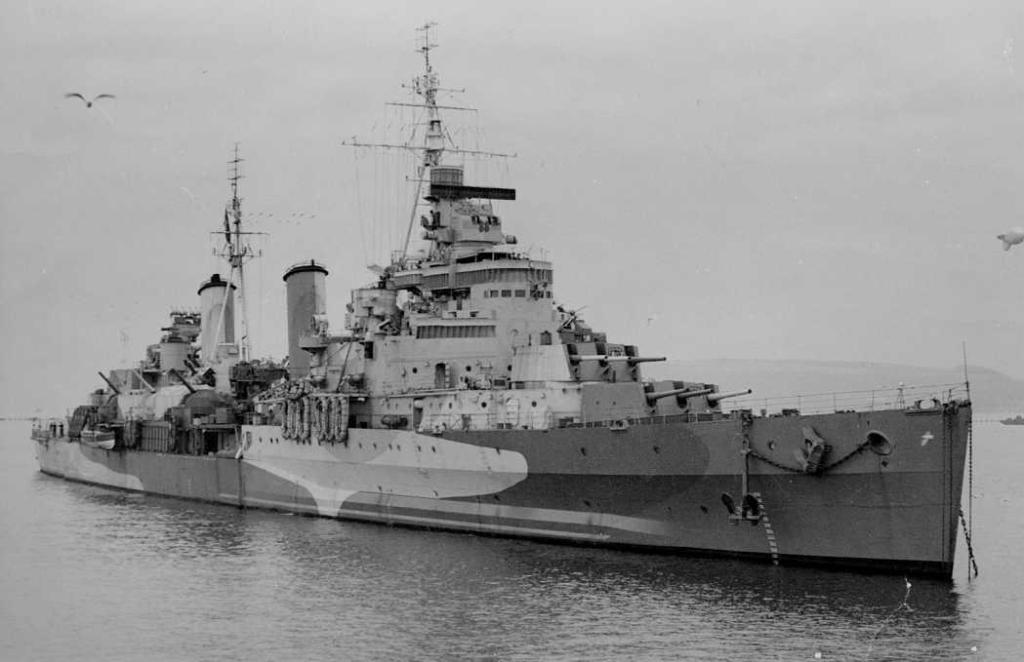
Belfast was initially part of the British naval blockade against Germany. In November 1939, Belfast struck a German mine and, in spite of fears that she would be scrapped, spent more than two years undergoing extensive repairs. Belfast returned to action in November 1942 with improved firepower, radar equipment, and armour. Belfast saw action escorting Arctic convoys to the Soviet Union during 1943 and in December 1943 played an important role in the Battle of North Cape, assisting in the destruction of the German warship Scharnhorst. In June 1944, Belfast took part in Operation Overlord supporting the Normandy landings. In June 1945, she was redeployed to the Far East to join the British Pacific Fleet, arriving shortly before the end of the Second World War.
Belfast saw further combat action in 1950–52 during the Korean War and underwent an extensive modernization between 1956 and 1959. A number of further overseas commissions followed before she entered reserve in 1963.
In 1967, efforts were initiated to avert Belfast’s expected scrapping and to preserve her as a museum ship. A joint committee of the Imperial War Museum, the National Maritime Museum, and the Ministry of Defence was established and then reported in June 1968 that preservation was practical. In 1971, however, the government decided against preservation, prompting the formation of the private HMS Belfast Trust to campaign for her preservation. The efforts of the Trust were successful, and the government transferred the ship to the Trust in July 1971. Brought to London, she was moored on the River Thames near Tower Bridge in the Pool of London. Opened to the public in October 1971, Belfast became a branch of the Imperial War Museum in 1978. Since 1973 she has been home to the City of London Sea Cadets who meet on board twice a week. A popular tourist attraction, Belfast received over 327,000 visitors in 2019.
Battle Honours: ARCTIC 1943 – NORTH CAPE 1943 – NORMANDY 1944
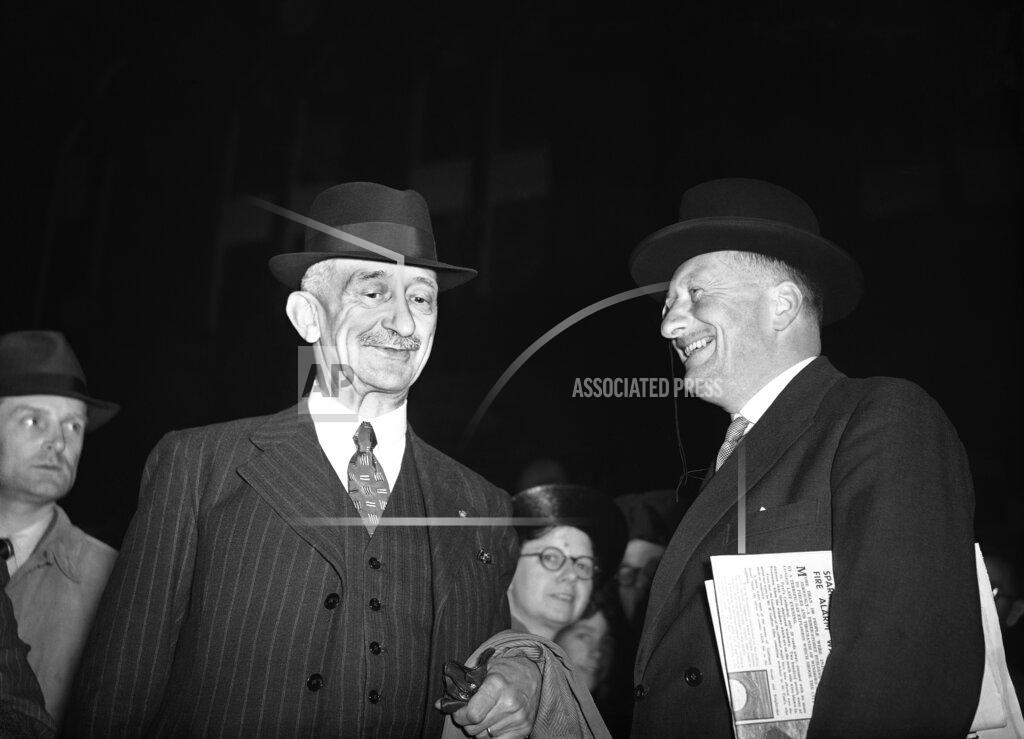
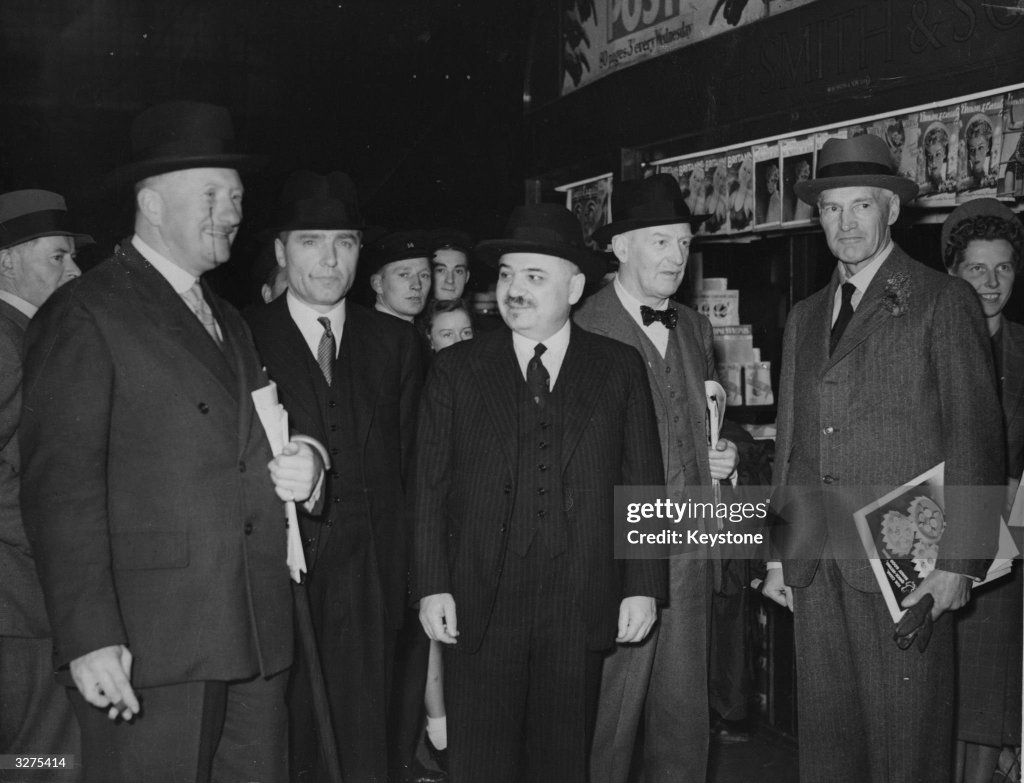
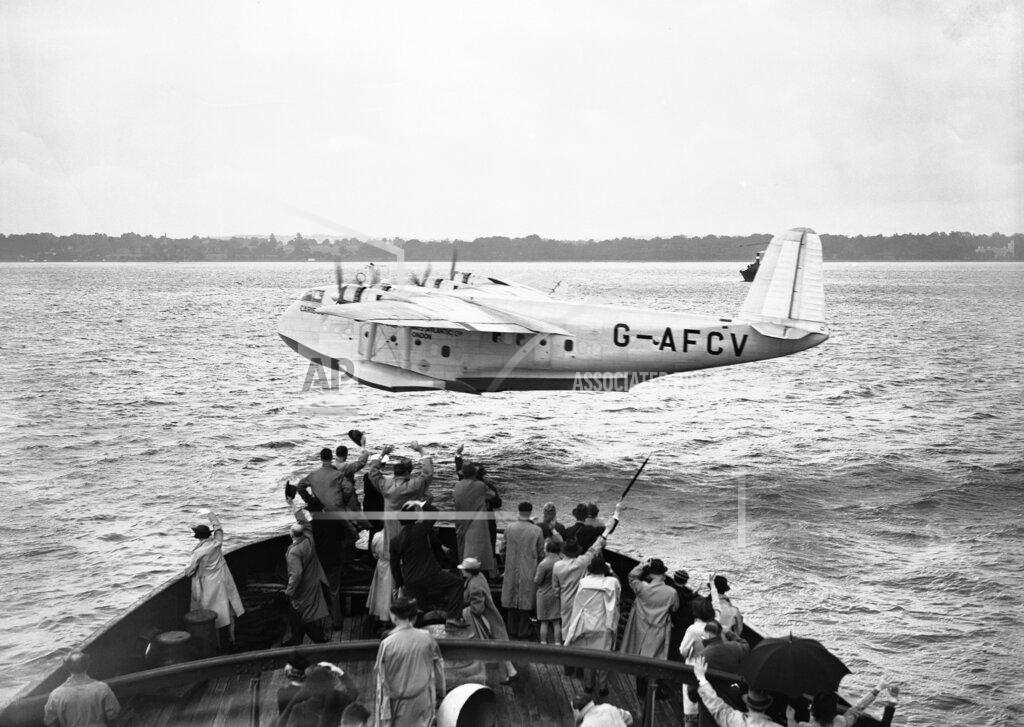
Britain and France’s joint military mission to Russia departs Britain for Leningrad on a slow-moving, passenger-cargo ship. Discussions have been arranged with Molotov in Moscow. Hoping to woo Russia into a comprehensive defense alliance, the British and French military missions, led respectively by Admiral Sir Reginald Plunkett-Ernie-Erle-Drax and General Joseph Edouard Doumene left London for Russia today aboard a specially chartered steamer, the City of Exeter. Lieutenant Baskervyle Glegg, a member of the British mission, had a steel dispatch case attached to his wrist by a three-foot length of chain which suggested the British still possess some military secrets that have escaped the extensive foreign espionage system here.
The missions, which will hold some preliminary discussions aboard ship, are due at Leningrad Wednesday and at Moscow Thursday. The full conference with Klementi Voroshilov, Soviet War Commissar, is not expected before the following Sunday or Monday. By this time William Strang, Foreign Office expert, who has been advising Sir William Seeds, the British Ambassador to Moscow, during political negotiations for the last seven weeks, will return to London — it is understood he is flying back to London Monday — and will therefore have the best part of a week to report to Prime Minister Neville Chamberlain and Viscount Halifax, the Foreign Secretary, on the political position before the military missions get to work.
It is believed the chief purpose of Mr. Strang’s return is to give the British Government a fuller explanation of the still unsolved and complex problem of “indirect aggression” than can be done in dispatches. While Mr. Strang is in London the political side of the talks will be conducted by Ambassador Seeds, who has received no “fresh instructions,” which is the British way of saying their policy is unchanged.
If the military negotiations make good progress in the early stages, it is thought here that the deadlock over the “indirect aggression” problem would be eased and the both branches of the talks would move forward to “a happy ending.” The Soviet Ambassador to London, Ivan M. Maisky, and his air attaché, Ivan Cherny, saw the missions off on the short railway Journey to the pier. Both seemed in a particularly happy mood and particularly impressed by the size of the mission, each numbering more than twenty.
Following Prime Minister Chamberlain’s House of Commons declaration the Japanese are faced with a resolute British “No!” on the currency question and the stalemate in the Tokyo negotiations is expected to last some days.Sir Robert Leslie Craigie, the British Ambassador to Japan, has no “new instructions” from London. The agreement on the methods to preserve order in Tientsin, it is noted in London, is contingent on settlement of the currency problem and there is no indication of any slackening in the anti-British campaign in North China which is one of the worst features of the situation.
Mr. Chamberlain and Viscount Halifax, the Foreign Secretary, by recent speeches have gone a long way toward banishing complacency from the British mind. Thus tomorrow’s Observer will say: “Britain will do nothing to appease the spirit of violence nor will she give any cozened submission even to the most ‘indirect’ kind of aggression. But whenever we encounter readiness for a just and reasoned settlement of disputes we shall be willing to give that course its fullest opportunity.”
Poland sent Danzig a note demanding that interference with Polish customs guards on the border with East Prussia cease. Danzig Senate President Arthur Greiser receives official notification from the Polish government that the frontiers of Danzig will be closed to the importation of all foreign food products unless the Danzig Government promises by 6 p.m. today, never to interfere with the activities of Polish customs inspectors. Greiser is also informed that every Polish customs inspector will bear arms while performing his duty after August 5, 1939. The threat is formidable, because Danzig produces a relatively small proportion of her own food. Danzig Senate President Greiser contacts Polish High Commissioner Marian Chodacki to inform him that Danzig will submit to the Polish ultimatum.
Albert Förster, Nazi Gauleiter of Danzig, flies to Berchtesgaden to confer with Hitler. Meanwhile, the customs dispute in Danzig is temporarily resolved, but is seen in other countries as a Nazi capitulation, infuriating Hitler.
Poland is believed likely to demand the end of Reich military moves in Danzig in a speech tomorrow by Marshal Edward Rydz-Śmigły.
German authorities in Danzig tell the Poles that their customs officials can no longer work in the port.
Having derided the British in the press, on the radio and in cabarets because Japanese sentries at Tientsin forced British subjects to undress, the German Nazi press at Danzig is now denouncing Polish “terrorism and lack of culture” because Polish customs officials allegedly are forcing suspected Danzigers to strip.
The Danziger Neueste Nachrichten charges that many Danzigers were forced to undress where they could be seen by passersby. “Even if they [Poles] have no culture,” says the Nachrichten, “they apparently believe that in doing this they are giving new proof of their high moral and cultural level.” The press in Germany, which found great amusement when the Japanese stripped Britons, has ignored the Danzig charge.
The Austrian Catholic church faces a new blow. Nazis will bar any instruction except by lay teachers. Monks and nuns are forced into emigration by secularization and property seizures.
Prime Minister Neville Chamberlain shows strain, yet expresses confidence of voter support.
The Czech National Unity Party defies the Nazi drive. Germans are split on appeasement.
Thirteen women known as Las Trece Rosas (“the Thirteen Roses”) were executed in Francoist Spain for aiding a military rebellion. Following the capitulation of Madrid to Franco’s troops and the end of the Civil War, the Madrid Provincial Committee of the Unified Socialist Youth (JSU) (an organisation resulting from the merger of the Socialist Youth and the Communist Youth even though most pro-Spanish Socialist Workers’ Party (PSOE) members had abandoned the organisation) tried to reorganize under the leadership of 21-year-old José Peña Brea. He was betrayed, arrested, and tortured; under torture he revealed the names of his collaborators, which led to a wave of arrests of JSU members in Madrid.
The Thirteen Roses were among the many JSU members captured and imprisoned by the police. During their detention in the Ventas prison they were repeatedly tortured and humiliated, and conditions in the prison were considered inhumane and overcrowded. They were ultimately executed by firing squad against the wall of the East Cemetery (now la Almudena) on 5 August 1939. Many of their comrades at the prison recall that while they were being driven away by lorry to their deaths, they sang the “Youthful Guardsmen” (JSU’s anthem) so as to be heard by their comrades who remained in jail. The victims were accused of aiding a military rebellion and of assassinating a high-ranking political police officer, his 16-year-old daughter, and driver; however, they were already in prison when the assassination occurred.
The Norwegian cargo ship Bernhard struck a reef in the Strait of Canso and was holed. She was beached at Eddy Point, Nova Scotia, Canada. She was refloated on 11 August.
The U.S. Senate today adopted and sent to the White House the Social Security Act amendments liberalizing the security program by $1,200,000,000 and carrying tax savings to employers and employees estimated at $905,000,000 for the next three years. President Roosevelt is expected to give speedy approval to the measure, since it embodies recommendations he made carrying provisions proposed by his advisory committee. on Social Security.
The measure was designed to liberalize benefits for the aged to head off “wild-eyed” pension schemes. The bill “freezes” the 1 percent payroll tax at 1 percent for the next three years, instead of permitting it to go to one-and-one-half percent next year. The savings from this was estimated at $825,000,000 for three years. Another tax saving will result from elimination of the unemployment tax on that part of incomes above $3,000 yearly.
The liberalizing of benefits will be accomplished in four ways, as follows:
- Pensions of $40 monthly to those 65 or over, are made possible by increasing the Federal contribution dollar for dollar to the States, up to $20 a month.
- The date for beginning annuity payments is moved up to January 1, 1940. The present law provides that payment shall start January 1, 1942.
- A new formula is provided for computing the amount of annuity benefits, which increases them in practically all categories.
- Monthly security payments are provided for widows, children 16 years old or under, or 18 years if they are attending school. Benefits also are extended to aged dependent parents of old-age annuitants.
The House had accepted the conference report on the amendments yesterday but the Senate delayed action until today to give Senator Connally an opportunity to make a speech condemning the report, which he and Senator Harrison did not sign. The conferees deleted Senator Connally’s amendment requiring that Federal contributions for old-age assistance be increased from a 50-50 basis to a 2-to-1 basis, for the first $15 of monthly pensions.
Senator Connally vigorously denounced his conference colleagues for yielding on his amendment, and on the roll-call for adoption of the report, he was joined by three others in voting against it. The vote was 58 to 4, with Senators Russell, Ellender and Pepper voting with Senator Connally against it. Senator Connally charged that the House conferees had “bought” the Senate conferees by agreeing to retain an amendment by Senator La Follette, which provides that annuity payments shall start to those who become 65 this year.
Congress adjourns today. The 76th United States Congress adjourned for the rest of the summer. The first session of the Seventy-sixth Congress ended tonight in one last spasm of the political bitterness in which it operated with ever increasing frequency during its seven months and two days of existence. The House adjourned sine die at 6:32 PM and the Senate three minutes later. The end of the House session came quietly after members had indulged in an hour or more of mutual compliments intended to soften the harder feelings engendered during the last few days.
The Senate rose to new heights of bitterness right at the close. however, when Senator Pepper of Florida, arch-New Dealer, cast!gated the anti-Administration “alliance” which had brought grief to the Roosevelt program in such language as to prompt Senator Bailey of North Carolina to dare the Senate rules and brand the remarks “cowardly and mendacious.” The end of the session by early evening was assured when Republican leaders in the Senate decided suddenly late this afternoon to bend every energy and use every parliamentary device to get Congress out of Washington at the earliest possible moment.
At that time the House already had completed its program and was in recess waiting for the Senate to clear its slate. Within a few moments after the Senate minority made up its mind, in keeping with a remark of Senator Austin, acting Republican leader, that “the public interest demands that this session do adjourn,” all remaining measures were abandoned and Senator Barkley, majority leader, was forced to turn toward closing the session.
A bill then before the Senate, permitting the Secretaries of War and the Navy to aid Latin-American republics in building up their armaments, was withdrawn by Senator Pittman, chairman of the Foreign Relations Committee. Senators who were clamoring from all parts of the chamber to have minor bills considered were forced by repeated objections from Mr. Austin to abandon their efforts and Senator Barkley dropped a request of his own that all minor bills passed by the House and then resting on the Senate calendar should be considered by unanimous consent procedure.
Realizing the situation, Senator Barkley asked that a committee of two Senators be named to join with two members from the House to notify the President that the Senate was ready to adjourn if he had no further messages. Within a few moments the majority leader returned with the news that the President had no other legislative requests and simultaneously laid before the Senate a resolution for sine die adjournment.
By overwhelming majorities, tool and die makers affiliated with the CIO United Automobile Workers of America voted today to ratify the agreement negotiated on their behalf with the General Motors Corporation, and most of the 7,500 strikers will return to work by Monday or Tuesday. The agreement was signed tonight in the General Motors offices by the committees through which it was negotiated and which were headed by W. S. Knudsen, president of the General Motors Corporation, and R. J. Thomas, president, and Walter P. Reuther, division chief of the CIO-United Automobile Workers.
American Screen and stage star Katharine Hepburn takes sides in the performer’s union dispute, speaking out for the AFL-affiliated American Guild of Variety Artists.
Dismissal of all relief workers, except war veterans, who have been on WPA rolls for eighteen months or longer will be resumed at the rate of 2,500 daily this week, it was announced yesterday by Lieutenant Colonel Brehon Somervell, New York WPA Administrator.
Speaker William B. Bankhead named three Democrats and two Republicans today to investigate the National Labor Relations Board.
U.S. Officials assail the suggestion that the voting age be cut from 21 to 18.
Car vacations are expected to reach new highs this year.
The American cargo ship Andrea F. Luckenbach ran aground at Port Eads, Louisiana. The ship is refloated on 7 August.
U.S. Navy awards a US$15,505,000 contract to build new naval air facilities in Hawaii, Midway, Johnston, and Palmyra Islands.
In Boston, Birdie Tebbetts hits a grand slam for Detroit and the Tigers hose the Red Sox, 16–4. Tommy Bridges is the winner.
Scoring five runs in the seventh inning, the last three on Joe DiMaggio’s twelfth homer of the season, the New York Yankees defeated the Cleveland Indians, 6–1. Red Ruffing also hit a homer as he gained his fifteenth pitching triumph of the year.
The New York Giants, with Carl Hubbell doing the hurling, took the measure of the Pittsburgh Pirates, 4–3, the winning margin being provided by Mel Ott’s twenty-first circuit drive.
The Brooklyn Dodgers collected seventeen hits and overpowered the Reds, 10–4, Cincinnati’s lead in the National League race being reduced to eight-and-a-half games.
United States authorities made new representations today to the Japanese against anti-American demonstrations in Kaifeng despite Japanese denials that an anti-American movement was under way in North China.
Americans are ready to flee China’s cities as Japan conducts an anti-foreigners campaign. The British Office is pillaged.
A Japanese night raid in China badly damages the Belgian Embassy in Chungking.
Dow Jones Industrial Average: 142.11 (+0.38).
Born:
Princess Irene of the Netherlands; at Soestdijk Palace in Baarn, Netherlands.
Tommie Aaron, MLB first baseman and outfielder (Milwaukee-Atlanta Braves), brother of Henry “Hank” Aaron, in Mobile, Alabama (d. 1984, of leukemia).
Roger Clark, British racing driver, in Narborough, England, United Kingdom (d. 1998).
Bob Clark, American film director and screenwriter (“Porky’s”, “A Christmas Story”), in New Orleans, Louisiana (d. 2007).
Naval Construction:
The U.S. Navy Fisher 58′ class motor torpedo boat USS PT-4 is laid down by the Fisher Boatworks (Detroit, Michigan, U.S.A.).
The Sjøforsvaret (Royal Norwegian Navy) minesweeper HNoMS Otra, first of her class of 2, is launched by Nylands Verksted (Oslo, Norway).
The Kriegsmarine (German Navy) Type IX U-boat U-44 is launched by AG Weser, Bremen (werk 949).
The Вое́нно-морско́й флот СССР (ВМФ) (Soviet Navy) Project 7U-class (Storozhevoy-class) destroyer Surovy (Суровый, “Severe”) is launched by Sergo Ordzhonikidze Zavod (Leningrad, U.S.S.R.) / Yard 189.
The Royal Navy “J”-class destroyer HMS Janus (F 53) is commissioned. Her first commander is Lieutenant Commander John A. W. Tothill, RN.
The Royal Navy Town-class light cruiser (Edinburgh-subclass) HMS Belfast (35) is commissioned. Her first commander is Captain George A. Scott, RN.
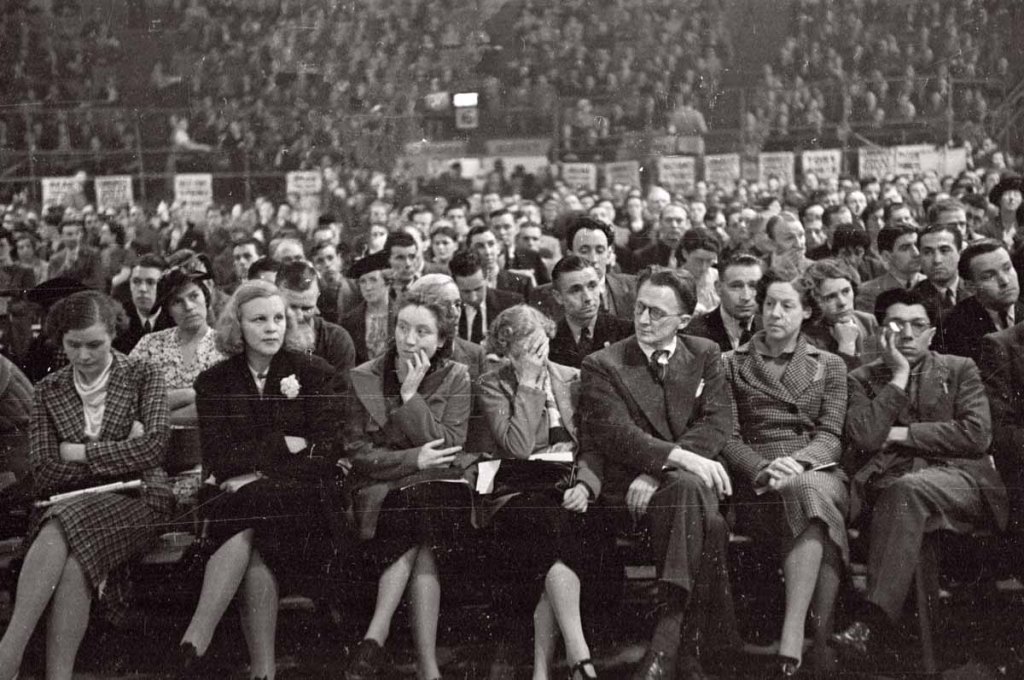
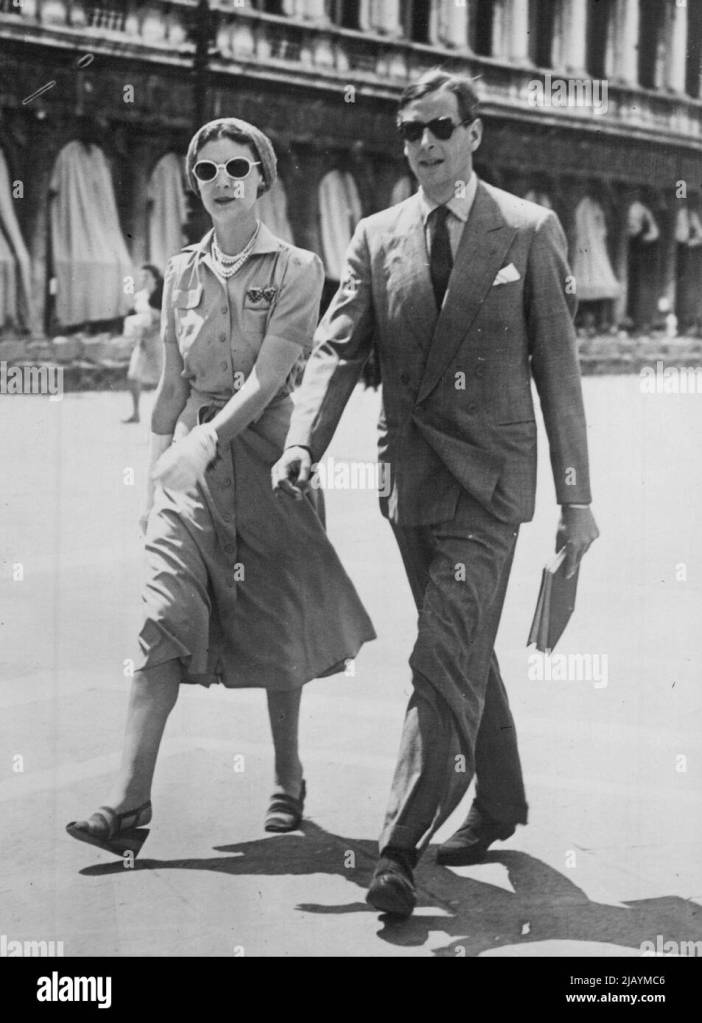
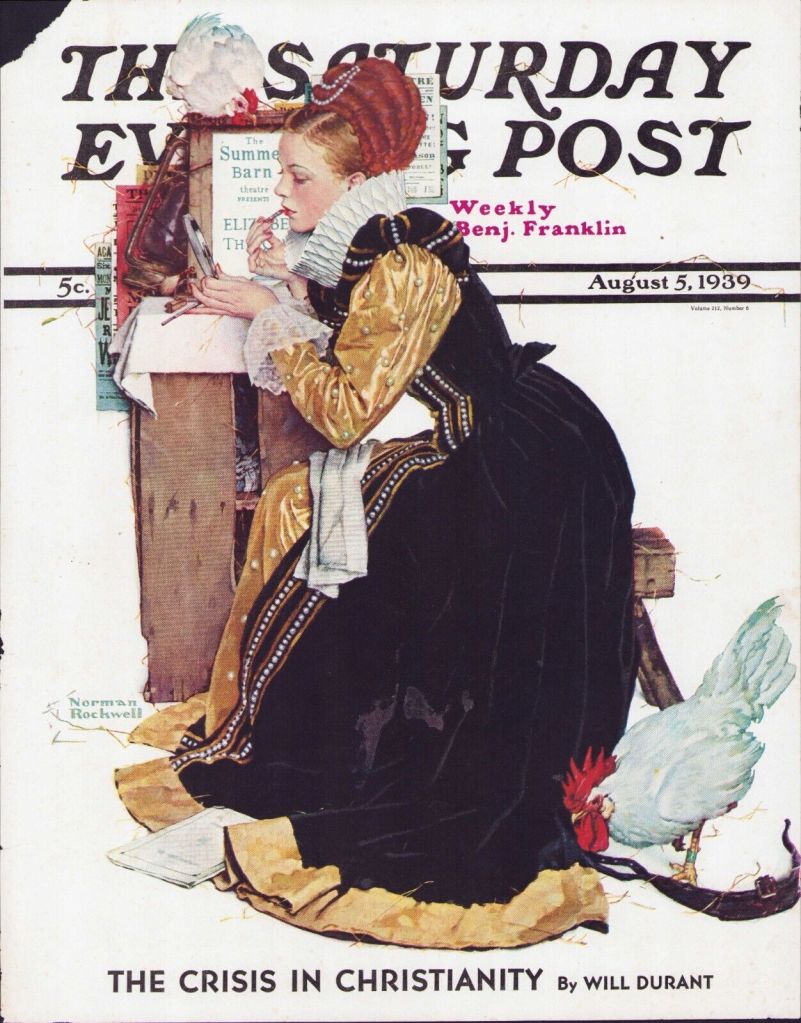
The beginning of the ultimate European Crisis is just over two weeks away, but most of Europe is oblivious to the imminence of war.

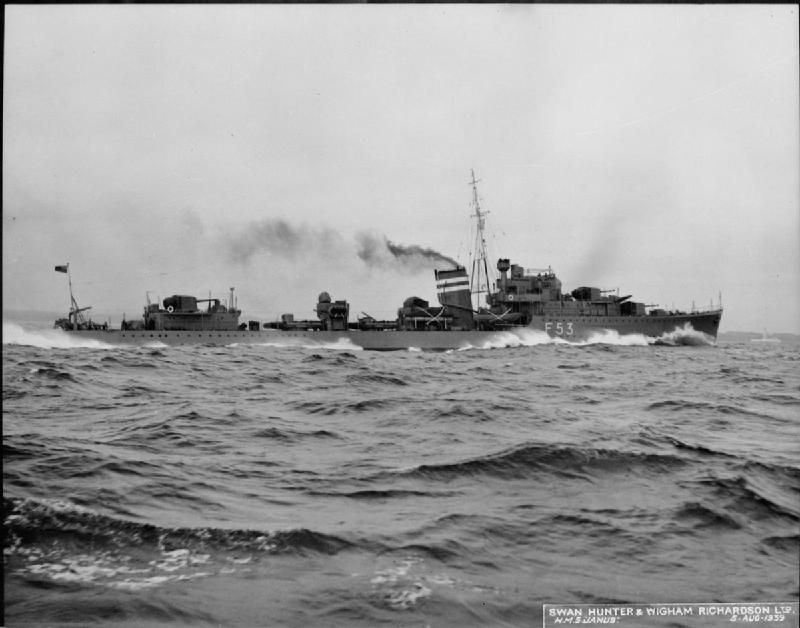
Off Namsos, Norway, on 30 April 1940 the sloop HMS Bittern was mistaken for a cruiser and was badly damaged by German Junkers Ju 87 dive bombers and had to be sunk by Janus. Janus served in the North Sea until May 1940 and had participated in over 20 convoy duties in that time. From May 1940 Janus began Mediterranean duties with the 14th Destroyer Flotilla in Alexandria. She participated in the Battle of Calabria in July 1940 and the Battle of Cape Matapan in March 1941, and in the action off Sfax in April 1941.
Lost 23 January 1944.
During June and July 1941 British and Gaulist troops occupied Syria against strong French resistance. Two large French destroyers, Guepard and Valmy, engaged and shelled Janus off Sidon. Janus received five heavy hits, which killed or wounded all on the bridge; her commanding officer miraculously escaped injury. The damage disabled the destroyer so that she had to heave-to for repairs. In August, the damaged destroyer arrived at Simonstown, South Africa and was docked in the Selborne dry dock, where her damage was surveyed and repaired.
On 23 January 1944, HMS Janus was struck by one Fritz X guided bomb dropped by a German He 111 torpedo bomber and sank off the Anzio beachhead in western Italy (according to another version, she was sunk by Henschel Hs 293 glider bomb or a conventional torpedo). It took a mere twenty minutes for Janus to sink. Of her crew only 80 survived, being rescued by HMS Laforey and smaller craft. It was recorded that during her last duty Janus had laid down nearly 500 salvos of 4.7-inch shells in the first two days of the landings in support of allied troops. Janus’s badge is still on display at the Selborne dry dock wall.
Battle Honours: ATLANTIC 1939 – NORWAY 1940 – CALABRIA 1940 – LIBYA 1940 – MEDITERRANEAN 1940-44 – MATAPAN 1941 – SFAX 1941 – MALTA CONVOYS 1941 – ADRIATIC 1944 – ANZIO 1944
 History Diaries