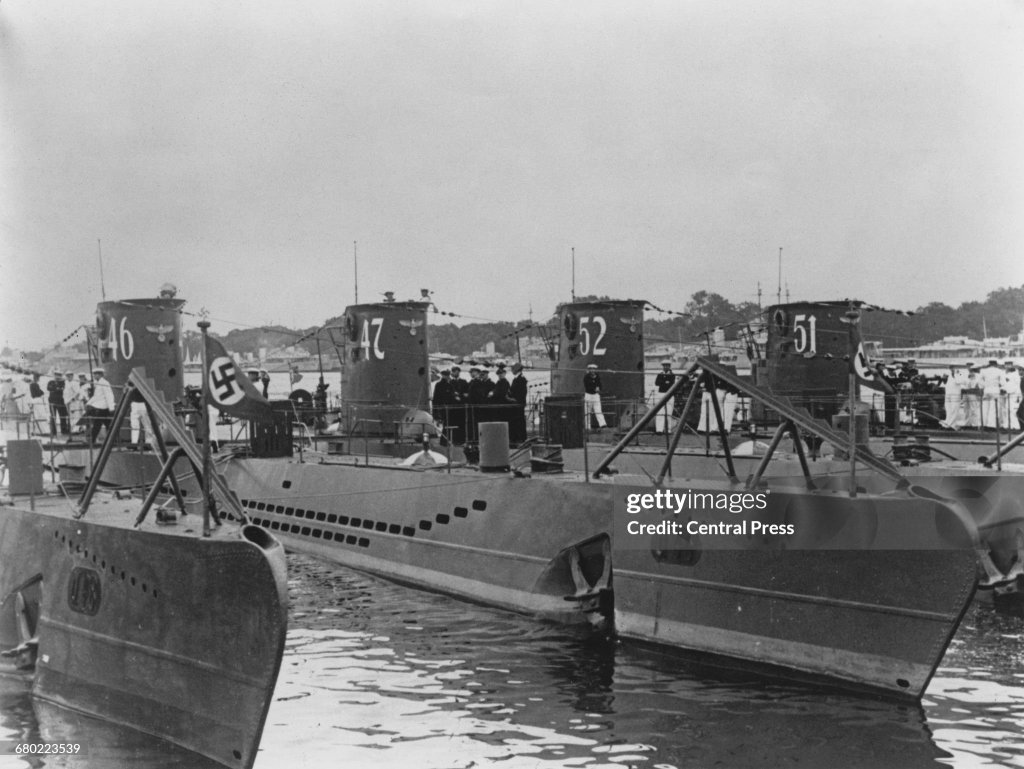
There is one month of peace left in Europe.
In an effort to rush new warships into the water as fast as British shipyards can build them, the British Government is expected to announce still another increase tomorrow in Britain’s record-breaking naval building program for the current year. It is understood the new construction will be of small but essential ships outside treaty limits — which can be completed within a year or eighteen months and hurried into action — to protect British commerce from submarine and air raiders.
Britain already has nearly 200 destroyers built or building, but it would be no surprise if the Admiralty were to add another flotilla of eight to the two flotillas already provided under the 1939 program. Similarly, it is thought the Admiralty may order more of the new fast escort vessels, twenty-two of which are already under construction, to cope with the increased danger of German submarines.
When Germany abruptly denounced the Anglo-German naval treaty last Spring and announced that she would build up to parity with Britain in submarines, it was stated here that a bigger fleet of escort vessels and other anti-submarine craft would be Britain’s answer. Tomorrow’s announcement, therefore, will be a direct consequence of Germany’s action of last Spring as well as of the whole “white war” in which the denunciation of the naval treaty was only an incident. Parliament will be in no mood to question the new expenditure, no matter how big the figures may be. What the House of Commons wants now is preparedness, not only against Germany but against all three of the anti-Comintern powers, if necessary (Germany, Italy, and Japan).
Hardly a day now passes without some new demonstration of the spirit that has come over this country in recent months. Yesterday, it was the announcement of staff talks with Russia; tomorrow, it will be increased naval building, and before Parliament adjourns on Friday, there may be still other announcements of Britain’s mental and material readiness for an emergency. Even Prime Minister Neville Chamberlain’s critics were fairly well satisfied today with his speech of yesterday announcing the start of military talks with Moscow and administering a sharp warning to Japan over anti-British agitation in occupied parts of China. Except for his statement deprecating “exaggerated” accounts of the militarization of Danzig — a statement which, by the way, was not borne out by renewed uneasiness over Danzig in Whitehall today — it was felt that Mr. Chamberlain had been firm and realistic in his review of the international outlook.
The British plan to ration fuel for war use. Substitutes for gasoline are sought for cars. Between 7,000,000 and 8,000,000 gasoline ration books and 35,000,000 coupons have been printed and distributed throughout Britain as part of the hitherto secret scheme for conserving motor fuels and oil in the event of war, the Minister of Mines, Geoffrey Lloyd, disclosed in the House of Commons today.
Britain disclosed new strides toward readiness for any emergency today. The new plans and accomplishments included:
- Introduction of a food defense bill to create a food ministry and to finance storage and transport of foods.
- Announcement that a nucleus of a merchant reserve fleet soon would be formed by the purchase of six vessels for which the government has completed negotiations.
- Announcement that the government had placed contracts for 2,500,000 bomb shelters to be distributed free to families unable to buy them.
Sir John Anderson, Lord Privy Seal, told the House of Commons that a weekly production of 55,000 shelters was expected by September and that 5,000 a week would be offered for sale at about $36.60 delivered. The Foreign Affairs Committee of the Cabinet reviewed the latest reports on the long negotiations in Moscow for a British-French-Russian mutual assistance accord and also discussed the Far Eastern situation.
The full Cabinet will meet tomorrow for the last time before the scheduled adjournment of Parliament Friday. Informed sources said instructions would be sent to Sir Robert Leslie Craigie, British Ambassador in Tokyo, on Japan’s demands for withdrawal of British support from China’s national currency.
Describing hospital facilities in the event of war, Minister of Health Walter Elliott told the House of Commons that 100,000 beds would be made available “for the first wave of casualties” in Britain. From 9,000 to 10,000 trained nurses have been enrolled, he added, and 45,000 auxiliary nurses registered for training. The government has plans for 100 temporary field hospitals, in which it hopes to have 35,000 additional beds by the end of this year.
RAF Flight Officer Maurice Longbottom suggests to the Air Ministry in a memorandum this month that strategic reconnaissance should be done by modified fighters, instead of by modified bombers
The British military mission, which had been expected to arrive in Paris tomorrow en route to Moscow, has been delayed and is not expected now before the weekend or the beginning of next week. Premier Édouard Daladier today received General Joseph Édouard Doumenc, head of the French military mission, who afterward presided at a conference of technicians preparing for negotiations with the British mission and those that will be held later in Moscow. General Charles Huntzinger, returning from military conversations in Turkey, reported to M.. Daladier on the results of his mission and will go to London tomorrow.
Soviets still see a loophole in the British pact proposal. They hold that the British view on indirect aggression fails to meet Moscow’s perspective.
Josef Stalin, who has become convinced that Britain and France are conspiring to help throw the full weight of German strength against the USSR, now seeks an accommodation with Hitler despite their bitterly antagonistic ideologies.
German Ambassador to Britain Herbert von Dirksen reports to the Foreign Ministry in Berlin, Germany that the British-Soviet talks do not seem to be proceeding well.
The Polish government terminates the export of duty-free herring and margarine from Danzig to Poland, although the sale of these items to Poland constituted 10% of the total trade of the Free City. The local French representatives at Danzig note with amusement that the Amada Unida Company, which enjoyed a monopoly in the production of Danzig margarine, was financed by English and Dutch capital.
Danzig Nazis say Poles cripple the city’s trade; Nazis threaten to end customs at the East Prussian border as food is barred. “Danzig’s customs frontier with East Prussia is to be opened for free circulation and Polish customs officials are to be removed entirely,” is the threat displayed today in the Vorposten, Danzig’s Nazi newspaper, which violently attacks Poland for economic reprisals instituted today.
Nazis seize a monastery because it aided the South Tyrolese. The Cistercian monastery at Stams, near the Italian frontier south of Innsbruck, was closed a few days ago and its property was confiscated by the Nazis for allegedly arousing opposition among the Tyrolese to Chancellor Adolf Hilter’s solution of the South Tyrol problem. The monastery is a large, well-known institution. It housed only forty-seven monks. In Innsbruck it has been suggested that because of its location the monastery would make an ideal military post and would probably be converted to this use.
Nazi Germany forbade the sale of lottery tickets to Jews.
Erwin Rommel is promoted to the rank of Generalmajor.
Jews defy a Nazi order, returning to a Prague pool after troopers order them out.
Italian Foreign Minister Count Nobile Ciano conducts a series of secret conferences with the German government in advance of the Danzig-Polish crisis. The Italian government strongly supports Germany’s demands on the Polish government and the Italian press uphold the German position, although Premier Benito Mussolini tries to use his influence to achieve a negotiated settlement.
D. Vladimir Matchek, the Croat leader, threatened today to pull Croatia out of Yugoslavia—even though “it will probably mean a world war”—unless his people received quickly complete home rule.
Franco’s press says Gibraltar belongs to Spain. The demand for the return of the rock is expected on the 235th anniversary of its loss.
Today in Washington, President Roosevelt discussed Philippine affairs with Francis B. Sayre, new appointee as High Commissioner to Manila; Paul V. McNutt, former High Commissioner, and a delegation of Filipino officials; conferred with the Mexican Ambassador and Under-Secretary of State Welles on proposals to settle the Mexican oil controversy; took under advisement a protest by a delegation of Southern members of Congress against a proposed increase in minimum wages in the Southern textile industry, and said at a press conference that the defeat by the House of his lending-spending program would retard industrial recovery and increase relief costs.
The Senate passed 193 bills, voted to reconsider the Logan bill relating to judicial review of actions and orders of government agencies, confirmed the nomination of James L. Fly to the Federal Communications Commission, and adjourned at 4:37 PM until noon tomorrow.
The House voted 193 to 166 against a rule for consideration of the Works Financing Bill, received the Hoffman resolution calling for an investigation of the Congress of Industrial Organizations and its affiliates, approved an appropriation of $50,000 for an investigation of the National Labor Relations Board, passed the Bland bill authorizing a third set of locks at the Panama Canal and adjourned at 5:25 PM until noon tomorrow.
In the severest defeat yet dealt the Roosevelt Administration by the increasingly independent Congress, the House today killed for this session the $1,850,000,000 Lending Bill reported by its own Banking and Currency Committee, refusing by a vote of 193 to 166 even to consider it. A companion measure had been passed by a 52-to-28 vote in the Senate yesterday after six days’ debate. Stunned, though not exactly surprised, by this vote, which technically defeated a rule calling up the measure for consideration, House leaders virtually abandoned hope also for the $800,000,000 Housing Authority Expansion Bill, also recommended by President Roosevelt as an integral part of his spending-lending recovery drive.
A rule making the Housing Bill in order has been rejected by the Rules Committee and is now lying on the Speaker’s desk. The leaders fear to call it up, however, lest it share the fate of the lending rule and thus add another to the growing list of Administration defeats for the session. Dropping for the present all plans for particular measures, the leaders concentrated on a new adjournment drive, hoping to get the rebellious Congress out of Washington by Saturday night. A Deficiency Appropriation Bill, usually considered the final act of any session, will be called up in the House tomorrow.
President Roosevelt received the news of the fate of his Lending Bill as he awaited his regular Tuesday press conference. Whatever his immediate reaction to the unpleasant report, he was calm and gracious when correspondents were ushered into his office at 4 PM. That the President was disappointed was obvious. But he offered no more than a calm statement, declaring that the House, by refusing to consider and pass the bill, had cramped industrial recovery and made it certain that relief rolls would have to be kept higher, with consequent loss of hundreds of millions of dollars to the taxpayers. He departed from a discussion of the merits of the lending program only long enough to say that those who voted against the rule in the House today would have to assume the responsibility for their act and that the country doubtless would want to know their names.
President Roosevelt said today he had made up his mind on how he would dispose of the Hatch bill restricting political activities of rank and file federal employees, but would not reveal it until tomorrow. Asked whether he would make to Senator Hatch a present of the pen with which he would give the measure his approval or rejection, Mr. Roosevelt thought for a moment and then told the questioner that the inquiry was not even subtle.
The President conferred again today with Attorney General Murphy on the Hatch bill. Mr. Murphy professed not to know how Mr. Roosevelt would act on the measure and expressed surprise when told that the President had revealed at his press conference that his mind was already made up. Earlier, White House sources had indicated that the President would issue a statement regarding the Hatch bill, but whether this meant it would be approved or vetoed could only be guessed at. Mr. Roosevelt would not even confirm that he would issue a statement.
With only three measures regarded by Congress as “must” legislation awaiting action, leaders tonight prepared for adjournment Saturday night, but warned that two of the bills might furnish a stumbling block to postpone the final quitting date until next week or the week after. The hint of an adjournment was given when Representative Rayburn, majority leader, announced that the Third Deficiency Appropriation Bill, reported to total nearly $400,000,000, would be considered tomorrow by the House. Since this measure always is the last money measure brought to the floor, action usually is swift.
But the announcement by Senator Murray that he would attempt to attach as riders to this measure his proposals to restore the WPA prevailing wage for skilled labor, and ease the “rotation” of employment provision of the 1940 Relief Act, brought a frown from members of the House Appropriations Committee. This committee, which wrote into the law the provisions Senator Murray wants to change, has given every indication it will not even reconsider its action. And if the Senate should vote for Murray riders it was felt at the Capitol that final adjournment would be delayed indefinitely because the measure would have to be sent to conference.
The second “must” proposal, and it is Congress and not the Executive Department which is terming the program as “must,” contains the amendments to the Social Security Act, on which the House and Senate conferences are now deadlocked. The chief item of controversy is Senator Connally’s amendment to require that the Federal Government contribute two-thirds of the first $15 paid by States monthly for old-age assistance. The House conferees contend the Federal grants should be on a basis of $1 from the government for every $1 paid by a State.
Also deadlocked are amendments liberalizing the old-age assistance and annuity program and the amendment “freezing” the 1 percent payroll tax for another year.. This amendment affects the payment or non-payment of millions of dollars in taxes. The conferees are under pressure from the House and Senate to reach an agreement, since the members of both branches do not want to face their constituents unless they are in a position to say they have done “something for the old people.”
The third “must” proposal, before the House, embraces amendments to the Wages and Hours Act. Under one of three rival measures the “area of production” is redefined to exempt many agricultural workers and some in kindred industries. What appears to be a large majority of the House want these amendments considered before adjournment. The amendments in the Barden bill, criticized by President Roosevelt and Elmer F. Andrews, Wages and Hours Administrator, as exempting too many low-paid workers, were said to be favored by a large number of the House members.
Leaders of the CIO auto strike in Cleveland halted mass demonstrations in the vicinity: of the Fisher Body plant here today and agreed to a status quo of five pickets to a gate pending the outcome of a General Motors injunction application. A hearing on the injunction petition, filed yesterday, was today postponed until Thursday. The strikers conformed meticulously to a “riot zone” order which went into effect at 3 AM today, although their leaders called it “a violation of civil liberties.” The leaders permitted no gatherings within 500 yards of the forty-acre plant.
The riot zone order was issued yesterday by Director of Safety Eliot Ness at the direction of Mayor Harold H. Burton after fighting between police and pickets in which forty-six persons were injured. The fighting marked efforts to halt the entrance of non-strikers in defiance of a strike called three weeks ago. by the CIO-Automobile Workers of America. The strikers transferred their activities largely today to the homes of non-strikers. They carried signs on which was painted, “Picketing Fisher Body Scab.” A dozen men, wearing cardboard jockey caps which withstood blows of police batons in yesterday’s clashes, went from home to home of non-strikers, but dispersed quietly when the police came on the scene. Lists of non-strikers had been handed out at a union meeting.
Dismissal of relief workers, exclusive of war veterans, who have been on WPA rolls for eighteen months or longer, will not be resumed here, it was announced yesterday by Lieutenant Colonel Brehon B. Somervell, local WPA Administrator, pending receipt of any instructions that may come from Washington as a result of the defeat of President Roosevelt’s lending bill in the House.
The U.S. Congress passes a bill outlawing the use of uniforms and firearms by any organization conflicting with the American government.
The Federal Bureau of Investigation’s Honolulu office reopens to work with U.S. Army and Navy on possible spying incidents.
Clark Gable catches an intruder who uses the actor’s own antique pistol to attempt burglary.
Admiral Harold Stark was appointed Chief of Naval Operations of the United States Navy.
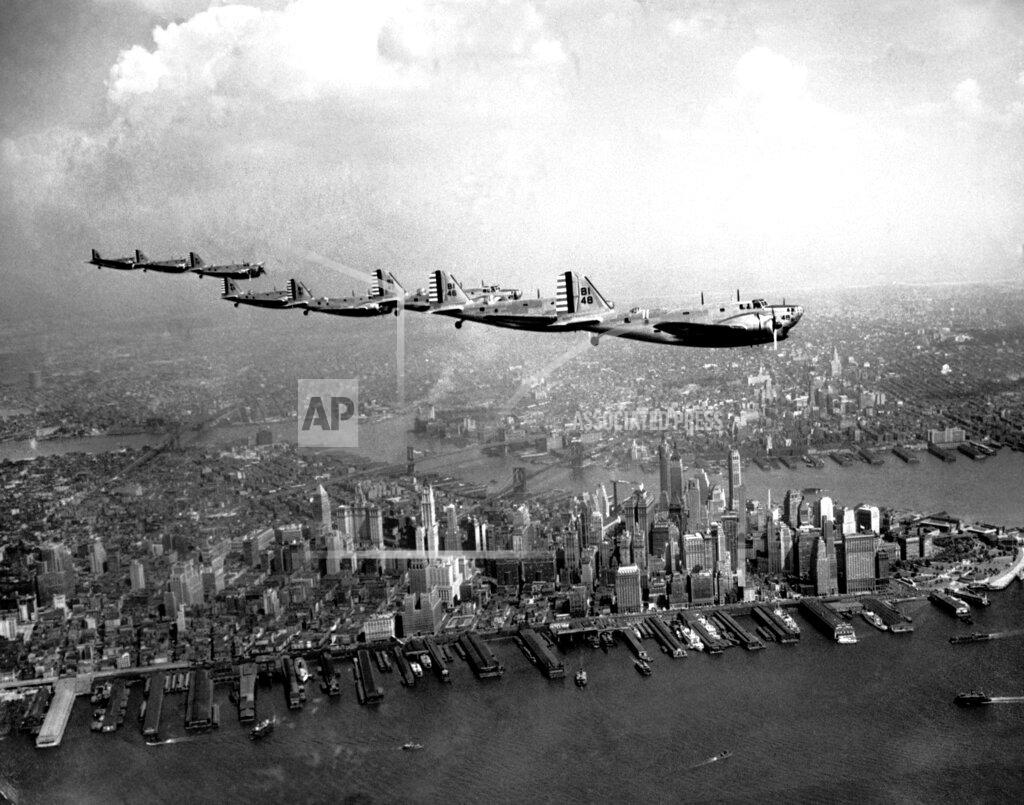
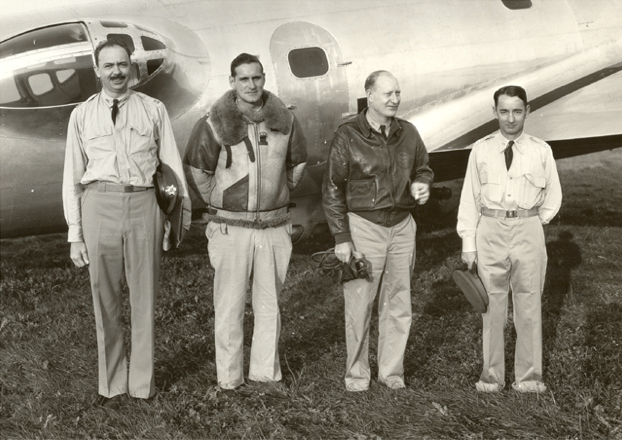
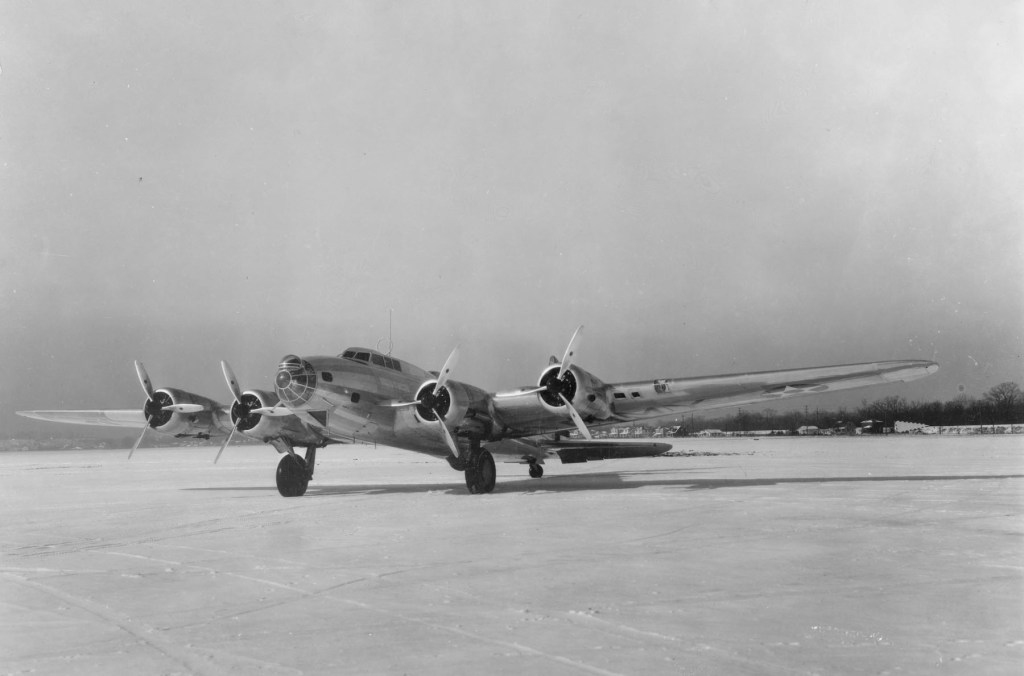
Captains Clarence S. Irvine and Pearl H. Robey, United States Army Air Corps, used the Boeing Y1B-17A Flying Fortress (Model 299F), serial number 37-369, to set a Fédération Aéronautique Internationale (FAI) World Record for Altitude with a 5,000 Kilogram Payload. The bomber climbed to 10,371 meters (34,026 feet) with a payload of 11,023 pounds. On the same day, Irvine and Robey flew the Y1B-17 from Dayton, Ohio to St. Jacob, Illinois, setting an FAI World Record for Speed Over 1,000 Kilometers with a 5,000 Kilogram Payload, averaging 417.46 kilometers per hour (259.40 miles per hour).
North American begins to deliver unassembled NA-57 trainers to the French base at Nantes. Later, after France falls, 50 will be used by the German Luftwaffe.
Glenn Miller and His Orchestra recorded “In the Mood”.
In Boston, the Red Sox come from behind on Bobby Doerr’s 5th-inning grand slam off Bob Feller, his second home run of the day, and beat the Cleveland Indians, 7–5. Thirty-Nine-year-old Lefty Grove got the win for the Red Sox.
Larry French, the veteran southpaw, who had asked Chicago owner Phil Wrigley to do something about his case of bench riding, got his chance today and pitched the Cubs to a 6–2 victory over the Philadelphia Phillies in their series opener.
The Brooklyn Dodgers moved back to the .500 mark in the National League standings today by outscoring the Pittsburgh Pirates, 5–3, in the opener of a three game series at Forbes Field.
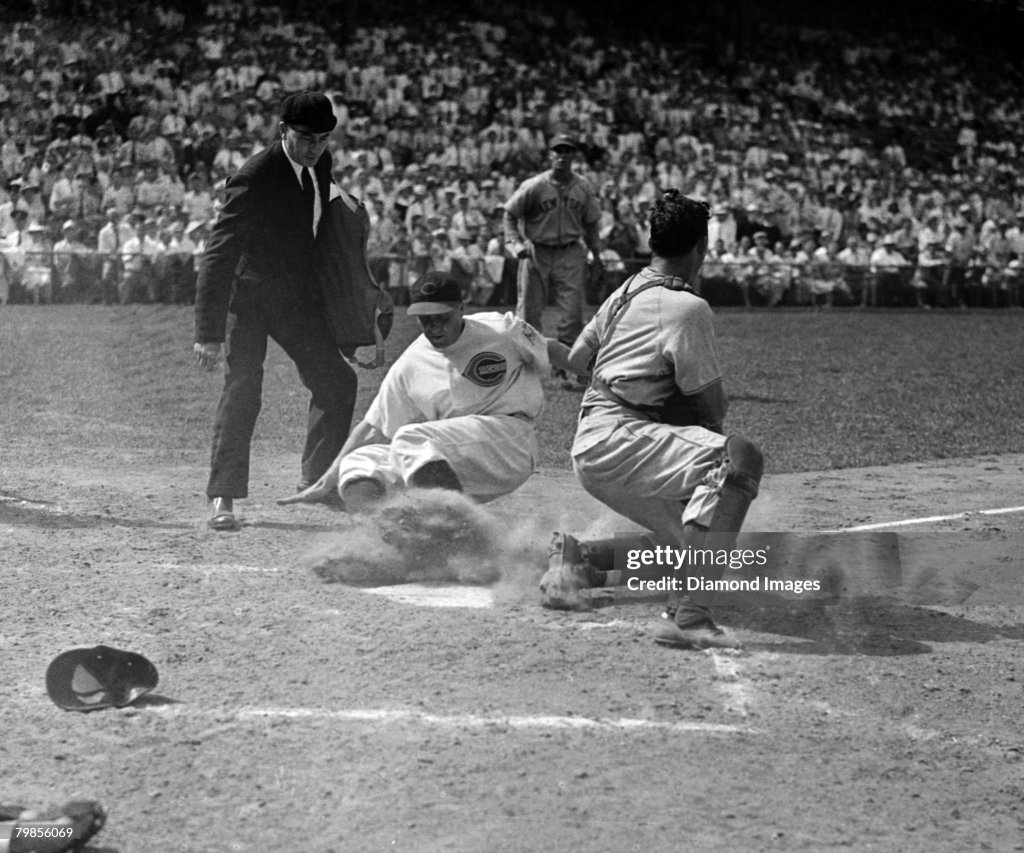
Harry Danning had three hits, including a triple and a tenth-inning single that gave the New York Giants a 5–4 win over the Cincinnati Reds.
Prohibition went into effect in Bombay.
In Bombay’s dry law riots, 43 people are hurt. Muslims clash with Hindus, and liquor dealers resent the new curb. The premier says India will show the United States how to make the program work.
The Hamburger Fremdenblatt carries an interview with General Masaharu Homma, commander of the Japanese troops at Tientsin, in which he threatens to establish a total blockade there and open a general army offensive against all British interests in China if the present Anglo-Japanese negotiations fail. “Such a development,” General Homma is quoted as saying, “can be only welcomed. Then we shall be freed of the government’s promise to respect British interests in Asia. The Tientsin Concession can then finally be closed.”
Referring to the United States abrogation of its 1911 trade treaty with Japan, General Homma said: “I do not know what President Roosevelt’s intentions are and I do not want to criticize yet. But British policy sees in the United States step a supporting action and the British press again finds a stronger tone. But if some powers think they can influence our policy by abrogating trade treaties we shall prove their error to them.”
According to the interviewer, General Homma demands of the British “only strict neutrality, not friendship or accommodation,” but he insists that anti-British sentiment has been growing in Japan. and North China “because promises were not kept.” He further asserts that “everyone in Japan urgently wishes a strengthening of the anti-Comintern pact and still closer cooperation between Japan and Germany.”
The Chinese 18th Squadron is relocated to Chungking, China.
Dow Jones Industrial Average: 143.36 (+0.10).
Born:
Robert James Waller, American author (Bridges of Madison County), in Rockford, Iowa (d. 2017).
Terry Kiser, American actor (“Weekend at Bernies”) in Elmhurst, Illinois.
Bob Rivard, Canadian NHL centre and left wing (Pittsburgh Penguins), in Sherbrooke, Quebec, Canada (d. 2023).
Stephen Sykes, Church of England bishop, born in Bristol, England, United Kingdom (d. 2014).
Naval Construction:
The U.S. Navy Fisher 58-foot-class motor torpedo boat PT-3 is laid down by Fisher Boatworks (Detroit, Michigan, U.S.A.).
The U.S. Navy PT-5-class motor torpedo boat PT-5 is laid down by Higgins Industries (New Orleans, Louisiana, U.S.A.).
The Marinha do Brasil (Brazilian Navy) destroyer Juruena is launched by Thornycroft (Southampton, U.K.). She will be requisitioned by the Royal Navy on the outbreak of war and enters service as the Havant-class HMS Hesperus (H 57).
The Sjøforsvaret (Royal Norwegian Navy) Sleipner-class destroyer HNoMS Gyller is commissioned.
The U.S. Navy destroyer USS Sims (DD-409), lead ship of her class of 12, is commissioned. Her first commander is Lieutenant Commander William A. Griswold.
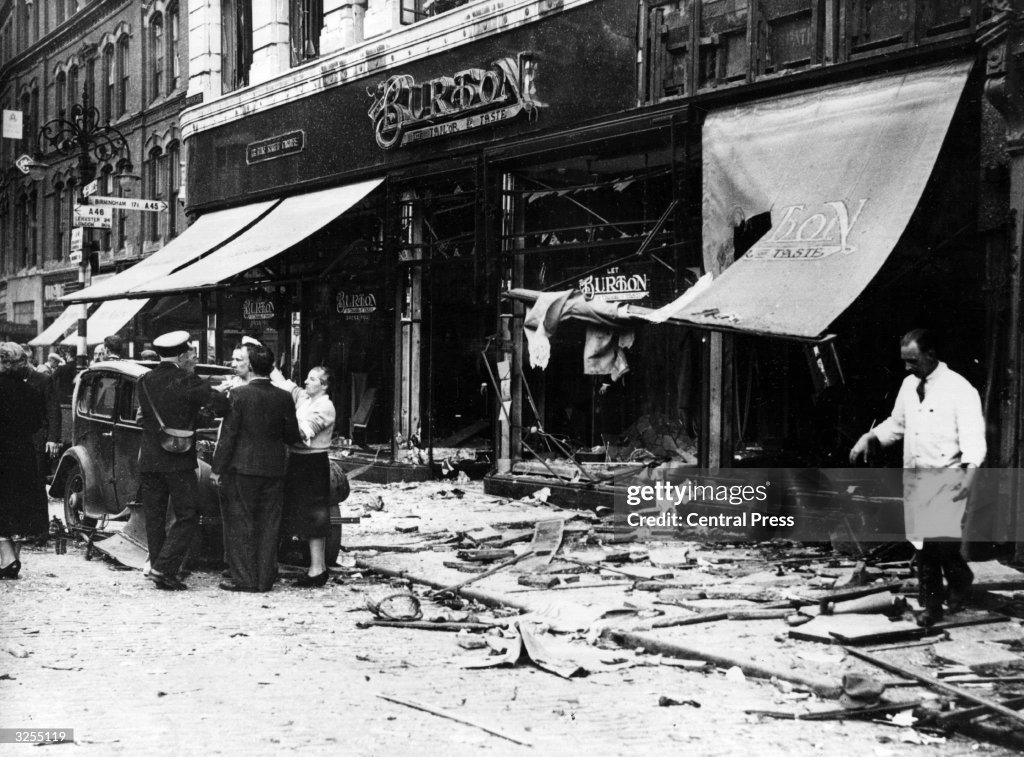
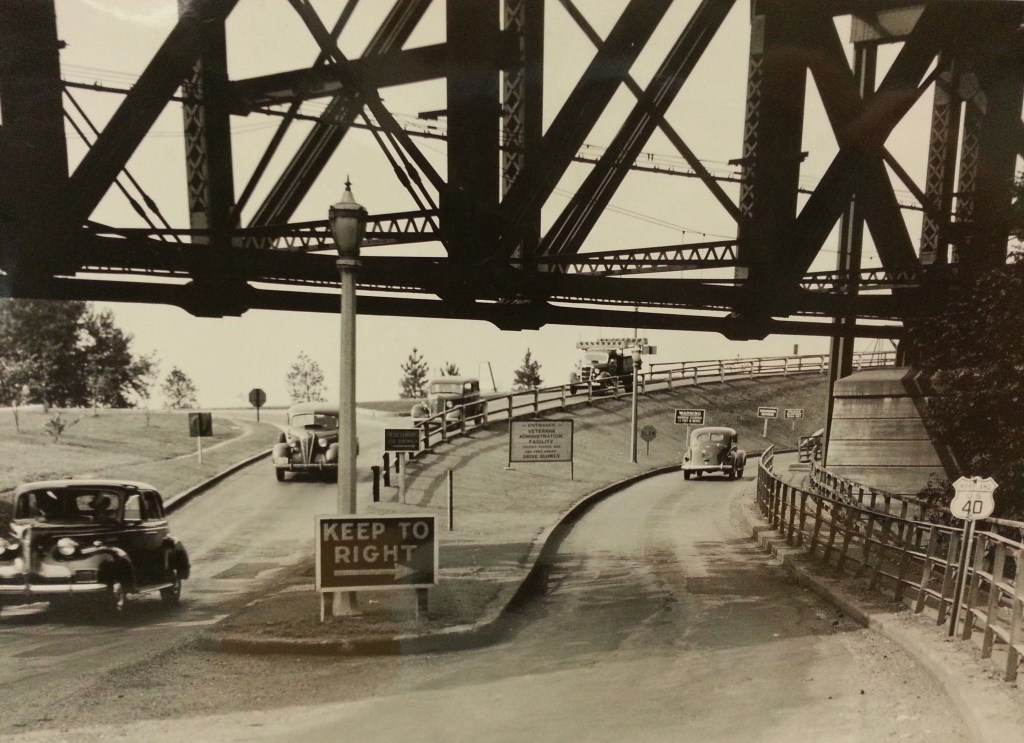
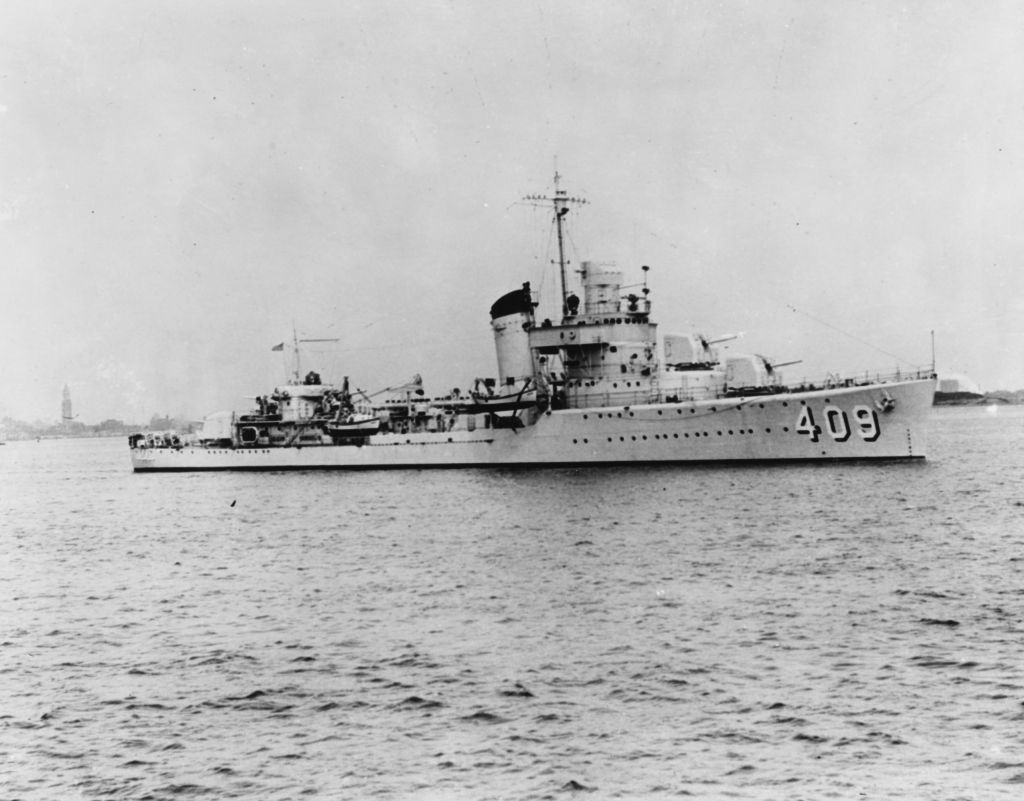
After shakedown training in the Caribbean and post-shakedown availability in the Boston Navy Yard, Sims joined the Atlantic Squadron at Norfolk, Virginia on 2 August 1940. The destroyer operated with the Neutrality Patrol in Caribbean and South Atlantic waters. In November–December 1940, Sims patrolled off Martinique. On 28 May 1941, the ship arrived at Newport, Rhode Island, and began operating from there. She sailed for Iceland on 28 July with an American task force. In August, the destroyer patrolled the approaches to Iceland. In September–October, the ship made two North Atlantic patrols. Sims had been attached to Destroyer Squadron 2 (DesRon 2) since she began making Neutrality Patrols.
With the outbreak of war on 7 December 1941, DesRon 2 became part of Task Force 17 (TF17) formed around Yorktown. The task force sortied from Norfolk on 16 December 1941 for San Diego, California. From there, it sailed as part of a convoy taking Marines to Samoa, arriving on 23 January 1942.
At the time, it was believed that the Japanese would attack Samoa to sever Allied communications with Australia. To thwart such a move, a carrier raid against Japanese bases in the Marshall Islands was planned. The Yorktown task force was to strike the islands of Mili, Jaluit, and Makin, while another force centered on Enterprise was to hit Kwajalein, Wotje, and Maloelap.
TF 17 departed Samoa on 25 January, with Sims in the screen. At 1105 on 28 January, she sighted an enemy bomber. At 1114, a stick of four bombs fell approximately 1,500 yards astern, straddling the wake of the destroyer. The next day, the two carrier forces and a bombardment group attacked the islands and withdrew.
Sims, with TF 17, sailed from Pearl Harbor on 16 February to attack Wake Island. Shortly after departing, their sailing orders were changed, and they proceeded to the Canton Island area. Canton is a small island on the Honolulu-New Caledonia air route, and it was thought to be endangered by the Japanese.
By early March, the Japanese had occupied Lae and Salamaua on the north coast of New Guinea. To check this drive, a carrier strike was launched on 10 March from Lexington and Yorktown. Sims remained near Rossel Island in the Louisiade Archipelago with a force of cruisers and destroyers to protect the carriers from enemy surface ships. Sims next operated in the New Caledonia-Tonga Islands area.
In late April 1942, a Japanese task force was assembled to begin operations in support of Japanese moves towards Australia. This consisted of a covering group to protect landing forces on Tulagi and Port Moresby and a striking force to eliminate Allied shipping in the Coral Sea. Shōhō was attached to the covering force, and Shōkaku and Zuikaku were the striking force under command of Admiral Takeo Takagi. The American ships were divided into task forces centered on Lexington and Yorktown. Sims was ordered to escort USS Neosho. The task force refueled on 5–6 May and then detached Neosho and Sims to continue to the next fueling point.
Lost 7 May 1942.
On the morning of 7 May, a search plane from the Japanese striking force sighted the oiler and destroyer and reported them to Admiral Takagi as a carrier and a cruiser. Takagi ordered an all-out attack. At 0930, 15 high level bombers attacked the two ships but did no damage. At 1038, 10 attacked the destroyer, but skillful maneuvering evaded the nine bombs that were dropped. A third attack against the two ships by 36 Val dive bombers was devastating. Neosho was soon crippled and burning aft as the result of seven direct hits and one plane that dived into her.
Sims was attacked from all directions. The destroyer defended herself as best she could. Three 250-kilogram (551 lb) bombs hit the destroyer. Two exploded in the engine room, and within minutes, the ship buckled amidships and began to sink, stern first. As Sims slid beneath the waves, there was a tremendous explosion that raised what was left of the ship almost 15 feet (4.6 m) out of the water. Chief R. J. Dicken, in a damaged whaleboat, picked up 15 other survivors. They remained with Neosho until they were rescued by Henley on 11 May. Sims was struck from the Naval Vessel Register on 24 June 1942.
Sims received two battle stars for World War II service.
 History Diaries