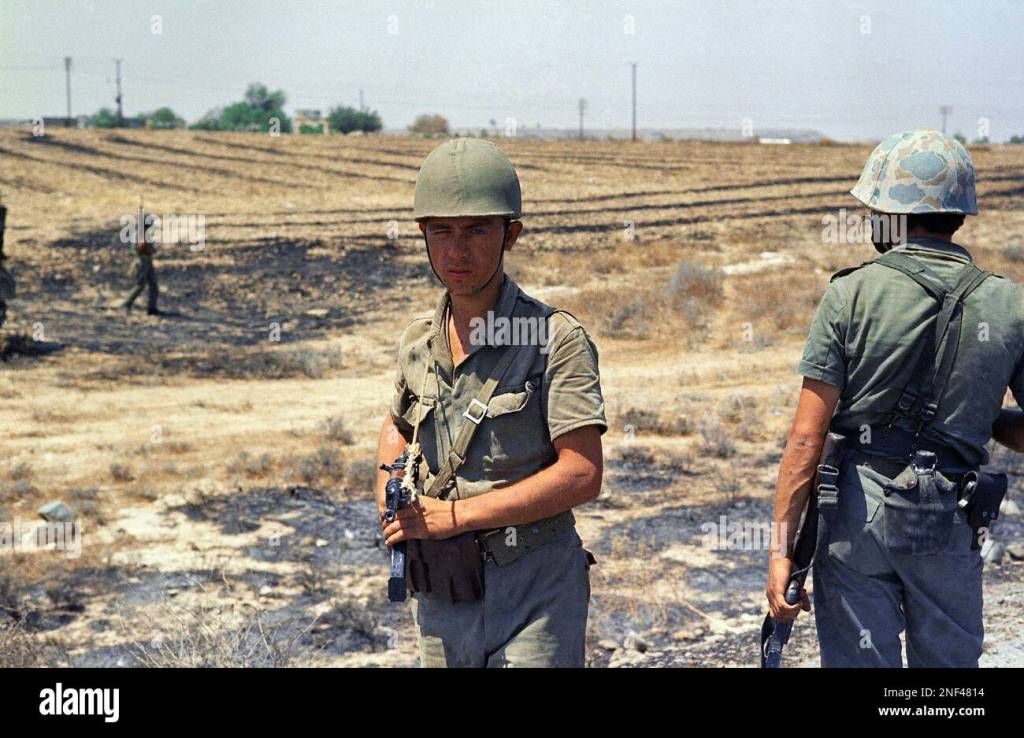
A crisis at the Nicosia Airport on Cyprus unfolds, despite the ceasefire. There was some confusion between the Turkish military and their government in that it was believed in Ankara that the airport was already under Turkish control… something that the military were still determined to achieve… ceasefire or not. In London, the British government was becoming increasingly anxious about the vulnerability of their troops at the airport. Just before midnight on the 24th July, NATO Secretary General Luns had passed the following message to the Turkish representative: “The UN Peacekeeping Force has been instructed to resist any attempts by Turkish units to occupy Nicosia airport. We ask you to forward to your government immediately our request that they order their forces not to go into action against the UN. We trust that they will listen to our appeal”.
The first of the reinforcements arrived at the airport around 01:00hrs on the 25th July and most were in place (with UN berets and still wet UN markings painted on their vehicles) by early morning. The Coldstream Guards concentrated on the defense of the terminal building whilst the Saladin armoured vehicles were to position themselves around the northern perimeter fence to act as a deterrent and as a ‘trip-wire’ to forewarn of any threatening Turkish movements. The prospect of Turkish air attacks galvanized the British government into action and twelve Phantom FGR2s from No:6 Squadron and No:228 Operational Conversion Unit at RAF Coningsby were dispatched to RAF Akrotiri. Flying in pairs and refueled in flight, the first eight arrived at 05:00hrs on the 25th July and by 06:45hrs were refueled, armed and ready for action. The remaining four arrived and were available a few hours later.
There were amazing sights and actions when the sun rose at 04:50hrs on the 25th July as the following descriptions explain.
Lt Col Morris (CO of 16th/5th Lancers) and Major Wright (B Squadron):
“Once airborne (in a UN helicopter) I was able, for the first time, to see the panorama below. I was concerned at how close my forward Saladins were to the leading Turkish tanks – 8 to 10 yards!
“I also quickly established that there were only five Turkish tanks and a battalion of infantry dug in along the perimeter. It was also fascinating to look down on the airport runway which was littered with debris, crashed aeroplanes and also quite badly cratered.
“We landed at the airport boundary road. I walked forward to talk to the Turkish battalion commander.
“We threatened each other politely for a short while without much effect.
“In the end I said, we are professional soldiers like you. We have been told to stop you taking the airport and that is exactly what we are going to do. Do not forget we have 12 RAF Phantom jets on call which are better than your Sabres and could destroy your battalion.
“He seemed very impressed and worried by this statement, and after some consultations on the radio he replied through the interpreter: ‘Yes, I quite understand. There will be no attack’.”
The international pressure placed on Turkey included some very “robust” telephone calls between UK Prime Minister, Harold Wilson and his Turkish counterpart, Bulent Ecevit. The UK was on the brink of being at war with Turkey when at 05:40hrs (local Cyprus time) on Thursday 25th July 1974, Kurt Waldheim announced that he had received a letter from the Turkish Foreign Minister which read:
I am happy to be able to reaffirm the assurances conveyed earlier in the day to your Excellency by my Prime Minister. I would like to reiterate that, without prejudice to the contentions of the Turkish Government as to the legality of the United Nations presence at the Lefkosa (Nicosia) airport in Cyprus, the Government of Turkey undertakes not to attempt to assume possession of the Lefkosa (Nicosia) airport by force, the threat of force or other means of coercion. I hope, Mr. Secretary General, that this letter will help to relieve the understandable tension under which we all lived today.
About 1,750 men from the ethnic Turkish enclave of Limassol in Cyprus and surrounding Turkish villages are penned behind coils of barbed wire on the sun-baked playing field of Limassol’s municipal soccer stadium. Although the men are dressed in street clothes and say they are civilians, they are being held as prisoners of war by the Greek Cypriotes. Since they and other Turkish prisoners are the Greek Cypriots’ chief bargaining card in any future negotiations with the Turks, the prospects for their early release appear dim.
The Turkish government announced that it had taken 783 Greek and Greek Cypriot prisoners during the fighting in Cyprus. Greek Cypriots say they hold 1,750 Turkish prisoners of war. Exchange of prisoners is likely to be one of the first items on the agenda at the Geneva talks.
“My boy, my boy,” shouted an aged Greek woman as she greeted her 61-year-old son, one of the political prisoners released from confinement on the prison island of Gyaros who arrived in Athens after the fall of the junta. Wives, children and friends also embraced the political exiles and offered large bouquets. The man who had jailed many of them, former General Demetrios Ioannides, was under comfortable house arrest at a military resort.
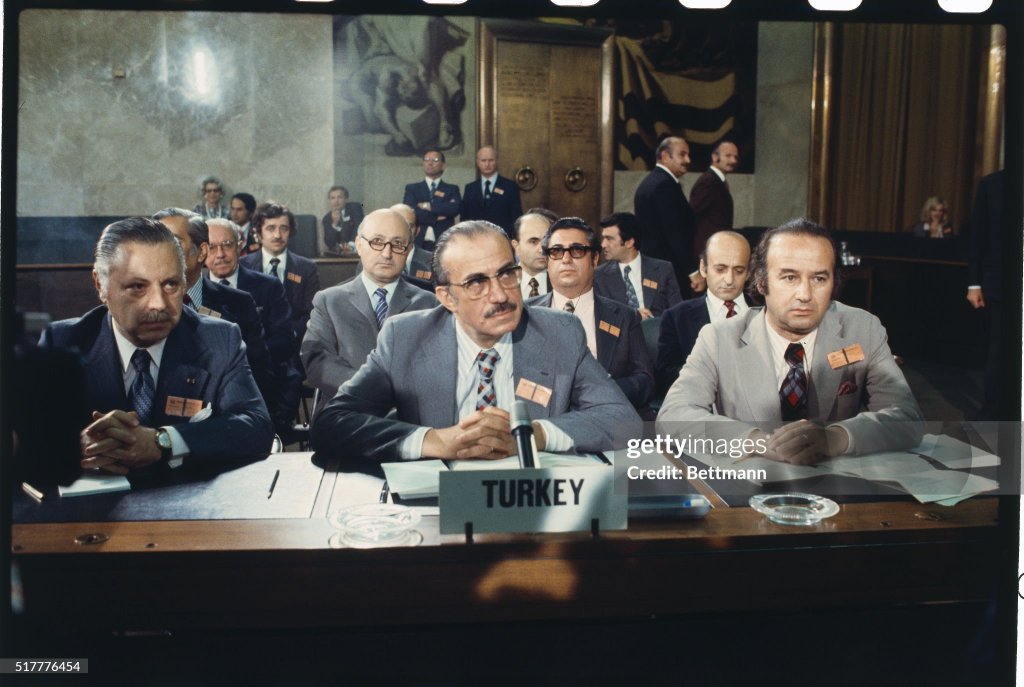
The United Nations Buffer Zone in Cyprus was established by agreement of the foreign ministers of Greece George Mavros, Turkey (Turan Güneş) and the United Kingdom (Foreign Secretary James Callaghan) at a meeting in Geneva, setting a neutral zone separating the Greek Cypriot population in southern Cyprus from the Turkish Cypriot population in northern Cyprus. The zones are divided by a 112-mile (180 km) line that runs west to east from Kato Pyrgos to Paralimni and passes through the capital of Cyprus, Nicosia. The “Green Line” effectively divides the Republic of Cyprus and the largely unrecognized Turkish Republic of Northern Cyprus.
An Irish Republican Army bomb blitz forced the evacuation of downtown Belfast at the height of the evening rush hour. As thousands obeyed police orders to clear the area, four car bombs exploded within 30 minutes, leaving a sea of debris from wrecked stores and offices. Police, who reported no casualties, said the IRA used its proxy bomb technique — hijacking vehicles, packing them with explosives and forcing their drivers to head for the target areas under threat of death. The first warning came when a driver leaped from a truck in front of the luxurious Belfast Europa Hotel and shouted an alarm.
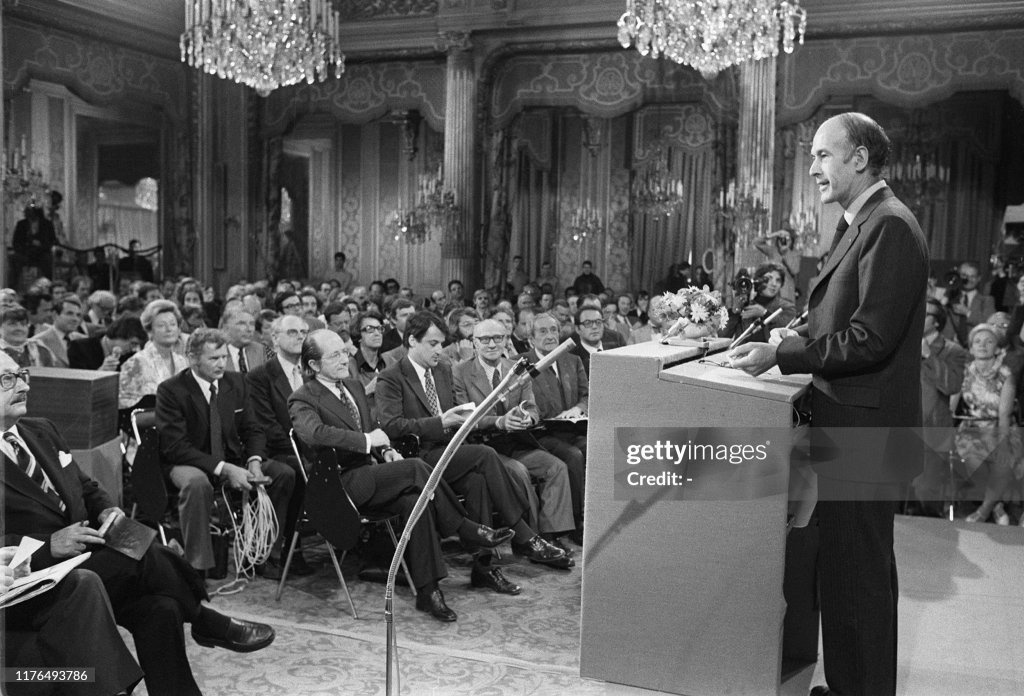
French President Valery Giscard d’Estaing has reaffirmed his intention to end French nuclear tests in the atmosphere this year. In a press conference, Giscard d’Estaing also promised to give a new style to the presidency and said he would go on fighting for the rights of French women. He said the government was giving no thought to a wage and price freeze and believed the measures already taken were sufficient to fight inflation.
U.N. Secretary General Kurt Waldheim will visit Portugal Sunday and Monday for talks with government leaders on the future of Portugal’s African territories, U.N. sources said in New York. It will be the first visit by a U.N. secretary general to Portugal which, until the April 25 coup in that country, refused to acknowledge U.N. competence in the affairs of its African provinces.
The World Court, supreme legal body of the United Nations, has ruled in favor of Britain and West Germany in their “cod war” with Iceland. The International Court of Justice held that Iceland was not entitled to extend its fishing limit from 12 miles (19 km) to 50 miles (80 km).
Israeli forces tonight surrounded an encampment in occupied Jordanian territory where Israeli squatters proclaimed their intention to found a Jewish settlement notwithstanding the Government’s objections. The would-be settlers comprise 35 families with 55 children. A spokesman said that they included scientists and other professionals and that they had the financial backing for science‐based industries, toy factory, a tannery and other enterprises. Some of the settlers are recent immigrants from the Soviet Union and the United States. They belong to a movement that maintains that all of the Jewish ancestral homeland must be open to Jewish settlement. They made two previous attempts to settle in the Samaria region but were ejected by military forces.
Communist forces threatening South Vietnam’s second largest city of Da Nang have launched the heaviest and bloodiest fighting of the so-called Vietnam cease-fire, military spokesman reported in Saigon. Enemy gunners poured 5,000 artillery, rocket and mortar shells into a government base 25 miles southwest of Da Nang, 370 miles north of Saigon, Wednesday, the Saigon command said in a delayed report. An estimated 6,000 North Vietnamese troops attacked the base, and in fighting that stretched into Thursday an estimated 1,100 Communists and 60 government soldiers were killed. Another 200 South Vietnamese troops were reported missing.
Chinese sources said in Moscow that talks between the Soviet Union and China aimed at resolving the long-standing border dispute between the two countries have failed to produce any progress. The sources said the talks, resumed last month in Peking, have again been suspended because the Soviet Union refused to change its position. The Soviet press recently has repeated charges that Peking was continuing to make unacceptable demands, apparently a reference to Chinese claims to large tracts of Russian territory in Siberia.
The Bolivian government has broken up a plot led by the Christian Democratic Party aimed at overthrowing the government, Interior Minister Juan Pereda charged. Pereda said the Christian Democrats had formed an alliance with extreme leftists and disgruntled military officers to revolt at the end of July.
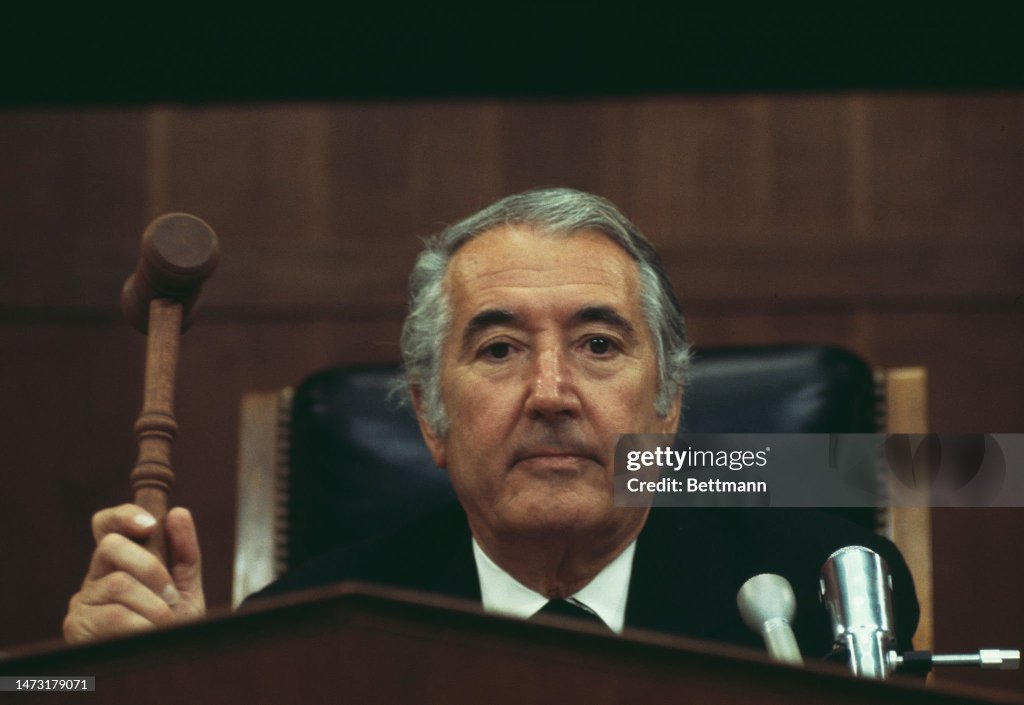
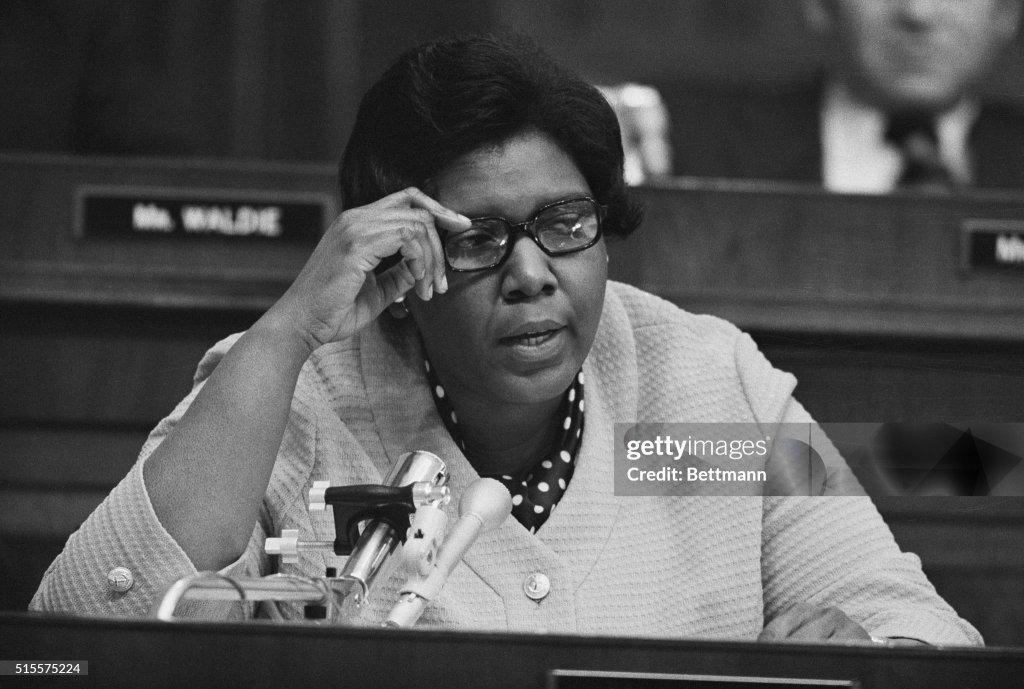
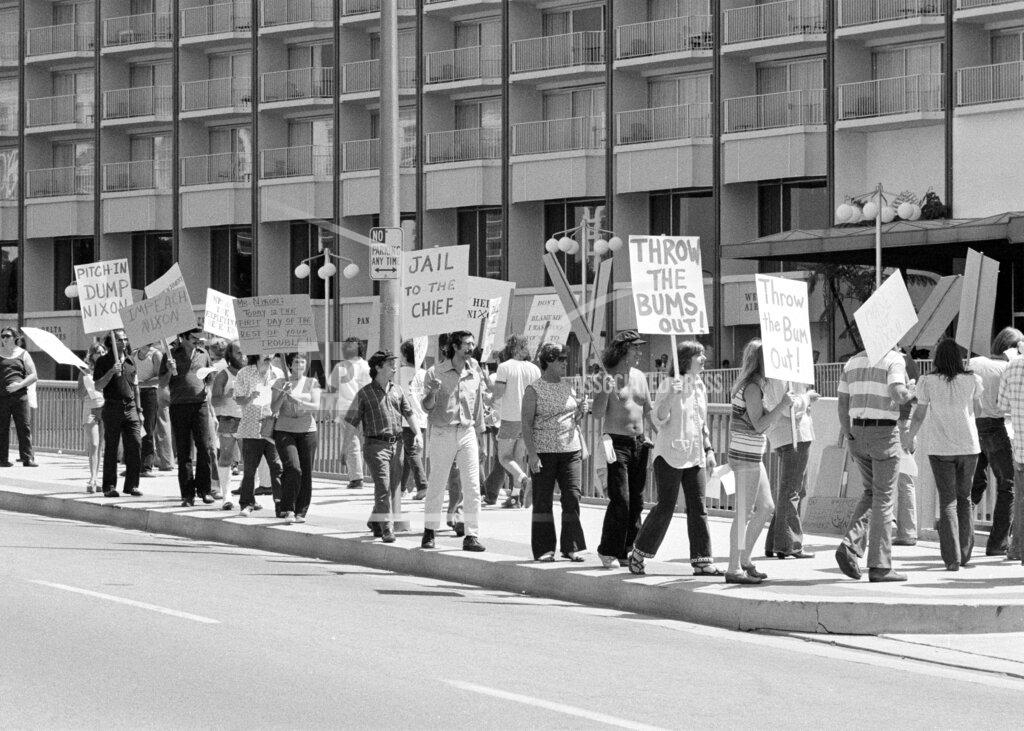
In the second day of its general impeachment debate, a large, bipartisan majority of the House Judiciary Committee appeared ready to adopt a resolution formally proposing President Nixon’s impeachment. Nearly all of the Democrats and a half dozen of the Republicans on the committee declared sharply or hinted broadly that they would support one or both of the central proposed articles of impeachment.
President Nixon’s popularity rating has declined to its lowest point recorded to date, with only 24 percent approving his performance, the Gallup Poll reported yesterday. Mr. Nixon’s approval rating, down four points since early June, is also the lowest given any President since Harry S. Truman’s rating of 23 percent, recorded in the fall of 1951 following the breakdown of truce talks in the Korean war. The Gallup organization said the decline in approval since early June had occurred principally among lower‐income groups and persons with less than a college background — groups that tend to be somewhat more concerned with economic than international problems.
The Supreme Court raised major hurdles to merging city and suburban schools for racial integration by all but banning the busing of children across school district lines for desegregation. The 5-to-4 ruling, involving Detroit and its suburbs, was viewed by supporters of school integration as their most serious setback since the victory they won when the Court prohibited separate but equal educational facilities for black and white children its landmark decision of 1954.
In what appeared to be a veto-proof vote, the House, 291 to 81, approved a bill that would impose strict federal environmental controls on the widespread desolation of land and water used by strip mining for coal. The extremely complex and controversial bill now goes to a conference with the Senate, which had passed a strict regulatory strip-mining bill last fall.
President Nixon offered a steady-as-you-go policy of fiscal and monetary restraint, along with an appeal to the American people to spend less money, as his program to curb inflation. He offered no major surprises or innovations as part of his anti-inflation plan in a speech before a group of businessmen in Los Angeles.
The U.S. Supreme Court ruled, 5 to 4, that busing of students from suburban school districts to city schools, to achieve racial desegregation, was unconstitutional. The decision came in a challenge to a ruling requiring white students in Michigan, living outside Detroit city and school district limits, to be sent on school buses to predominantly black schools in Detroit.
The White House announced that President Nixon has signed into law a bill creating a new independent corporation providing legal aid for the poor. The Legal Services Corporation (LSC) was created in the U.S. as President Nixon signed legislation passed by Congress to fund legal aid for the poor, for limited purposes. In return for funding, representation was limited to civil cases involving rent, child custody, property, housing and welfare rights, and were barred from being paid for cases involving constitutional law, such as for the military draft, racial desegregation, labor disputes and abortion.
Senator Edmund S. Muskie of Maine and eight other Democrats have been named to the influential Senate Budget Control Committee. The committee, headed by Muskie, will be charged with setting legislative priorities and placing a ceiling on appropriations. The eight other Democrats are Joe Biden, Delaware; Lawton Chiles, Florida; Ernest F. Hollings, South Carolina; Walter F. Mondale, Minnesota; James Abourezk, South Dakota; Alan Cranston, California; Frank E. Moss, Utah; and Warren G. Magnuson, Washington.
Russell E. Train, head of the Environmental Protection Agency, said today that he did not believe that the 1975 model cars, which must run on no‐lead gas, would give consumers trouble. Mr. Train was asked about an internal E.P.A. report that allegedly questioned whether new model cars after running perhaps 10,000 miles would be able to obtain sufficient octane in no‐lead gas to prevent engine knock. “This really not an accurate description of the situation at all,” Mr. Train told a news conference.
Wage settlements in the second quarter of 1974 moved ahead rapidly, the Labor Department reported. For the first year of contracts negotiated that include cost-of-living escalator clauses, the gain was 10.6% at an annual rate, compared with the first quarter’s 8.9%. For all settlements, including those without escalator clauses, the annual rate of gain in the first year of contracts negotiated was 10%, compared with a 7.6% increase in the first three months.
The United Auto Workers began contract negotiations in Detroit for 15,000 U.S. and Canadian American Motors Corp. workers with a pledge not to bargain away their right to refuse overtime. The present contract expires Sept. 16, and a UAW official said he expected the smallest of the automakers to match settlements negotiated last year with the automotive “big three.”
A bill that would Impose strict Federal environmental controls on the widespread desolation of land and water caused by strip mining for coal cleared the House tonight after one of the chamber’s longest and most heated debates in years. The final vote, 291 to 81, sent the complex and bitterly controversial measure to a conference with the Senate, which had passed a strict regulatory bill last fall. Despite the dissatisfaction with the House bill on the part of those who oppose any further strip mining, the measure approved tonight, when combined with the slightly different but equally stringent Senate bill, seemed certain to force revolutionary changes in the coal industry.
Mourners filed past the body of former Oregon Senator Wayne L. Morse as his body lay in state in the capitol rotunda in Salem before memorial services this morning. Morse, who died Monday at the age of 73, served in the Senate 24 years until he was defeated in a reelection bid by Republican Robert W. Packwood in 1968. He made an unsuccessful comeback attempt in 1972 and again won the Democratic Party’s nomination this year.
State laws covering prostitution “represent one of the most direct forms of discrimination against women,” a committee of the American Bar Association said. The ABA’s Section of Individual Rights and Responsibilities said in Chicago: “In accordance with society’s double standard of sexual morality, the woman who sells her body is punished criminally and stigmatized socially while her male customer, either by explicit design of the statute or through a pattern of discriminatory enforcement, is left unscathed.” The committee will seek support of its position from the ABA’s policy-making house of delegates at the bar group’s annual meeting in Honolulu August 12 to 16.
The number of domestic pets is increasing so fast worldwide that it might be necessary to let animals starve so humans can be fed, a Colorado State University scientist said. Lloyd C. Faulkner, a veterinarian and chairman of the university’s physiology department, told members of the American Veterinary Medical Assn. meeting in Denver that pets are 20 to 30 times as prolific as humans. He said establishment of clinics throughout the nation to sterilize dogs and cats would cost too much to alleviate the problem in the United States.
In the second game of a Cleveland Stadium twi-night doubleheader, Buddy Bell launches a ninth-inning two-run home run to tie the score at 3, enabling the Indians to beat the Baltimore Orioles in 13 innings, 5–4. With their 8–7 victory in the opener, the Tribe ends the day a half-game out of first place in the tight four-team race in the American League East.
Carl Yastrzemski hit the 300th home run of his career tonight in Tiger Stadium, one of three homers hit by the Boston Red Sox in a 12–4 victory over slumping Detroit. Boston also got homers from Rico Petrocelli and Tommy Harper. Rogelio Moret got the win after scheduled starter Rick Wise had to skip the game with a sore arm.
At Riverfront Stadium, Tony Perez caps a 5–run Cincinnati Reds rally in the 9th by hitting a two out, two strike walk-off home run. The Reds top the San Francisco Giants, 14–13. Bobby Bonds had hit his 13th home run in the top f the ninth to give the Giants a 13-9 lead. Randy Moffitt was charged with all five Reds runs and took the loss. Fred Norman then yields just five hits and wins the nightcap of the doubleheader, 5–0, for the Reds.
Jim Wynn rapped out a homer and three singles against his old team as the Los Angeles Dodgers beat the Houston Astros, 11–3. Don Sutton got the win with relief help from Mike Marshall, who appeared in his 67th game of the season. The Dodgers then won the nitecap of the doubleheader 2–0, on Doug Rau’s seven-hitter.
In his managerial debut with the club, Clyde King guides the Atlanta Braves to a 1–0 extra-inning victory over the San Diego Padres. The former Giant skipper, who replaced the recently dismissed Eddie Matthews, will finish the season with a 38–25 record, but the team fires the Goldsboro, North Carolina native next year in August with his club mired in fifth place in the NL West.
In Green Bay, Wisconsin, 21 NFLPA union members were arrested during the union’s labor strike against the National Football League, after refusing orders to comply with a restraining order. The rounded-up members of the Green Bay Packers and Chicago Bears posted bond during their arraignment and were released. Players arrested including Rich McGeorge and Gale Gillingham of Green Bay, and Mac Percival of Chicago. He remaining Packers went on to beat Chicago, 17 to 0, in a preseason game.
Dow Jones Industrial Average: 795.68 (-10.09, -1.25%).
Born:
Jay R. Ferguson, American actor (“Evening Shade”, “Mad Men”), in Dallas, Texas.
Paul Epworth, British Grammy and Academy Award-winning record producer, musician, and songwriter (Adele, Florence and the Machine, and Rihanna), in Bishop’s Stortford, England, United Kingdom.
Scott Sanderson, NFL tackle (Tennessee Oilers-Titans, New Orleans Saints, Chicago Bears), in Walnut Creek, California.
Todd Fuller, NBA center (Golden State Warriors, Utah, Charlotte Hornets, Miami Dolphins), in Fayetteville, North Carolina.

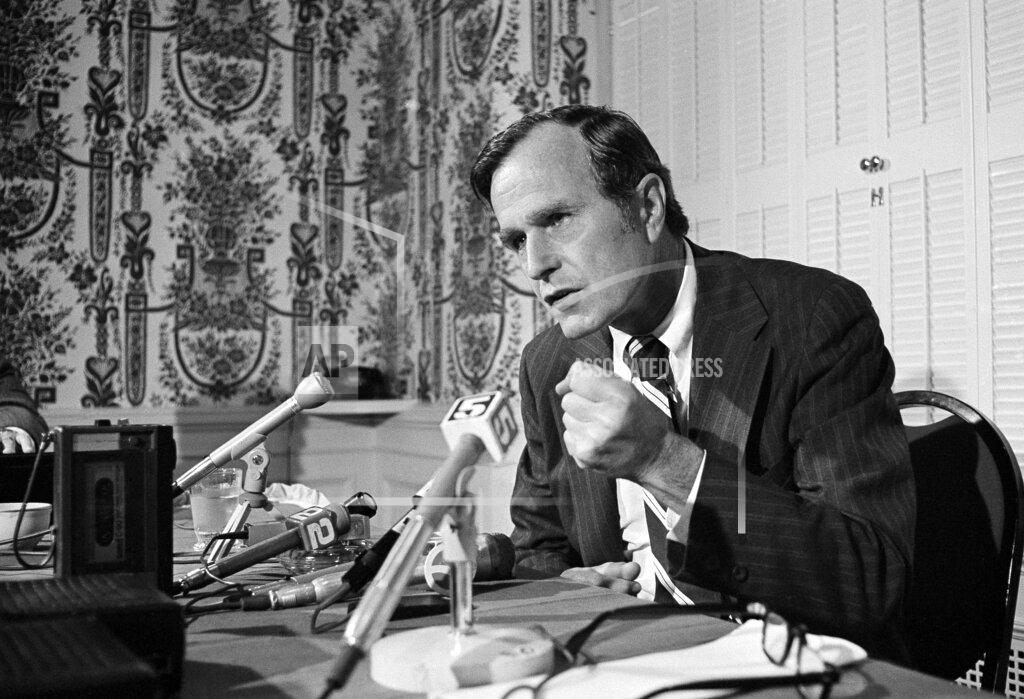
[Ed: Sure, George, and you won’t raise taxes, either.]
 History Diaries