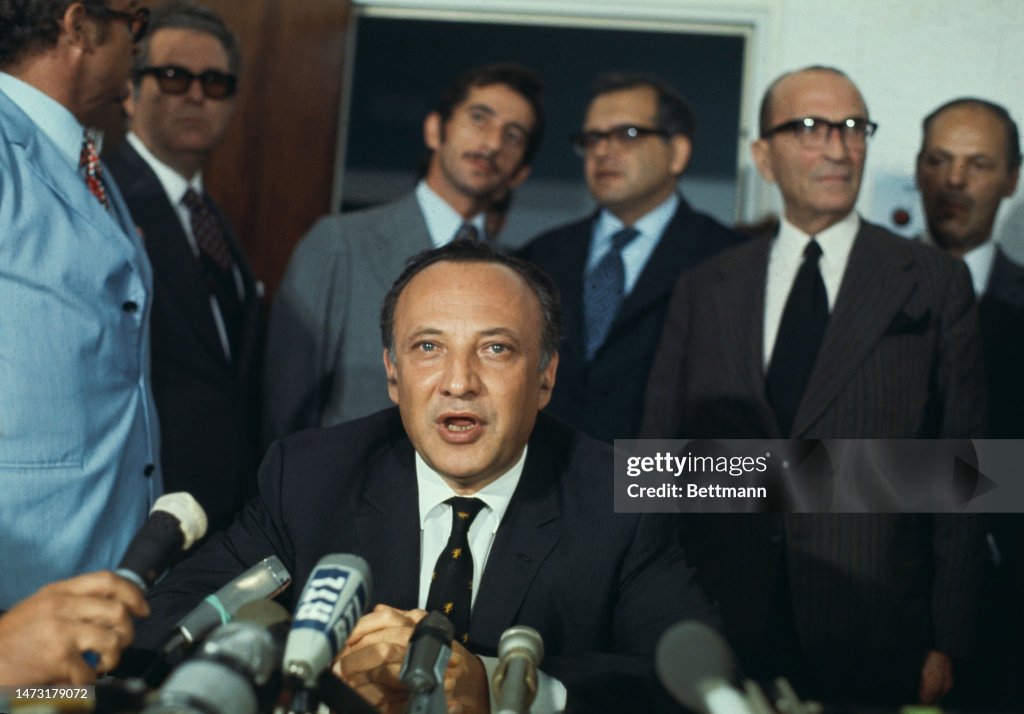
The Greek military junta, headed by General Dimitrios Ioannidis, stepped down as former Premier Konstantinos Karamanlis was sworn in as Prime Minister. Karmanalis took office at 4:00 in the morning after returning to Athens from Paris, where he had been living since 1967. General Phaedon Gizikis continued as the figurehead President of Greece. Amnesty was granted by the Karmanalis government to all political prisoners who had been incarcerated during the rule of the junta. The first detainees were returned to mainland the next day from the prison island of Gyaros.
Greece’s new civilian government under Premier Konstantine Karamanlis moved quickly toward democracy by announcing the release of all political prisoners and amnesty for all political crimes. Several members of his cabinet had been jailed or deported by the former military rulers. Its first meeting dealt with Cyprus and steps toward restoration of civil rights.
President Nixon sent congratulations to Premier Karamanlis, pledging full support and looking forward to close and friendly relations with “the new leader of Greek democracy.” Secretary of State Kissinger said the new government was composed of “old friends of ours.” In a separate statement, the State Department said that the new Cyprus government represented a return to constitutionality.
Premier Bulent Ecevit of Turkey hailed Greece’s new civilian government as a step toward “a new era for democracy and freedom in our region.” He sent warm greetings to Premier Karamanlis and told reporters, “We shall be speaking the same political language.” Ankara officials saw a chance to negotiate long-standing disputes over Cyprus and Aegean Sea oil rights.
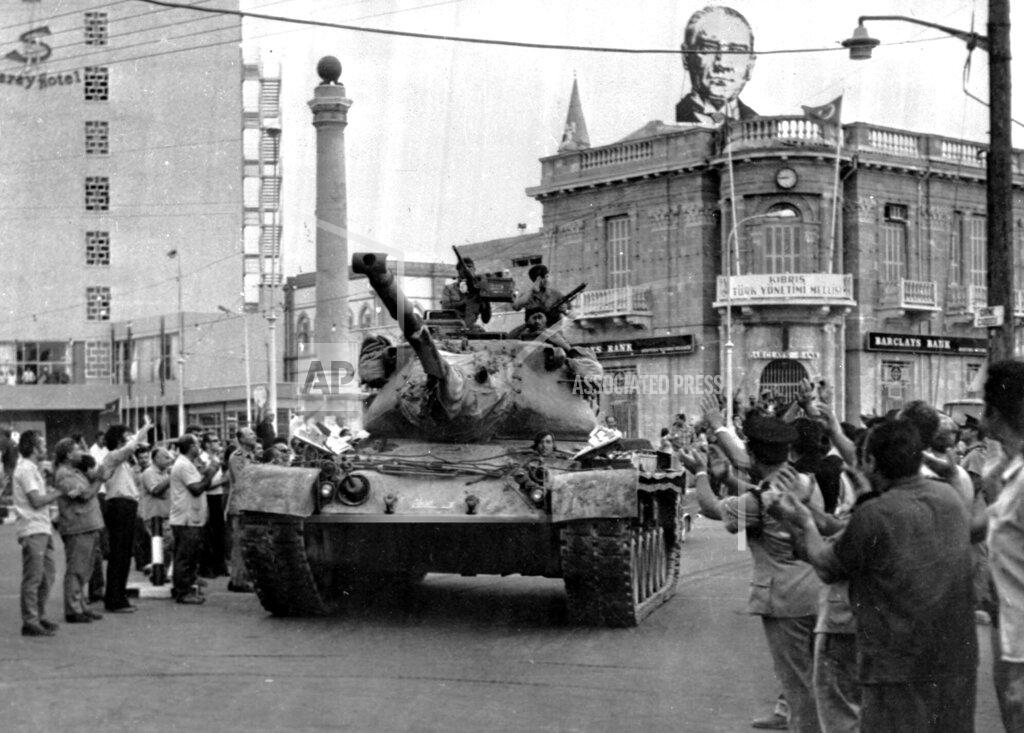
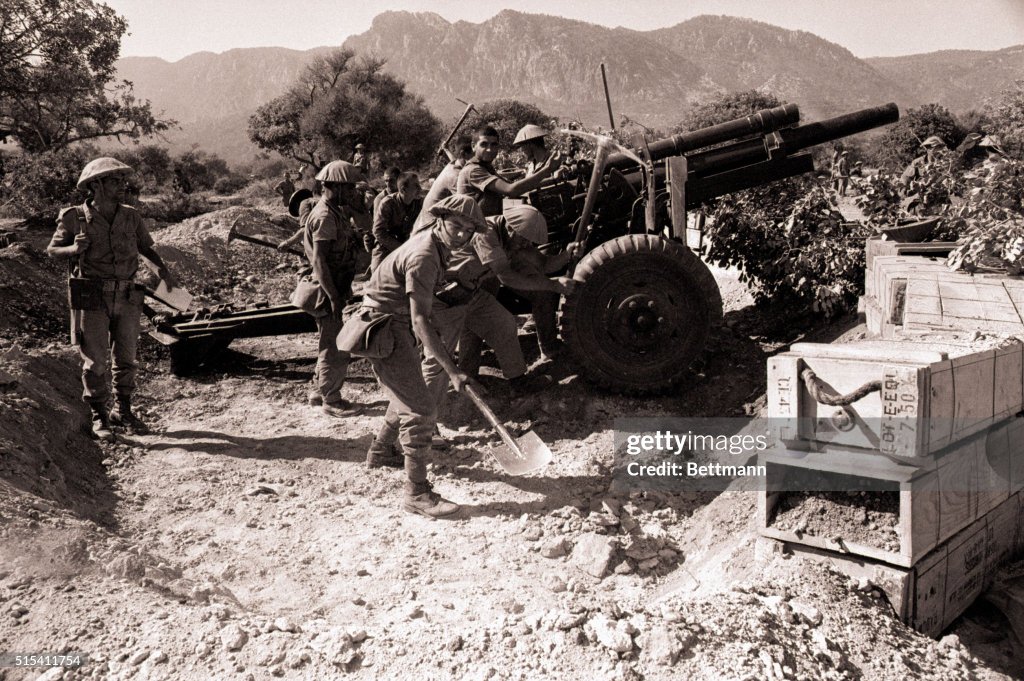
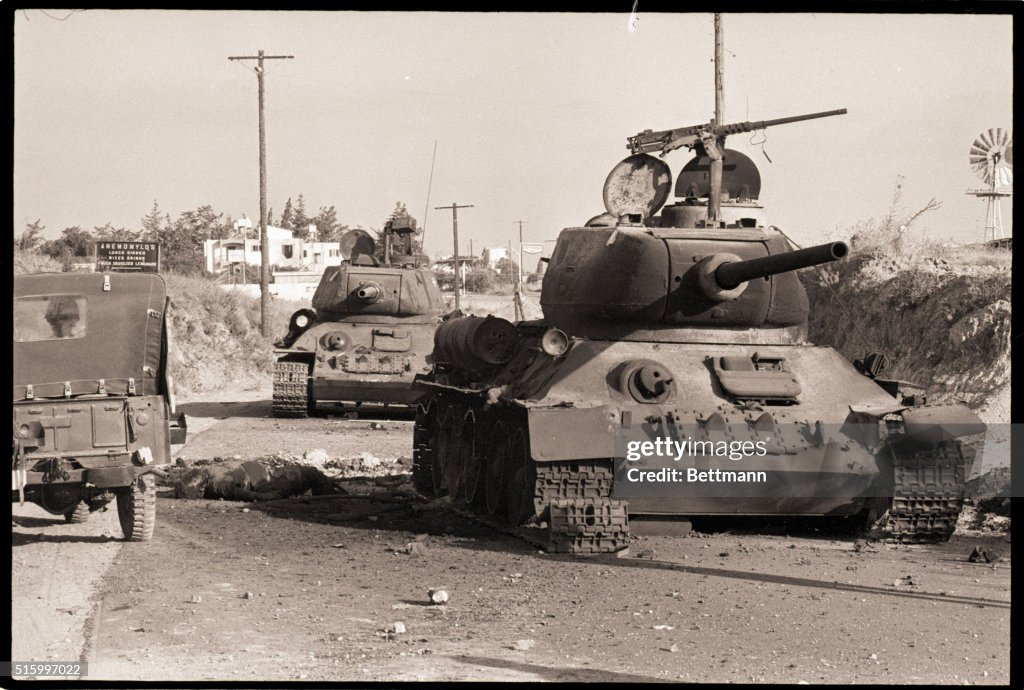
President Glafkos Clerides of Cyprus said the people would decide in general elections in the next few months whether Archbishop Makarios would ever resume the presidency. Meanwhile, he said, it would be very unwise for the archbishop to attempt to return to the island. Mr. Clerides insisted that he had not been installed by the Greek officers who led the coup that overthrew Archbishop Makarios, but the military seemed in control in Cyprus.
On a private visit to Moscow, Elliot Richardson, President Nixon’s former Secretary of Defense and Attorney General, has been seeking to assure Soviet leaders that, in his view, even if the President is removed, détente will be continued.
Soviet party leader Leonid I. Brezhnev delivered the opening address at a plenary meeting of the Soviet Communist Party’s Central Committee in Moscow. The committee discussed questions to be taken up by the Supreme Soviet, the parliament of the Soviet Union, which is scheduled to meet today. The Central Committee of the Soviet Communist party held plenary meeting today, apparently endorsing existing policies with little if any change. Today’s meeting was evidently both routine and brief. Foreign Minister Andrei A. Gromyko was free to go to the airport this afternoon to greet Foreign Minister Aldo Moro of Italy. And Premier Aleksei N. Kosygin was able to get away for an appointment with former Attorney General Elliot L. Richardson, here on a private visit.
Portugal has formally acknowledged the right of its overseas colonies to self-determination and independence. The notice signed by President Antonio de Spinola said in part, “The principle that a solution to the overseas wars is political and not military… implies… the recognition by Portugal of the right to self-determination by the people.”
The record for fewest votes cast in the British House of Commons was set on a motion to adjourn debate on the British Railways Bill. At 1:33 in the morning, with few MPs present, Conservative member Bernard Braine cast the lone vote, opposing the motion. The motion was declared not decided because of the lack of a quorum.
Millions of workers struck at staggered hours in Italy in a “Day of Struggle” protest against economic austerity measures. Mass transit systems were closed for three hours in most cities and Alitalia Airline flights were suspended for four. Factory workers, clerks, farm laborers, police and sanitation men were among the strikers.
The World Health Organization in Geneva said a vaccine tested in Africa offers a “high level of protection” against the often fatal disease of cerebrospinal meningitis. The disease is spread through the respiratory system like an ordinary cold and death may come within hours after it is contracted. WHO said more than 70,000 people were vaccinated during the tests in Egypt and the Sudan and not one was infected.
The International Congress on World Evangelization meeting in Lausanne, Switzerland, averted an apparent conflict over the authority of the Bible through a last-minute change of wording regarded as sufficiently ambiguous to suit most of the 2,700 participants. Leading Evangelical Protestants from 150 countries began signing the Lausanne Covenant which declares that the Bible is “without error in all that it affirms.
An explosion ripped open and set afire the Liberian supertanker Asiatic off the coast of France. A British navy spokesman said a tank exploded in the ship’s No. 9 hold destroying the bridge, killing one child and injuring eight persons. The crippled ship was trying to reach Brest. The injured included three women, and two male passengers and three crewmen.
The Saigon command said today that South Vietnamese planes flew the heaviest raids of the 18‐month‐old cease‐fire yesterday against North Vietnamese forces. Lieutenant Colonel Lê Trung Hiền, the command spokesman, said more than 200 strikes had been flown in support of ground troops throughout South Vietnam. He said 350 North Vietnamese and Việt Cộng soldiers had been killed. Meanwhile, fighting continued for the eighth day in the north ern region just below Da Nang. Reports from the field said local authorities ordered government employes and villagers to evacuate the district capital of Đức Dục, 20 miles southwest of Da Nang, in the face of sustained shelling attacks.
A South Korean district criminal court in Seoul has sentenced five civilians to death for espionage on behalf of North Korea and plotting an uprising against President Park Chung Hee. Three others were sentenced to life imprisonment, and 24 were given terms ranging from one to 15 years. The ring, in addition to spying, was accused of trying to infiltrate political, intellectual and labor organizations to incite unrest and confusion and to prepare for an uprising against the government.
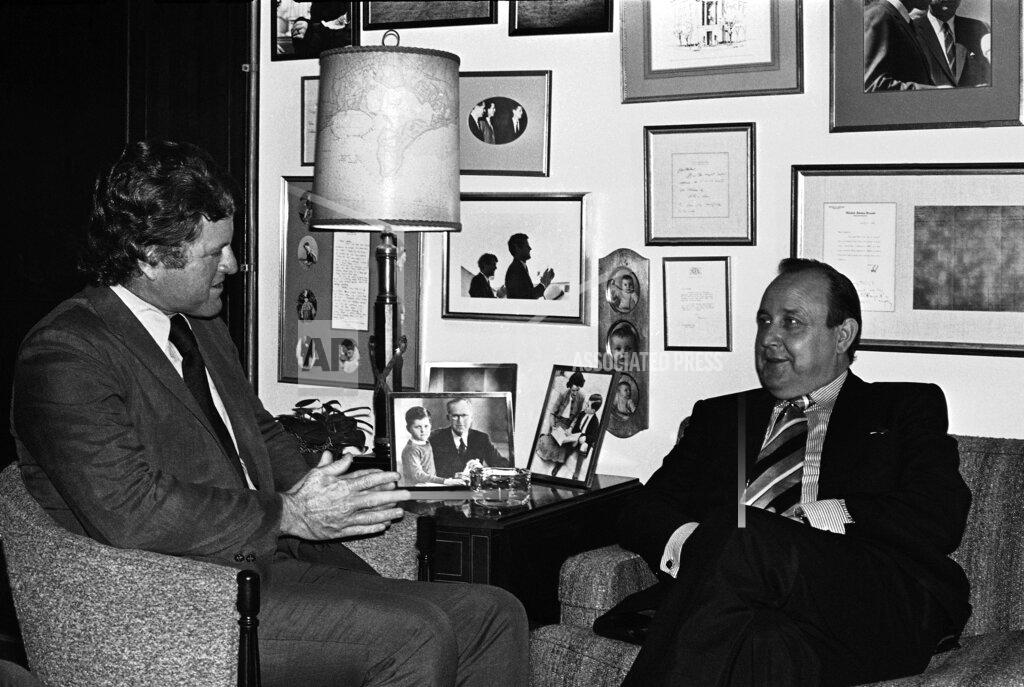
Secretary of State Kissinger said today that although the Nixon Administration did not approve of South Korea’s repressive policies, it had decided to continue economic and military aid for Asian security reasons. Testifying before a Senate Appropriations subcommittee on the Administration’s foreign aid requests, Mr. Kissinger was asked by Senator Edward W. Brooke, Republican of Massachusetts, how the Administration justified continued aid to countries like South Korea whose police units were “authoritarian.” Mr. Kissinger, aware of moves in the Congress to bar military aid to the Government of President Park Chung Hee because of the widespread arrests and repression of critics, said that after a consideration of South Korea’s political and strategic importance in Asia, the Administration decided “to authorize economic and military assistance even when we would not recommend the actions of the Government of South Korea.”
The Japanese Parliament began a special session today and, in an unusual move seen as a sign of his weakened leadership, Premier Kakuei Tanaka refused to give the customary opening address. It was the first time in many years that a Premier had failed to give the opening policy speech, which is usually followed by questions from Opposition party members. Mr. Tanaka apparently wanted to avoid the questions, which were expected to focus on the government’s efforts to curb inflation. Japan is suffering from the worst inflation of any of the major industrialized nations, and this was one of the main issues that hurt Mr. Tanaka’s Liberal‐Democratic party in the elections for the upper house two weeks ago.
In Colombia, a 29-year-old man hijacked an Avianca Boeing 727, with 129 passengers on board, shortly after it took off from Pereira, for a domestic flight to Medellín, and demanded a ransom of two million U.S. dollars and the release of a political prisoner. The airliner diverted to Cali, where police disguised as flight mechanics boarded and overcame the hijacker and a female companion. The arrested man, Eduardo Martinez, had hijacked a Colombian plane in 1969 and flown it to Cuba, then made it back to Colombia to commit a second air piracy. Another account says that the hijacker was killed by police.
Bolivian President Hugo Banzer Suarez has promised to hand over power to a constitutional government after general elections in October, 1975. In a nationwide message last night, General Banzer, who seized power in 1971, said a referendum would be held next March on structural changes proposed by a special national council.
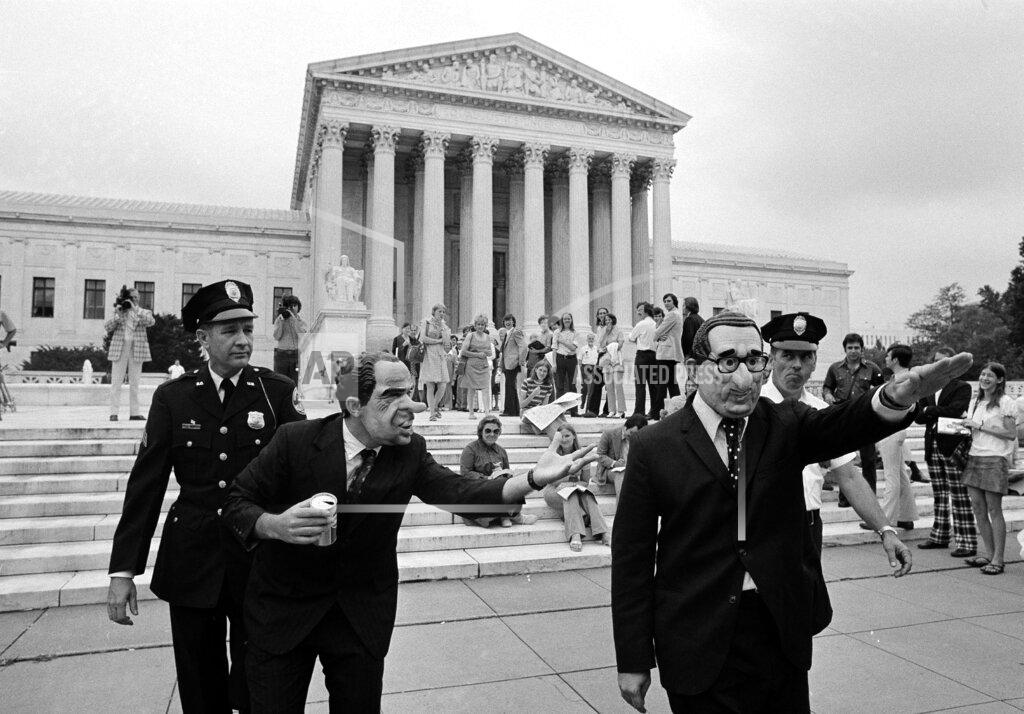
The U.S. Supreme Court issued a landmark decision in United States v. Nixon, holding unanimously (8 to 0) that the President of the United States could not withhold evidence based on the defense of national security, and ordering U.S. President Nixon to release the tape recordings, pertaining to the Watergate scandal, made of conversations in the Oval Office of the White House. Associate Justice William Rehnquist recused himself from the decision because he had worked for the U.S. Attorney General in the past and had been appointed to his position by Nixon. The decision would clear the way for the release of the incriminating tape of June 23, 1972, in which Nixon authorized obstruction of defense. It rejected flatly the White House contention that he had absolute authority to refuse such assistance. Under the decision announced by Chief Justice Warren Burger, Mr. Nixon will be required to surrender tape records of 64 White House conversations for use in the Watergate cover-up trial and also for possible use in impeachment proceedings.
President Nixon abandoned his challenge to the Supreme Court’s jurisdiction over him and said that he would comply with its ruling on subpoenaed data “in all respects.” In a statement read by his lawyer, James St. Clair, he said that he was disappointed but would obey.
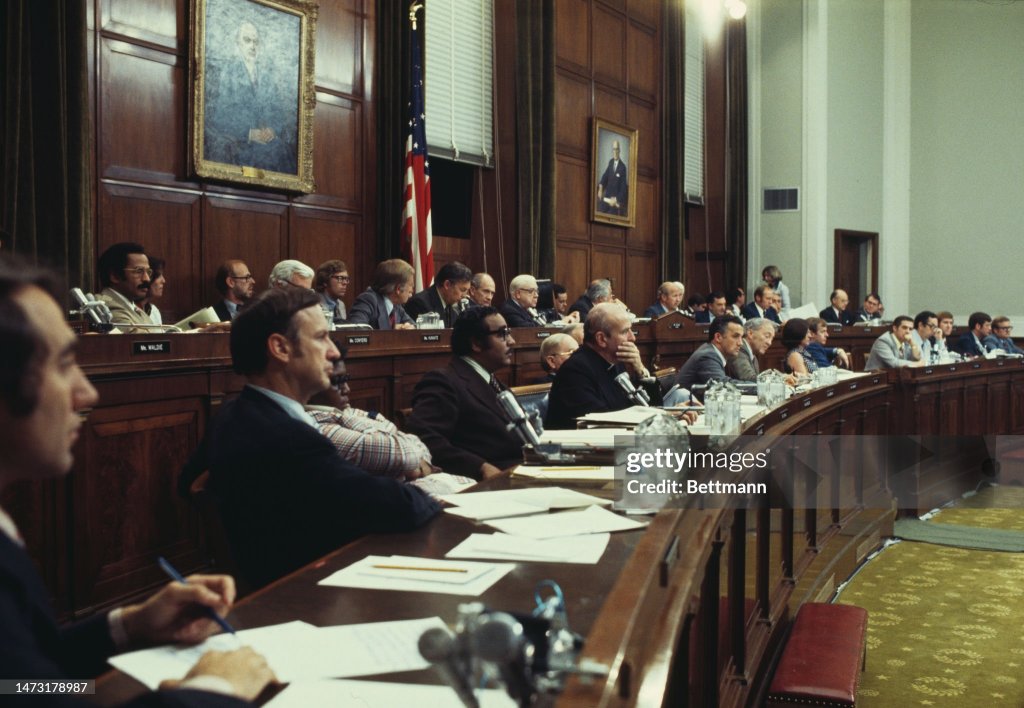
The House Judiciary Committee began its final deliberations on the possible impeachment of President Nixon. Some Republican members had urged a delay after the Supreme Court ruling on White House tapes, but the committee’s Democratic leaders insisted on pressing ahead. The newly-drafted language recommending impeachment was introduced. Opening statements — interrupted by a bomb scare — expressed individual members’ awe at their responsibility.
President Nixon’s support on the impeachment issue appeared today to have markedly deteriorated in the House in the wake of two dramatic developments. The first perceptible stir came yesterday when Representative Lawrence J. Hogan, a Republican conservative from Maryland who is a member of the Judiciary Committee, announced that he would vote for the impeachment of the President. The second development was the Supreme Court’s 8–0 decision today ordering the President to surrender records of 64 White House conversations sought by the special Watergate prosecutor. For the first time, some of the House members considered as “undecideds” spoke openly today of possibly casting their votes for impeachment.
“If I were called on to cast vote today,” said Representative Walter Jones, a conservative North Carolina Democrat, “I think I’d vote to impeach.” Conceding that his largely rural district is divided on the issue, Mr. Jones said his own view was that the only way to end the trauma of Watergate was to impeach and let the Senate decide if the President was guilty. Mr. Jones is one of seven or eight Southern Democrats who cruised down the Potomac on the Presidential yacht, the Sequoia, several nights ago. President Nixon was not present, but some of his aides hosted the cruise. There were strong indications today, too, that a sizable number of House Republicans previously considered noncommittal were edging toward impeachment.
The House voted to prohibit strip mining of coal where it would adversely affect ancient Western seabeds which are now arid areas but put off final action on the broad regulatory bill until today. Proponents said the seabed amendment was critical to the future economic stability of the West.
The government rested its case against American Indian Movement leaders Russell Means and Dennis Banks in U.S. District Court in St. Paul. The defense will begin presenting its case to the jury August 12. Means and Banks are charged in a 10-count indictment with burglary, larceny, assault and conspiracy in connection with the 71-day occupation of the South Dakota reservation village of Wounded Knee last year.
Former Indiana Rep. Richard L. Roudebush, a Republican, will be President Nixon’s choice to head the Veterans Administration, White House and congressional officials said. Roudebush received the recommendation of a bipartisan majority of the House Veterans Affairs Committee. Currently second in command at the VA, he would succeed Donald E. Johnson, who resigned earlier this year.
The Treasury reported that the deficit in last year’s budget totaled $3.5 billion, about what officials had estimated last May. The government report noted, however, that the size of the deficit was smaller than had been anticipated when the budget was originally drafted. When President Nixon initially presented the budget last year, he estimated that the deficit would run $12.7 billion.
The Senate passed and sent to the House a bill to provide home buyers with more information about settlement costs. It directs the secretary of housing and urban development to distribute booklets about such costs and permits the government to regulate closing fees in federally insured home mortgage transactions.
The General Accounting Office reported that raw meat and poultry products sold to the public “are often salmonella contaminated and pose a serious potential health problem.” Contamination by salmonella bacteria — which often cause food poisoning — was considered highest in chicken and pork, lowest in lamb, turkey and beef. The GAO report to Congress urged the government to launch an education program for buyers.
The government announced it is initiating the first phase of a new program that will offer Social Security recipients the option of having their checks deposited directly in checking or savings accounts. The option will be extended first to the 700,000 recipients in Georgia. Later it will be extended to Florida. By July of next year, the program is expected to go nationwide.
A federal court jury has acquitted the son-in-law of former U.S. Supreme Court nominee G. Harold Carswell but convicted his co-defendant, who the government charged was a kingpin in a plot to smuggle marijuana into the country. William Fenton Langston was released after a jury announced an innocent verdict for him following 90 minutes of deliberation in Tallahassee, Florida. But codefendant Larry Murphy was ordered held without bond.
New Census Bureau figures show a shift in historic migration patterns during the 1970’s, with many Southern states attracting net in-migration and most Northern industrial states showing a moderately heavy out-migration. The rate and numbers of Americans moving west were lower than for the South.
Governor Byrne of New Jersey yielded to state Senate Democratic majority leaders opposed to his tax-reform plan, avoiding a humiliating floor defeat by agreeing, according to Senate sources, not to initiate another income tax proposal for the next two years. Disputing this, the Governor said later to reporters that he had told the leaders be would seek alternative taxes.
A bill for a countrywide transit subsidy that could funnel $200 million to the rail, subway and bus systems of the New York City metropolitan area was resurrected by the House Rules Committee and sent to the floor. If passed by both houses it could maintain the 35-cent fare through next June — if it escapes or survives an expected veto.
The Huntsville Prison siege began in Huntsville, Texas, United States, when Fred Gómez Carrasco, serving a life sentence for the attempted murder of a police officer, and two other inmates laid siege to the education building of the Walls Unit. Convicts seized 11 hostages, mostly teachers and librarians, in the Texas state prison library at Huntsville, a prison spokesman said. The leader of the convicts was identified. as Fred Gomez Carrasco, 34, who is serving a life term for assault to murder a policeman. Besides Carrasco, three other armed inmates were in the library, but a priest who went in to plead for the safety of the hostages said the three claimed to be simply helping take care of those seized. The spokesman said Carrasco demanded 15 pairs of handcuffs and a television set. “We’re going to give it to him,” he said.
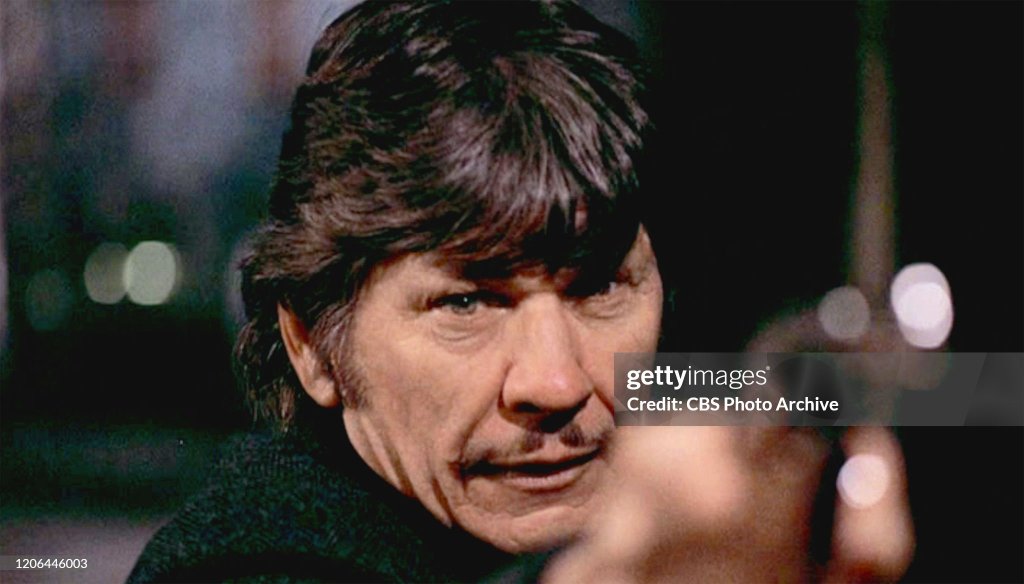
“Death Wish”, based on the novel by Brian Garfield, directed by Michael Winner and starring Charles Bronson is released in the United States.
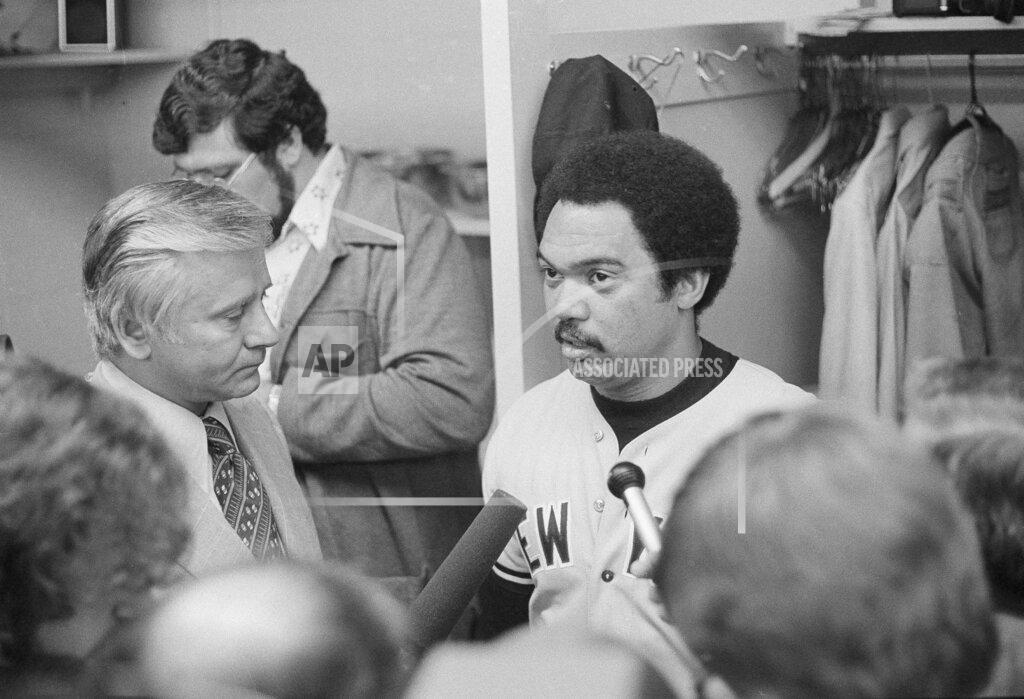
Cubs manager Whitey Lockman steps aside to become director of player development and is replaced by third base coach Jim Marshall. During his three-year stint in the dugout, the Lowell, North Carolina native compiled a 157-162 (.492) record. The Cubs will still finish last in 1974.
Johnny Unitas, 41, long time star quarterback for the Baltimore Colts before his last difficult tenure in San Diego, announced his retirement from football today.
Dow Jones Industrial Average: 805.77 (+8.05, +1.01%).
Born:
Keith Mitchell, NFL linebacker (New Orleans Saints, Houston Texans, Jacksonville Jaguars), in Garland, Texas.
Alex Van Dyke, NFL wide receiver (New York Jets, Philadelphia Eagles), in Sacramento, California.
Pete Gonzalez, NFL quarterback (Pittsburgh Steelers), in Miami, Florida.
Eugene Mirman, Russian-born American comedian and voice actor, as Evgeny Borisovich Mirman, in Moscow, Russian SFSR, Soviet Union.
Veronica Vasquez, American singer; in the Bronx, New York, New York.
Died:
James Chadwick, 82, English physicist and 1935 Nobel Prize laureate for his discovery of the neutron.
Ernest Milton, 84, American-born British Shakespearean actor (“Julius Caesar”, “Cat Girl”).
 History Diaries