A discussion in the House of Commons on the Tientsin situation was shut down by the Speaker for becoming too heated. The end of the line came when Geoffrey Mander asked Prime Minister Neville Chamberlain, “How many British subjects have to be insulted, stripped and killed before the British government will do anything effective?” During a session at the House of Parliament there were growing demands on Prime Minister Neville Chamberlain for strong action in the Far East as Japan continued to subject the British at Tientsin to indignities. Chamberlain stuck to his previous position that the British government still hope for a peaceful Solomon and would take retaliatory measures against Japan only if negotiations failed.
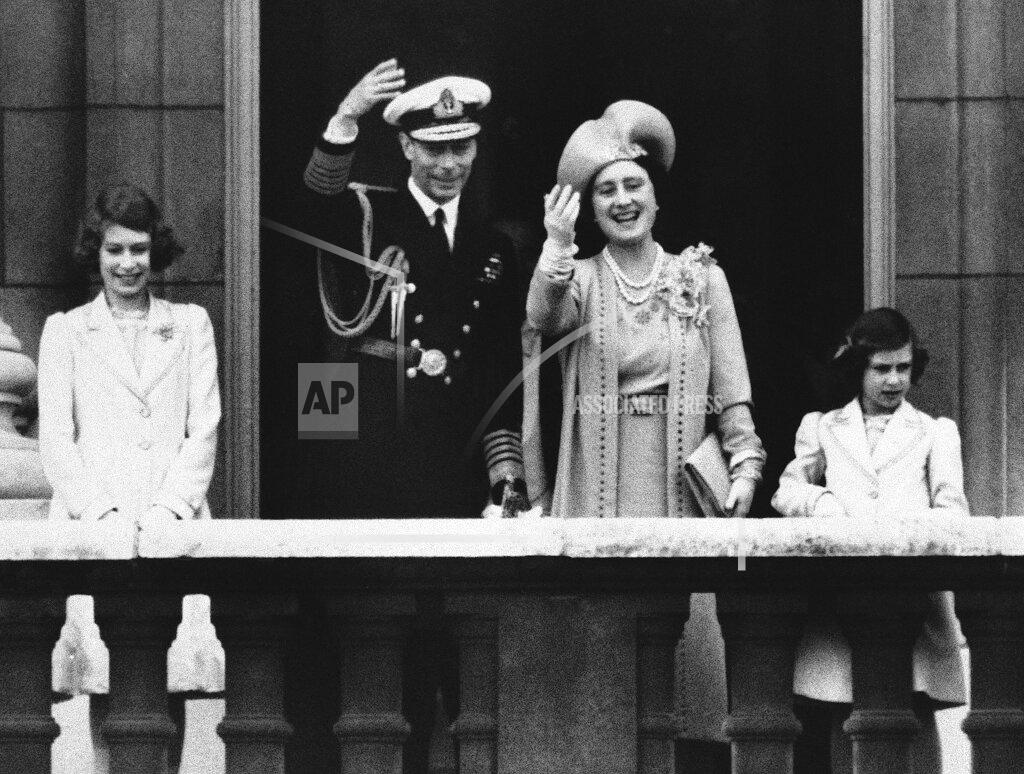
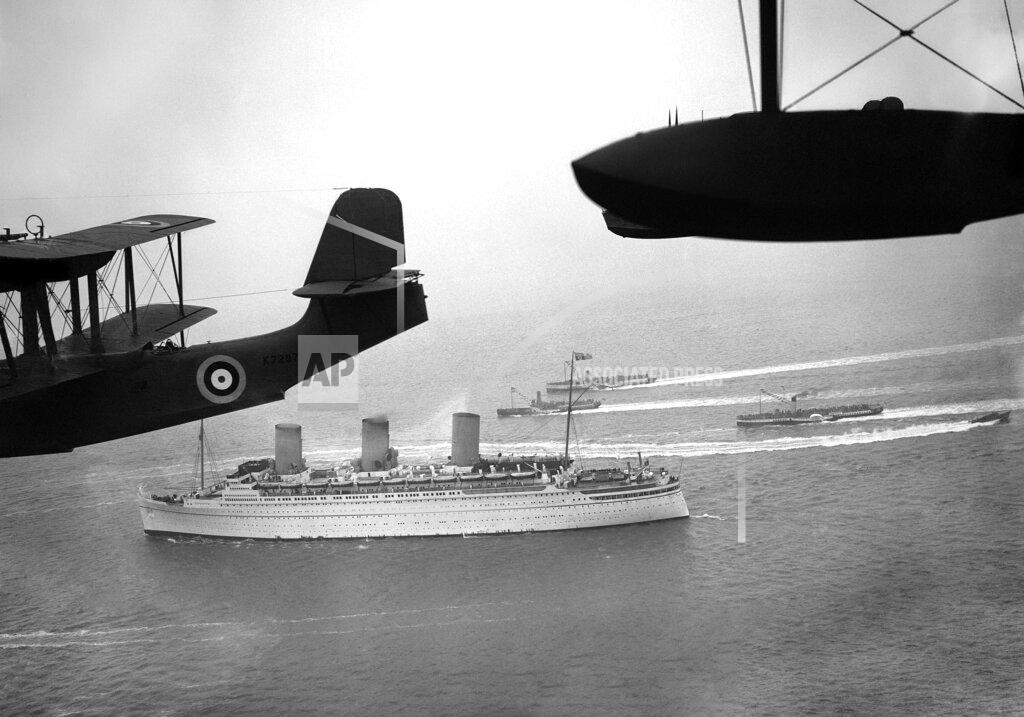
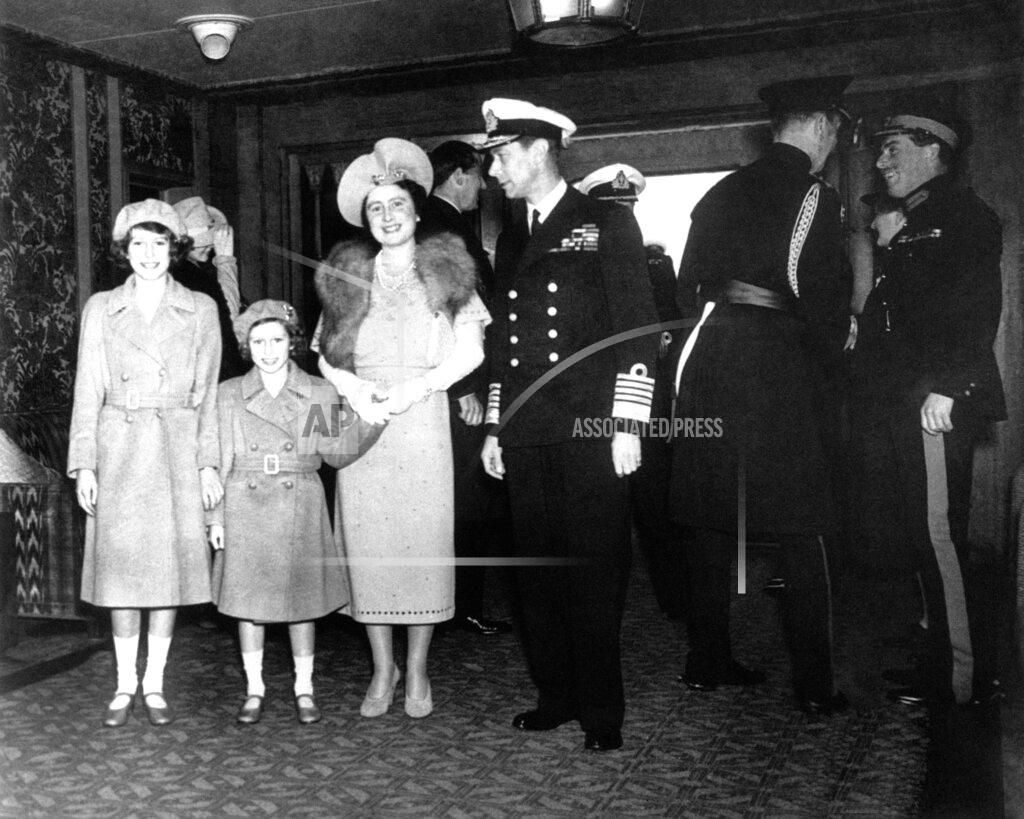
The King and Queen of the United Kingdom returned from their successful trip to North America. Looking fresher and happier than when they sailed for the New World, King George and Queen Elizabeth were back at their palace with their children tonight after the most joyful welcome they have had from their own people since they came to the throne. They had seen bigger crowds at their coronation, but from the moment the liner Empress of Britain docked at Southampton they were the center of the friendliest demonstration of their reign. All through the packed streets of Southampton and past half a million cheering spectators along a mile and a half route in London it was as if the people were shouting “Thank you!” for a royal job perfectly done.
Now at last it was the turn of the British people to show what they thought of their King and Queen and they let themselves go. The King seemed a little astonished by it all, just as his father was at the time of his silver jubilee four years ago. “We have had this kind of thing all the way, but this is different,” the King told the Mayor of Southampton soon after stepping onto English soil and sampling an English homecoming.
Two and a half hours later the 9,000-mile tour came to an end when the royal standard floated to the top of the staff over Buckingham Palace to show that the King and Queen were really home again. A sea of 50,000 faces and fluttering handkerchiefs that stretched a quarter of a mile down the Mall faced them as they stood on a balcony of the palace waving again. and again. Long after dark the crowds still streamed up to the palace railings hoping for another glimpse of the sovereigns who had been gone so long.
Today’s demonstrations are sure to be repeated tomorrow along a three-mile route when the King and Queen drive to the Guildhall to be welcomed home by the Lord Mayor and the Corporation of London. If these two were popular before they left, they are immensely more popular now; they have been “made” by their conquests across the Atlantic.
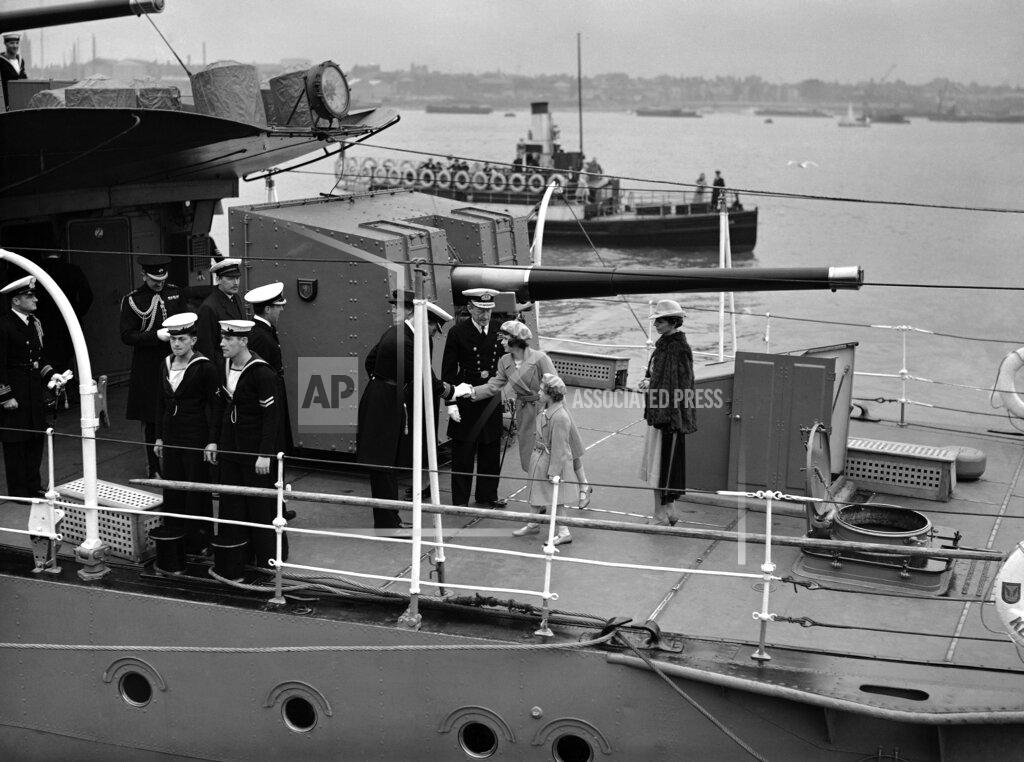
The welcome began far down the Solent on the gray and misty. Channel when the destroyer Kempenfelt drew up alongside the royal liner bringing the Princesses Elizabeth and Margaret Rose, from whom their parents had been separated for seven weeks. The Princesses hugged their mother and kissed their father and then the Queen said to them, “Come inside, you must be cold.” The Princesses shook their heads, but they went inside and for a time as the liner plowed slowly toward Southampton the King and Queen were too busy with their children. to pay attention to the crowds watching from both sides of the waterway.
Princess and future Queen Elizabeth meets future husband Prince Philip of Greece (Midshipman Mountbatten, RN).
Nazi minister Joseph Goebbels reiterates his warning to Britain that Central and Southeast Europe is the sphere of influence of the Reich. Propaganda Minister Joseph Goebbels took the occasion of the Summer Solstice Celebration in the Olympic Stadium here yesterday to repeat to an audience of 120,000 Germans most of the assertions he made at Danzig Sunday. He flayed Great Britain particularly and warned the British against continued interference in Germany’s affairs in Central and Southeastern Europe. Central Europe, he declared, is Germany’s sphere of interest and does not concern Britain. He repeated his assertion that “Danzig is purely a German city” and stated that “it would be better for the other side also if this question were settled by peaceful means.”
“If Britain, France and Poland try to overlook our just demands, he warned, “it will be to their own detriment.” Germany, he stated, “will remain hard, but calm, determined in the face of any attempts to threaten her.”
Simultaneously with the decree concerning Jewish property issued by Baron Constantin von Neurath, Reich Protector for Bohemia and Moravia, another highly important decree has been issued that declares the former Czecho-Slovak Government’s national defense act of 1936 valid for the protectorate in favor of Germany until further measures are prepared.
This act gave the Czecho-Slovak Government the right in case of war or a national emergency to conscript the nation’s labor power, assume direct control of industry and remove an imposing number of the rights of citizens. The decree, dated June 20, transfers that right to the Protector or his representatives. In short, this means that whenever the Protector decides that a state of emergency exists either in the protectorate or in any part of the Reich the people of Bohemia and Moravia and their industry and possessions will pass under his direct control.
Although the Czech press has not yet commented at any length on either of the two new decrees, the prevailing feeling is that except for formality the protectorate has now ceased to exist. Most people expect an emergency this Summer and it is little satisfaction to them to feel that their guaranteed rights of autonomy hang on that occurrence. They know well enough that at such a period the Germans would not countenance the existence of an armed Czech police force, gendarmery or Ministries able to issue. orders that might run counter to German desires.
Slovak Minister of Propaganda Aleksander Mach proclaims that with a year Slovakia with be cleansed of Jews.
In the Hungarian lower house today the finance minister explained why the government was asking for provisional appropriations for six months. He pointed out that Hungary had added to her territory twice in the past nine months; consequently, the original budget estimates no longer held good. The house granted the appropriations sought.
The sitting thereafter was tumultuous with sharp passages between Nazi and government Deputies. On the government side the Nazis were reproved for introducing a special salute and uniform, to which Nazi spokesmen retorted that they were good Hungarians nevertheless, ready to take up arms to repulse any invasion.
France and Italy dispute the Tunisia convention of 1896.
President Roosevelt sent to Congress today proposals for a $3,860,000,000 long-term lending program to stimulate business recovery through aid to self-liquidating projects. He was host at luncheon to General Monteiro, Brazilian Chief of Staff, and officials of the State, War and Navy Departments.
The Senate passed the revised tax bill, considered the bill to extend the Stabilization Fund and the President’s power to devalue the dollar, confirmed the nomination of Leland Olds to the Federal Power Commission and recessed at 4:59 PM until 11 AM tomorrow. An Appropriations subcommittee heard Mayor La Guardia and others oppose certain provisions of the 1940 relief bill as passed by the House.
The House considered the conference report on the Agriculture Department Appropriations bill, approving Senate amendments which add more than $338,000,000 in its total, received the Smith resolutions for investigations of the National Labor Relations Board and the Wages-Hours Administration, passed the Supplemental War Department Appropriations Bill after restoring funds for the purchase of 2,290 war planes and adjourned at 5:43 PM until noon tomorrow. The Rules Committee voted at right of way for the Bloom Neutrality Bill.
Official Washington swung full force today into a recovery drive, greater in magnitude than anything since the earliest days of the New Deal, with action directed on half-a-dozen fronts toward raising the lagging business curve and creating new employment.
Topped by a $3,000,000,000 Federal lending program, proposed suddenly by President Roosevelt, the drive was regarded at the capital as both economic and political in design. It was a combination of loosely related proposals, some offered by the Administration and some from other sources, through which more than $7,000,000,000 could be pumped into the channels of trade through government action in the next few years, most of it without immediate resort to the Federal Treasury. Part of the program was the tax bill, passed in record time today. by the Senate, which, besides extending temporary existing levies which raise $1,650,000,000 of revenue annually, was framed by its sponsors to remove from the Federal tax system some business. “irritants” that were retarding recovery. Other proposals, besides the new lending plan and the tax bill, were:
- An increase of $800,000,000 in the borrowing capacity of the United States Housing Authority, a measure already passed by the Senate, which the President publicly commended for favorable action by the House today.
- An addition of more than $300,000,000 to the Agriculture Department Appropriation Bill, most of which would go for farm parity payments and the removal of price-depressing surpluses; already approved by the Senate and sanctioned by the House through the adoption today of a Senate-House conference committee agreement, despite private opposition of the President. Other minor increases were still in disagreement tonight.
- The Mead bill, a plan for Federal insurance of loans to small business up to an aggregate of $1,000,000,000, on which inner-circle administration planners are trying to organize a drive for passage this session.
- The new Unemployment Relief Bill, totaling around $1,735,000,000, already passed by the House and pending before a Senate appropriations subcommittee under pressure for final passage by June 30.
- A new rivers-and-harbors authorization measure, carrying 127 projects in forty States and totaling more than $400,000,000; passed by the House with a total of $83,000,000, but reported to the Senate by its Commerce Committee with the larger amount.
The Senate passed in four hours today the $1,644,300,000 tax bill during a pause in the filibuster by “silverites” who yesterday threatened to block every pending piece of legislation until a higher price for silver was decreed by the Treasury. The new tax bill, sometimes referred to as a “business recovery” measure because it abolishes what remains of the undistributed profits tax, was put through with only two minor amendments, both of which were thought to be acceptable to the House.
One amendment would penalize the sale of lists of income taxpayers or their publication except in periodicals having the privilege of second mail rates. The other would grant the same deductions on estate taxes to residents of Guam and Samoa as are granted to residents of the Philippines. Representative Doughton, chairman of the Ways and Means Committee, called his group into session this afternoon to consider the amendments. He said he thought the House would accept them tomorrow, as they are “non-controversial,” and send the bill on to the President for signature without returning it to conference.
Senate leaders had a monetary but severe shock when it seemed that Senator La Follette had won a fight to amend the tax bill by increasing surtax rates on net taxable incomes between $6,000 and $100,000. A roll-call showed a total of 39 to 37 for the amendment, and as a play for time Senator Harrison asked for a recapitulation of the vote. Hurried conferences were held on the floor and at the end of the rereading of those voting on the bill Senator Tydings changed his vote. from “aye” to “no,” thus creating a tie, which was sufficient to defeat the amendment. Senator Tydings declined to explain the switch in his vote.
Senator La Follette remarked caustically that “footwork” by the Senate leaders made it obviously impossible for him to put through another proposed amendment to broaden the income tax base.
The Attorney General Frank Murphy is not seeking the vice presidency and says it is too early to comment on a third term for Roosevelt.
New York District Attorney Thomas Dewey investigates the finances of the actors’ union, the American Federation of Actors, headed by Sophie Tucker. The accountant’s report of relief funds is subpoenaed.
Franklin Roosevelt and Thomas Dewey are close in the 1940 presidential running, a survey indicates.
The National Information Standards Organization was formed in the United States.
Against the Philadelphia A’s pitcher Lynn Nelson, Detroit’s Barney McCosky leads off with a home run and Earl Averill quickly follows with another solo shot. It’s the second time in American League history that the first two batters in a game have homered. But the A’s and Nelson come back to win, 6–5.
Dizzy Dean (4-0) stops the visiting Bees for a 7–1 Cubs win. Chicago scores 5 in the 2nd, 4 on a grand slam by Augie Galan off Dick Errickson, to ease Dizzy’s burden.
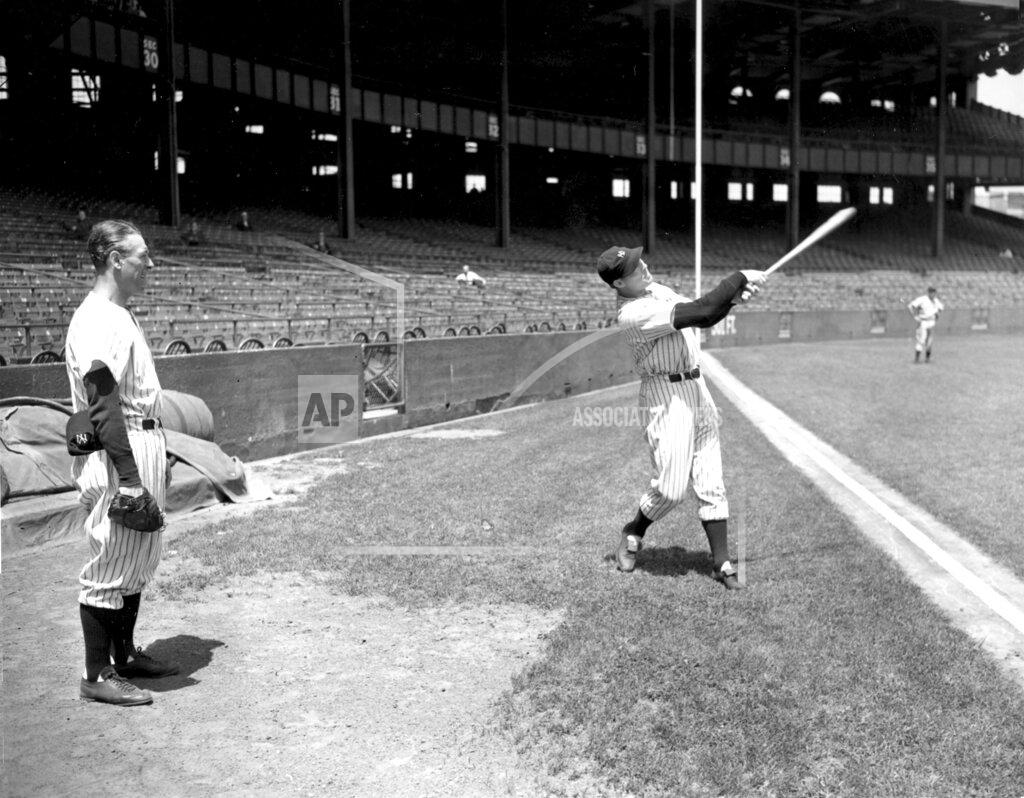
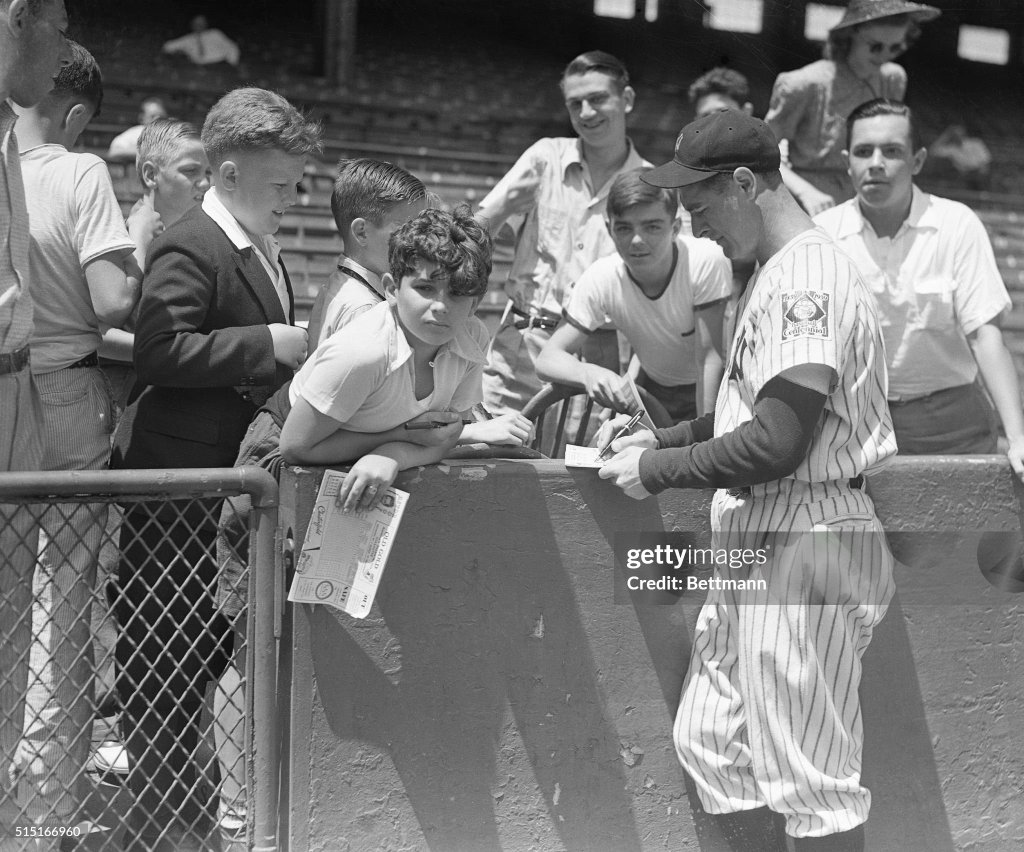
At Comiskey Park, the Yankees whip the White Sox, 6–1, to run their record to 44–11, the best start of the century.
Americans will remain in Swatow under the protection of United States naval vessels in the face of a Japanese warning that was widely interpreted today as a demand for their evacuation. If that was the intention it misfired, for Admiral Harry E. Yarnell, Commander in Chief of the United States Asiatic Fleet, served blunt notice on Japanese naval and consular officials, as he has on a a number of other occasions in the past two years, that his ships would protect Americans and go where necessary in performing that mission.
He said, however, that he would endeavor to avoid interference with Japanese operations up to a point that was consistent with his mission. If American ships were damaged or naval personnel injured, he warned, Japan would be held responsible. That was the word that Admiral Yarnell gave to the Navy Department today in a radio report, and his stand had the support of this government.
Highly placed officials in Washington D.C. strongly backed the stand that Admiral Harry E. Yarnell, commander-in-chief of the U.S. Asiatic Fleet, took the day before. Yarnell had rejected a Japanese demand that the destroyer USS Pillsbury (DD-227) leave the Chinese port of Swatow and said the U.S. Navy would protect American interests wherever they may be. Not only did the USS Pillsbury stay but the destroyer USS Pope (DD-134) arrived to join her.
Chinese military sources declared today that the Japanese attack on Swatow did not materially change the war situation. Although it was admitted that the loss of the port would cut off an important channel of imports of essential supplies, the loss, it was asserted, was not vital because of the development of communications through French Indo-China and Burma. It was recognized, however, that supplying the army and the people of the southeastern provinces would now be more difficult.
It was denied that China had been obtaining important quantities of munitions through Swatow. The port was said to have been valuable chiefly as a means of acquiring gasoline, machinery, medicines and general imports. The complete Japanese occupation of the city is not yet admitted here. It is said that the Chinese are still resisting in the suburbs.
A warning was issued in an official quarter today that if Japan continued her present methods in Tientsin “they must inevitably lead to countermeasures for the protection of British rights and interests.” The situation cannot be allowed to continue indefinitely, the spokesman said. This statement was issued after the news had been received of the Japanese demand that foreign warships-including United States warships-should leave Swatow, which the Japanese had just captured. It is believed here that this was an improper request and, more importantly, one that is likely to make it somewhat easier for the British to persuade the Japanese that their present line of action may bring in the United States and other nations against them.
The British statement today did not give any indication what counter-measures the British had in mind; and unless there has been a sudden and secret change, the British viewpoint the Cabinet itself has no ideas on which it could act. However, the statement is in line with British policy of insisting that a firm stand will be taken and, at the same time, trying to show Japan that she cannot have it all her own way in China with no British opposition.
Prime Minister Neville Chamberlain told the House of Commons today that the British are viewing the Far East with great concern. The government still hopes that the Tientsin question can be confined to local issues, Mr. Chamberlain said, repeating former statements by the British that if it is not “we will consider what further steps we can take.” At the same time in response to questions Mr. Chamberlain assured the House that the British Ambassador had not done any “suing for peace.”
With regard to the Tientsin situation, the latest British reports are that the Japanese barrier restrictions are unchanged and British subjects wishing to pass them must submit to close search. Many cases of stripping are reported. The French Concession apparently is getting normal supplies.
Japanese guards pushed their lines closer to the borders of the French concession in Tientsin. Up until this time the blockade had been directed mainly at the British. The Japanese apologized for the necessity of blockading the French connection because it was contiguous to the British settlement.
The British and French meet at Singapore.
Dow Jones Industrial Average: 136.88 (-0.73).
Born:
David Blackburn, artist, in Huddersfield, United Kingdom (d. 2016).
Ada E. Yonath, crystallographer and Nobel laureate (Chemistry, 2009), in Jerusalem, Mandatory Palestine.
Naval Construction:
The Вое́нно-морско́й флот СССР (ВМФ) (Soviet Navy) “M” (Malyutka)-class (3rd group, Type XII) submarines M-98 and M-99 are laid down by Sudomekh (Leningrad, U.S.S.R.) / Yard 196.
The Marine Nationale (French Navy) Bougainville-class aviso (colonial sloop) La Grandiere is launched by At. & Ch. de Provence (Port de Bouc, France).
The Royal Navy Halcyon-class (Third Group) minesweeper HMS Bramble (J 11) is commissioned. Her first commanding officer is Captain Robert Oliver Fitzroy, RN.

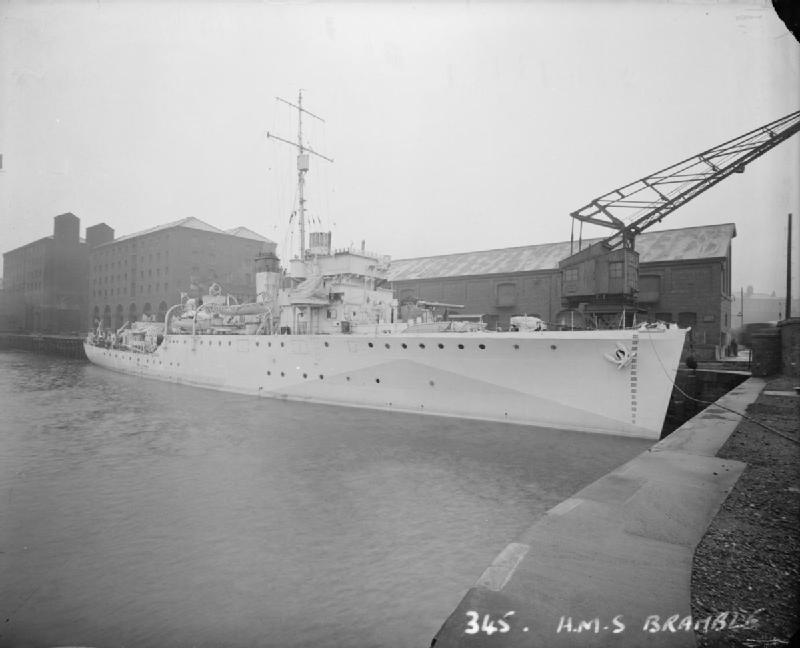
After sea trials in July 1939 Bramble was assigned to the 1st Minesweeping Flotilla at Portland Harbour, sailing with the Flotilla to Scapa Flow in August. She served as a minesweeper in the North Sea until February 1941, when she transferred to Harwich for operations in the Thames Estuary.
In April 1941 she was transferred to Western Approaches Command for Atlantic convoy escort duty, and attached to the 3rd Escort Group. Between 22 July 1941 and 16 November 1942, she was commanded by Captain John Crombie. In October she was detached to serve on the Russian convoys, and joined Convoy PQ.2 sailing to Arkhangelsk, where she remained carrying out local minesweeping and patrol duties, as well as escorting in- and out-bound convoys. She returned to the UK in January 1942 to be refitted at a yard in Sunderland. She returned to convoy duty in April, returning to Russia with Convoy PQ.15. She served there until October, when she returned to the UK to be repaired at a shipyard in the Humber.
Lost 31 December 1942.
On 22 December 1942 Bramble sailed with Convoy JW.51B from Loch Ewe. The convoy was sighted by the U-354 on 30 December and the German cruisers Admiral Hipper and Lützow, accompanied by six destroyers, sailed from Altenfjord to intercept them in Operation Regenbogen, leading to the Battle of the Barents Sea. On 31 December Bramble, which had been detached to search for stragglers, was returning to the convoy when she encountered Admiral Hipper and three destroyers. Hipper promptly opened fire with her 8-inch (200-mm) guns. Bramble returned fire but was overwhelmed and finally sunk with all hands by the destroyer Friedrich Eckoldt in position 73°18′N 30°06′E. One-Hundred-and-twenty-one men — all hands — were lost with her.
Battle Honours: ARCTIC 1941 – 42
 History Diaries