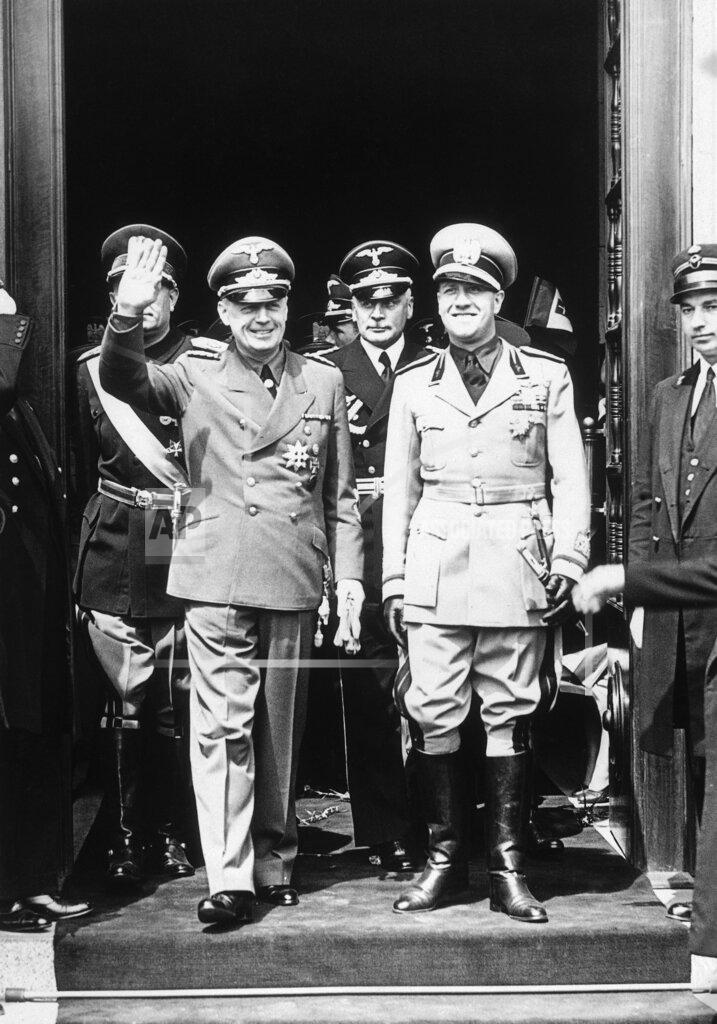
Italian Foreign Minister Galeazzo Ciano met with his German counterpart Joachim von Ribbentrop in Milan, Italy, where Ciano informed Ribbentrop that Italy would not be ready for war for another three years. Ribbentrop noted the comment, and informed Ciano that Adolf Hitler did not yet have any plans for war. Upon learning from Ciano, that Hitler did not wish to launch a war in the foreseeable future, Benito Mussolini eagerly ordered Ciano to engage in talks for a military alliance between the two countries. It will be a fateful decision.
As Count Ciano strove to induce Herr von Ribbentrop to compromise the German-Polish quarrel, the Italian press took a more optimistic view of the situation.
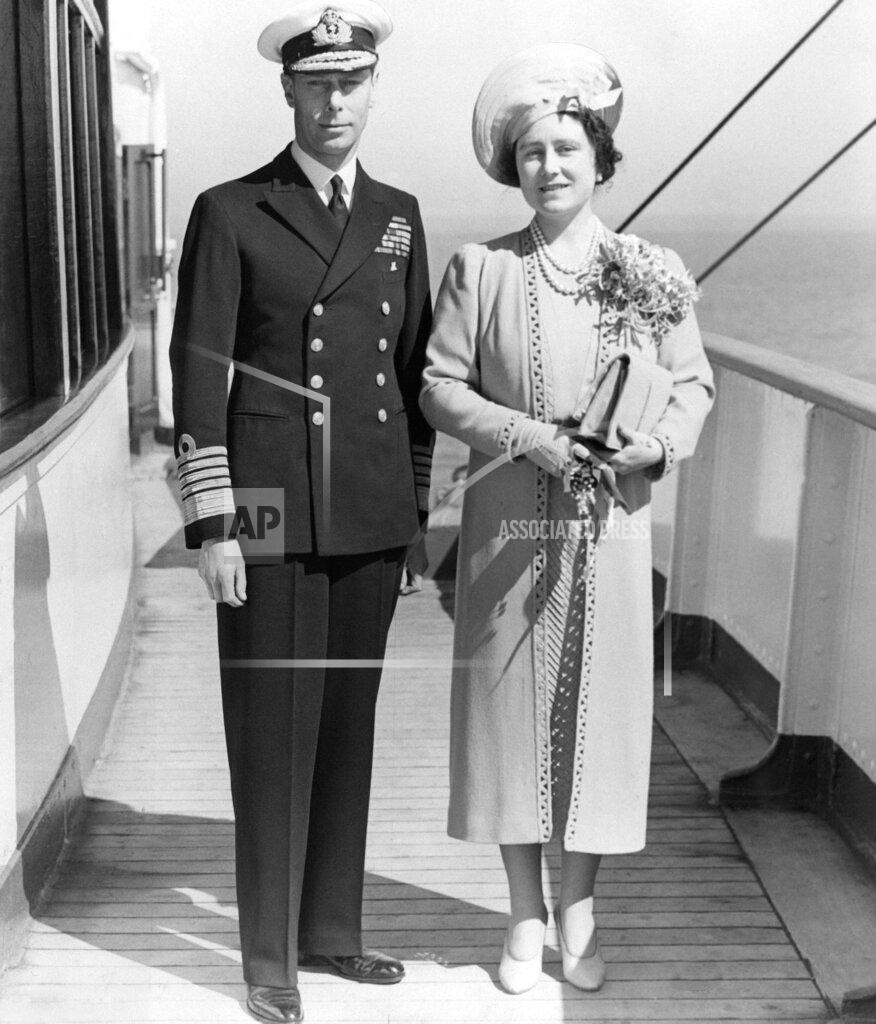
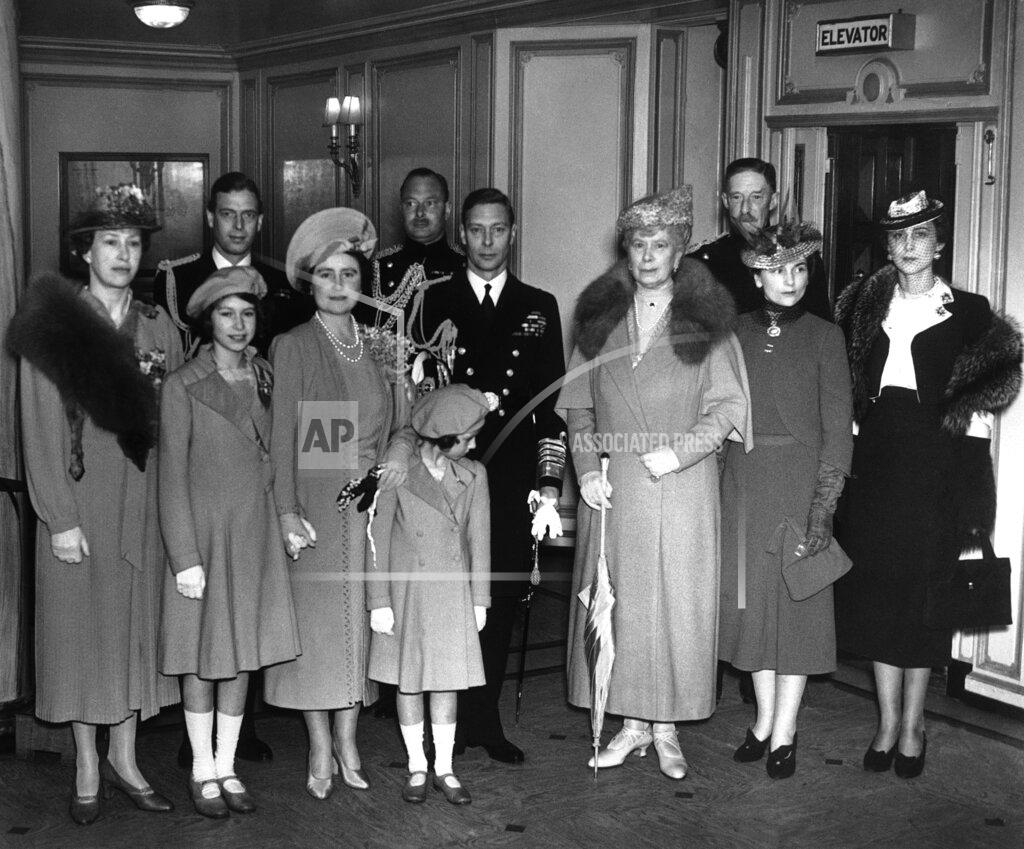
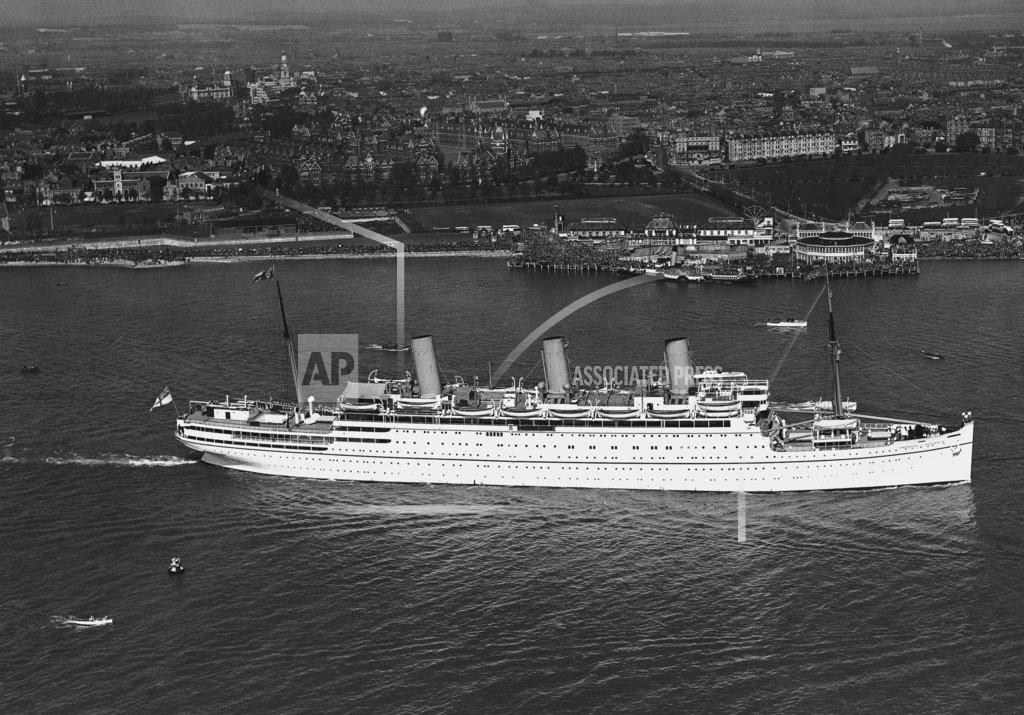
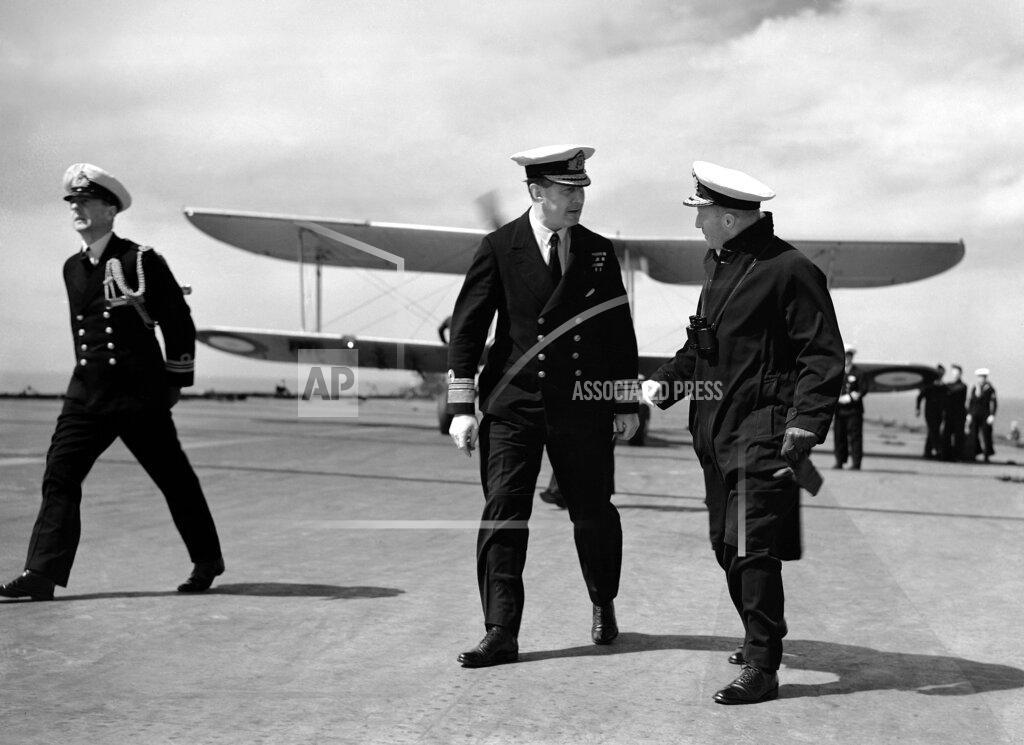
Two warships escort Britain’s King George VI and Queen Elizabeth on a visit to Canada. Each ship carries about 15 million Pounds Sterling in gold for safekeeping in Canada. While naval guns and shore batteries roared a farewell that drowned out the parting words of members of the royal family and the cheers of massed thousands of spectators, King George VI and Queen Elizabeth sailed today on the gleaming, white-painted liner Empress of Australia for Quebec on a history-making 11,000-mile tour of Canada and the United States. The German-built liner, with its royal party of thirty persons as its only passengers, glided out to sea promptly at 3 PM on what will be the first visit ever paid to North America by a reigning British monarch. The King, wearing an admiral’s uniform, stood erect at salute with the Queen beside him just under the liner’s bridge while a naval band played “God Save the King” and a ship’s band “The Maple Leaf Forever” as the Empress of Australia cast off her mooring ropes.
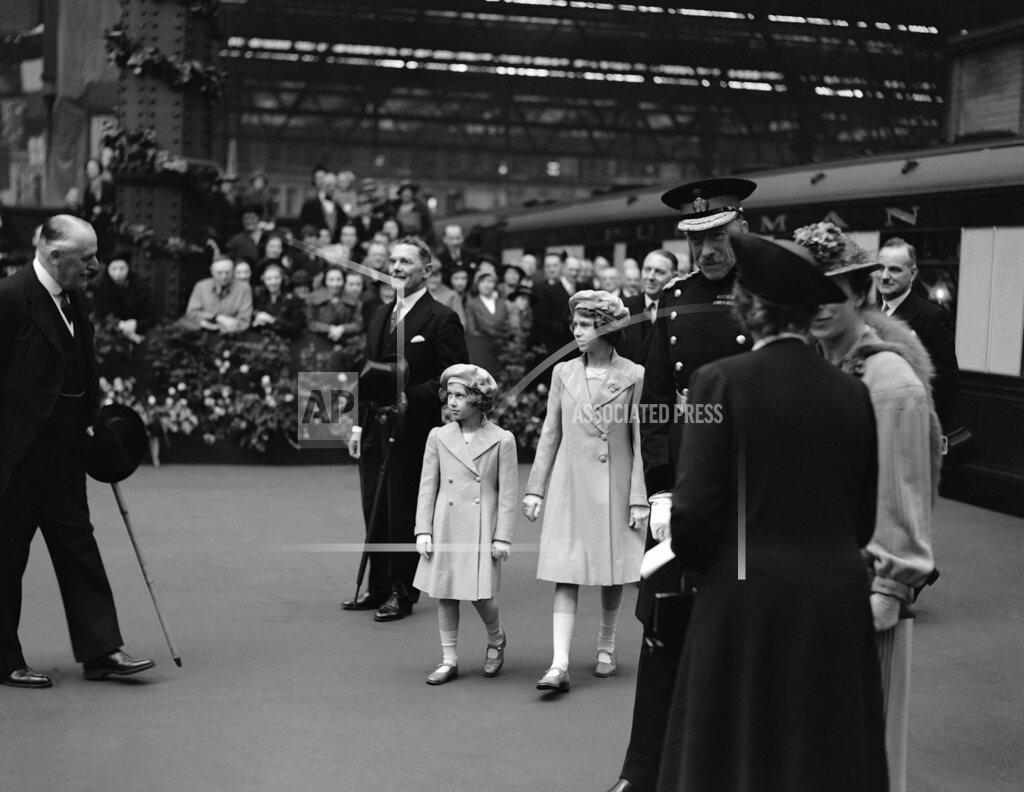
From the thousands of spectators, massed along the shores of the port, went up shouts of “God bless you,” “Give our love to America” and “A happy voyage.” One group held aloft a streamer with the message “Tell Portsmouth, U.S.A., that Old Portsmouth sends them hearty greetings.” Among those they left behind were the King’s mother, Queen Mary, and the royal couple’s two children, Princesses Elizabeth and Margaret Rose. The Queen Mother, who will observe her 72d birthday soon, wiped tears from her eyes as she watched the vessel sail. Princess Elizabeth, 13-year-old heir-apparent to the throne, seemed on the verge of tears while waving her handkerchief to her father and mother.
The moderation and firmness of the Polish Foreign Minister Josef Beck impresses France and Britain.
Pope Pius was reported yesterday to have instructed the Papal Nuncios in Germany, Poland, Italy, France and other countries to consult with high officials in an effort to keep war from Europe. It was confirmed that the Nuncio to Berlin had conferred with Chancellor Hitler, and a preliminary study with a view to effecting a modus vivendi between the Reich and the Vatican was under way.
Meanwhile Berlin quarters looked for big things as the conference between Foreign Ministers von Ribbentrop and Ciano began in Italy and also hinted at negotiations with the Soviet Union. It was believed the Reich had already sounded Russia on a non-aggression pact in an effort to neutralize her in any conflict.
The Poles maintained their calm attitude, but their determination to defend themselves was reflected in a bill adopted by the Sejm’s legal committee, granting to President Moscicki exceptional powers.
Diplomatic circles in Washington heard Russia had informed several powers that she intended to move troops into Lithuania, Latvia, Estonia and possibly Finland if she deemed such action necessary to counter a German drive.
Britain and Turkey agree to a mutual aid pact that aids the Balkans and Near East. The proposal will be sent to Moscow. Ankara disclosed the conclusion of a British-Turkish mutual assistance agreement tantamount to a full alliance against any attempt to disturb the status quo in the Balkans and the Near East.
London sent new anti-aggression front proposals to Moscow, but they were not believed to go much beyond the original British ones.
Moscow’s silence on recent events is total. No editorials give hint of the Soviet position.
At Berchtesgaden, German Chancellor Adolph Hitler met with German Foreign Minister Joachim von Ribbentrop, Nazi district leader Albert Forster in Danzig, and Arthur Greiser, president of the Danzig Senate. The discussion revolved around a proposal for a plebiscite in Danzig to decide whether it should return to Germany.
Carl Friedrich Goerdeler, one of the leaders of the opposition of the Nazis in Germany, told the British government that the German and Soviet governments were secretly beginning a rapprochement with the aim of dividing Eastern Europe between them. Goerdeler also informed the British of German economic problems which he stated were threatening the survival of the Nazi regime, and advised that if a firm stand was made for Poland, then Hitler would be deterred from war.
Bulgarians demand the return of former territories, particularly Dobruja, lost to Rumania in the World War I treaties, and Thrace, lost to Greece.
Unemployed French workmen may be shifted to any part of France where there is work according to a decree revising and strengthening the government’s fight on unemployment signed by President Albert Lebrun today. Up to the present, workers who lost their jobs were under no obligation to seek employment outside their place of residence, where they were inscribed on the unemployment lists and entitled to a dole. Under the new conditions the government undertakes to find work for them and when it does, even though it requires their transfer, to another locality and even into a different trade, the workers must accept the change or lose their doles. If the new job is more than fifteen miles from his residence the unemployed worker will receive government aid in making the change. This will be provided in pay advances and other help.
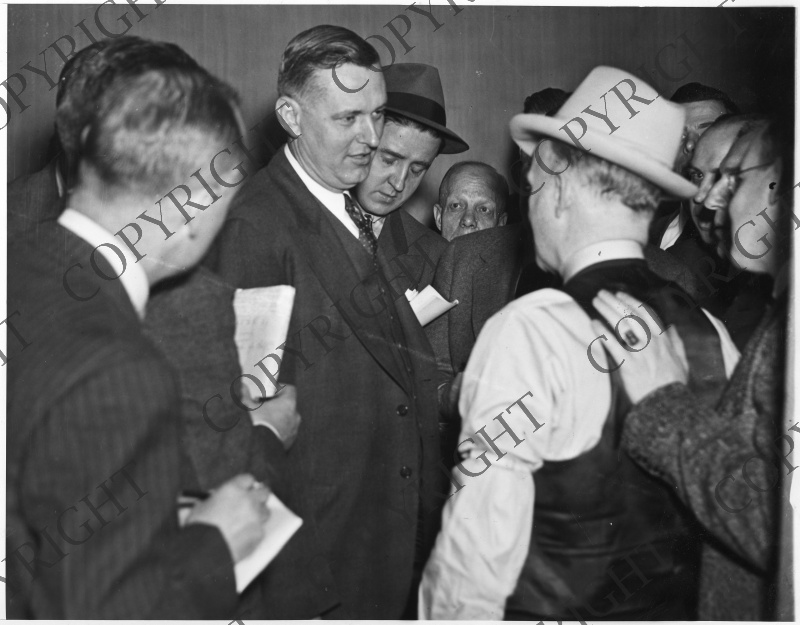
A direct appeal by President Roosevelt failed yesterday to break the deadlock that has paralyzed the nation’s production of soft coal and made 450,000 miners idle. Negotiators representing the bituminous operators and the United Mine Workers promised, however, to resume their conferences with a Federal mediator today in an effort to end the worst fuel crisis since 1922.
In a telegram to the negotiating committees at the Hotel Biltmore yesterday morning, the President said the differences between the two sides did not seem insurmountable and that “the orderly process of collective bargaining should suffice to bring about their adjustment. Because of this I urge that the present negotiations with the Federal commissioner continue, and that all sit down with the intention to reach a fair, honorable and workable agreement, in a spirit of give and take,” Mr. Roosevelt declared. Time is now important and agreement must be reached promptly.”
Despite this plea and a fresh reminder from New York Mayor La Guardia of the gravity of the coal shortage here, the negotiators made no progress in six hours of discussion with Dr. John R. Steelman, chief of the United States Conciliation Service. The miners continued to demand the closed shop and the operators stood fast in their refusal to yield on this issue. Agreement previously had been reached on all other points.
John L. Lewis, president of the United Mine Workers, sent the 130 members of the union’s policy committee back to their homes, some as far removed as the State of Washington, a few hours after the President’s message was received. If the union negotiators reached an agreement it would have to be submitted to the full policy committee for ratification. Many of the operators, who would have to pass on any agreement entered into by their negotiating committee, also left the city last night.
With soft coal being consumed throughout the nation at the rate of 1,000,000 tons a day and not more than 25,000,000 tons above ground, the President was expected to call the representatives of operators and miners to Washington if the parleys here did not lead to a settlement soon. Mayor La Guardia re-entered the situation yesterday by sending his secretary. James M. Kieran, to warn the conferees that coal was needed to keep the subways running, to prevent a tie-up of the port and to assure pressure for the city’s fire-fighting system. Service on the I.R.T. and B.M.T. lines have been cut 25 percent because of the lack of fuel.
Congress should repeal the Neutrality Act as an assurance to the American people that there was no danger of involvement in war, former Senator Pepper of Philadelphia told the Foreign Relations Committee today. He held that the well-understood practices sanctioned by international law would be amply sufficient to ward off from this country any now perceptible danger of being dragged into war.
The idea of repealing the present statute and enacting nothing in its place has been advocated by a number of witnesses and is favored by several members of Congress. The ranks of its advocates contained, by a change combination, the most bitter opponents of President Roosevelt’s recent course in foreign relations and his most enthusiastic partisans.
With Congress split into unrelenting factions by the controversy over neutrality legislation, members were talking in increasing numbers today of the likelihood that the session would run into late Summer. Proposed amendments to the Wagner Act raise another issue that may contribute to the delay in adjournment. Even the most optimistic conceded today that there was little prospect of ending the session before July. In that respect, this Congress is running according to the usual pattern.
Twenty-nine Americans who fought for the Republicans in Spain arrived in New York after being released from Franco’s prison camps. Many of them are in poor health after being held for as long as two years.
Delegates to the Methodist Uniting Conference in Kansas City voted down overwhelmingly an attempt today to relax the traditional anti-liquor stand of the sect. The action was taken on a committee report setting up church discipline for clergy and laity and including a section providing a lay churchman should be expelled if, after a church trial, he had been found guilty of connection with the liquor traffic, however remote. A few days ago, the delegates voted to set up a board of temperance to work, among other things, for statutory prohibition.
Olympic sprinter Jesse Owens files for bankruptcy.
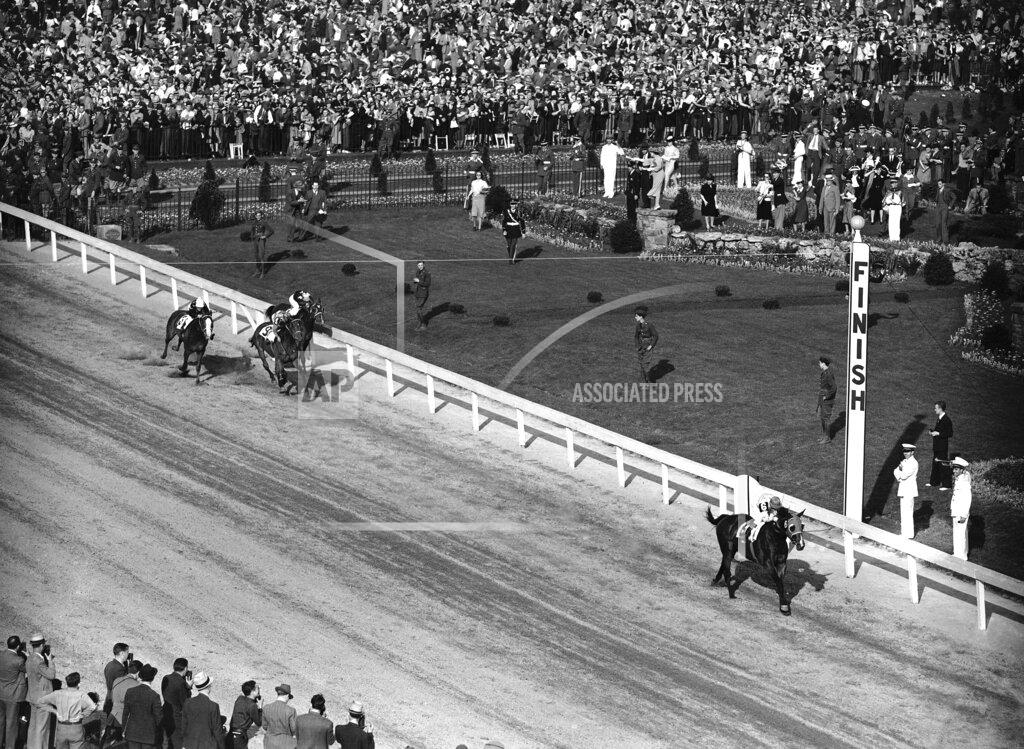
James Stout aboard Johnstown won the 65th Kentucky Derby in 2:03.4, at Churchill Downs, Louisville, Kentucky. The triumph was the seventh in succession for Mr. William Woodward’s 3-year-old, whose earnings now have topped the $100,000 mark. Woodward’s horses have won three of the last nine Kentucky Derbys.
Paced by Harry Danning, who made a home run and three other hits, the New York Giants defeated the St. Louis Cardinals, 6–2, at the Polo Grounds.
Monte Pearson of the Yankees pitched a three-hit game as the champions downed the Indians, 5–1, in Cleveland.
At Ebbets Field, the Chicago Cubs took the measure of the Brooklyn Dodgers, 4–3.
The Cincinnati Reds beat the Boston Bees, 6–4, and took first place in the National League.
The Boston Red Sox, first in the American League, accounted for their seventh straight victory as they subdued the Detroit Tigers, 5–4.
The opposition press is silenced in Chile.
Generalissimo Chiang Kai-shek was reported today to be planning to shift his capital again, from ruined and still vulnerable Chungking to Chengtu. Well-informed Japanese and European sources said General Chiang would transfer his seat of government 175 miles northwest to the Szechwan Province capital.
Parts of Chungking were aflame today after repeated Japanese air raids which have caused between 4,000 and 5,000 casualties and have driven out foreign diplomatic officials as well as thousands of natives. A new capital would be the fourth for China in exactly twenty-two months since the undeclared war broke out July 7, 1937. The advance of the Japanese inland from Shanghai forced the Chinese from the capital at Nanking before it was captured December 13, 1937. The government seat shifted then to Hankow and from that city, which fell to the Japanese Oct. 25, 1938, to Chungking.
One of General Chiang’s most trusted supporters, General Chen Cheng, was said to have started for Chengtu to establish the Chinese capital there. Japanese planes have raided Chengtu only once. Sir Archibald Clark Kerr, the British Ambassador to China, has already flown to Chengtu. Japanese here said one of the most important victims of the Chungking air raids was General Liu Shih, the Chungking garrison commander. They said he was wounded and was not expected to live.
Japan demands more control over the Shanghai International Settlement in China. The Settlement is a major center of trade and American interests may be threatened.
The Japanese Army in North China is adopting a threatening attitude toward the British and French concessions in Tientsin similar to that of the Japanese Army and Navy toward Shanghai’s International Settlement and French Concession. A formal statement issued by army headquarters at Tientsin last night declares that if conditions in the foreign areas do not improve the army may take “suitable measures for self-protection and the maintenance of peace and order.”
The statement declares that the concessions, the continuance of the legation quarter in Peiping and the maintenance of foreign armed forces in North China have become anachronisms that must be liquidated “because steady progress is being made in the establishment of the new order in East Asia.” The statement charges that at least ten organs of the Kuomintang [Nationalist party] and the Communist party exist in the foreign concession areas in Tientsin under the tacit protection of the British and French authorities. It alleged that the British and French authorities know that assassinations of Japanese soldiers and of officials of the puppet régime are planned within the concessions.
Born:
Chet Allen, American opera singer and child actor (“Amahl and the Night Visitors”), in Chickasha, Oklahoma (d. 1984).
Herbie Cox, American pop vocalist (Cleftones – “Heart and Soul”), in Cincinnati, Ohio.
Zhanna Yorkina, female Russian cosmonaut (part of Tereshkova’s Vostok group; never flew), in Soltsy, Russian SFSR, Soviet Union (d. 2015).
Russ Gibson, MLB catcher (Boston Red Sox, San Francisco Giants), in Fall River, Massachusetts (d. 2008).
Dow Jones Industrial Average: 131.74 (+0.27).
Naval Construction:
The Kriegsmarine (German Navy) Type VIIB U-boat U-53 is launched by F. Krupp Germaniawerft AG, Kiel (werk 588).
The Regia Marina (Royal Italian Navy) Soldati-class (First Group) destroyer Alpino is completed.
The Regia Marina (Royal Italian Navy) Soldati-class (First Group) destroyer Ascari is completed.
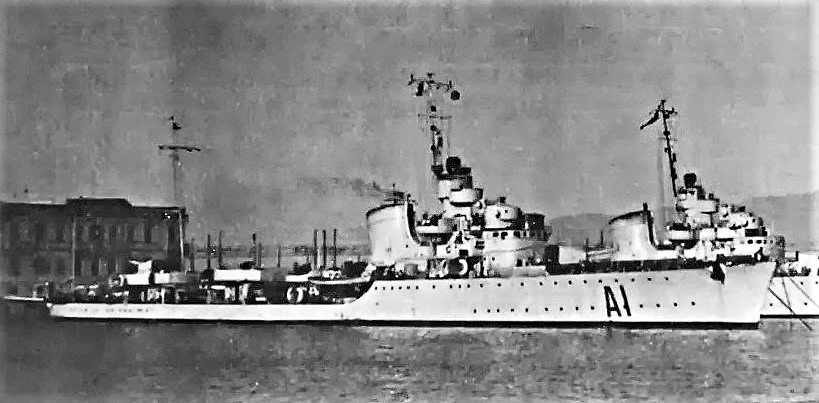
When Italy entered World War II on 10 June 1940, Ascari was part of the 12th Destroyer Division, together with sister ships Lanciere, Corazziere and Carabiniere. On 11 June Ascari and her sister ships carried out a reconnaissance mission in the Sicilian Channel. On 9 July 1940 Ascari and her division participated in the Battle of Calabria; in the final phase of the battle, the 12th Destroyer Division was ordered to attack the British Mediterranean Fleet with torpedoes. Ascari fired a torpedo at a British cruiser, but without success. Between late July and early August Ascari was among the escorts in a large convoy operation to Libya, Operation “T.V.L”.
On 5 October Ascari and the rest of the DesDiv 12 sailed from Taranto as part of the escort of a convoy heading for the Dodecanese (Operation CV), but the operation was cancelled after British battleships were sighted by aerial reconnaissance in the eastern Mediterranean. On 26–27 November 1940, Ascari participated in the Battle of Cape Spartivento; during the battle, Lanciere was hit by a 6in shell from the cruiser HMS Manchester that left her dead in the water, and Ascari took her in tow and towed the crippled ship to Cagliari.
On 13–15 June 1942 Ascari, attached to the 10th Destroyer Division, participated in Operation Harpoon, attacking a British convoy to Malta together with the 7th Cruiser Division and 14th Destroyer Division. In the subsequent battle Ascari, together with Alfredo Oriani, engaged the escorting British destroyers, scoring hits on HMS Bedouin, and later finished off the tanker Kentucky and the steamer Burdwan, previously disabled by Axis air strikes.
Fate: Sunk by mines, 24 March 1943.
On 23 March 1943 Ascari sailed from Palermo carrying German troops towards Tunis, and was joined at sea by the sister ship Camicia Nera and two other destroyers, Leone Pancaldo and Lanzerotto Malocello, also carrying German troops. At 7:18 on 24 March, Lanzerotto Malocello struck a mine laid by HMS Abdiel about 28 miles north of Cape Bon and was left dead in the water. It was initially thought that the ship had been torpedoed, and Commander Mario Gerini, Ascari’s commanding officer and also in command of the destroyer group, ordered Leone Pancaldo and Camicia Nera to proceed towards Tunis as he tried with Ascari to bring help to Lanzerotto Malocello, which sank about 90 minutes later. While rescuing Lanzerotto Malocello’s survivors, however, Ascari hit in turn three mines, losing her bow and stern and finally sinking at 13:12, about 25 miles north of Zembretta. Some MAS boats sent from Bizerta and Pantelleria reached the scene after about four hours, and could only rescue 59 of the 533 troops and crew aboard Ascari. Commander Gerini was lost together with 193 of his crew and 280 German soldiers.
 History Diaries