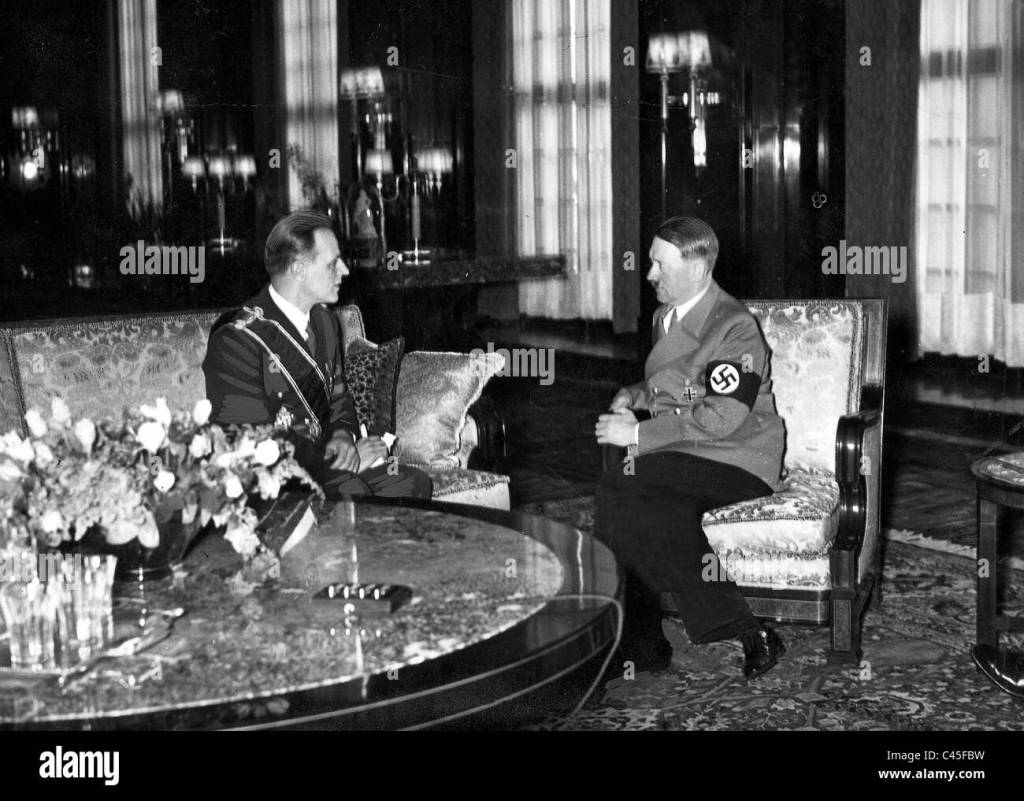
Adolf Hitler tells Gregoire Gafencu he cannot understand why the English cannot see that he only wishes to reach an agreement with them…. But if England wants war, she can have it.
The press reports that Foreign Minister Grigore Gafencu is satisfied with the results of his conversations in Berlin and that Joachim von Ribbentrop, the German Foreign Minister, soon will come to Bucharest to return his visit. An editorial in the newspaper Seara, generally regarded as reflecting official views, says:
“Rumania takes the definite stand that she has an international life of her own based on non-participation in any of the ideologies now dividing Europe in two and on no interference in her internal policy, which is based on economic liberty. Rumania, which is prepared to defend with all means her territorial integrity should the need arise, desires to continue her traditional foreign policy, strengthening old ties and at the same time enlarging her circle of friends. Desirous only that her sovereignty and security should be respected, she desires good relations with all nations in order that she may work in peace, thus contributing to the maintenance of peace in this part of Europe. From this viewpoint, our relations with Germany cannot but be good, since we have reciprocal interests.”
An olive twig was held out to Germany by Britain’s Foreign Secretary yesterday when he denied there was any intention to encircle Germany. On the other hand, an indication that Britain was approaching a war basis was discerned in a decision understood to have been reached by the Cabinet to create a Ministry of Supply, which would pave the way for conscription of industry and perhaps of manpower.
Moreover, the display of strength at Gibraltar was reinforced by the arrival of new British troops.
Vigilance at home brought to light an alleged conspiracy for the sale of secret plans of a shell factory in which a German consulate was reportedly involved.
The Germans relegated diplomacy to the background as they prepared to celebrate Chancellor Hitler’s fiftieth birthday today on a grand scale. The Chancellor himself opened a new broad boulevard in Berlin while Propaganda Minister Goebbels broadcast that his Führer was a man of peace.
Danzig awaited today’s celebrations nervously. The police there arrested thirty-one former Oppositionists on charges of plotting to unseat the Free City’s Nazi regime with Polish aid, but Opposition circles feared the accusations were a screen to cover a Putsch by the Nazis themselves. A plot against the Free City’s Nazi government to seize power with the aid of the Poles is reported to have been disclosed by the police here on the eve of Chancellor Adolf Hitler’s birthday anniversary. Thirty-one former members of the Opposition parties, mostly Socialists, were arrested early this morning. They are accused of a conspiracy to overthrow the Nazi Danzig government tomorrow during the birthday celebration when all National Socialists will be participating in the festivities. The police charge Polish aid in the form of arms and supplies was to have been. available in case of a clash.
This charge is repudiated in both Opposition and Polish circles. It is pointed out that the Nazi government has too strong a police force and too many armed party units at its disposal for disorganized Opposition groups to risk a coup. The Poles, it is argued, are striving to avoid anything that might cause trouble in the Free City and entitle the Nazis to call in German assistance. It is held that the alleged plot was invented to reunite the Nazi party in Danzig, which is rapidly splitting up, to restore the government’s dwindling authority and to have a war cry for tomorrow’s celebrations, which do not seem to have aroused popular enthusiasm.
Many believe the alleged plot is a smoke screen behind which the Nazis have prepared their own coup and a proclamation of Danzig’s return to the Reich. The city is therefore full of rumors and alarms. Polish military intervention is feared in case of a Nazi coup. Crowds apathetically look on the comparatively modest decorations for tomorrow’s celebrations and watch with a suspicious eye the Storm Troopers arriving in great numbers from East Prussia and police patrols armed to the teeth.
While the Reich, still eyeing Turkey, was said to have obtained an exclusive concession for an airline to that country, Italy was increasing pressure on Yugoslavia and seemed to be making progress in lining up Hungary with the Axis powers. The Hungarian officials visiting Rome. condemned President Roosevelt’s peace message Chancellor Hitler’s reply to this message, French sources believed, will set forth sweeping demands and tell the democracies that they can have peace on that basis.
A gleam of light on Germany’s internal conditions came from Washington, where the Commerce Department had reports of a serious shortage of railway rolling stock, which is likely to prevent Germany from fulfilling a wheat and rail equipment barter deal with Argentina.
The Italian press makes personal and venomous jibes at U.S. President Franklin Roosevelt.
Slovakia banned Jews from working as journalists and restricted Jewish lawyers to 4% of the total legal profession.
Lithuania transfers a railway to the Reich, yielding 85 miles.
Posters tell Parisians how to evacuate the city.
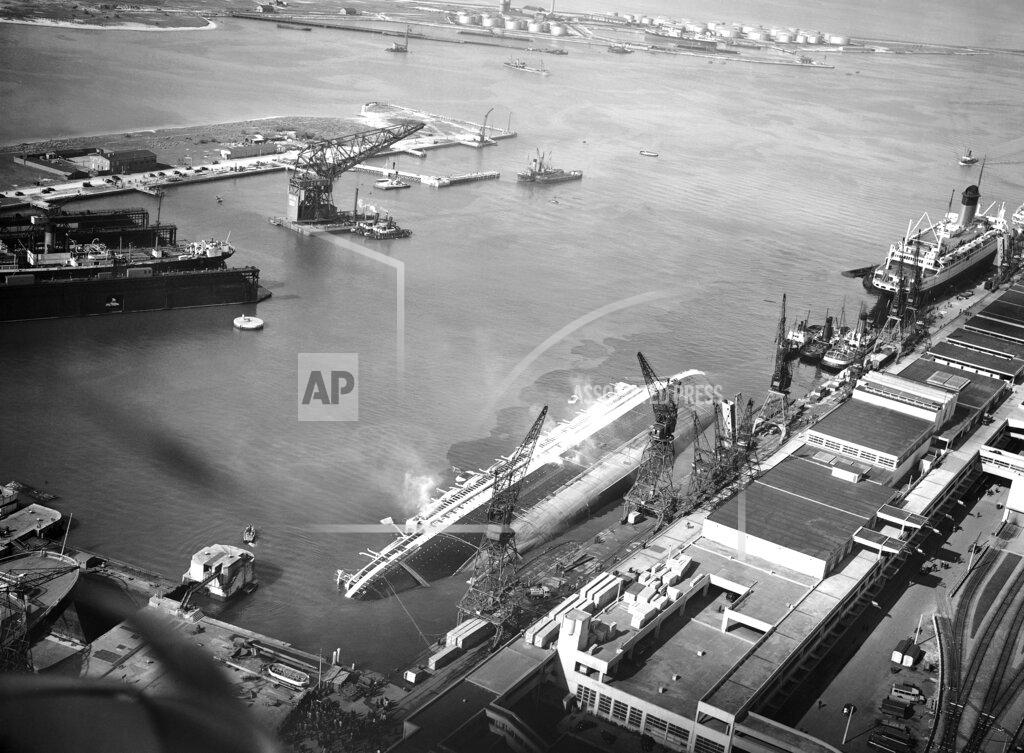
Supposed proof that fires on the liner Paris started simultaneously last night in several places, including the bakery and on two higher decks, led investigators tonight to assume they had been set although no arrests have been made. A man variously described as an Italian and an Algerian was arrested on suspicion last night, but he showed he was a member of the crew of the Champlain, which is at an adjoining berth, and he was released.
One of the cases of art treasures, bound for the New York Fair, was destroyed. It contained a bust by Carpeaux, French sculptor; manuscripts lent by the Bibliothèque Nationale and medals from the American Museum at Blerancourt. Nine crates of art bound for the Fair were removed from the ship during the fire. They were placed on the Champlain, which sails tomorrow. The lock on the bakery, where one of the fires began, had been reportedly tampered with, so keys could not unlock it. This delayed the firefighters’ attempts to enter.
As a result of the amount of water pumped into her, Paris fell on her port side, trapping Normandie in a nearby dry dock. She then sank into the mud in her dock. After her funnels and masts were removed so Normandie could leave dry dock, the hulk of Paris remained in place throughout World War II. She was still there in 1946, when Liberté (ex-NDL Europa) broke loose in a storm and sank after hitting the wreck. Liberté was raised and eventually entered French Line service, but Paris was dismantled on the site in 1947.
The traditional friendship between Britain and Portugal, her oldest ally, was emphasized tonight by the Portuguese Ambassador, Dr. Armindo Monteiro in a speech that gained in significance from reports that Spanish Falangistas were plotting against the Portuguese regime in the hope of gaining control of the entire Iberian Peninsula. Dr. Monteiro recalled that Portugal next year would celebrate eight centuries as an independent nation and expressed the hope that the “future will bring even more fruitful collaboration between the two countries.” To that end he endorsed recent efforts of British lecturers and publicists to explain the British point of view to Portugal.
President Franklin Roosevelt addresses Young Democrats clubs, saying liberals are the only hope for the Democratic party and tells everyone else to get out. President Roosevelt, in a message tonight to the Young Democratic Clubs of America, invited those of his party who were at variance with the aims of the Administration to leave the Democratic fold or subordinate “their prejudices and remain loyal” to the end that the party might retain its strength in 1940 and attract votes which would be cast “for ideas and ideals, rather than the emblem at the top of the ticket.”
Some leaders construed the message to be a declaration that the Presidential strength would be expended in the national convention next year to making certain that the standard bearer would not bear the stamp of “conservative.” Mr. Roosevelt asserted that neither the Democratic nor Republican parties could hope to win next year by their own strength. He predicted that victory would go to the party which could add “to its basic strength” the “ten or more millions” of voters who balloted for ideas and ideals, rather than party success.
Only by “suicide or fratricide,” Mr. Roosevelt said, could the Democratic party fail to elect its presidential candidate next year. Here the President said: “When men are at variance with the course their party is taking, it seems to me there are only two honorable courses — to join a party that more accurately mirrors their ideas, or to subordinate their prejudices and remain loyal.” He said he did not mean to imply that statesmen ought not to differ in their ideas, but he declared it was “a different thing from allying themselves with their party’s enemies and getting in a stab wherever and whenever they can do so safely.”
But instead of suicide or fratricide, Mr. Roosevelt said, the Democratic party had always won when it was “democratic” but when it offered the nation an “ersatz Republicanism” the voters spurned the invitation and made the party “stand in a corner” until it had “learned its lesson.” He invited all factions of the party to “remain loyal” and win without being “sent to a corner” to meditate for another period of years. Mr. Roosevelt’s message was read to the convention of the Young Democratic Clubs of America by its president, Pitt T. Maner, after Postmaster General Farley, the principal speaker, predicted a Democratic victory in 1940, but admittedly by no landslide. Mr. Farley predicted a retention in 1940 of the Administration policies because, he said, the Republicans had nothing to offer which would improve conditions.
A drive to ban Communists from WPA activities forms at the Capitol. A movement designed to frustrate alleged attempts by Communists to work through the Workers Alliance to organize recipients of relief was under consideration today on both sides of the Capitol. The first thrust was planned for early next week. After two Workers Alliance officials, one of whom said he was a Communist and identified other members of the alliance’s executive committee as Communists, had testified before the House Appropriations subcommittee investigating the WPA, members in both branches discussed the situation, and planned to move as follows:
- To call Colonel F. C. Harrington, WPA Administrator, before the subcommittee to determine whether, in the light of the alliance officials’ testimony, he regards the organization as an improper representative of the relief workers.
- If the answer is considered unsatisfactory, which is to say that the WPA will continue to recognize the alliance as the workers’ representative, then the Congressional sponsors are considering the admittedly drastic move of amending the law to forbid payment of relief money to any person who is a member of the alliance.
A member of the subcommittee proposed today that Colonel Harrington be asked to appear again next Monday in open session. The alliance officials have been on friendly terms at the WPA, and members of Congress said that, in the light of the testimony that several of the governing committee are Communists, there was a growing feeling in the House that the WPA should not recognize the alliance as the representative of the relief workers.
Taxes in the United States took 22 percent of the national income last year, more than in any other year for which records are available, the National Industrial Conference Board reported yesterday. The previous high was 17.7 cents per dollar of national income in 1937.
Last year’s taxes came to $13,700,000,000, the largest sum ever paid by the citizens to the Federal, State and local governments, the board estimated. The total was described as representing a tax burden of $105 per capita and an average of $317 for each employed person. Tax collections were estimated to have risen by 11.4 pe cent last year, while national income dropped by more than 10 percent.
The deadlock between soft coal miners and operators, which has kept the industry idle nearly three weeks, remained unbroken yesterday despite the intervention of Secretary of Labor Frances Perkins, as railroads and municipalities were multiplying their pleas for a settlement because of an advancing coal famine and members of Congress were urging President Roosevelt to take a hand in the situation.”
The President has refused to intervene pending efforts at an adjustment by the Department of Labor. A move to extend the stoppage beyond the Appalachian area, which is the territory covered by the present dispute, was made by John L. Lewis, president of the United Mine Workers, in conformity with. a previous announcement that mines outside the Appalachian field would be closed on the required fifteen-day notice if an agreement. was not reached in the controversy. Associated Press dispatches from Iowa, Kentucky, Indiana and Illinois announced last night that union officials in those States had served notice on operators that the mines would be closed by May 4 or 5 if the deadlock in the Appalachian negotiations. continued. Fifty thousand soft-coal miners are employed in the four States, which, like other areas outside the Appalachian field, have remained at work pending an agreement with the Appalachian operators, which serves as a basis for wage and work standards elsewhere.
A report that President Roosevelt was planning to put the Reconstruction Finance Corporation and other government credit units under the control of Secretary Hopkins and the Department of Commerce was circulating in Washington today. It followed the more definite information that the President would soon begin a substantial overhaul of the Executive branch of the government under the terms of the Reorganization Act.
The first of the reorganization plans, as directed by the law, is expected to be sent to Congress by the President next week. Two more are in preparation for submission before May 1. Each will become effective at the expiration of sixty days unless the two houses disapprove by concurrent resolution. If Congress should adjourn before sixty days expire the plans must be submitted at the next session for a similar wait.
That the President may be headed for another fight with Congress over the subject of Executive reorganization was indicated today in the first reaction to the report that the transfer of the RFC and other credit agencies to the Department of Commerce would be included in one of the three plans soon to be announced. Some observers speculated as to whether premature publication of this proposal and the reaction that it would create might. not throw a damper against it.
In just 19 minutes, the Senate passes a Navy air base bill that approves $66.8 million for new or expanded Facilities
New York votes to bar criminals from the World Fair. The law is aimed at pickpockets.
Connecticut finally approves Bill of Rights.
Visitors to the New York World Fair will fly over the United States of 1960. The vision of the future shows no slums and orderly traffic patterns.
Near freezing weather in Columbus keeps the attendance down to a record low in the (AAA minor league) American Association of 39 fans, who watch the Redbirds lose to Kansas City, 5–3.
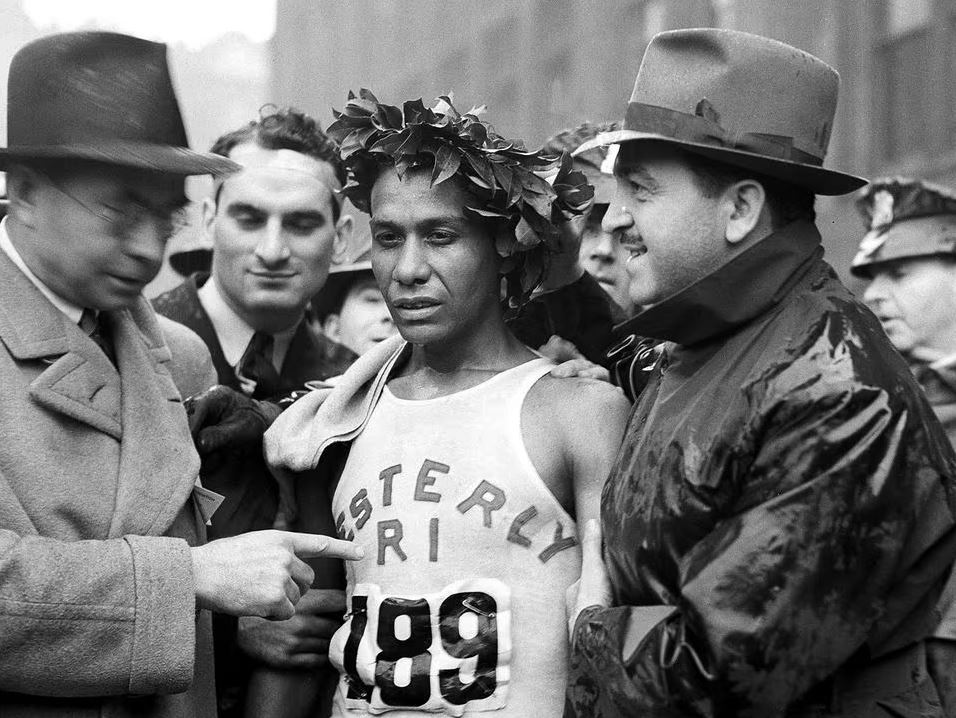
Ellison “Tarzan” Brown won the Boston Marathon. Tarzan Brown was one of the 300 surviving Narragansett Indian descendants who had joined King Philip, the Wampanoag chief who fought the whites in the 17th century and forced them to abandon the frontier. Brown grew up in a large, very poor family. He and his six siblings lived in a small, ramshackle hut outside of Westerly, Rhode Island. His Narragansett tribal name was Deerfoot for his running prowess, but his nickname was Tarzan because of his impressive build and because he enjoyed swinging from tree branches as a boy.
Chiang Kai-shek says peace in China is impossible if Japan continues its conquest. Any possibility of peace between China and Japan as long as Japan persists in her attempt to conquer China or establish a “new order in East Asia” was rejected by Generalissimo Chiang Kai-shek in a statement issued in Chungking. The statement assumes special significance in view of the scheduled arrival here today of the British Ambassador, Sir Archibald Clark-Kerr, fresh from conferring with the British Ambassador to Japan, Sir Robert Craigle, in Shanghai. The envoy is expected to present to Chinese officials an exposition of the Japanese attitude toward China and to sound Chinese opinion in exploring the outlook for a settlement.
General Chiang’s new definition of Chinese policy was made in an interview with Chungking correspondents. “The so-called establishment of a ‘new order in East Asia’ is a new term,” he said, “but in substance, it contains nothing new. However, this is a clear admission by Japan of her historical ambition to conquer China and destroy the rights and interests of third powers in the Pacific. The sole purpose of our resisting the invaders is to safeguard national life and liberty. As long as this object is not attained, we will not stop fighting. Under existing circumstances there is absolutely no possibility of peace. No advocacy of surrender, framed in words, however ingenious and subtle, can have any power to shake the determination of our whole country.”
The Chinese recapture of Yicheng, important South Shansi city east of the Tatung-Puchow Railway, was announced today in the Official Bulletin. Pushing on to the southwest, the Chinese forces were said to be fighting 2,000 Japanese reinforcements, rushed from Kuwo, at Nanfanchen. The Japanese Army was said to have been checked at this point; despite heavy losses among the Chinese caused by steady Japanese artillery fire and day-long bombing and machine-gunning by planes.
Yicheng is now the focal point of Shansi hostilities at a number of points in the Tatung-Puchow region. The rival forces are still bitterly contesting territory around Wensi, which is the object of a Chinese attack. At Siahsien and Yuncheng Chinese assaults are provoking severe combat. Dispatches from Kiangsi Province say the Chinese have renewed their attack on Kaoan in conjunction with continued efforts to reoccupy Nanchang.
The Japanese planes that bombed Mengtsz in Yunnan near the Indo-China border on April 13 flew over Indo-China from Waichao Island, Chinese air force authorities declare. Aviation officials say no planes were spotted by Chinese lookout posts on Chinese territory the day of the Mengtsz raid, so the planes could have reached Mengtsz only over French territory.
Dow Jones Industrial Average: 127.01 (+1.63).
Born:
Ali Hosseini Khamenei, 2nd Supreme Leader (Grand Ayatollah) of Iran, in Mashhad, Khorasan, Iran.
Clay Shaw, American politician (Rep-R-Florida, 1981-2007), in Miami, Florida (d. 2013).
Joe Scibelli, NFL guard (Pro Bowl, 1968; Los Angeles Rams), in Springfield, Massachusetts (d. 1991, of cancer).
Aubrey Linne, NFL tight end (Baltimore Colts), in Centralia, Illinois.
Gus Gil, Venezuelan MLB second baseman, pinch hitter, and third baseman (Cleveland Indians, Seattle Pilots-Milwaukee Brewers), in Caracas, Venezuela (d. 2015).
Jack Foley, NBA forward (Boston Celtics, New York Knicks), in Worcester, Massachusetts (d. 2020).
Ellen Weston, American actress (Betty – “S.W.A.T.”), in New York, New York.
Died:
Henry Stephens Salt, 87, English writer and social reform activist.
Naval Construction:
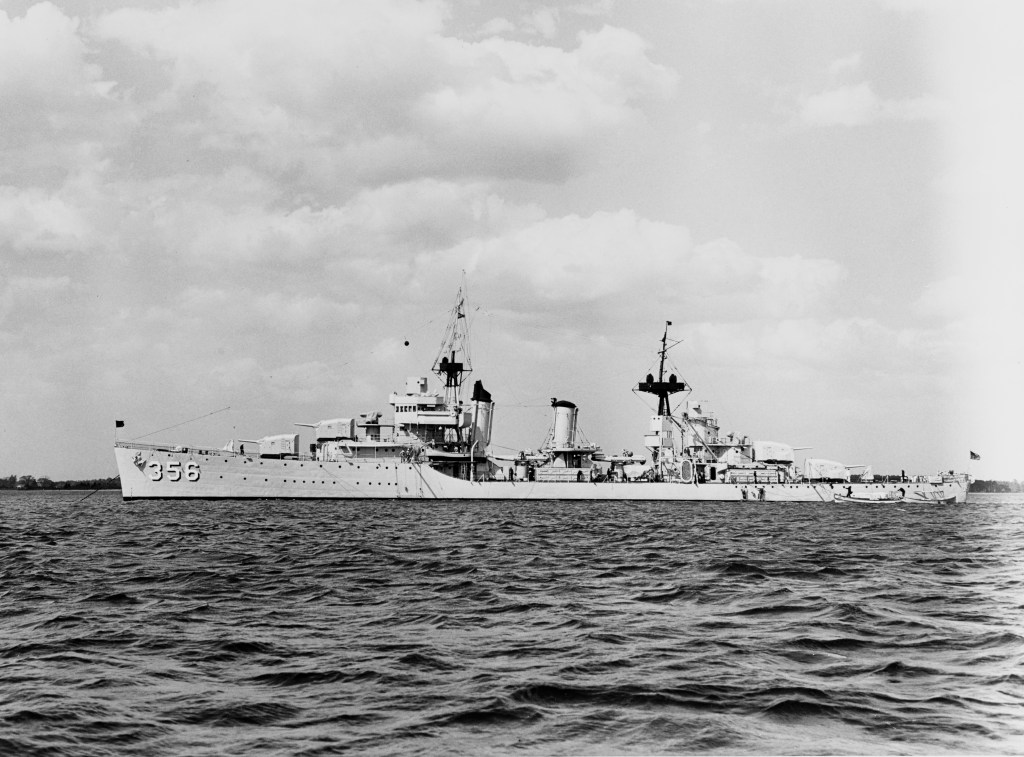
The Royal Navy Dido-class light cruiser HMS Scylla (98) is laid down by the Scotts Shipbuilding & Engineering Co. (Greenock, Scotland).
The Marine Nationale (French Navy) Élan-class Avisos dragueur de mines (minesweeping sloop) La Capricieuse is launched by A & Ch Dubigeon (Nantes, France).
The Marine Nationale (French Navy) Élan-class Avisos dragueur de mines (minesweeping sloop) La Moqueuse is launched by Arsenal de Lorient (Lorient, France).
The Nihon Kaigun (Imperial Japanese Navy) Kagerō-class destroyer HIJMS Hayashio (早潮, “Swift Tide”) is launched by the Uraga Dock Company, Uraga, Japan.
The Royal Navy Dido-class light cruiser HMS Bonaventure (31) is launched by the Scotts Shipbuilding & Engineering Co. (Greenock, Scotland).
The Royal Navy Bar-class boom defense vessel HMS Barcroft (Z 22) is commissioned.
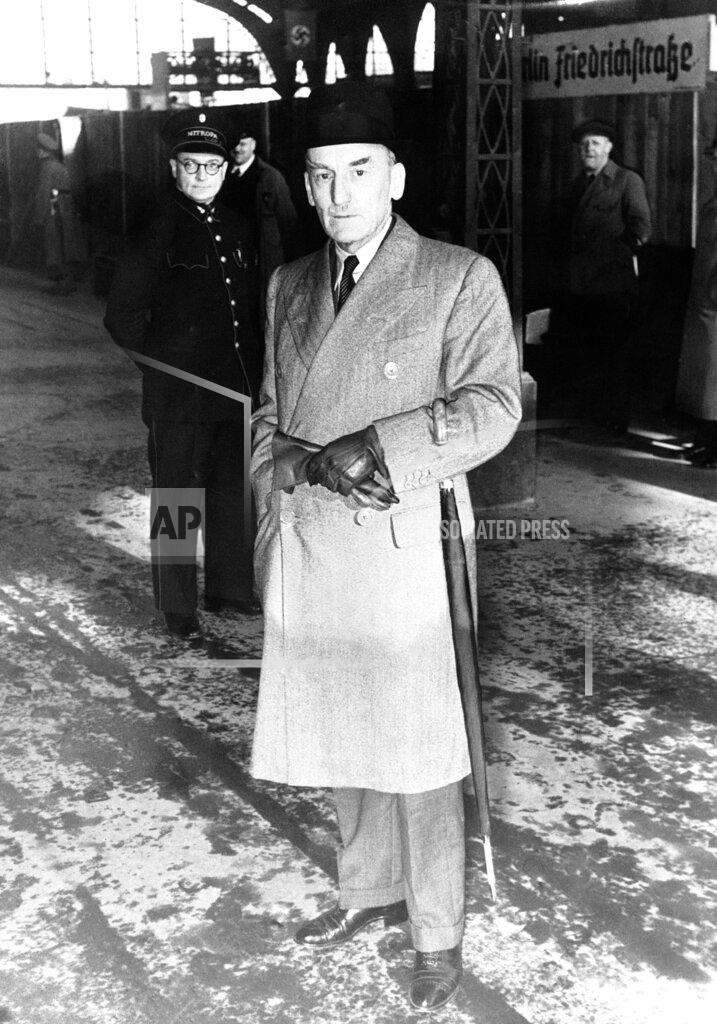
[During the Second World War, 1939–1945, Fuller was under suspicion for his Nazi sympathies. He continued to speak out in favour of a peaceful settlement with Germany. Alan Brooke (in his war diaries, p. 201) comments that “the Director of Security called on him to discuss Boney Fuller and his Nazi activities”, but Brooke commented that he did not think Fuller “had any unpatriotic intentions”. Although he was not interned or arrested, he was the only officer of his rank not invited to return to service during the war. There was some suspicion that he was not incarcerated in May 1940 along with other leading officials of the BUF because of his association with General Edmund Ironside and other senior officers. Mosley himself admitted to “a little puzzlement” as to why Fuller had not been imprisoned. Fuller spent his last years believing that the wrong side had won the Second World War. He most fully announced that thesis in the 1961 edition of The Reformation of War. There, he announced his belief that Hitler was the saviour of the West against the Soviet Union and denounced Churchill and Roosevelt for being too stupid to see so. Fuller died in Falmouth, Cornwall, in 1966.]

 History Diaries