U.S. President Roosevelt appeals to both Hitler and Mussolini for assurances against any further aggression, telling them both there is no need for war and to respect the independence of other nations, specifically naming thirty-one countries in Europe and the Near East. Soon afterward Hitler ridicules Roosevelt during a speech to the Reichstag by sarcastically reiterating the thirty-one nations listed in Roosevelt’s appeal. The Reichstag burst into laughter at the seemingly endless list. President Franklin D. Roosevelt sent Hitler a message asking, “Are you willing to give assurance that your armed forces will not attack or invade the territory or possessions of the following independent nations?” Thirty-one countries were then listed. “If such assurance is given by your Government, I shall immediately transmit it to the Governments of the nations I have named, and I shall simultaneously inquire whether, as I am reasonably sure, each of the nations enumerated above will in turn give like assurance for transmission to you. Reciprocal assurances such as I have outlined will bring to the world an immediate measure of relief.” A similar message was also sent to Benito Mussolini, who referred to the letter in private as “absurd” but never made a public reply. Roosevelt did not expect anything substantial to come out of the message, but sent it with the intention of demonstrating to the world an important issue between democracies and dictatorships.
President Roosevelt’s speech evoked a semi-official communiqué in Berlin tonight in which it was termed “hypocritical and pharisaical balderdash.” It called forth the usual battery of weapons used in Germany as counter-attacks to the President’s public declarations. The suggestion attributed to a member of Congress that in the event of war Mr. Roosevelt and the leaders of the American armament industry should be placed in frontline trenches, however, is enthusiastically acclaimed in this informed commentary, which says: “Were this suggestion acted on it, is certain that Mr. Roosevelt would be more peaceful. For the world. and the American people, we wish this most heartily.”
While Chancellor Adolf Hitler and Premier Benito Mussolini are endeavoring to substitute “righteous order in Europe” for “the disquietude instilled by the Western democracies,” says the communiqué, “Mr. Roosevelt endeavors anew to bolster the tottering front of unrighteousness with his agitation.” Mr. Roosevelt’s talk to the Pan American Union about setting an example to Europe, the commentary asserts, would lead one to believe that eternal peace and harmony always existed between the American nations.
“How can a head of State repeat such nonsense?” it asks. “The more, since the United States alone in the past forty years has undertaken and carried out sixteen armed, warlike invasions of Latin-American countries. “Mr. Roosevelt said he had promised Canada armed assistance in case of attack. It is not forgotten, however, that it was the United States which had annexation designs on Canada.” Mr. Roosevelt is imitating Prime Minister Neville Chamberlain, the commentary adds, in promising “in theatrical form” that all American nations are under the United States’ economic protection.
Neither Hitler nor Mussolini show interest; indeed, Hitler revokes the German nonaggression pact with Poland and the Anglo-German naval agreement in a speech to the Reichstag on April 28th.
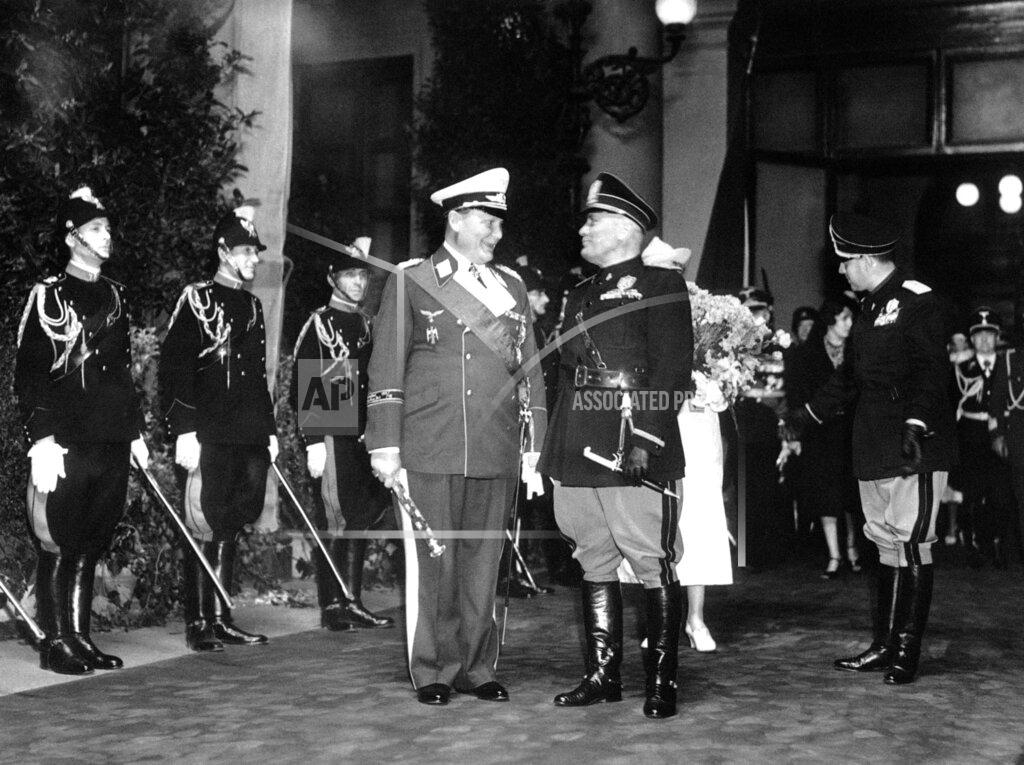
In Rome, Premier Benito Mussolini in his capacity as commander of the nation’s armed forces, all Italy’s military leaders, Foreign Minister Count Galeazzo Ciano and other Cabinet members were at the railway station tonight to welcome Field Marshal Hermann Göring, German Air Minister, on his arrival for an official visit. Marshal Göring arrived from Tripoli where he had been the guest of Marshal Italo Balbo, Governor of Libya, for several days. He will remain until Monday, when he will leave for Berlin.
The Marshal will have two meetings with Premier Mussolini. Particular significance is attached to these conversations, which according to official circles will deal with “political, economic and military questions,” in view of the seriousness with which Italy and Germany regard the joint pledges of Britain and France to defend the countries of Eastern and Balkan Europe.
Military cooperation between the Axis powers in case of war is expected to be the main topic of the discussions which will complement the meetings last week between Colonel-Gen. Wilhelm Keitel, head of the supreme command of the German armed forces, and General Alberto Pariani, Italian Under Secretary for War, at Innsbruck, Germany. Premier Mussolini and Marshal Göring in their capacities as Air Ministers will, it is reported, examine the extent and manner in which their two air forces may be coordinated to face the coalition of the powers of Western and Eastern Europe. The Anglo-French guarantee to Poland, Greece, and Rumania considerably widened the potential front on which the Axis powers would have to fight. The new alignment of nations hostile to Italy and Germany requires a revision of strategic plans.
Spanish and Italian claims to French possessions certainly will be among the political topics for discussion. The joint Italo-German economic drive in Spain is expected to be examined with the view to tying Spain more closely to the Axis because of her important strategic position in the Mediterranean. Marshal Göring is expected to reassert Germany’s complete support for any action Italy deems necessary for the satisfaction of her demands.
The British and French, however, were greatly heartened by the address and it was held to have given them new resolution.
Meanwhile, the British Government pressed Soviet Russia to join the anti-aggression front and was hopeful that she would do so in the near future. The British were determined not to let Polish and Rumanian objections stand in the way of Russian adherence.
Moscow showed that it had been much impressed by Prime Minister Chamberlain’s guarantees to Greece and Rumania by giving his speech announcing them an unprecedented display in the press
Germany charges Britain with making a move toward war. Britain is maneuvering smaller countries into forming a circle around Germany, the Reich says.
Romania and Greece are wary of French and British pledges, fearing the anger of fascists.
Poland and Rumania exchanged verbal pledges to unite in armed resistance to aggression by Germany or any ally. Turkey felt relief over the Anglo-French pledges to Rumania and Greece.
Berlin announced that twenty-five German warships would depart for maneuvers off Spain. The British continued defense preparations at Gibraltar
Paris was disturbed by reports that General Franco’s victory parade in Madrid might be delayed until May 15 and his Italian troops might remain in Spain until after that date. The French enlisted Spanish Republicans in their Foreign Legion.
French Premier Edouard Daladier affirms joint aid to Romania and Greece with Britain. Polish bonds are reiterated and Russian and Turkish negotiations are under way.
Muslims protest the Italian invasion of Albania in Beirut and Casablanca.
Arif Abdul Razik, Arab rebel leader, surrenders to French Military authorities in Syria. He was fleeing British troops and will now be exiled.
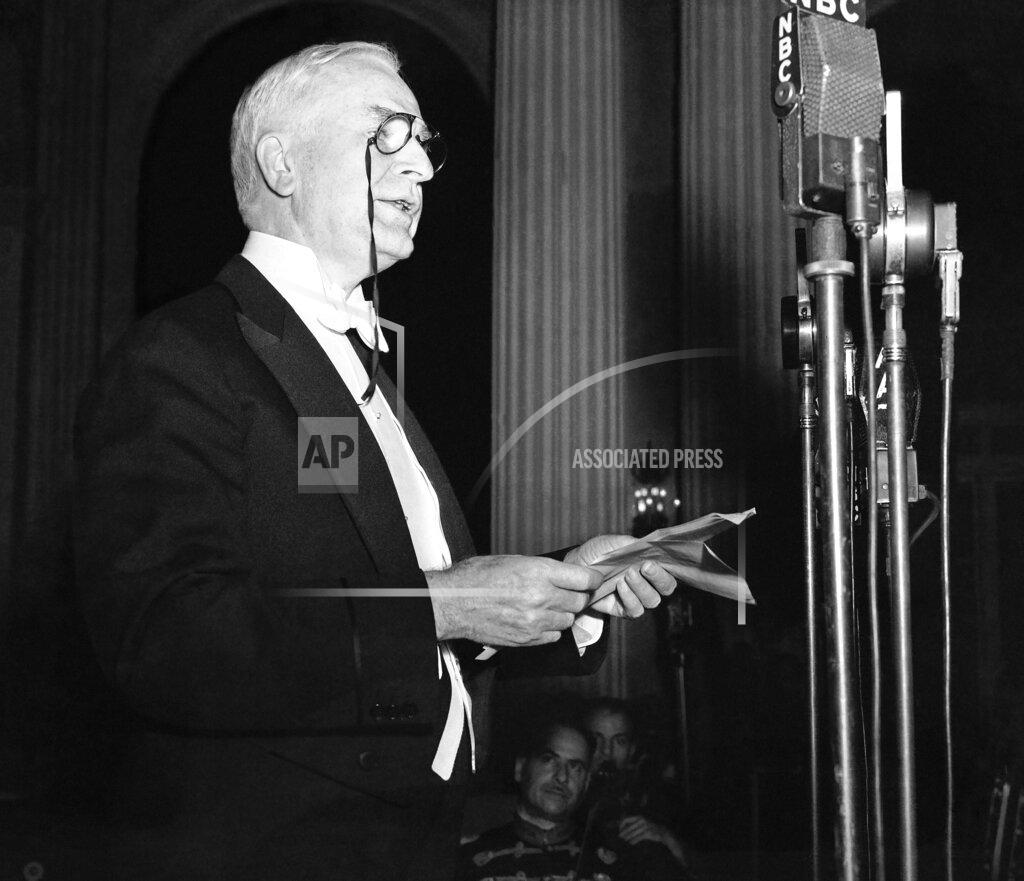
President Roosevelt, in a Pan-American Day address, called upon the European nations to “break the bonds” leading them toward war and declared that we would meet any invasion of independence in the Western Hemisphere, “force to force.”
Congressional critics of the President’s foreign policies declared his address would foment revolts abroad, but his supporters termed it beneficial to peace. President Roosevelt’s speech today to the governing board of the Pan American Union added fuel to the Congressional debate on the country’s foreign policies, which has already gone beyond mere consideration of whether or not to revise the existing Neutrality Act. Neither House of Congress was in session, but members who read or heard the speech in their offices. were positive in their praise or criticism.
Senator Reynolds made a veiled reference to the speech during the Foreign Relations Committee’s hearing on neutrality this morning, but so few members of the committee had heard its content at that time that the North Carolinian’s implications were not challenged. Most of the critics took alarm at the sentence which said: “The truest defense of the peace of our hemisphere must always lie in the hope that our sister nations beyond the seas will break the bonds of the ideas which constrain them toward perpetual warfare.” Whether by intention or not, most of the critics shortened this statement to a quotation to the effect that Mr. Roosevelt had urged the peoples of other nations to “break the bonds,” and was thereby “inciting” them to forceful overthrow of their governments. This was the line taken by Mr. Reynolds at the neutrality hearing.
A basic program for coordinating the scattered relief efforts of the Federal Government will be put before the Senate next week, following substantial agreement today on a bill by a special committee of which Senator Byrnes is chairman. The committee expects to reach a complete agreement tomorrow and to report the measure immediately, so that it will be in position for consideration Monday. Senator Barkley, the majority leader, said today. that he approved the bill “in principle” and would assist efforts to expedite its consideration.
Thus a beginning is expected to be made toward the development of a government policy on relief work in advance of consideration of a suggested appropriation of $1,500,000,000 to finance relief in the next fiscal year, beginning July 1, which will be recommended by President Roosevelt in a message scheduled. to be sent to Capitol Hill next week. The general effect of the proposed bill would probably be manifest only to a small extent in the actual operations of the work-relief program for some time to come, but a new philosophy is proposed for that work.
The sponsors of the bill would make the large spending agencies now in existence less active in themselves and more a backstop to operation of the Social Security Act, under which old-age pension payments would be started next January 1, instead of two years later, as provided in the current law. At the same time the bill would provide for liberalized benefits under the unemployed insurance schedules of the Social Security Act, for increased benefits for dependent children and the blind, and for an extension of Federal aid to States to finance the care of handicapped persons, especially those unable to earn a livelihood but too young to be eligible for old-age pensions.
The result of this whole program would be to take a large, although indeterminate, number of persons out of the ranks of those to whom considerable PWA and WPA payments now go, as well as to encourage another large number of persons to withdraw from private jobs, accepting their old-age pensions instead, and thereby opening up these jobs for younger persons now supported by public work programs.
The National Labor Relations Board, in a sudden move today, opened the door for four possible changes in the National Labor Relations Act relating to board procedure. These suggestions were made in connection with employer petitions for elections, determination of appropriate bargaining units, invalidation of contracts between an employer and a labor organization and lengthening of the period between complaints and hearings.
In view of the Labor Board’s previous determined opposition to any changes in the act, its reconsideration of several aspects of the bills now in the Senate came as a surprise to labor circles when the board’s statement to the Senate Committee on Education and Labor was made public. At the same time the board announced its unequivocal opposition to all amendments by Senators. Walsh, Burke, Holman, and Logan as seeking to “nullify” the rights of self-organization and collective bargaining.
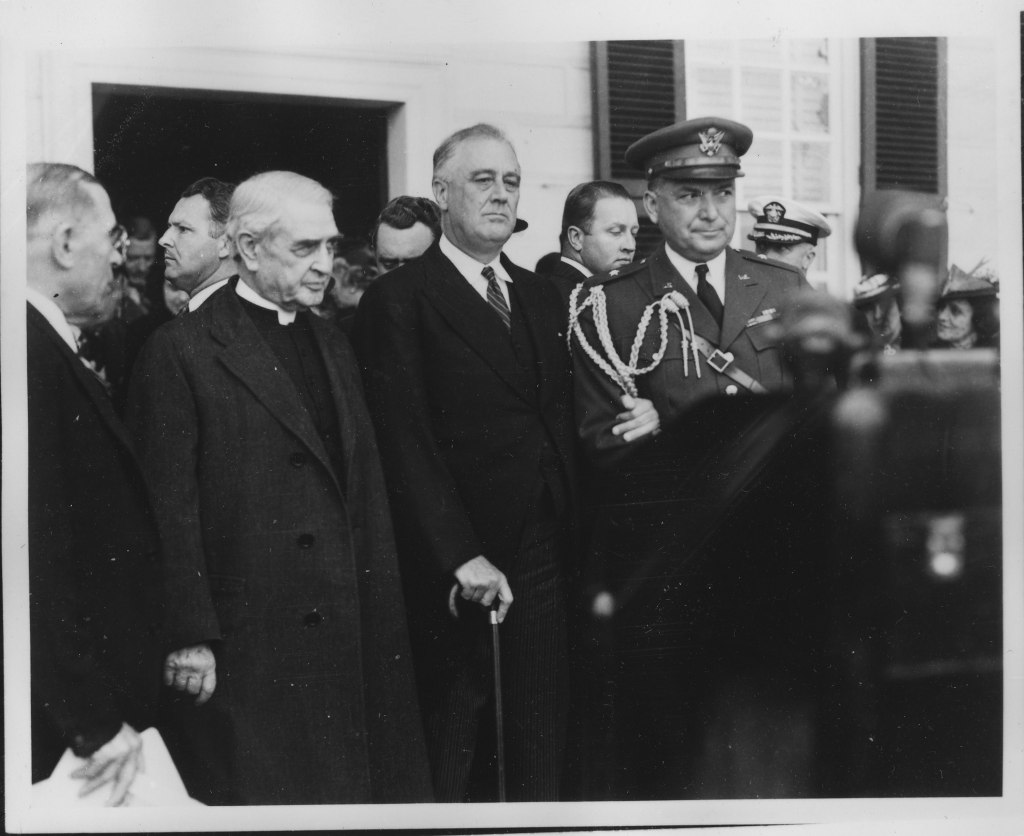
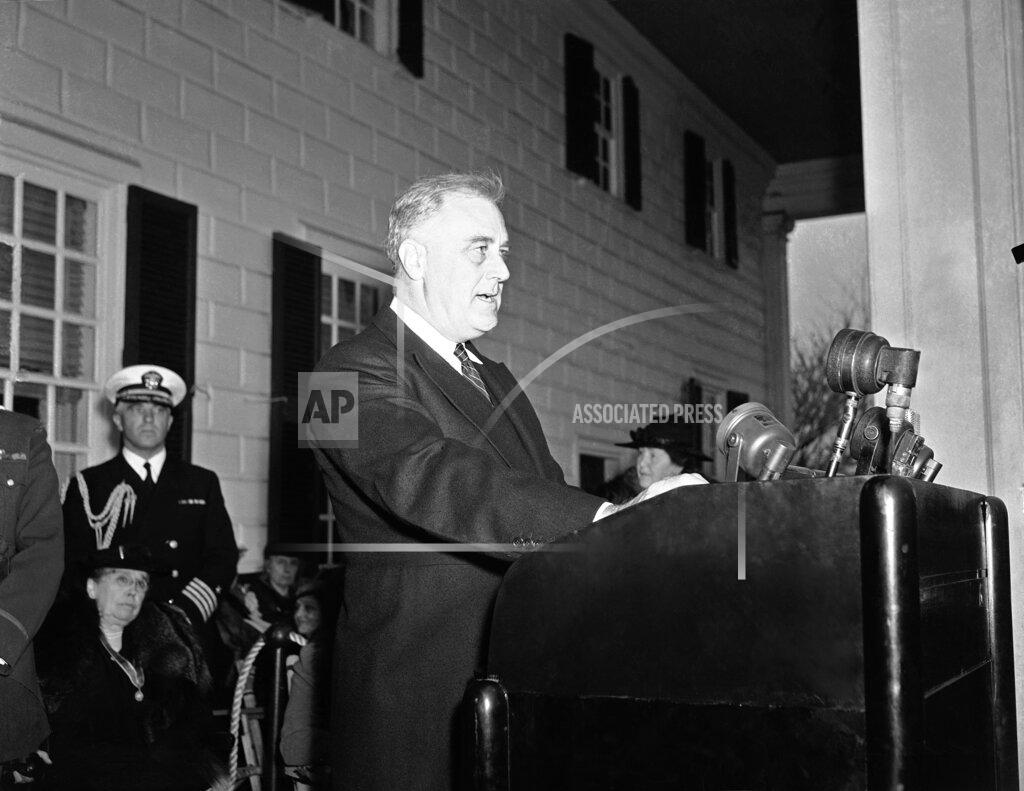
President Roosevelt extols George Washington and his decision to accept the presidency. Talk of a third term for Roosevelt is revived.
The Dies Committee secretary says its office was broken into, and “snoopers” rifled through desks and committee files.
The John Steinbeck novel “The Grapes of Wrath” was first published.
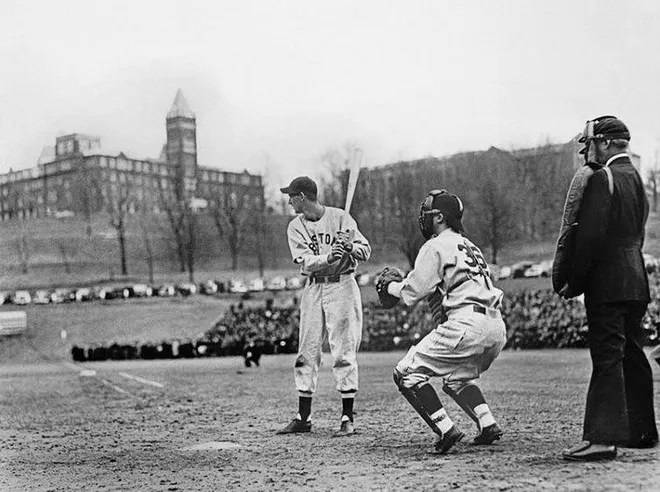
Red Sox rookie Ted Williams’ first at-bat in the state of Massachusetts is in an exhibition game against Holy Cross, and the tall lanky 20-year-old showed why the expectations for him are so high by hitting a grand slam in his first at bat and scoring four Hall of Famers — Jimmie Foxx, Joe Cronin, Bobby Doerr and of course himself — to cap a five-run first inning. And it didn’t get any easier for the Crusaders of Holy Cross as they would manage only five hits in the 14-2 defeat, though all would have a wonderful tale of playing against the great Ted Williams to tell their grandchildren someday. Williams would deliver in 1939 the promise he showed on that cold and blustery April day at Holy Cross by hitting 31 home runs and leading the majors in runs batted in with 145 while hitting .327 for the year.
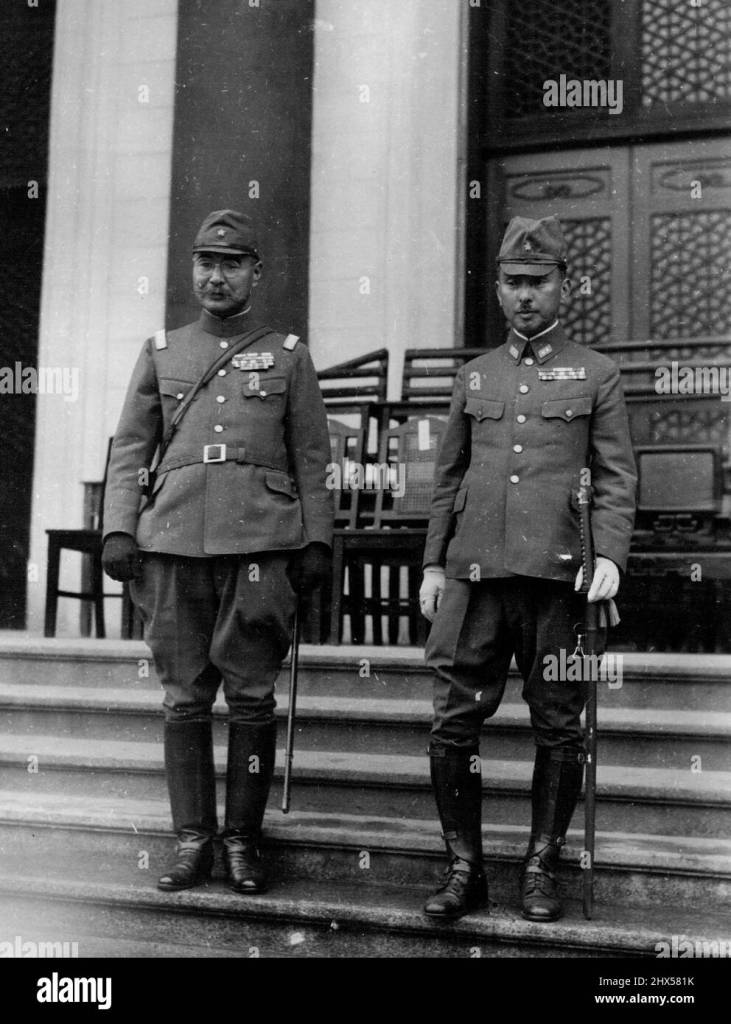
Reports from unofficial Chinese and Japanese sources today indicated that Generalissimo Chiang Kaishek’s April 10 general offensive had thrown three main railways out of commission and menaced two important cities long held by Japanese. It was reported that Chinese had made an attack on Suchow, important junction point of the Lung-Hai and Tientsin-Pukow Railways in Kiangsu Province, which was the object of bitter warfare for many months early in the war.
The situation at Kaifeng, 175 miles west of Suchow on the Lunghai Railway, where, Japanese said yesterday, “apparently something happened,” remained obscure. Late Japanese Army reports said that fighting still was raging outside the city. A revolt inside the city occurred simultaneously with the attack and it first was reported that six Chinese officials belonging to a Japanese-sponsored pacification commission were killed.
But Chinese sources said today that Generals Hung Wei-kuo and Cheng Hsih-sien, reported among the six killed, had arrived at Peiping, presumably by Japanese airplane. These sources said that reports of the deaths of the four other officials, including General Hu Yu-kun, chairman of the commission, were correct. Unofficial sources said that the Peiping-Nanking express service, inaugurated with considerable ceremony on April 1, had been interrupted for three days. Traffic also was at a standstill on the Tatung-Puchow Railway and the other railway into Taiyuan, capital of Shansi Province.
That Inner Mongolia had not escaped in operations of the Chinese general offensive was indicated by a Japanese announcement that six Japanese units were required to disperse an attack of 3,000 troops on Paotow, western terminus of the Peiping-Suiyuan Railway.
Chinese guerillas flooded coal mines near Tatung, now in the hands of the Japanese. Mines at Tatung, North Shansi, China’s largest and richest coal producers now under Japanese operation, have been flooded, presumably by guerrilla action.
Emphatic evidence of the final disruption of the Japanese-French Gentlemen’s Agreement concerning Southwest China was afforded yesterday when Japanese Navy planes raided Yunnan and bombed the Yunnan-Hanoi Railway, which is entirely French property. The raiders concentrated on the town of Mengtsz and destroyed, they claim, the railway station and several military establishments. Originally Japan and France agreed that the French would check the flow of munitions and war supplies to China through Hanoi and Haiphong, French Indo-China, in return for which Japan agreed not to bomb that portion of the Yunnan-Hanoi Railway that is inside the Chinese border, and also not to seize the island of Hainan.
The Japanese first charged that the French were permitting the Indo-China route to be used for supplies for China and then seized Hainan and Spratly islands. Now the bombing has taken place. The Japanese Army spokesman, in discussing the Chinese offensive on various fronts, said today that General Chiang Kai-shek was using only poor-grade provincials and Communists in these assaults. He declared that Central Government regular troops had not been encountered on any fronts since the capture of Hankow.
Dow Jones Industrial Average: 126.20 (-1.31).
Born:
Frank Jackson, AFL flanker, split end, and halfback (AFL All-Star, 1965; Dallas Texans-Kansas City Chiefs, Miami Dolphins), in Levelland, Texas.
Bert Wilder, AFL defensive end and defensive tackle (New York Jets), in Greensboro, North Carolina (d. 2012).
Jennifer Fowler, British classical composer, in Bunbury, Western Australia, Australia.


 History Diaries