A Viet Cong squad raids the U.S. military compound at Kon Tum and one U.S. officer is killed. The attack on the United States military compound at Kon Tum, 260 miles north of Saigon, in which an alert guard killed two guerrillas with a pistol, was notable for the fact that none of the Vietnamese Civil Guard troops on guard joined in the defense of the post. The disappearance of nine of them led to suspicion that they might have collaborated with the Communist attackers.
The Air Force today identified the man who was fatally wounded Saturday in a bomb explosion in Saigon as Staff Sgt Robert L. Taylor. His wife, Barbara Ann, lives in Alexandria, Virginia, and his parents, Mr. and Mrs. Lyman C. Taylor, in Hialeah, Florida.
The North Vietnamese Air Force established its first jet fighter unit, Fighter Regiment No. 921, nicknamed the Sao Dao (“Red Star”) regiment. A few weeks later, the first North Vietnamese jet pilots, prepared to fly MiG-17s, began their training in the Soviet Union, and based their operations at the Noi Bai base (also known as Phúc Yên Air Base) near Hanoi. North Vietnamese jet fighter units would be based in the People’s Republic of China until August while their pilots underwent training.
Ewald Peters, who had been the chief bodyguard for West German Chancellor Ludwig Erhard only four days earlier, hanged himself in his jail cell in Dortmund, where he was being held on suspicion of war crimes. Peters, who had been assigned to Nazi-occupied Ukraine during World War II, was arrested on January 31 after returning with Chancellor Erhard from a state visit to Italy.
Communist China declared today that it would refuse to recognize the majority rule of the Soviet Union and its followers in the international Communist movement. The Chinese Communists asserted that the movement was “confronted by an unprecedentedly serious danger of a split.” In its most severe denunciation of the Soviet leadership in the ideological quarrel, Peking characterized Premier Khrushchev and his associates as more dangerous enemies of Communist unity than rebels such as President Tito of Yugoslavia and Leon Trotsky, the rival of Stalin who was expelled from the Soviet Union in 1929 and murdered in Mexico in 1940.
Premier Chou En‐lai of Communist China has declared that what he described as “a dispute” between brothers would never find China and the Soviet Union apart in a time of world crisis. Mr. Chou’s opinions were aired last night over Channel 13 in a broadcast of National Educational Television. The program, taped in Peking before the Premier left on his African trip, was an interview given by Mr. Chou to Felix Greene, a British writer and lecturer.
Peking newspapers criticized President de Gaulle today, marking the first time the Chinese Communists had done so since Peking and Paris established diplomatic relations last week. In a dispatch from Paris, Hsinhua, the Chinese Communist press agency, commented on General de Gaulle’s remark that there was nothing in France’s recognition of Communist China that implied “any sort of approval of China’s present regime.” The Hsinhua report continued: “Reviewing China’s history, de Gaulle even ‘honored’ Chiang Kai‐shek, the traitor who was repudiated long ago by the Chinese people. “When he spoke of new China’s achievements he alleged that these were accomplished as a result of ‘implacable control of the masses.’”
Observers in Hong Kong believe the report indicates a shakiness of ties between Peking and Paris and pressure upon Paris to break relations with the Chinese Nationalist Government in Taiwan. Peking’s statement last week reasserting its opposition to any “two Chinas” concept is seen as a declaration that it will not exchange ambassadors until France forces the Chinese Nationalists to close their mission in Paris. Observers here believe that Communist China has been embarrassed by the situation that has developed. They say this is indicated by the Chinese Communists’ failure to seek maximum propaganda advantage from the French recognition.
A Mexican formula for resolving the dispute between the United States and Panama appeared to have won decisive support tonight in the Organization of American States. The proposal would support a Panamanian request for an investigation, under the InterAmerican Treaty of Reciprocal Assistance, of Panama’s charges that the United States committed aggression in the Canal Zone on January 9 and 10. But the inquiry, to he carried out by a special committee, would be combined with new efforts to find a peaceful settlement of the dispute, which has commanded the full attention of the regional organization for nearly a month. The proposal was advanced by Mexico’s representative, Vicente Sanchez‐Gavito, at a closed meeting of the Council of the O.A.S. this afternoon.
If Panama and the United States agree, it appears certain that the Council will give the plan the required 11‐vote majority when it meets tomorrow to consider Panama’s charges. Because of Mexico’s influential position both with the United States and Panama, the belief here was that the proposal would be accepted. Only Chile, it was said, continued to oppose the use of the Inter‐American Treaty — the Rio pact — at this time on the ground that there was no present danger of “aggression” to justify Panama’s charges. A majority of the Latin-American countries present were reported to have seen in the Mexican proposal a last opportunity to keep Panama from taking the dispute to the United Nations.
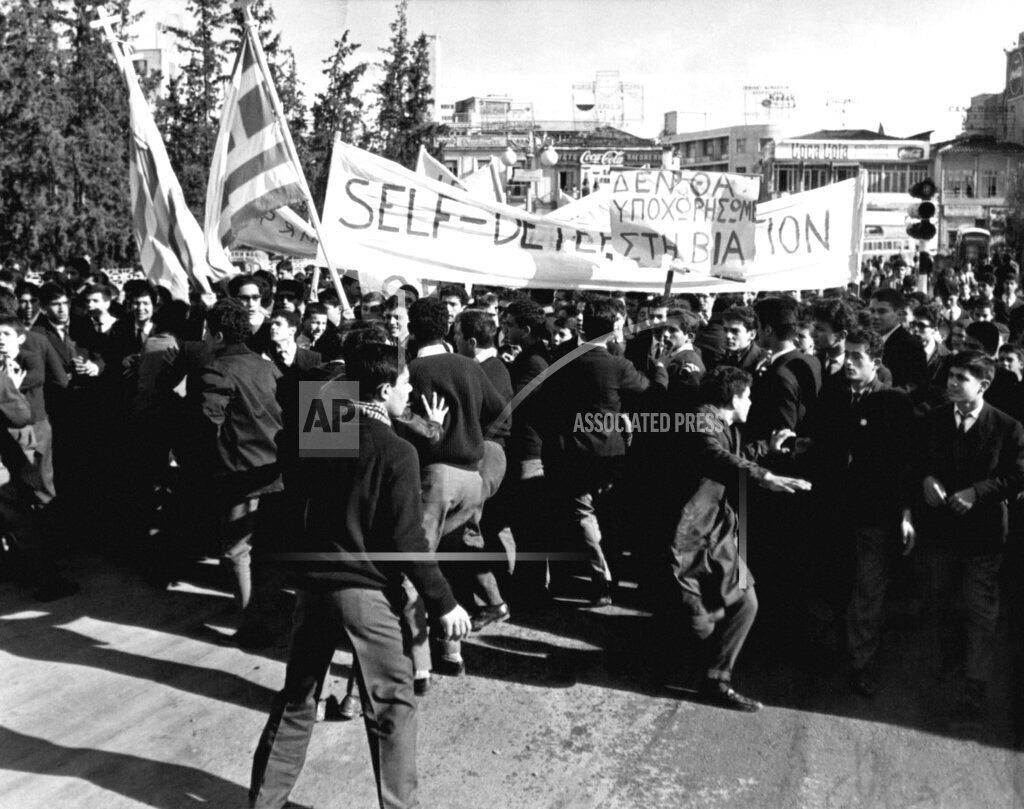
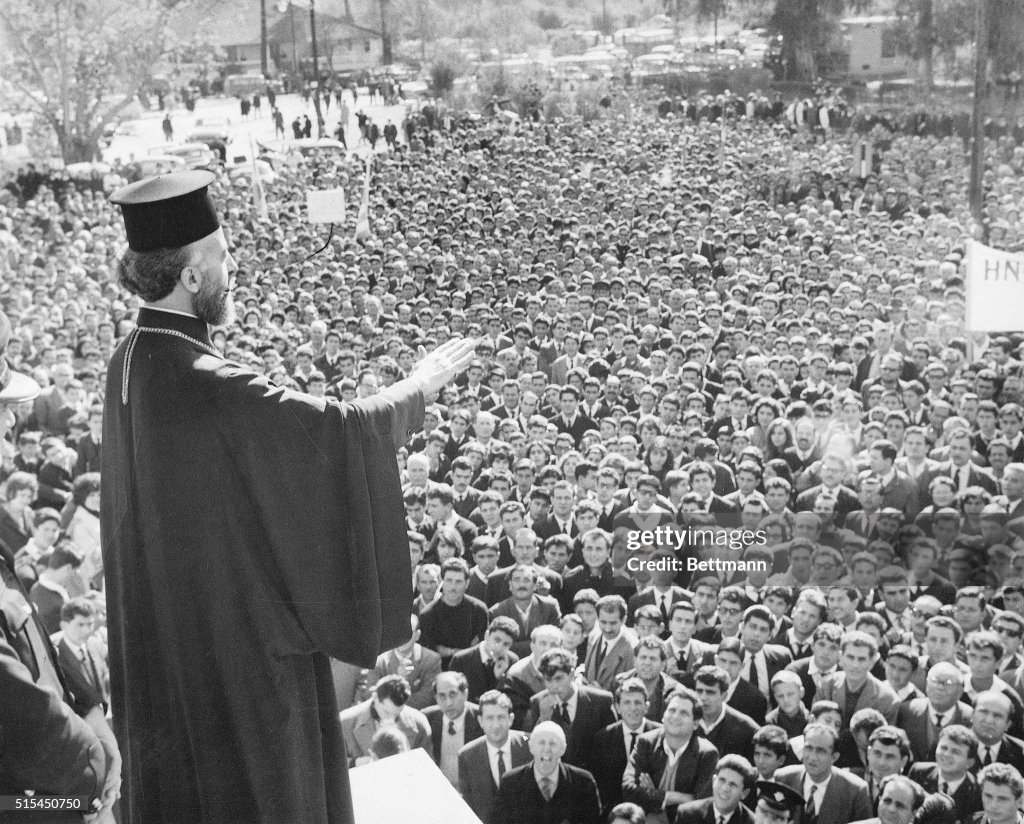
Responsible quarters indicated tonight that Cyprus’s reply to the British‐American peace proposals would be neither an acceptance nor a rejection. An informed Western source said: “We know very well it is not going to be yes; it will not be a flat no. It will be something in between.” Whether the counter‐proposals, expected tomorrow, will constitute a basis for further discussions among the sponsoring powers, which include Greece and Turkey, was not known tonight. The heavy Western pressure to get President Makarios at least to give the proposals a full hearing despite strong opposition among the Greek Cypriotes and members of the Government was given an extra impulse during the day.
Fraser Wilkins, the United States Ambassador, called on Archbishop Makarios to present a letter from President Johnson, the second sent to the Cypriote leader since the bitter communal relations between the Greek Cypriote majority and the Turkish Cypriote minority erupted into fighting during the Christmas holidays. The contents of President Johnson’s letter were not divulged. But it was assumed that the message counseled moderation and strongly urged the Cypriote leader to give the utmost consideration to the British‐American proposals. Glafkos Clerides, president of the Cypriote House of Representatives, and Foreign Minister Spyros Kyprianou flew to London, where they have been heading the Greek Cypriote delegation to the moribund conference on Cyprus’s future. President Makarios’s reply is expected to be announced simultaneously in Nicosia and London. But although the political tone had assumed an unaccustomed moderation, the tension between the two communities was running higher than at any time since the fighting.
A bipartisan coalition in the U.S. House of Representatives easily turned back every attempt by Southern forces today to kill or weaken the voting section of the civil rights bill. In succession the coalition scored these victories:
By a vote of 176 to 125, it defeated an amendment to delete the provision for three-judge courts in voting suits.
By a vote of 123 to 50, it brushed aside an amendment to kill the substance of the provision requiring the impartial administration of voter‐qualification tests by registrars.
By a vote of 155 to 55, it stopped a maneuver that would have limited the effect of the voting clause to four states that hold their state elections at different times from Federal elections.
This was the day, after two days of general debate last week, that the real battle started as the House began taking up amendments to the bill, title by title. The first title of the measure seeks to close loopholes in the civil rights bills of 1957 and 1960, which Southern states have found and exploited. Title I would prohibit voting registrars from applying different standards to Black and white applicants in administering and interpreting literacy tests. It would require such tests to be in writing, except where the applicant requested and state law allowed an oral test. The applicant would also have the right to demand a transcript of the questions and answers, whether the test were written or oral. Furthermore, the registrars would be forbidden to disqualify applicants for immaterial errors and omissions on application forms. Finally, to speed voting suits, which have sometimes been delayed by Federal District judges in the South, the title would allow the Attorney General to request that a three-judge court be appointed by the chief judge of the Federal Appeals Circuit.
The Senate voted today to continue to tax capital gains just as they are taxed now and to reduce sharply the tax benefits given American citizens who live abroad. The two votes were victories for a group of Democratic liberals that is seeking to reshape the $11.6 billion tax‐reduction bill now before the Senate. The Senate’s vote on the capital gains tax rejected a proposal to reduce the tax from the present maximum of 25 percent to 21 percent. The Senate action had the backing of the Senate Finance Committee, and was expected.
Senate liberals, by forcing a separate vote on the issue, got what they wanted, however — a 2–1 margin of victory, which, they hope, will help them keep any capital gains tax reduction out of the final version of the tax bill. This will be written by a Senate‐House conference committee, which will compose differences in the two versions of the bill passed by the two chambers. The Administration also opposes a reduction in the capital gains tax at this time. The Senate vote to reject any basic change in capital gains taxes was 56–25. The House included a reduction in the capital gains tax in its version of the bill, already passed. Thus the issue will be one of the main ones before the conference committee.
The Senate, in its vote today reducing the amount of tax-free income that may be earned by American citizens living outside the United States, made its first amendment to the tax bill, other than those that had received advance approval by the Finance Committee. The Administration and the Senate leadership had hoped to get the bill through the Senate without further changes. The sponsor of the amendment, Senator Albert Gore, Democrat of Tennessee, said the 47‐41 vote on his proposal that he had a good of winning Senate approval for many of the other amendments he is sponsoring.
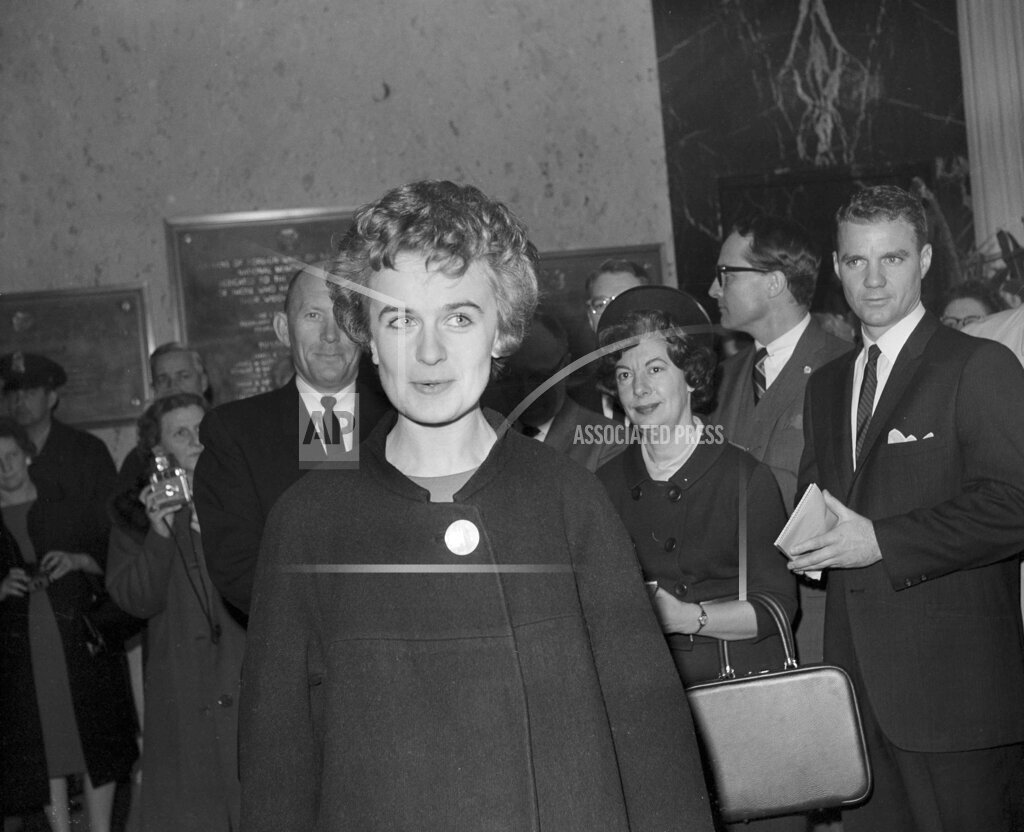
The Warren Commission began its first hearings in the investigation of the assassination of United States President John F. Kennedy. The first of 93 witnesses whose testimony was taken by the Commission was Marina Oswald, the widow of accused assassin Lee Harvey Oswald, who appeared in a closed-door session.
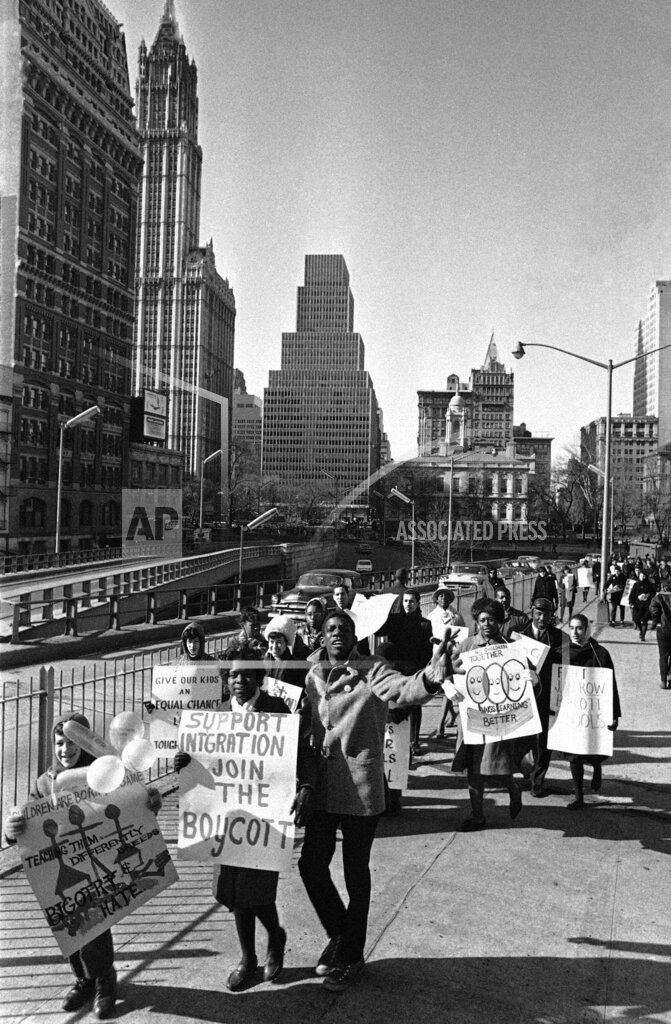
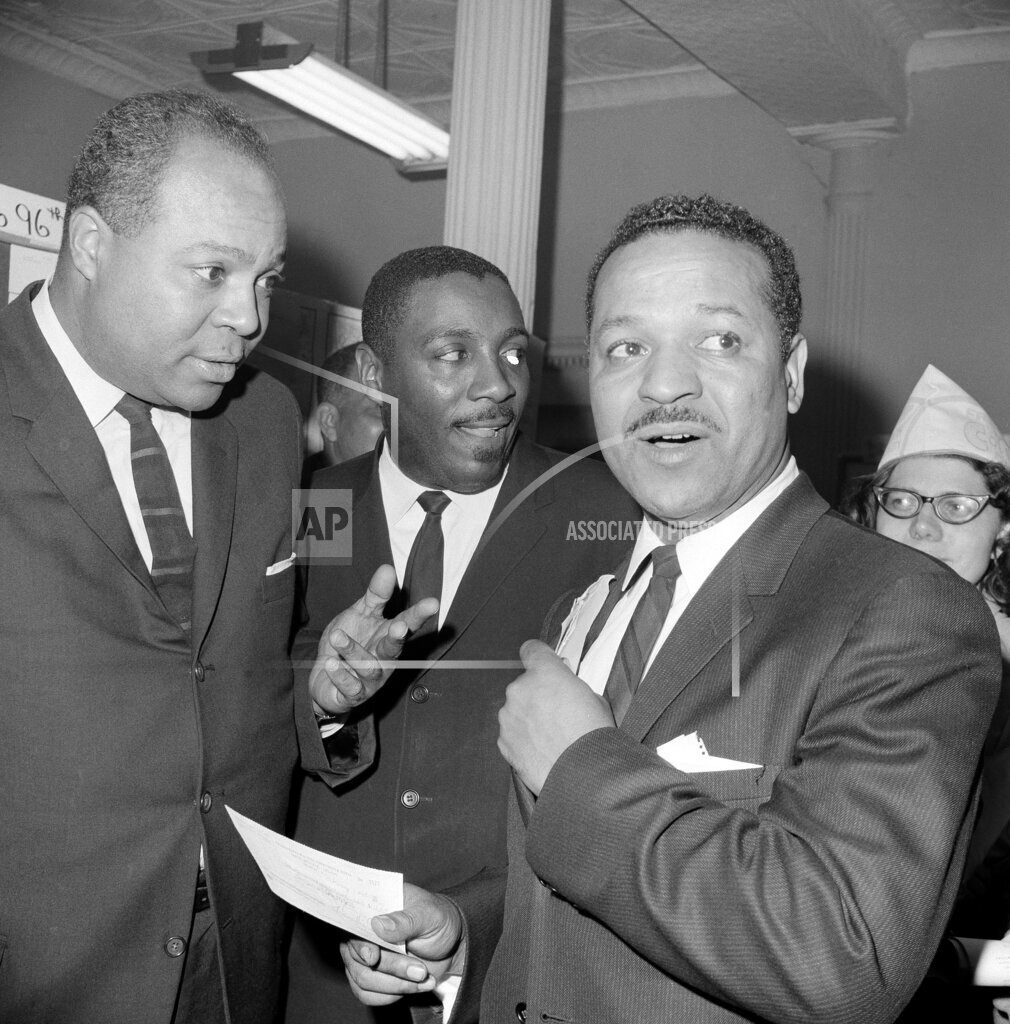
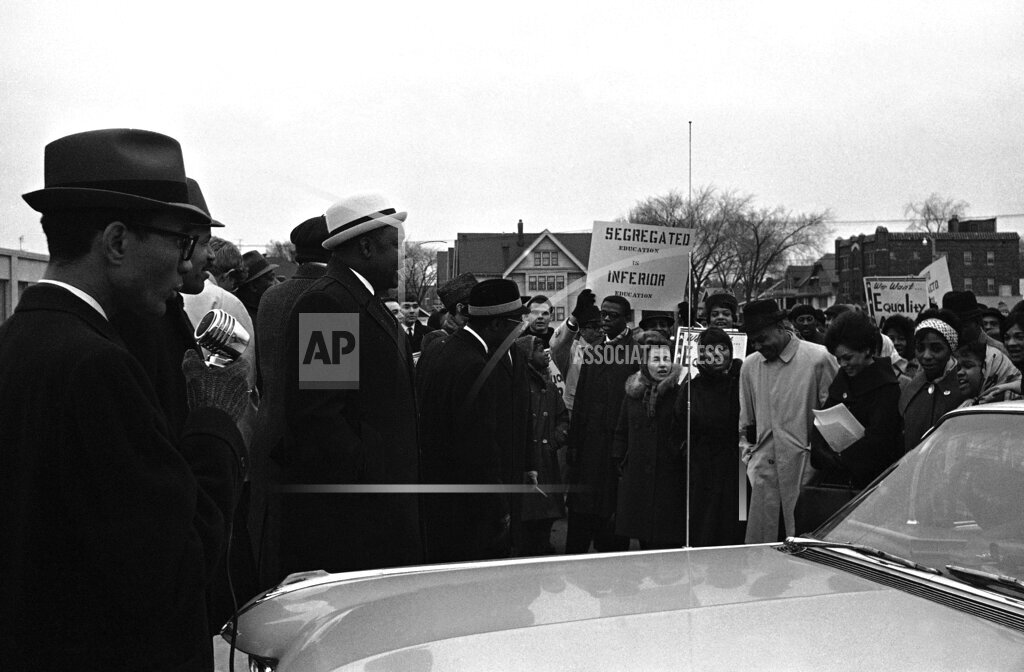
What has been described by one American author as “the largest civil rights demonstration in the nation’s history” took place in New York City as more than 460,000 African-American and Puerto Rican students and 3,500 teachers refused to show up at the city’s public schools to protest alleged de facto racial segregation. The number represented at least one-third of the city’s schoolchildren, and shut down predominantly black schools in Harlem and in Brooklyn.
The peaceful one‐day boycott emptied hundreds of classrooms in Black and Puerto Rican sections of New York City yesterday and kept many pupils at home elsewhere in the city. School authorities said that 464,361 pupils, or 44.8 per cent of the total enrollment of 1,037,757, had not attended classes. Since the normal absentee rate is 10 percent — a little more than 100,000 pupils — this means that the absences yesterday totaled about 360,000 more than the daily average.
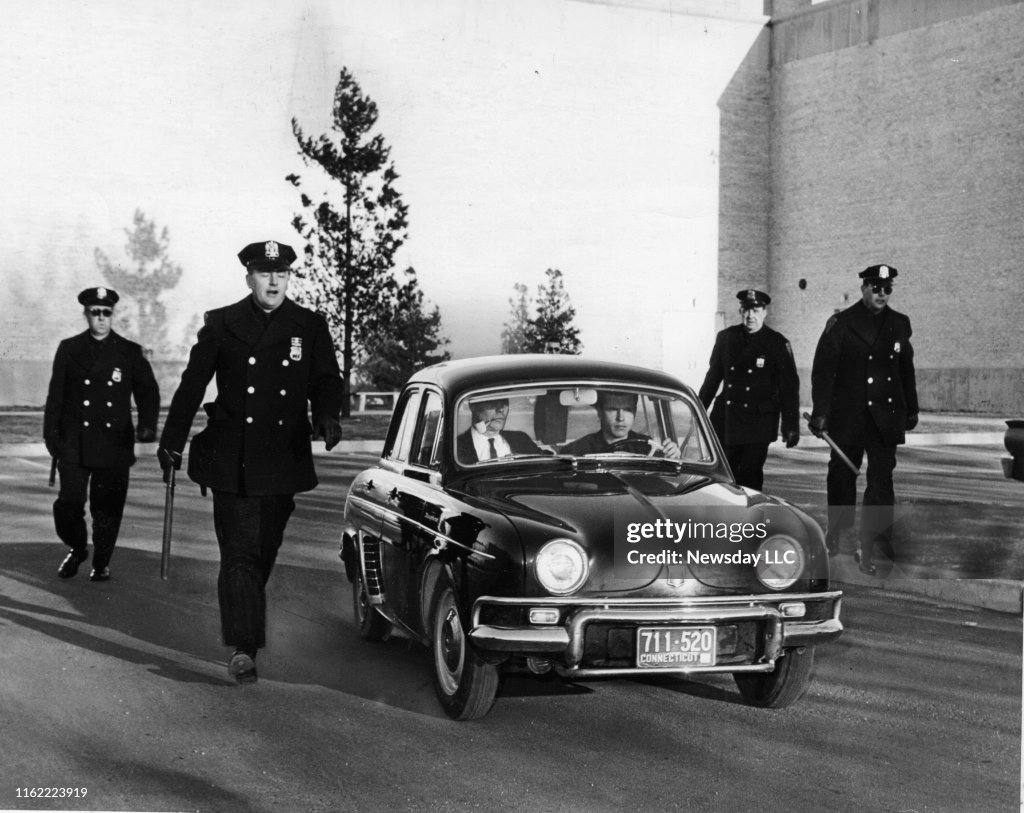
The protest against racial imbalance started in the gloom of an icy morning, with pickets marching at 300 of the city’s 860 public schools. It culminated with a cheerful, orderly march by 3,500 demonstrators, mostly children, on Board of Education headquarters in Brooklyn. The police were everywhere, but there was little for them to do. The pickets — 2,600 of them — braving the blustery winds of a 20‐degree morning, made no effort to interfere with pupils or teachers who entered the schools. With few exceptions, pickets were courteous and disciplined. The police were equally polite, and there was a minimum of friction between the two groups.
General Maxwell D. Taylor, chairman of the Joint Chiefs of Staff, is expected to retire next fall, probably in September or October. General Taylor’s desire to retire, which is still to be approved by the Secretary of Defense and the President, is understood to be based on three considerations, according to sources in Congress. One is his age and health — General Taylor will be 63 years old in August, and he has suffered from various bronchial attacks. The demands of his job have required a workday often 12 hours to 14 hours long, and he is said to be feeling the strain. The assassination of President Kennedy is believed to be another factor.
The “Meet the Beatles” album goes Gold.
Canada moved into sole possession of first place with a 4-0 record in the Olympic Group A hockey tournament today with a six‐goal second‐period that routed the United States, 8‐6. The Soviet Union, the only other unbeaten team, was idle and dropped to second place with a 3‐0 record. The defeat for the Americans was their third in four games. The United States won the championship at Squaw Valley, California, in 1960.
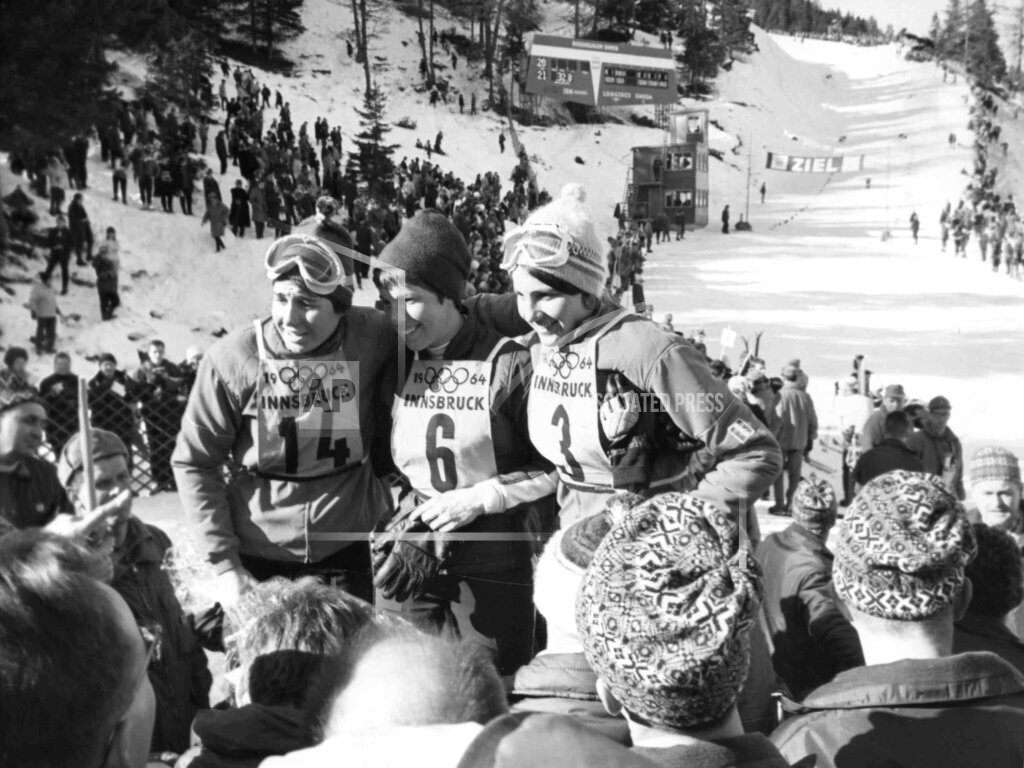
French sisters Marielle Goitschel (gold) and Christine Goitschel (silver) repeat (in reverse order) their top-2 finish in the slalom 2 days earlier, in the giant slalom at the Innsbruck Winter Olympics.
Dow Jones Industrial Average: 784.72 (-0.62).
Born:
Craig Swoope, NFL safety (Tampa Bay Buccaneers, Indianapolis Colts), in Fort Pierce, Florida.
Ron Weissenhofer, NFL linebacker (New Orleans Saints), in Chicago, Illinois.
Tommy Lehman, Swedish NHL centre (Boston Bruins, Edmonton Oilers), in Stockholm, Sweden.
Died:
Albert Richardson, 83, English architect (Georgian Group).
 History Diaries