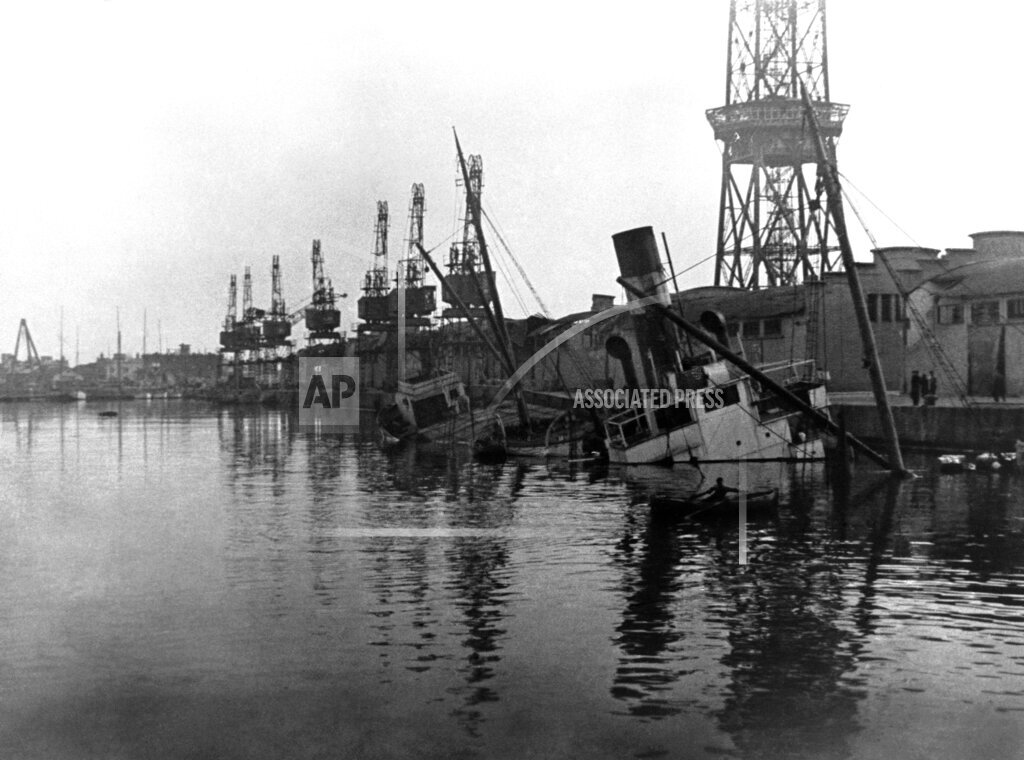
The Spanish Nationalists pushed into the province of Girona while taking the Catalan cities of Tordera and Vic. The Nationalists (Insurgents) advanced rapidly again today toward Girona up the Tordera River Valley from Blanes, about thirty-five miles above Barcelona on the coast, which they captured late yesterday. Another force moved northeastward along the coast toward San Feliu de Guixols, about fifteen miles beyond Blanes. Other Nationalist troops operating in the zones south of Vich, Berga, and Seo de Urgel, farther west, also progressed. The conquest of the Catalan territory remaining in Republican (Loyalist) hands is now regarded as a matter of days only. A dispatch to The Associated Press from Perpignan, France, reported an Insurgent force had occupied Vich and another, moving on Berga, threatened to cut the main road below Ripon, twenty miles from the French frontier.
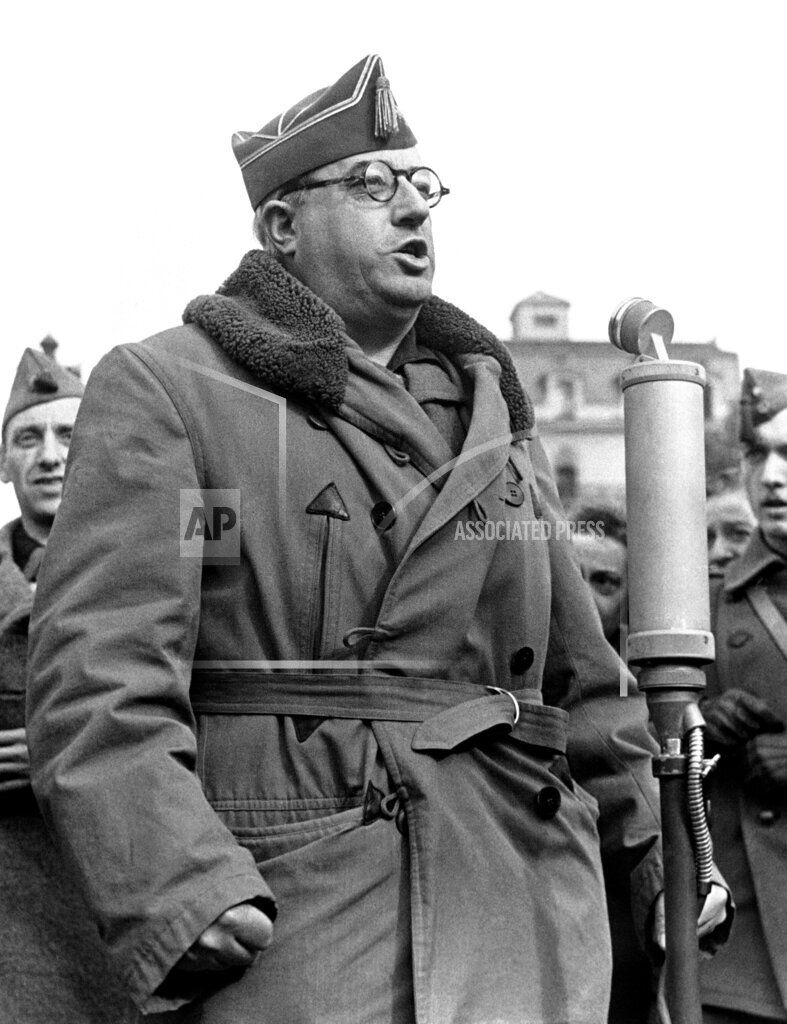
Republican Prime Minister Negrín, holding a meeting at Figueres Castle, suggests a surrender to Franco, on one condition – their lives would be respected and they would be allowed to vote on how a new government would be formed. Franco does not accept this surrender.
An Assault Guard lieutenant today arrested Eduardo Barriobero, an anarchist member of the Republican Cortes and presiding judge at many trials in Barcelona by the People’s Court. He was found hiding in the home of a friend.
Unconfirmed reports reaching Barcelona tonight from Puigcerda, Spain, say the Nationalists have occupied Seo de Urgel, near the Spanish-Andorran frontier. The latest reports say severe fighting is going on at Puente del Diablo, about ten miles south of Seo de Urgel. If Seo de Urgel has actually been occupied, it must have occurred without much resistance. The valleys between Seo de Urgel and Bourg-Madame, thirty-four miles distant, amplify sound and carry it far enough for all artillery actions in that district to be heard here.
English and American relief workers who returned to France from Girona and Figueras, Spain, said both those cities were bombed by the Insurgents several times today. The heaviest bombing was at Girona, where dead and injured were reported to number more than 100.
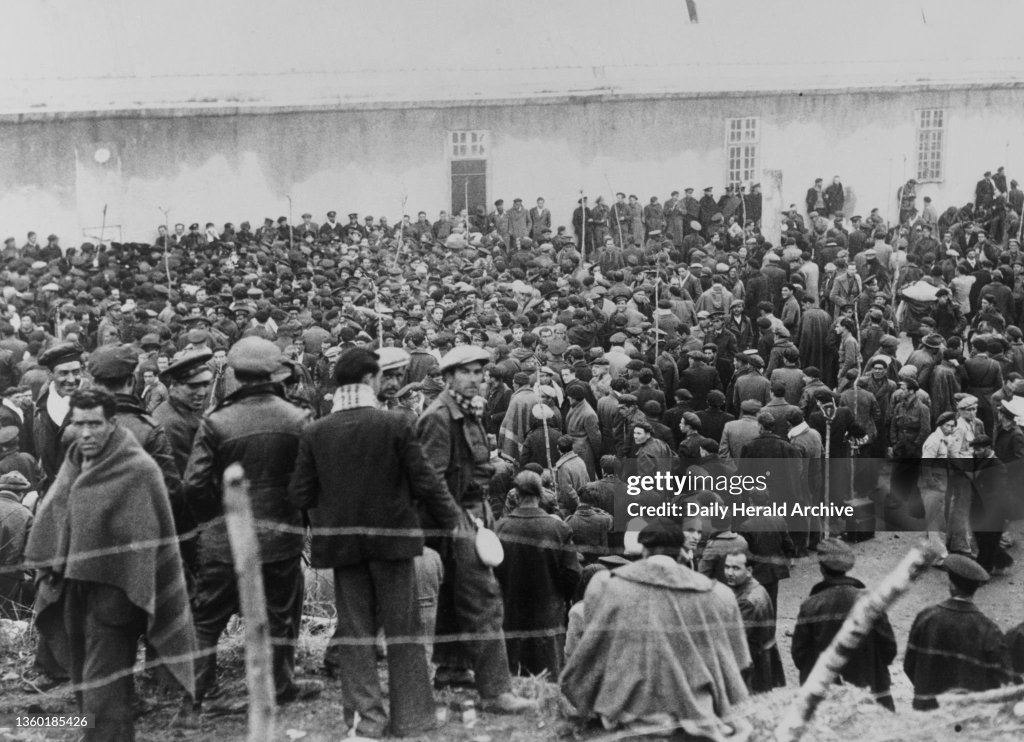
The Catalan border town of Portbou was converted into an armed camp today by 300 discharged Spanish Government troops to protect themselves from Insurgent sympathizers. Bent on returning home to peaceful pursuits the ex-soldiers — volunteers from Cuba, Argentina, and many other countries — seized machine guns from deserters and took up positions behind a barricade to protect themselves against snipers. They had attempted, they said, to enter France through the railway tunnel to Cerbere, but entry had been refused until money was deposited to their account in French banks. They dispatched envoys to arrange for their entry. “We are taking no chances on dying after we officially left the war,” their spokesman said. “When the French let us come, we will leave our guns, but not until then.”
Seven persons were killed and twenty injured in four Insurgent air raids on Valencia’s port section today. Five small ships were damaged.
A constant stream of trucks continues to arrive in Barcelona, bringing food from the four corners of Nationalist Spain. Because only the highway from Lérida, passing through Cervera and Igualada, can be used by these heavily loaded trucks, the feeding of nearly a million and a half hungry inhabitants of Barcelona is still a major problem. It is estimated that fewer than half a million persons evacuated Barcelona with the Republican Army. This number included a great many refugees from other parts of Spain captured by Generalissimo Francisco Franco in the last eighteen months. It is estimated also that at least half a million former residents of Barcelona who had taken refuge in San Sebastián, Burgos, Bilbao, Santander, and other cities in General Franco’s zone await official permission to return to their homes in Barcelona. This permission will not be given until normal conditions are completely restored in Barcelona and provisioning of the city is no longer a serious problem.
The Nationalist Women’s Auxillo Social is coping valiantly with the need to distribute food to the destitute. First-class and moderate-priced hotels are serving substantial meals, including meat, potatoes, and even green vegetables. After an interim of more than thirty months, religious services will be resumed in the Barcelona Cathedral tomorrow morning. Masses will be said for the repose of the souls of all priests and Catholic laymen slain during the first year of the war.
Barcelona shops with food, clothing and other necessities have reopened. From early this morning long queues filed through the Bank of Spain and private banks, changing pre-war paper money for new Nationalist notes. Street lights blaze now until after midnight. Throngs passing through the Paseo de Gracia and the Rambla give the city a more normal aspect than it ever had under the wartime Republican regime, according to inhabitants. Municipal street-cleaning and garbage-disposal equipment, which apparently had been mostly unused for a long time, is again in service. The United States Consulate General, where Vice Consul Douglass Plead is in charge and Vice Consul John Jernegan is also on duty, has had no emergency cases or even requests to defend the rights of American citizens. These two consular officials said that altogether only ten continental Americans, all connected with the telephone company, the National City Bank’s branch, and one hydroelectric plant, now remain in Barcelona. Besides these there are about 140 Puerto Ricans and Filipino’s, who so far have had no cause to ask the consulate to protect their interests.
France seeks a Catalonian truce, fearful that retreating Spanish troops will land on French soil. France has opened international negotiations in an attempt to arrange an armistice in Catalonia, it was learned in diplomatic quarters today. Negotiations were started, it was said, for fear that retreating Spanish Government troops would be forced onto French soil if the fighting continued. The talks were proceeding through British authorities at Burgos, the Spanish Insurgent seat of government, where France is not represented. The German and Italian Governments, diplomatic sources said, had been informed of the negotiations and asked to use their influence to persuade Generalissimo Francisco Franco to accept an armistice and give easy terms to those government fighters who would be sent to his territory.
Premier Édouard Daladier ordered French troops on the border brought up to 50,000 to cope with 250,000 Spanish Government militiamen who might be swept across the frontier should negotiations for an armistice fail and General Franco’s advance continue. Foreign Minister Georges Bonnet has received the Spanish Government’s Ambassador several times in the last few days. He has also conferred with the French Ambassador to Spain, Jules Henry, who returned to Catalonia today. It was understood mass surrender of Spanish Government troops in the north was proposed if the armistice is arranged. Troops in Catalonia which could not be sent back into Insurgent territory for any reason would be kept in French concentration camps, or, if General Franco would give permission, would be sent to Central Spain, where the government still is holding nearly a fourth of Spanish territory about Madrid and Valencia. The French Government also has asked that other nations share the expense of keeping Spanish Government fighters in camps in France to the end of the war. Whether the Spanish Government would accept such a plan remained to be seen. It was known that French officials had impressed them with the “futility of further bloody resistance” in Catalonia.
Spanish refugees in France are fed free rice or beans and meat.
Bowing to Reich pressure, the Czech government will expel the majority of Jews. Laws promulgated in Czecho-Slovakia today ordered, first, revision of the status of all Czechs whose citizenship was acquired after November 1, 1918, or who on January 1, 1938, lived in territory now ceded to Germany, Poland or Hungary. Secondly, the new laws ordered the “liquidation” of immigrants currently living in Czech territory. The text of the laws does not specifically mention Jews, but it is mostly Jews who are affected. The persons coming within the scope of these laws must report to the authorities. Afterward the provincial councils will decide the question of citizenship. Except in extraordinary cases, which can be referred to the Ministry of the Interior, there is no provision for appeals from the provincial council’s decisions. Immigrants will get one to six months to leave the country. Official spokesmen note that Czecho-Slovakia, now reduced to two-thirds its former area, harbors several thousand political refugees, who, it is held, cannot remain, in view of the unemployment situation. Private information indicates these measures were taken after strong pressure from Germany, which urged specific laws against the Jews.
On a visit to Poland by Ribbentrop, Beck “made no secret of the fact that Poland had aspirations directed towards the Soviet Ukraine.”
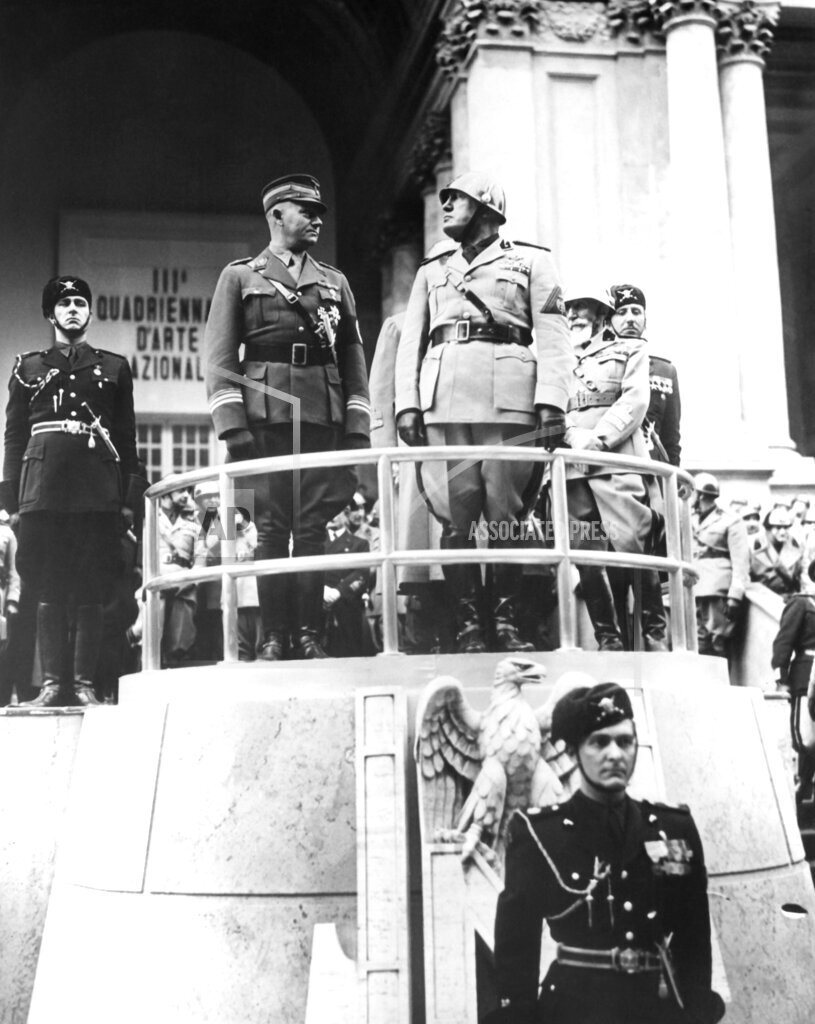
Count Ciano, Italian Foreign Minister, conducted an official visit to Poland and received an enthusiastic reception, which included a popular demonstration against the Germans. The Polish government, bowing to public pressure, put forward claims for a share in the colonies demanded by “have not” countries.
Italy hails Germany’s war pledge. Premier Benito Mussolini is expected to deliver a speech to the nation today, but does not do so.
Hitler dismisses Wilhelm Vocke, a director of the Reichsbank, from office.
For the tenth anniversary of the Lateran Treaty, Pope Pius XI drafts a discourse that is said to have condemned totalitarianism in the strongest terms. After his death (February 10), his successor, Pius XII, chooses not to deliver the speech.
The Soviet Union closed its embassy in Budapest due to Hungary’s agreement to join the Anti-Comintern Pact.
Arab and Jewish representatives met in London to discuss the latest British plan for the future of Palestine. Despite the efforts of non-Palestinian Arabs to reach a compromise, both the Jewish and Palestinian Arabs rejected the British plan.
Reports of President Roosevelt’s Intention to help European democracies arm against dictatorships stirred the Senate today to angry debate reminiscent of World War days. Fears that Administration policies might lead the United States into war were openly expressed and the secrecy with which Administration forces had surrounded some phases of foreign relations and the national defense program was assailed. Critics of the Administration demanded that the veil of secrecy be lifted from the hearings of the Senate Military Affairs Committee in which national defense plans have been related by military and naval Leaders. Administration backers defended its policies, and particularly the sale of military airplanes to France, which they contended was a “normal and usual procedure.” Republican members of the Military Affairs Committee endorsed the sale of airplanes to foreign countries, but demanded that it be on a basis of strict equality for all nations.
Senator Johnson of California, who nearly two decades ago was one of the leaders in the fight against the Versailles treaty and the League of Nations, led the onslaught of those who voiced fears that war might come if policies apparently now prevailing continued. Mr. Johnson demanded that the country be informed whether it was to be “eased into war and our people never know it. “Good God, do you not, gentlemen, think the American people have the right to know if they are going down the road to war?” Mr. Johnson asked. “Do you not think the American people, with their experience of the past twenty years, should be informed if their rulers are going to take them even to the brink of war? Why should they not be informed? They are our masters, and the only master I recognize. Why should they not be informed if such is the course to be pursued by their government?” During the debate there was no direct reference to the secret conference President Roosevelt held yesterday with the Senate Military Affairs Committee, although it was apparent that most of the Senators had it in mind.
Labor groups and advertisers will fight a proposed ban on billboards.
Ousted UAW president Homer Martin is accused of unfair labor practices.
The Dies Committee investigating “un-American activity” is accused of unfairness, usurpation of power, and evading duty.
The Army drops the use of Morse code, as radio and tapes supplant the need.
Ten thousand elevator operators and service employees stage a strike in New York, asking a 15 percent wage increase.
The New York governor proclaims Social Hygiene Day to focus on curbing venereal diseases.
Humphrey Bogart will appear in the movie “Escape from Alcatraz.”
Receiving nil response when they discuss trades, the Cleveland Indians hand veteran Earl Whitehill his release. He’ll sign in 2 weeks with the Chicago Cubs.
Soviets accuse Japanese soldiers of a Siberian raid. The Soviet Government reported tonight a new clash on the Siberian-Manchukuoan border after months of quiet and announced that Japan was being warned “of possible consequences.” A communiqué stated eighteen Japanese and Manchukuoan soldiers attempted yesterday to take possession of a Soviet island in the Argun River, the northwestern boundary between Manchukuo and Siberia. After an exchange of rifle and machine-gun fire, the communiqué said, a defending Soviet force of one lieutenant and five men forced the Japanese to retire, carrying seven men, killed or wounded. One Soviet soldier was wounded.
Dow Jones Industrial Average: 142.43 (-1.33).
Born:
Paul Gillmor, politician (Rep-R-Ohio, 1989-2007), in Tiffin, Ohio (d. 2007).
Fritjof Capra, Austrian-born American author (“The Tao of Physics”), physicist, systems theorist and deep ecologist, in Vienna, Austria.
Dave Graham, NFL tackle (Philadelphia Eagles), in Bridgeport, Connecticut.
Ekaterina Maximova, ballerina, in Moscow, Russian SFSR, Soviet Union (d. 2009).
Joe Sample, jazz pianist, in Houston, Texas (d. 2014).
Naval Construction:
The Вое́нно-морско́й флот СССР (ВМФ) (Soviet Navy) Project 7U-class (Storozhevoy-class) destroyer Surovy (Суровый, “Severe”) is laid down by Sergo Ordzhonikidze Zavod (Leningrad, U.S.S.R.) / Yard 189.
The Regia Marina (Royal Italian Navy) Soldati-class (1st series) destroyer Granatiere is commissioned.
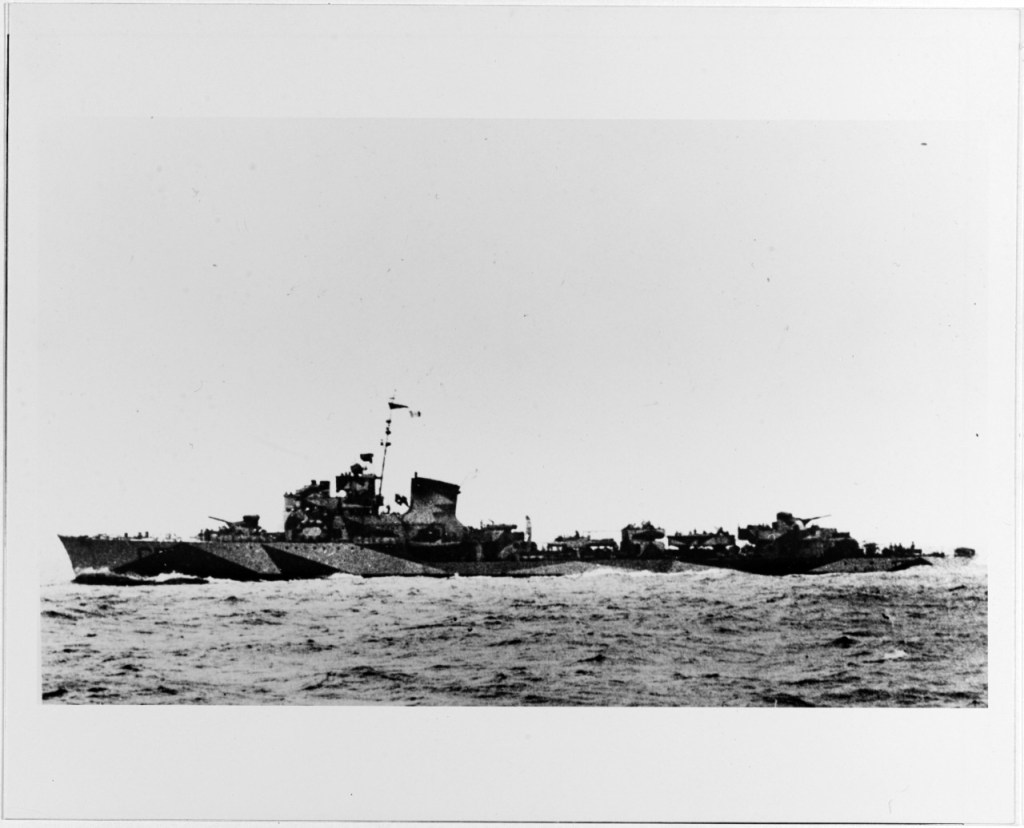
Fought on the Allied side after the Italian surrender of 1943. Granatiere joined the post-war Italian Navy. Granatiere was rebuilt as a fast ASW escort in 1952-1953 and re-rated as a frigate in April, 1957. Scrapped in 1958.
 History Diaries