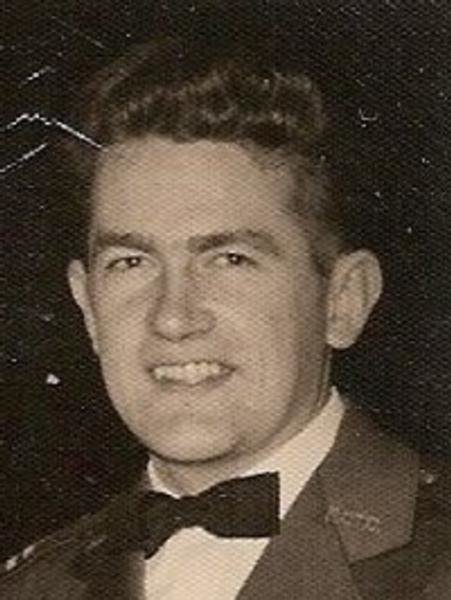
Major Carl B. Mitchell and Captain Vincent J. Hickman were assigned to the 1st Air Commando Squadron, arriving in-country to South Vietnam in November 1963. Major Mitchell, pilot, Captain Hickman, navigator and 10-year Air Force veteran, and a Vietnamese Air Force observer took off in a B-26B aircraft (tail number 44-35566) out of Biên Hòa Air Base, RVN at 1800 hours on January 14, 1964, on a combat support mission. After completion of the first napalm drop on the target, their aircraft was observed to crash and burn at around 1815 hours. Their wingman later confirmed they were shot down by ground fire, this is according to a squadron mate. There was no immediate evidence of survivors after the crash. A medical evacuation helicopter was immediately dispatched to the scene which was approximately 18 miles northeast of Biên Hòa, 4 miles north of Câu Trị An, in Đồng Nai Province. The medevac was unable to approach the crash site initially because of heavy hostile action in the crash area and ground troops could not secure the area until January 19, 1964. They searched the crash site and found no evidence of survivors. From statements by eyewitnesses to the crash, it was believed that the crew was killed at the time of the crash. The status of Major Mitchell and Captain Hickman was changed from missing to deceased on January 21, 1964. Vincent is remembered on the Wall at Panel 1E, Line 40.
A joint U.S.-South Vietnamese survey of villages issues a report that concludes the government’s war against the Viet Cong in the Mekong Delta “cannot ever be won” unless there are major reforms in the administration of the villages and strategic hamlets. The report calls for an end both to the forcible removal of peasants into strategic hamlets and to the corruption and mismanagement that prevails in such villages. The report was submitted by four Vietnamese officials and one American aide. They supervised a 21‐man team that carried out a survey in Long An Province, where the Communists have made deep inroads in the Government’s positions since last June.
Lieutenant General William Westmoreland is appointed to become deputy to General Paul Harkins, chief of the U.S. MACV; it is generally accepted that Westmoreland will soon replace Harkins, whose insistently optimistic views on the progress of the war have increasingly come under criticism.
This morning Ambassador Henry Cabot Lodge made a surprise visit in an unescorted civilian car to Tân An, Long An’s capital. The Ambassador made the 25‐mile journey to check on the Government’s drive to re‐establish control of the province. The visit was also a demonstration of his interest in the success of the campaign. It has been billed as a major test of the new junta’s ability to win the war. Mr. Lodge met with the Vietnamese province chief and American military advisers and visited a fortified hamlet just south of Tân An during his three hours in the area.
Viet Cong guerrillas down a U.S. B-26 bomber 40 miles northeast of Saigon, killing two Americans.
Theodore Sorensen, one of former President John F. Kennedy’s most trusted aides, wrote President Johnson to oppose the neutralization of South Vietnam as proposed by French President Charles de Gaulle and others. Sorensen said neutralization would result in a communist takeover of South Vietnam, weaken the U.S. position in Asia, and cause political problems for the Democratic Party. Johnson’s principal advisers — Dean Rusk, Robert McNamara, McGeorge Bundy and Walter Rostow — echoed Sorensen’s views. In December, Senator Mike Mansfield had proposed negotiation of a neutral South Vietnam.
Prince Norodom Sihanouk said tonight that he hoped the United States and Cambodia would soon be friends again. The Cambodian chief of state said he was “very hopeful” that a mediation effort by the Philippines would be successful. If it is, he added, he will order the Cambodian Ambassador to remain in Washington and there will be no move to alter diplomatic relations with the United States. The prince was speaking to two United States newsmen whom he had invited to join him and President Sukarno of Indonesia on a balcony of the royal palace to watch a fireworks display.
President Sukarno is concluding a four‐day visit to Cambodia. He and his aides will leave tomorrow morning for Tokyo to prepare for talks with Attorney General Robert F. Kennedy on Saturday. Mr. Kennedy was named by President Johnson to discuss with Mr. Sukarno problems raised by Indonesia’s hostility toward the new nation of Malaysia.
Attorney General Robert F. Kennedy conferred with President Johnson today before leaving on a mission to impress on President Sukarno of Indonesia the concern of the United States over Indonesian threats against Malaysia. Mr. Kennedy planned to leave tomorrow at 9 A.M. Eastern Standard Time for Tokyo, where President Sukarno is visiting. This is Mr. Kennedy’s first global troubleshooting mission for President Johnson. The Attorney General handled several similar assignments for President Kennedy, including one to Indonesia in 1962. The United States later supported Indonesia’s claims to Dutch West New Guinea, thereby raising the Attorney General’s status with Mr. Sukarno. Mr. Kennedy, who declined to comment after his talk with President Johnson, is expected to tell President Sukarno that United States relations with Indonesia are bound to deteriorate unless the dispute is settled.
Secretary of the Army Cyrus R. Vance said today that “Castro Communist” agents trained in Cuba were responsible for having “measurably” increased the violence of the Panamanian riots. He disclosed that at least 10 persons suspected of being agents, including one sniper, had been taken into custody by Panamanian authorities at the request of the United States. The suspects, Secretary Vance said, were recognized and identified by United States sources. Some of the suspects only recently arrived in Panama, he added.
Mr. Vance, who has been nominated to be Deputy Secretary of Defense, returned from Panama last night. He hailed the United States troops in the Canal Zone for their conduct in the face of what he described as extreme provocation and great personal danger. “I was tremendously impressed by the high level of discipline and restraint our forces showed in the face of extreme provocation,” he emphasized at the outset of a hurriedly called news conference at the Pentagon. As Secretary of the Army, Mr. Vance is the “stockholder” of the United States‐owned Panama Canal Company, of which an Army engineer traditionally is president. Mr. Vance went to Panama last Friday with other United States officials and returned with a party that reported to the White House. He said at the news conference that there had been no sniper fire in the last 24 hours and that he believed the situation would soon return to normal.
In Panama the mobs are off the streets, the snipers have stopped firing, calm has been restored — and nothing has been settled. This is a major crisis in American‐Panamanian relations, and in Latin‐American affairs in general. Of course, Communists, Fidelistas and demagogues will take advantage of it. The United States has lost a battle over the Canal Zone. The problem is not to lose the war, or, in other words, not to lose the free and absolutely safe use of the Panama Canal whatever the outcome.
The Soviet propaganda machine is continuing to temper with an element of caution its efforts to exploit United States difficulties in Panama. The Moscow radio and newspapers have been talking about the “crime in Panama” ever since the crisis erupted five days ago. But as yet, there has been no editorial in any of the newspapers, and only editorials may be regarded as statements reflecting the policy of the Soviet leadership. Moreover, most references to the events in the Canal Zone have been on inside pages. Today’s attacks on the United States position in Panama were more numerous and sharper than those of preceding days. Pravda, the organ of the Communist party, accused United States soldiers of “staging a massacre of Panamanians.”
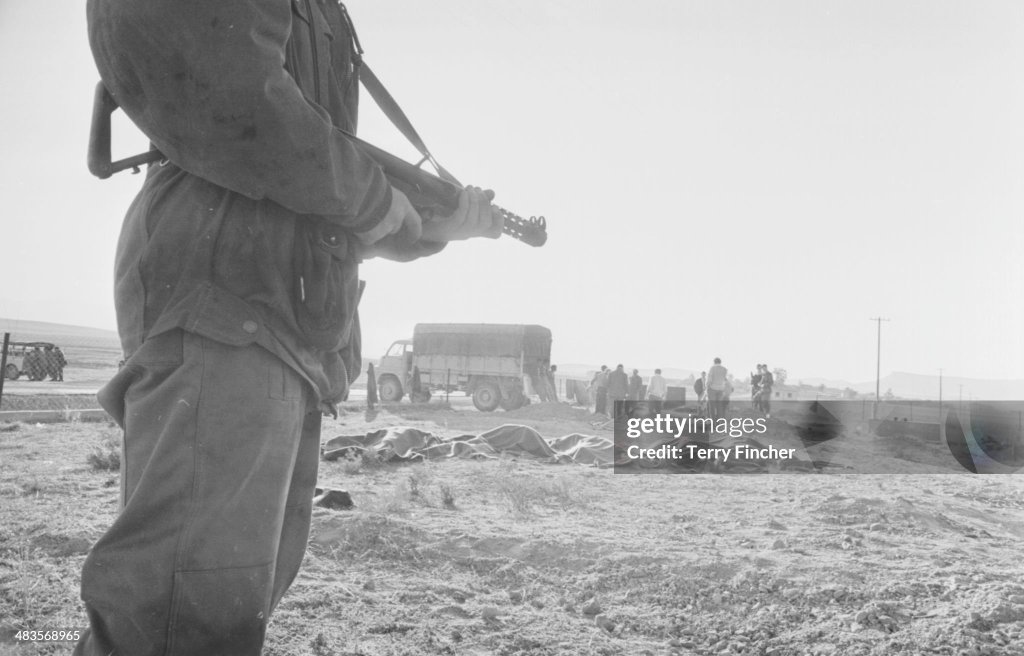
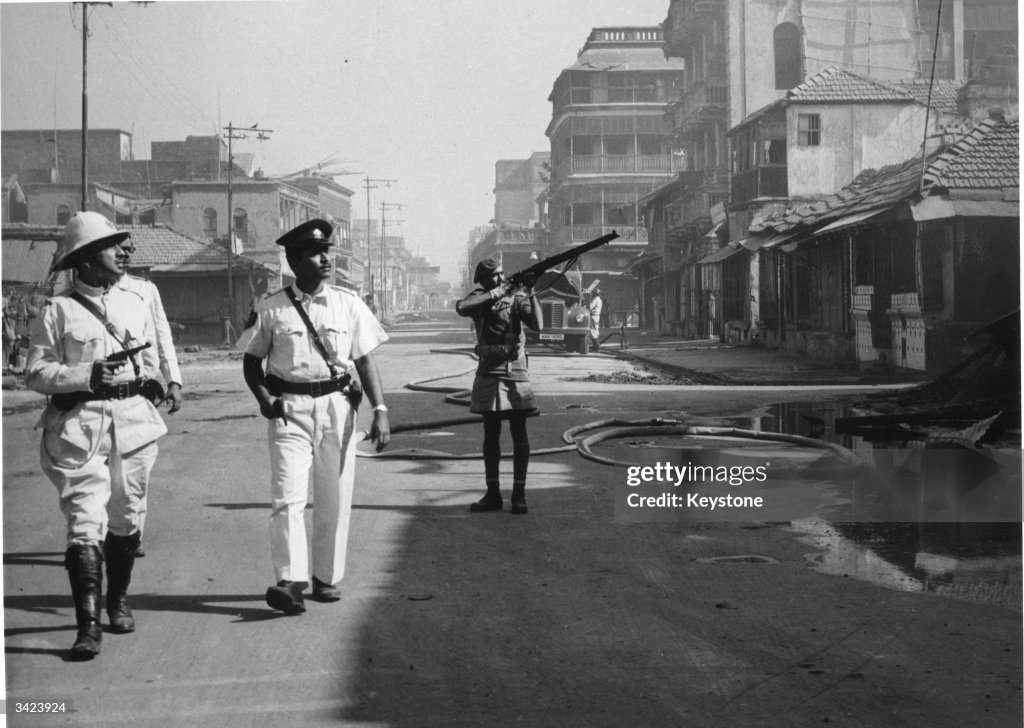
The Indian Army moved into three more Calcutta police districts today after fresh violence broke out. It was the fifth day of disorders. Troops are already in control of five of the city’s 33 police districts. Anti‐Muslim violence has erupted among the Hindu majority here. The incidents today occurred mainly in the Watgunge, Ekbalpore and Garden Reach districts, where the Muslim populace is greatest. Several persons were said to have been stabbed and there were attempts at arson. A curfew was imposed in the Dum Dum area where Muslim houses had been burned. It was also applied to the entire industrial belt around the city.
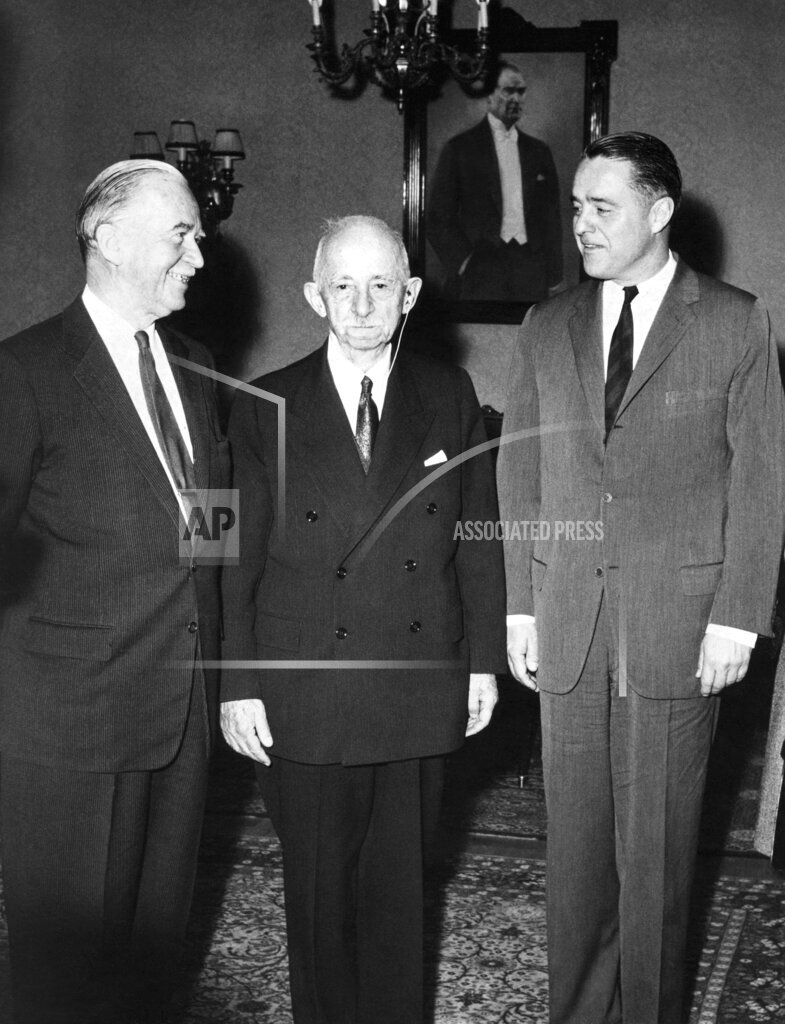
Frosty weather and warm greetings marked the arrival of President Antonio Segni of Italy today. He and Mrs. Segni began a two-day state visit. President Johnson and Secretary of State Dean Rusk went to Union Station to greet the visitors as they arrived by train from Baltimore. It was 18 degrees outside and considerably colder in the unheated concourse of the station. A traditional red carpet was laid down along a station platform, in the open air. As Mr. and Mrs. Rusk, other dignitaries and a number of foreign diplomats lined up beside it, fine, powdery snow was driven by the wind from the platform roof. It drifted steadily over those in the receiving line.
Fidel Castro takes a break from political talks to frolic with children in a snowy Kremlin playground. Wearing his favored beret and a black overcoat with a fur collar, Castro holds the reins of a pony-drawn sleigh, joins in a round dance, and skids down an ice run. No word is released regarding Castro’s talks with Nikita Khrushchev, which began Monday.
The People’s Republic of China made a step forward in its nuclear weapons program as its processing facility at Lanzhou made its first delivery of enriched uranium, of which 90% was the uranium-235 necessary for a fission bomb; China would explode its first atomic bomb, a 22-kiloton weapon, on October 16.
Consideration of the civil rights bill by the House Rules Committee came to a virtual halt today as Southern and Northern Democrats scored debating points against each other. In the witness chair for the second day was Representative Emanuel Celler of Brooklyn who, as chairman of the Judiciary Committee, will be the floor manager of the bill. Mr. Celler’s principal interrogator was Representative William M. Colmer of Pascagoula, Mississippi, second‐ranking majority member of the committee. Mr. Colmer said that he did not approach the bill from “the standpoint of race” and that he would oppose it “if there were not a single Negro in my state” because of the centralization of power that it involved.”
“I wonder sometimes,” Mr. Colmer said to Mr. Celler, “when I see people of your intelligence and accomplishments, who style yourselves as liberals, how you could continue this attrition, this erosion of the rights of individual citizens and the state governments.” Speaking of the ban on discrimination in public accommodations — which he characterized as “the worst, most vicious, most objectionable feature of this monstrous proposal“ — Mr. Colmer said that “you can’t legislate in this field any more than you could with prohibition.”
“We don’t have any hatred down in Mississippi for Negroes,” he went on. “You’re breaking down the good relations between the white man and his colored brother.” To these sentiments Mr. Celler replied that the nation could not remain complacent when it would take until 2063 to abolish segregation at the present snail’s pace, and that it was time for Mississippians to cleanse what he called “their Aegean stables.” Finally, Mr. Celler said, “We have the votes” to pass the bill.
Jacqueline Kennedy makes her first public appearance on television since her husband’s assassination. Mrs. Kennedy thanked the 800,000 persons from all over the world who have sent her and her two children messages of sympathy and grief. It was her first public statement in the 53 days since the assassination of her husband. She spoke before television cameras in the vaulted office of Attorney General Robert F. Kennedy, who has been a constant comfort to her from the day of his older brother’s death. The Attorney General’s younger brother, Senator Edward M. Kennedy, sat with him on a bright red sofa facing the former First Lady. She perched on the edge of a deep leather chair. Several times in her talk Mrs. Kennedy faltered slightly and held back tears. Her voice was barely audible to those standing a dozen feet away. She was dressed in a collarless black wool suit. The sole piece of jewelry she wore was her gold wedding band.
An assertion that Robert G. Baker, former secretary to the Senate’s Democratic majority, was linked to Las Vegas gambling interests was put into the public record today. A staff member of the Senate Rules Committee said that Mr. Baker was a co‐signer on a $175,000 bank loan in March, 1962, with Edward Levinson, Benny Sigelbaum and Fred A. Black. The four men used the money in a financial venture, it was stated. Mr. Levinson and Mr. Sigelbaum are operators of gambling casinos in Las Vegas, Nev. Mr. Black is a Washington consultant for the North American Aviation Company and is a co‐defendant with Mr. Baker in a $300,000 damage suit filed here last September. Information on the bank loan was made available during the course of a public hearing by the Rules Committee today on Mr. Baker’s outside business interests while he was an employe of the Senate.
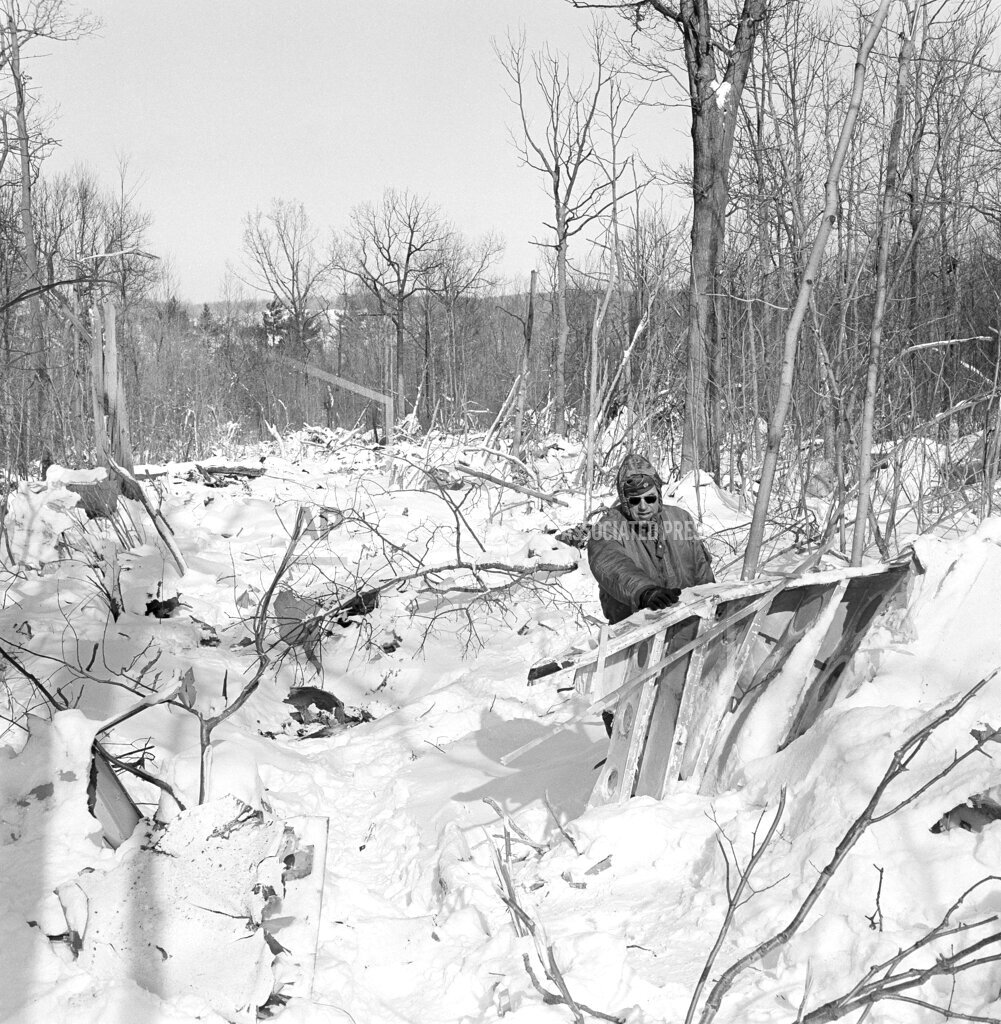
Three hundred students narrowly escape injury when a pilot crashes a rented plane into a building on the campus of Oklahoma Baptist university at Shawnee. The former mental patient and alumnus of the school buzzes the campus, radios the Shawnee airport to warn school officials to evacuate the building, then spurns the plea of his former teacher at the school and rams his plane into the three-story building. The building is set afire and the pilot dies in the wreckage.
The Senate Finance Committee agreed today to curtail tax benefits available to corporation executives through stock options. By a voice vote, it accepted without substantial change stock-option provisions of the Administration’s tax bill, as approved by the House of Representatives. It refused, however, to eliminate such benefits completely, as originally proposed by the Kennedy Administration. The provisions are aimed at plans under which executives are given options to buy a certain amount of stock in their companies at a specified price.
A New York House member asked today why President Johnson had held no televised news conferences. In a House speech, Representative Frank Horton, an upstate Republican, said he was concerned by what he called a “news lockout at the White House.” This cannot be corrected. he said, by an occasional kaffeeklatsch, barbecue or guided tour. Mr. Horton said the American’ public was eager to assess its new leader under the stress of televised news conferences like those held by President Kennedy.
Joseph D. Tydings Jr., adopted son of the late Senator Millard E. Tydings, Democrat of Maryland, announced his candidacy tonight for the United States Senate seat held by his father for 24 years.
President Johnson nominated Joseph W. Barr, now an Assistant Secretary of the Treasury, to be a member of the board of directors of the Federal Deposit Insurance Corporation. Mr. Barr, a former Democratic Representative from Indiana, was named for a six‐year term. He will replace Erle Cocke Sr., who resigned to become an official of the Southern Railway. Mr. Barr is expected to become chairman, the post held by Mr. Cocke.
Elizabeth Taylor, star of “Cleopatra” and a number of real-life romances, files suit in Mexico to divorce Eddie Fisher, singer and entertainer. She charges abandonment of more than a year, and asserts there are “no common interests” to be liquidated. Lawyers say deadlocked negotiations over division of her “Cleopatra” earnings may delay the divorce decree as long as six months.
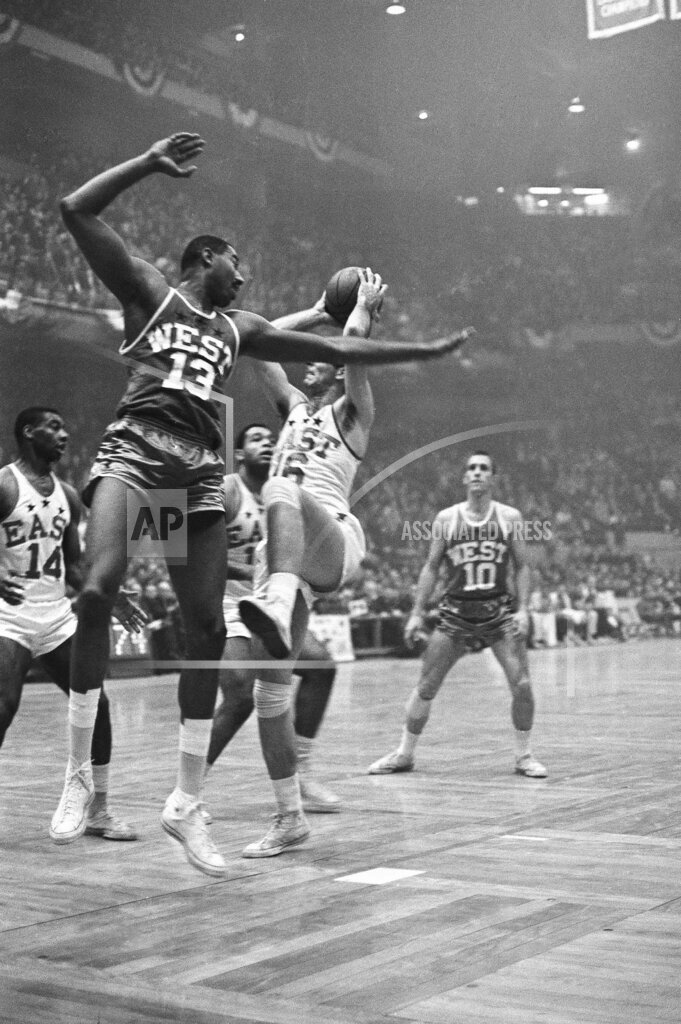
In the 14th National Basketball Association All-Star Game at the Boston Garden, the Eastern Conference defeated the Western Conference 111-107. After arriving in Boston, the 20 players had threatened to stage a walkout if their demands for a player pension plan were not met. It was not until 8:55, five minutes before the nationally televised event was set to begin, that the players emerged from their locker rooms. The Boston Celtics’ Tom Heinsohn, one of the East all-star players and president of the NBA players union, conferred with NBA Commissioner J. Walter Kennedy, who pledged that the pension issue would be addressed at the February 18 owners’ meeting. The game started only 10 minutes late. MVP: Oscar Robertson, Cincinnati Royals, point guard.
A partial solar eclipse took place, but was seen only by people who were above the Arctic Circle.
Dow Jones Industrial Average: 774.49 (+1.37).
Born:
Shepard Smith, American news anchor, born in Holly Springs, Mississippi.
Mark Addy, British actor (“The Full Monty”, “Game of Thrones”), in York, England, United Kingdom.
Sergei Nemchinov, Russian National Team and NHL center (Olympic silver, 1998; NHL Champions, Stanley Cup, Rangers-1994, Devils, 2000; New York Rangers, Vancouver Canucks, New York Islanders, New Jersey Devils), in Moscow, Russian SFSR, Soviet Union.
Tommy Kane, Canadian NFL wide receiver (Seattle Seahawks), in Montreal, Quebec, Canada.
Sidney Coleman, NFL linebacker (Tampa Bay Buccaneers, Phoenix Cardinals), in Gulfport, Mississippi.
 History Diaries