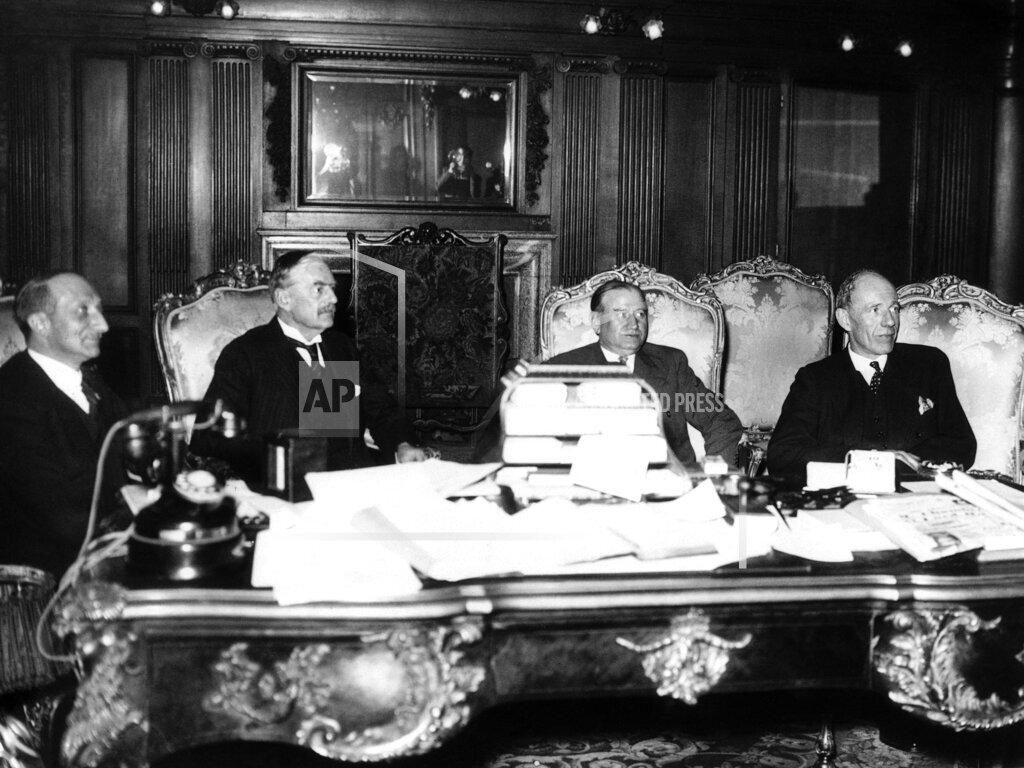
Neville Chamberlain and Lord Halifax arrive in Paris on the way to Rome to meet with Mussolini. Prime Minister Neville Chamberlain today pledged Great Britain to support France in her firm refusal to surrender to Italian clamor for part of France’s Mediterranean empire. The two democracies strengthened their cooperation to offset the Italian-German menace to their common lifeline — the ship route through the Mediterranean and the Suez Canal. British and French statesmen were understood to have left a way open to prevent tension in the Mediterranean between France and Italy from reaching a deadlock — unless Italy is determined to force the issue.
The French government, it was said, would be willing to meet Italy at a Mediterranean conference table with all other countries bordering on the great inland sea for settlement of all Mediterranean problems. Chamberlain and Viscount Halifax, British foreign secretary, conferred with Premier Édouard Daladier and Foreign Minister Georges Bonnet. Then they left Paris for formal appeasement conversations with Mussolini in Rome.
After the brief conference-sandwiched between the arrival of the British statesmen’s train and their departure for Rome, the situation appeared to be: France will not give an inch to Fascist agitation, which Daladier has described as “blackmail.” She will refuse to let her personal quarrel with Italy be brought before a conference where Germany or Britain would act as mediators. In this she has Britain’s absolute support and Chamberlain will tell Mussolini so.
However, if Italy is willing to thresh out the entire Mediterranean situation, France will consent to join a conference of nations which would include Spain, Yugoslavia, Greece, Turkey, and Egypt. The Paris conference, in effect, served notice on Mussolini that the two democracies stood firmly together. Britain’s position was announced earlier by Bonnet. The meeting between the premiers and their foreign ministers merely confirmed it. The outcome of the talks was so certain that the statement telling of the closeness of British and French viewpoints was inadvertently marked: “To be issued after tea.” It had been written by the British on the train before they reached Paris.
France is buying more from the United States, especially fruits and petroleum.
Spanish rebel forces today were driving a wedge which threatened to slice a sizable piece of territory from Catalonia and isolate thousands of loyalist troops from the main army. General Francisco Franco’s spearhead, rebel reports said, was encircling Falset. Falset is situated 12 miles northwest of the Mediterranean coast and 20 miles west of Tarragona, chief port of southern Catalonia. A drive to the sea from Falset would trap the loyalists defending all the territory east of the Ebro river and south from Falset to the river mouth. The principal town in that area is Tortosa. The rebels took the territory west and south of the Ebro in their drive to the sea last spring.
The rebel action in the Falset sector overshadowed that on all other fronts. The upper Catalonian front was reported relatively quiet and the rebels declared they had halted the loyalists’ drive toward Portugal in Estremadura (southwestern Spain). Rebels reported that two of their columns were converging on Falset. They had already taken Bellmunt and Pradell. Government troops threatened with being trapped were reported falling back northeastward up the coastal road toward Tarragona. A short range of mountains lies between Falset and the coastal road. Northeast of Falset another rebel column occupied Espluga de Francoii and was within three miles of Montblanch. Montblanch stood as a barrier on a main highway southward through Valls to Tarragona, about 20 miles away.
In the central Lérida sector the rebels had pushed a spearhead as far east as Anglesola, about twenty miles east of Lérida and about ten miles west of Cervera. The position is about seventy miles west of Barcelona. In southwestern Spain the loyalist drive was halted by rebel reinforcements rushed in by General Gonzalo Queipo de Llano from Seville, the rebels reported.
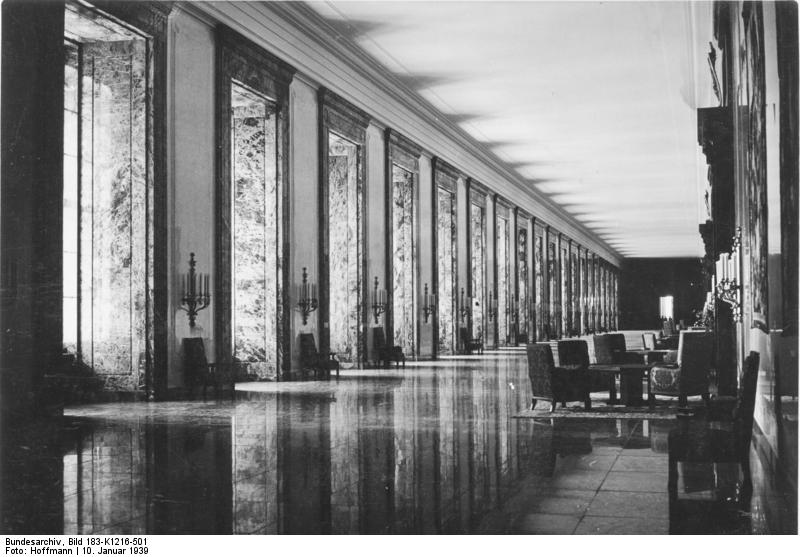
Adolf Hitler dedicates the new chancellery of the Reich, which took 8,000 men nine months to complete.
The independent Hungarian news service, Informacio, today reported that Hungary had warned Czecho-Slovakia another violation of Hungarian frontiers by the Czechs would be answered by a prompt invasion of Czecho-Slovakia. Thousands of Hungarian troops have been assembled on the frontier and made ready for action. The news service said Hungary had served notice she refused to resume negotiations as to the precise location of the border fixed in a general way by the Vienna award November2.
Hungary was reported to have said negotiations would not be continued until she had received “material and moral satisfaction” for the forty-seven lives lost and property damaged by the Czecho-Slovak bombardment of Munkacs last Friday. Such “material and moral satisfaction” was declared to include payment of damages by Czecho-Slovakia, acknowledgment of responsibility for the attack, and punishment of the individuals responsible. These Hungarian conditions for normalizing relations along the border were presented by a foreign office official to the Czecho-Slovak legation in Budapest, the news service said.
Czecho-Slovakia today rejected a Hungarian demand for compensation for the shelling of Munkacs and protested border clashes for which each nation holds the other responsible. Prague authorities said the incident at Munkacs started with firing from the Hungarian side. They added that in shelling the area last Friday Czecho-Slovaks fired back to prevent an invasion of Czecho-Slovak territory. The protest to Budapest was over a border incident at Dovhe, near Ungvar, on January 8. Two Czech officers who wore white armbands of truce negotiators were said to have been fired upon. The Czecho-Slovak note suggested that all armed civil formations and persons with military training be forbidden to approach nearer than 1,500 meters (nearly a mile) to the demarcation line along the entire Carpatho-Ukraine (Ruthenian) border.
A plot to assassinate King Carol of Rumania is foiled.
Britain publishes proposed evacuation areas for children if war strikes.
Six Arabs captured in a fight with British armed forces near Hebron on December 18 were sentenced to death today by a British military court for possession of arms. This was the largest number of persons sentenced at one sitting of the court since its establishment. The Arabs had engaged British forces near the scene of a pro-British demonstration in which other Arabs opposed to the exiled Grand Mufti of Jerusalem participated.
House Republicans attack New Deal spending. An appropriation of 725 million dollars — a slash of 150 million dollars from the amount requested by President Roosevelt — was recommended today by a house appropriation subcommittee to finance the WPA from February 1 to June 30. The President in a special message last week had estimated WPA needs for the five-month period at 875 million dollars. Although the subcommittee lopped 17 percent from Mr. Roosevelt’s estimate, Republicans and a large group of economy-minded Democrats were by no means satisfied. A fight on the house floor to reduce further the appropriation appeared certain. House leaders exerted heavy pressure to keep the subcommittee, composed of eight Democrats and four Republicans, from cutting the appropriation to an even lower figure. A suggestion that only 600 million dollars be appropriated was defeated by a narrow margin.
The task of bringing peace, if possible, to the two warring factions of the labor movement and of obtaining from business men suggestions for amendment of the National Labor Relations Act to the end that that controversial statute may be made more satisfactory to employers has been entrusted by President Roosevelt to Harry L. Hopkins, Secretary of Commerce.
On the eve of the appearance of Mr. Hopkins before the Senate Commerce Committee, which will pass upon his qualifications to hold his Cabinet post, the assignment to the former head of the Works Progress Administration of such important and difficult negotiations was interpreted in some circles as a move on the part of the President to further bulwark the Secretary’s position so that any vestige of doubt as to his eventual confirmation by the Senate would be dissipated. Little doubt remains that Mr. Hopkins will be accepted by the Senate, but this fresh demonstration of the confidence Mr. Roosevelt has in him was regarded as another obstacle in the pathway of those who may seek to block his confirmation.
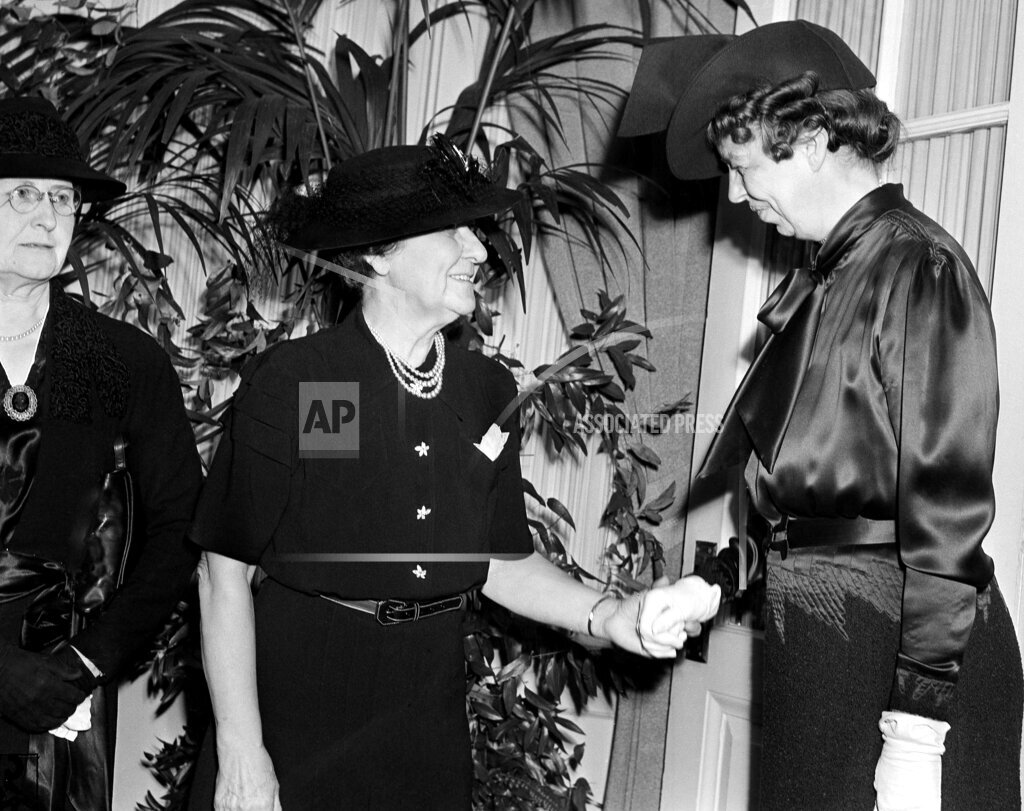
In placing in Mr. Hopkins’s hands, the adjustment of the long-standing dispute between the American Federation of Labor and the Congress of Industrial Organizations, Mr. Roosevelt is understood to have been motivated by the feeling that efforts of Frances Perkins, Secretary of Labor, to settle this knotty problem had failed. Her proposal to appoint a committee to draft a plan of settlement, which was her latest effort toward labor peace, was unfruitful. Heads of the warring labor bodies likewise are understood to have made known a lack of confidence in the ability of Secretary Perkins to cope with the situation, and this is believed to have influenced the President to place the problem in the hands of the newly appointed Secretary of Commerce.
William R. Castle, Undersecretary of State in the Hoover Administration, warned tonight that the Roosevelt Administration is risking war by setting itself up “as prosecuting attorney and judge of the rest of the world.”
Religious leaders urge President Franklin Roosevelt to aid refugee German children.
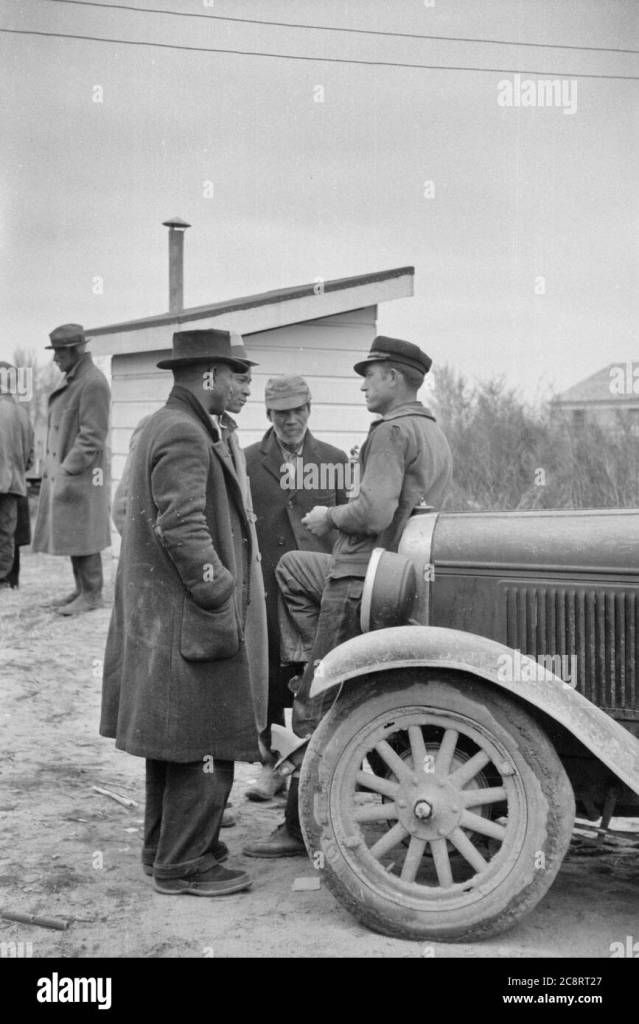
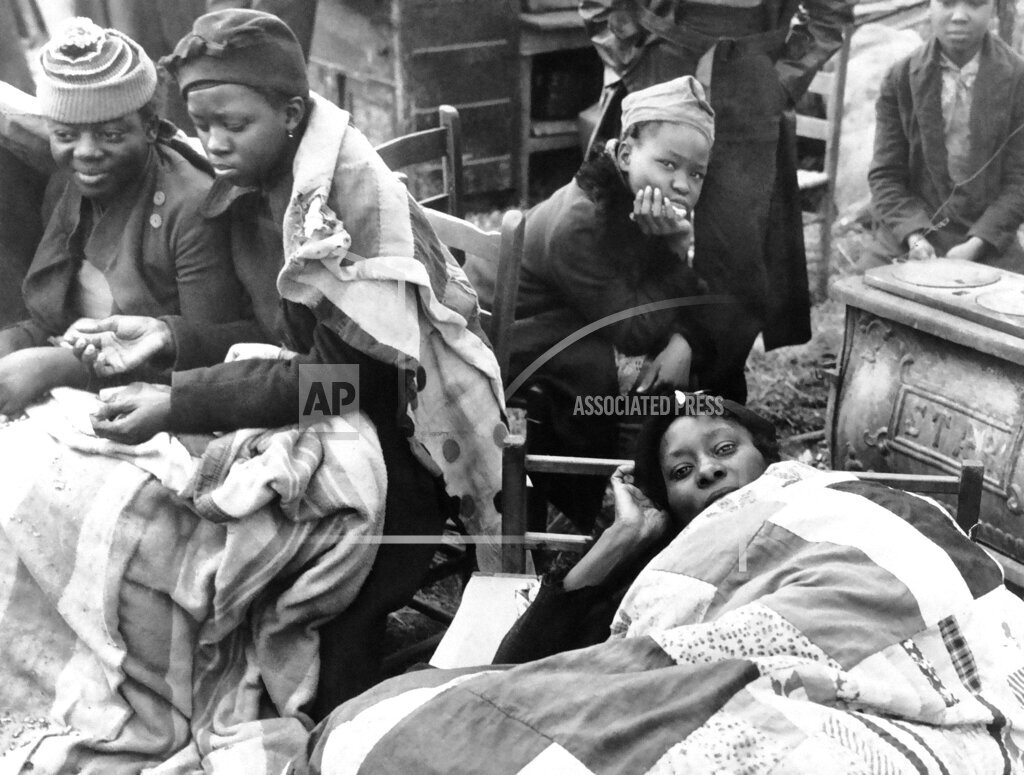
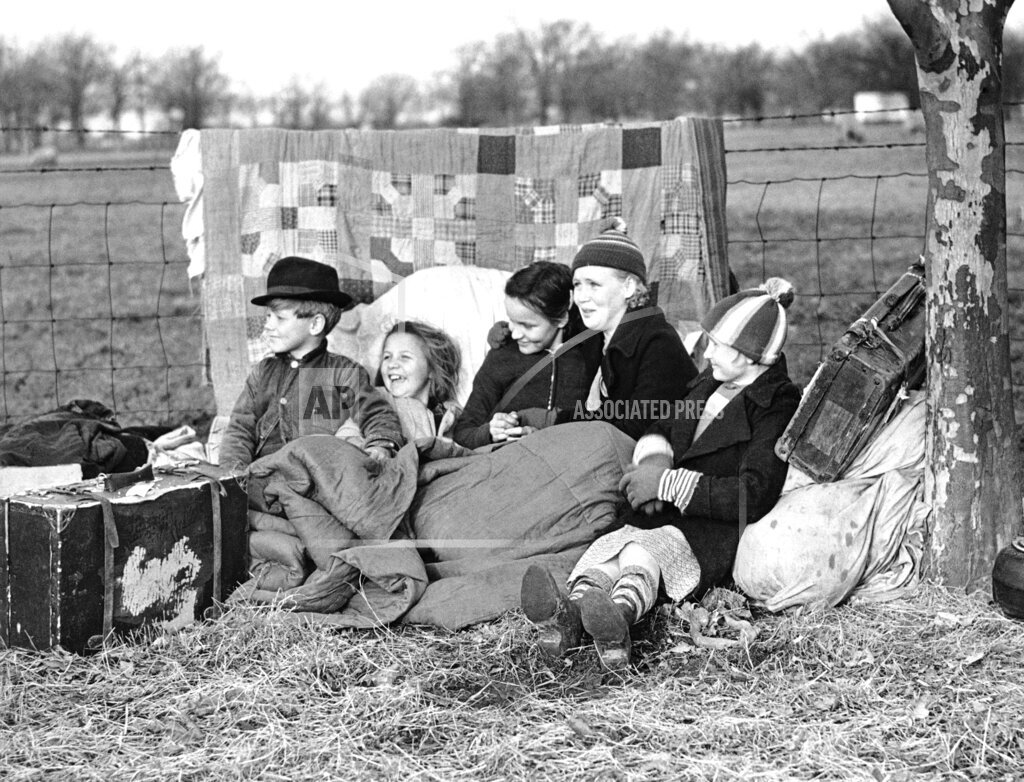
Hundreds of sharecroppers, Black and White alike, protest in the New Madrid area of Missouri against mass evictions and wretched conditions.
The American Bar Association approves a ban on sit-down strikes.
Buggsy Goldstein and bodyguard Seymour Magoon, notorious Brooklyn gangsters, are exonerated on conspiracy charges.
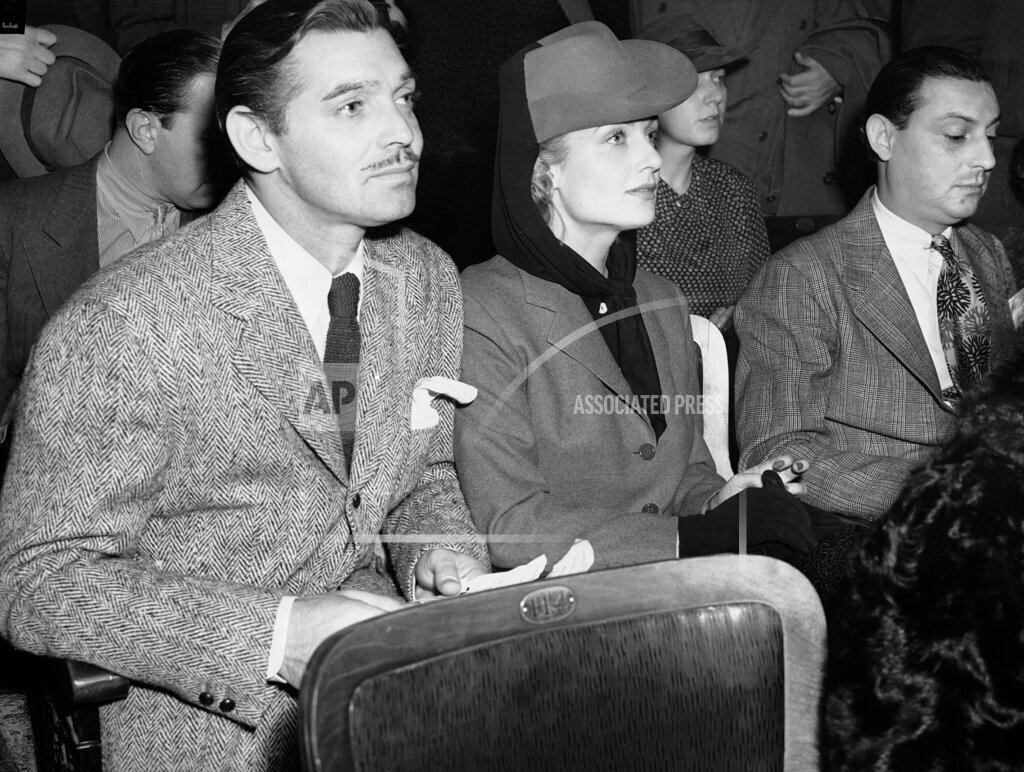
Comedian Jack Benny is indicted on a jewelry smuggling count; comedian George Burns pleads guilty.
For the first time in U.S. Congressional history, a woman is given chairmanship of a committee: Rhoda Fox Graves assumes leadership of the Agricultural Committee.
Striking truckers agree to move perishable foods to a Boston market.
Japanese forces were reported today to have pushed into Lolotien, 135 miles north of Hankow, linking Japanese lines beyond the fallen provisional capital into a single extensive front. Chinese stragglers fled from Lolotien, Japanese dispatches said, leaving 700 dead after two days of heavy fighting. The Japanese asserted the success of the Lolotien operation enabled forces operating north and northwest of Hankow, which fell on October 26, to bridge the gap that had separated them. The boundary of the buffer zone the Japanese are establishing to protect their major Yangize base at Hankow now runs from Sinyang, 20 miles east of Lolotien, through Lolotien, thence southwest through Tsaoshih, crossing the Yangtze at Yochow, 135 miles south of Hankow. From Yochow, Japanese forces are strung southeast along a sprawling line some 200 miles long which cuts the Nanchang Railway and ends at Wucheng, on the northwest shore of Lake Poyang.
Kuomin, Chinese news agency, reported from Chunking the establishment of a central guerrilla bureau, under General Li Chi-shen, designed to coordinate the activities of Chinese guerrillas in all war zones.
The Japanese announced their troops based at Soochow, north of Shanghai, had engaged in 309 skirmishes with guerrillas in four months of mopping up activities and had killed 4,550 of them.
In the Hangchow Bay area, 100 miles southwest of Shanghai, sporadic fighting was reported continuing. The Chinese started an offensive against Hangchow on Saturday.
Japan eases its hold on Shanghai to appease critics.
Japan’s air force today subjected Chungking, China’s provisional capital which is 1,400 miles up the Yangtze River, to bombardment by nearly 100 war planes. A Japanese communique said Chinese military establishments were heavily damaged as the planes attacked in relays after routing Chinese planes. It was Chungking’s fifth air attack.
At the same time the Japanese-dominated Nanking Chinese regime called on the Chinese people to yield to Japan. Wen Tsung-yao, president of the legislative council of the Japanese-collaborationist “reformed government of China,” asked the nine unconquered provinces to agree to peace terms laid down on December 22 by Prince Fumimaro Konoe, then the Japanese premier.
The Chinese military builds a 1,400-mile road for munitions and supplies.
Japanese bombers attacked Chungking (today Chongqing), China during the day.
Dow Jones Industrial Average: 150.48 (+0.29).
Born:
David Horowitz, American author & political commentator, in New York, New York.
Sal Mineo, American actor (“Exodus”, “Rebel Without a Cause”), in New York, New York (d. 1976).
Scott McKenzie, American singer (“San Francisco [Be Sure to Wear Flowers in Your Hair]”), in Jacksonville Beach, Florida (d. 2012).
Bill Toomey, American decathlete (Olympic gold, 1968), in Philadelphia, Pennsylvania.
Tommy Neck, NFL defensive back (Chicago Bears), in Marksville, Louisiana (d. 2017).
Naval Construction:
The Regia Marina (Royal Italian Navy) Soldati-class (1st series) destroyer Fuciliere is commissioned.
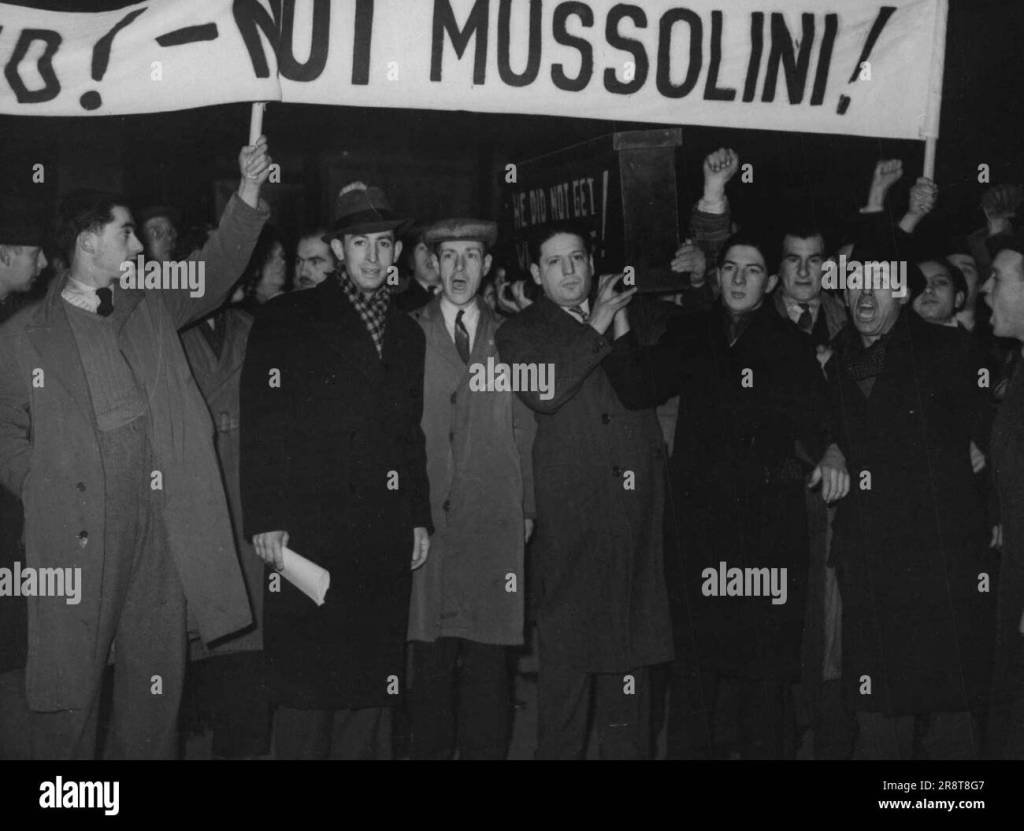
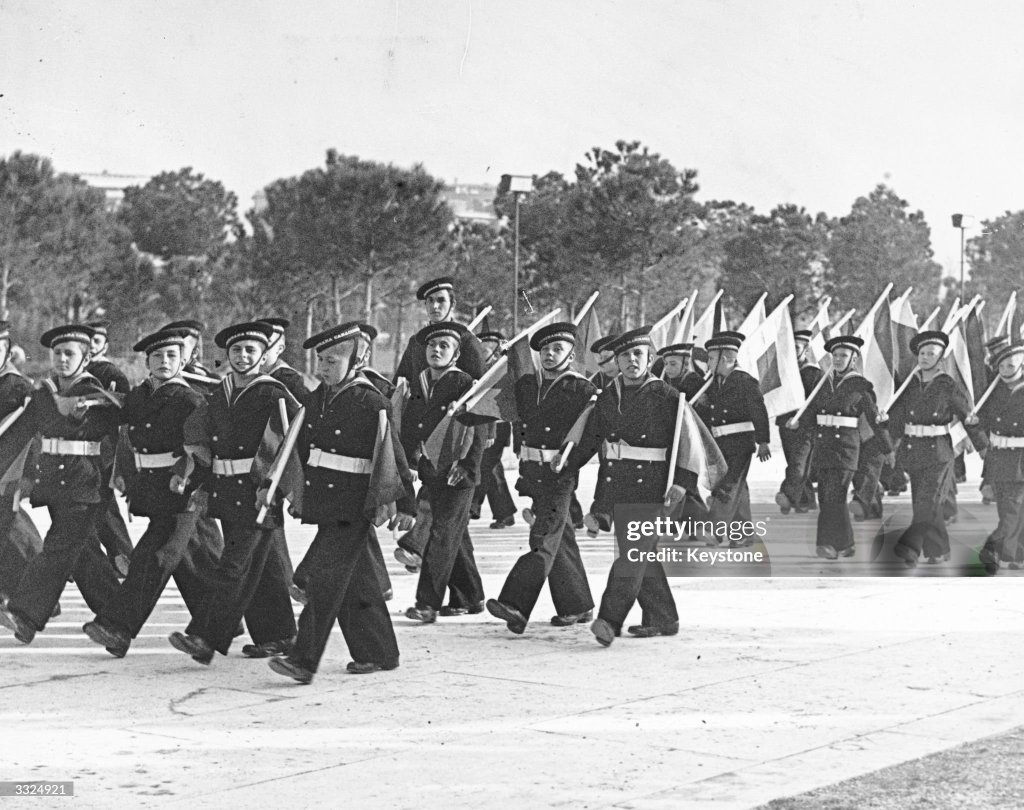
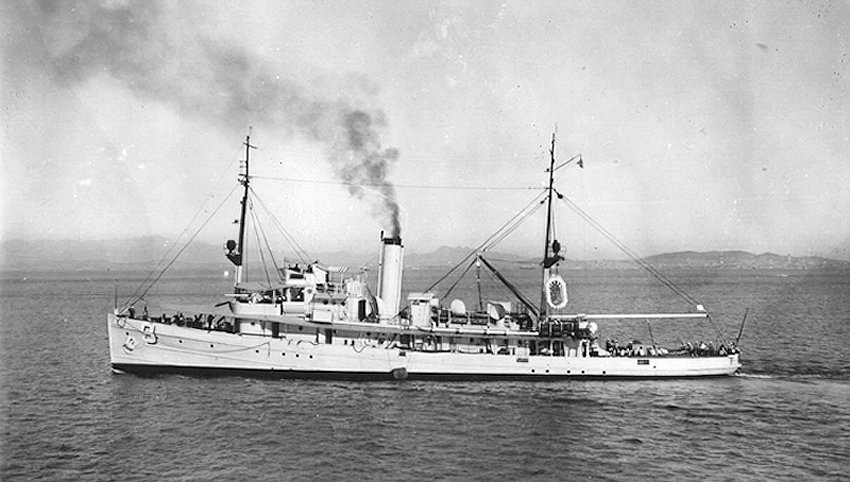
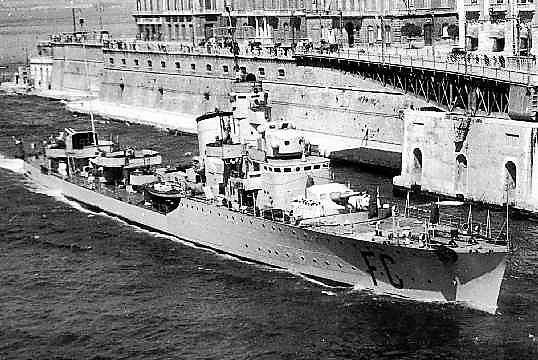
Served with both Axis and Allies (after Italian surrender) in World War II. Transferred to the Soviet Union as a war prize postwar. Scrapped circa 1958.
 History Diaries