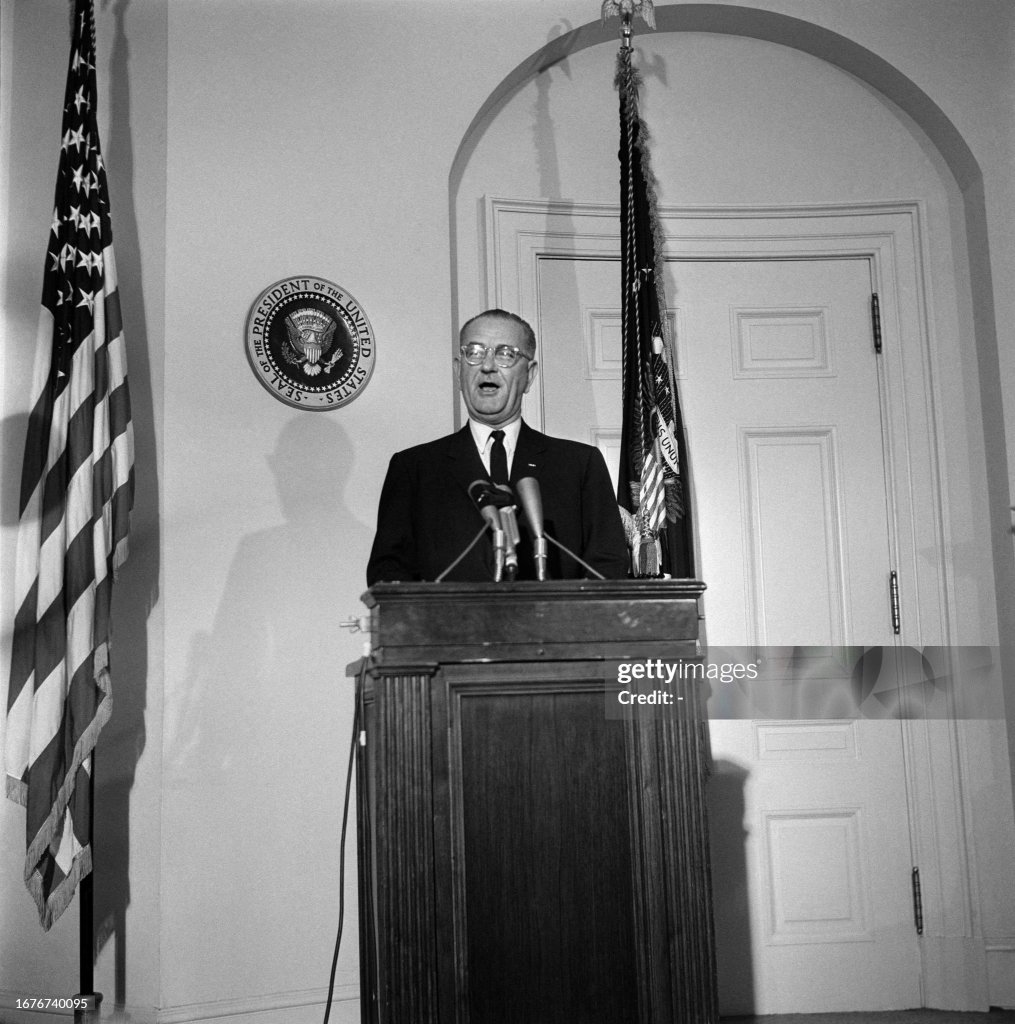
President Johnson issued National Security Action Memorandum 273 (NSAM 273), a modification of American policy in Vietnam. Although the memorandum had already been drafted by adviser McGeorge Bundy at the request of President Kennedy, Johnson added some modifications. Most notably, the memo “for the first time introduced the word ‘win’ into the U.S. objective”. The declaration read that “It remains the central object of the United States in South Vietnam to assist the people and Government of that country to win their contest against the externally directed and supported Communist conspiracy,” which, one historian observes, “unmistakably obliged the United States to deeper responsibilities that would lead to war.”
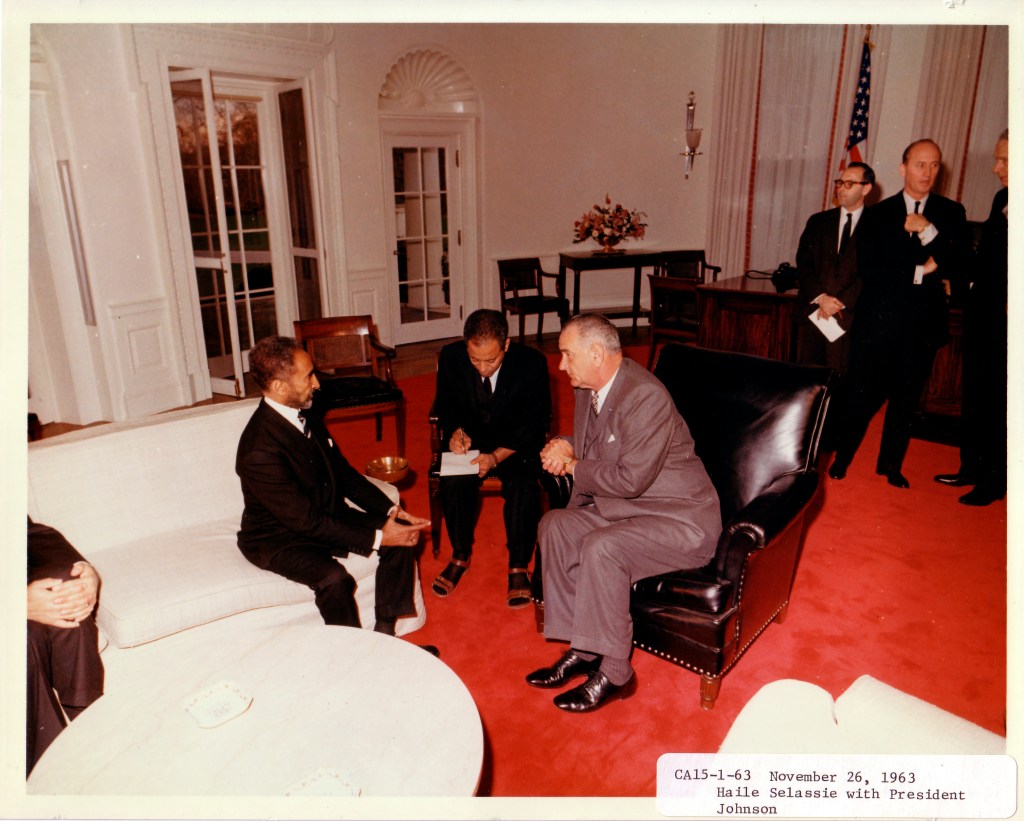
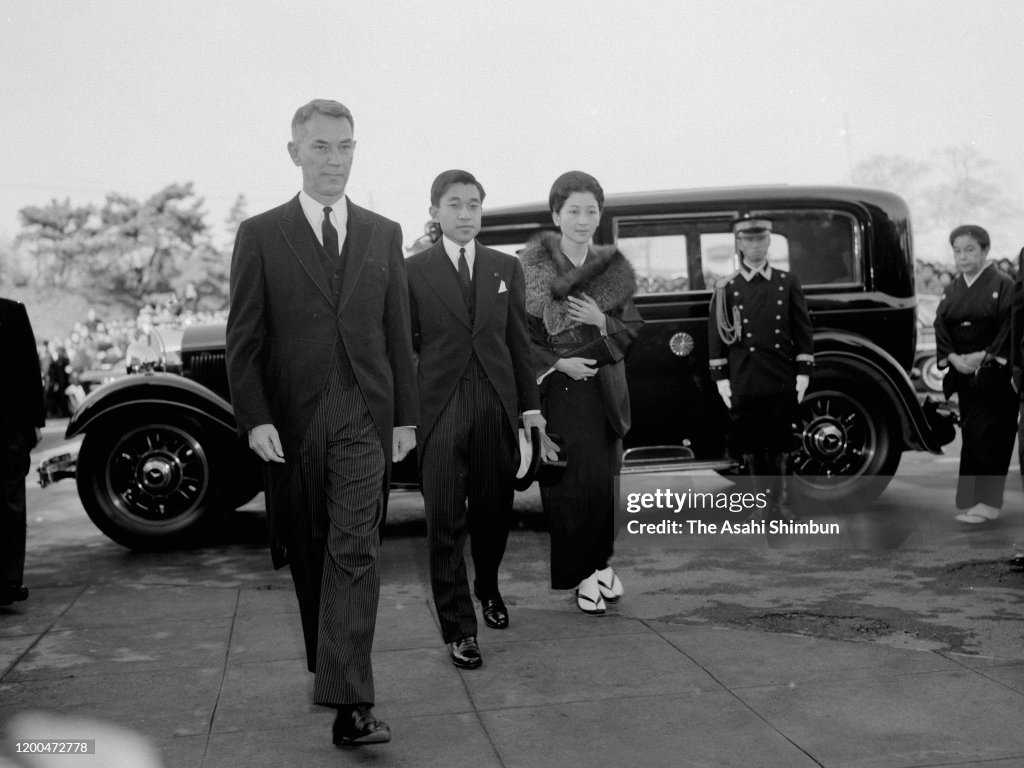
Anastas I. Mikoyan, deputy premier of Russia, confers for an hour and 15 minutes with Secretary of State Dean Rusk on “questions of international affairs” including disarmament. Mikoyan says disarmament talks have been “moving very slowly or not at all” but that he and Rusk had found “some methods of negotiation” on the subject. Other state department visitors, in Washington for the funeral of President Kennedy, include Chancellor Ludwig Erhard of West Germany, Prime Minister Hayato Ikeda of Japan, and Prime Minister Lester Pearson of Canada.
During a meeting between President Johnson and Soviet Vice-Premier Anastas Mikoyan at the White House, made while Mikoyan was in town for John F. Kennedy’s funeral, the President assured the Soviet envoy that the United States would not invade Cuba during his presidency. Two days later, however, Johnson instructed CIA Director John A. McCone to develop policies that were “more aggressive”, including a possible May 30, 1964 invasion.
On the same day, Cuba issued Law 1129, directing all Cuban males between the age of 16 and 44 to register for military service, effective December 1. Teenage boys would enter military schools beginning in April 1964.
At a general assembly session eulogizing the late President Kennedy, Ambassador Adlai Stevenson reassures the United Nations that President Johnson pledges his support of every practical move by the U.N. to keep the peace and aid the new nations. He tells the delegates that there is no Johnson policy, just as there was no Kennedy policy, only the United States policy which outlasts violence and outlives men.
In a move to disrupt next Sunday’s presidential elections in Venezuela, pro-communist terrorists try to kill three of the candidates and four other political figures. They wrap powerful bombs inside seven individual packages and give them to a messenger service for delivery. Chief targets — none of whom was injured — were Raul Leoni, candidate of the Democratic Action party who is favored to replace President Romulo Betancourt; Jovito Villalba, candidate of the Republican and Democratic Union; and Rafael Caldera of the Social Christians.
British Foreign Secretary R. A. Butler, in the first major appraisal of policy since the death of President Kennedy, says, “We must not be stunned by his death” but must carry forward and maintain his ideals. Butler calls for a continued effort on east-west negotiations, but he sets three firm conditions: Nothing must be done to upset the military balance between the power blocs; the western position in Berlin, the right to self-determination of Germany, and the access to Berlin must be respected; and nothing must be allowed to impair the cohesion of the western alliance.
The powerful Socialist Party of West Germany said it approves wholeheartedly of Lyndon B. Johnson as President and likes the resolute manner in which he has assumed his new duties.
Parliamentary elections were held in South Korea. Despite receiving only one-third of the votes overall, the Democratic Republican Party won 110 of the 175 seats in the National Assembly because the opposition for most seats was split among several other political parties.
A Roman Catholic bishop from Texas defended Protestants and other non-Catholics at the Vatican Ecumenical Council.
Italian Socialists agreed to join the Catholic Christian Democrats in a new left-of-center coalition, thus clearing the way to end Italy’s government crisis with its threat of chaos.
Author John Steinbeck, who is touring Eastern Europe, said at Vienna that “no man has been so thoroughly trained” for the Presidency as Lyndon B. Johnson.
Jack Ruby was formally indicted by the grand jury of Dallas County, Texas, for the murder of Lee Harvey Oswald. He would be found guilty of murder on March 14, 1964, and sentenced to be executed in the electric chair, though an appeals court would reverse the conviction in 1966 and remand the case for a second trial. Before he could be retried, Ruby would die from lung cancer on January 3, 1967.
Johnson administration forces won their first congressional victory tonight. The Senate voted 57 to 35 to kill a bill that could have prevented the sale of wheat to Russia, after hearing a letter written by the late President Kennedy. The vote followed eight hours of heated debate in which the Democrats made numerous appeals for support of the wheat sale policy of Mr. Kennedy. The bill, defeated by tabling, would have forbidden the Export-Import bank to guarantee payment for the wheat. Its breadth would have extended this ban to purchases made in this country by all communist countries.
Just before the vote, Senator Mike Mansfield (Montana), Senate Democratic floor leader, read the Kennedy letter, written on November 15. It urged defeat of the proposal, which was written into a bill after the author, Senator Karl Mundt (R-South Dakota), had agreed not to press for the ban’s inclusion in the foreign aid authorization bill. So far as could be learned, President Johnson did not intervene to defeat the ban. But Senator John Sparkman (D-Alabama), leader of the fight against the ban, called for its defeat “to uphold and give encouragement to our new President.” Other Democrats called for the Senate to stand firm against any change in Mr. Kennedy’s policy. Twenty-four Republicans and 11 Democrats voted against tabling the bill. Nine Republicans joined with 48 Democrats in tabling it.
The House opens the door for quick adjournment of Congress until January by passing a resolution providing funds through January 31 for agencies for which appropriations bills have not been passed. Adjournment is sought to permit President Johnson to get his administration rolling and is described by Senator Dirksen (R-Illinois) as “the most compassionate thing to do” for the new President.
A federal arbitration board reporting on the 4-year-old rail union dispute over jobs returns a ruling favoring the railroads on the issue of featherbedding. The board decides that 90 percent of the firemen used on diesel freight and yard engines are unnecessary. There are 40,000 firemen holding 33,000 jobs in this classification.
All regularly-scheduled television programming resumed in the United States, after having been preempted since Friday afternoon for news coverage of, and tributes to, the late President Kennedy. National network broadcasting of entertainment programs began at 8:00 a.m. Eastern time with “Captain Kangaroo” on CBS, local programs on ABC at 10:00, and the game show “Word for Word” on NBC at 10:30.
Mrs. Jacqueline Kennedy, involved with the problems of moving out of the White House, announces through a spokesman that she will interrupt the chores to join the rest of the Kennedy family at Cape Cod for Thanksgiving. For an hour and a half, she talks with Mrs. Johnson about the problems which the new Presidential family is likely to run into in the executive mansion.
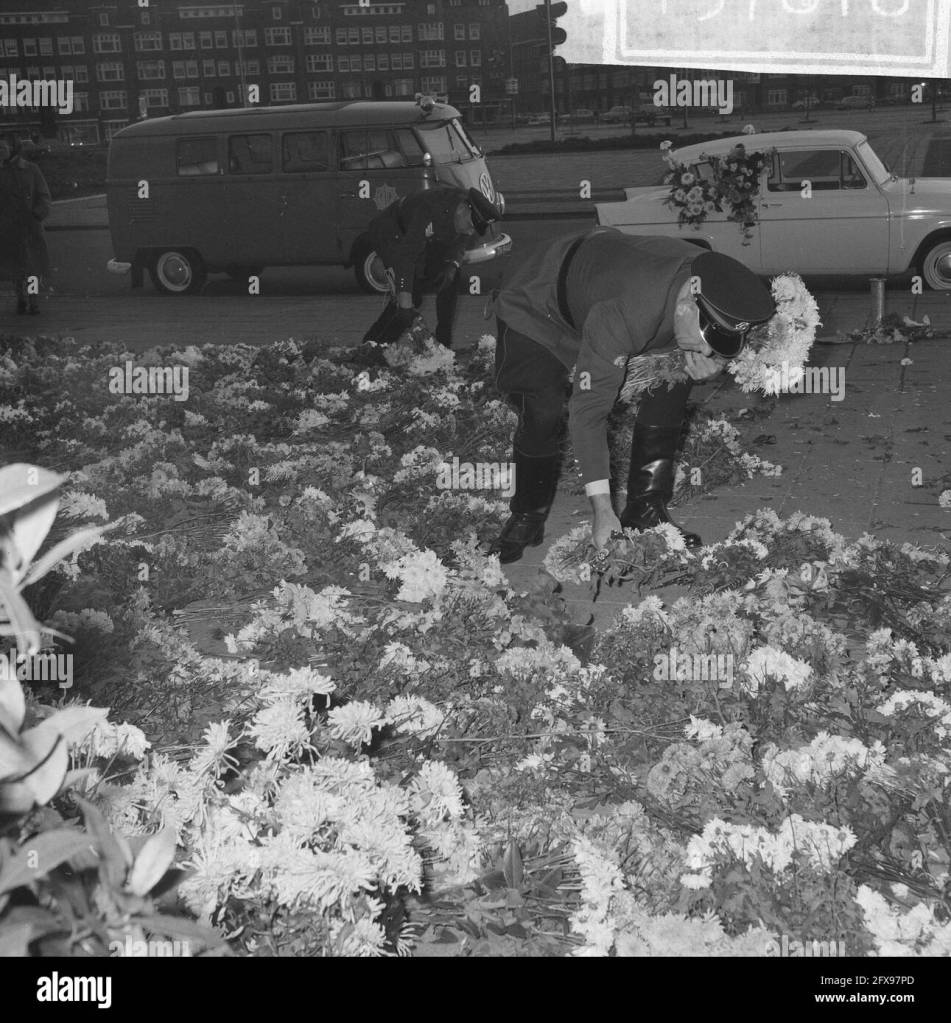
People, unmindful of gray skies and a cold drizzle, steadily streamed to the grave of John Fitzgerald Kennedy and many dropped flowers inside the picket fence until the plot was thickly carpeted with blooms.
Jacqueline Kennedy brought her daughter, Caroline, to the grave of President Kennedy tonight after the last of thousands of persons left Arlington National Cemetery. An informed source said Mrs. Kennedy arrived at the grave about 7 p.m. and stayed 10 minutes. It was the first time that Caroline, who will be 6 years old tomorrow, had seen where her father is buried on a hillside overlooking Washington.
Speculation regarding the political future of Attorney General Robert F. Kennedy was spreading in Washington, with the suggestion that he might be President Johnson’s running mate for the Vice Presidency in 1964.
[LOL. NO. Bobby and Lyndon pretty much despise each other. For that matter, we’ve already heard that JFK wanted Johnson off the ticket in ’64; Kennedy increasingly saw Johnson as a nuisance.]
The U.S. Federal Reserve Bank began the removal of silver certificates from circulation, starting with the discontinuation of the one dollar notes. After a dramatic increase in the U.S. Department of the Treasury’s supply of silver dollars in one month, Secretary Douglas Dillon would announce on March 25, 1964, that the certificates would no longer be exchangeable for anything other than regular bills of the same denomination.
Big Butte School, in Butte, Montana, became the first of almost 1,000 schools to be renamed in honor of the late President. Upon unanimous vote of the board for the school board district at a special meeting, the institution was rechristened as “John F. Kennedy Elementary School”.
The killer of Mrs. Carol Thompson relates in court how he slew her and collected $2,300 of the $3,000 promised him for the job. Dick W. C. Anderson names her husband, Attorney T. Eugene Thompson, as having master-minded the murder. Anderson says he hid in the basement of the Thompson home, attacked his victim with a rubber hose, beat her with a gun, stabbed her three times in the throat, and left her for dead. She revived and staggered to a neighbor’s home but died later.
The American satellite Explorer 18 was launched as a project to study the magnetic field around the Moon, using a package of instruments referred to as the “IMP” (Interplanetary Monitoring Platform).
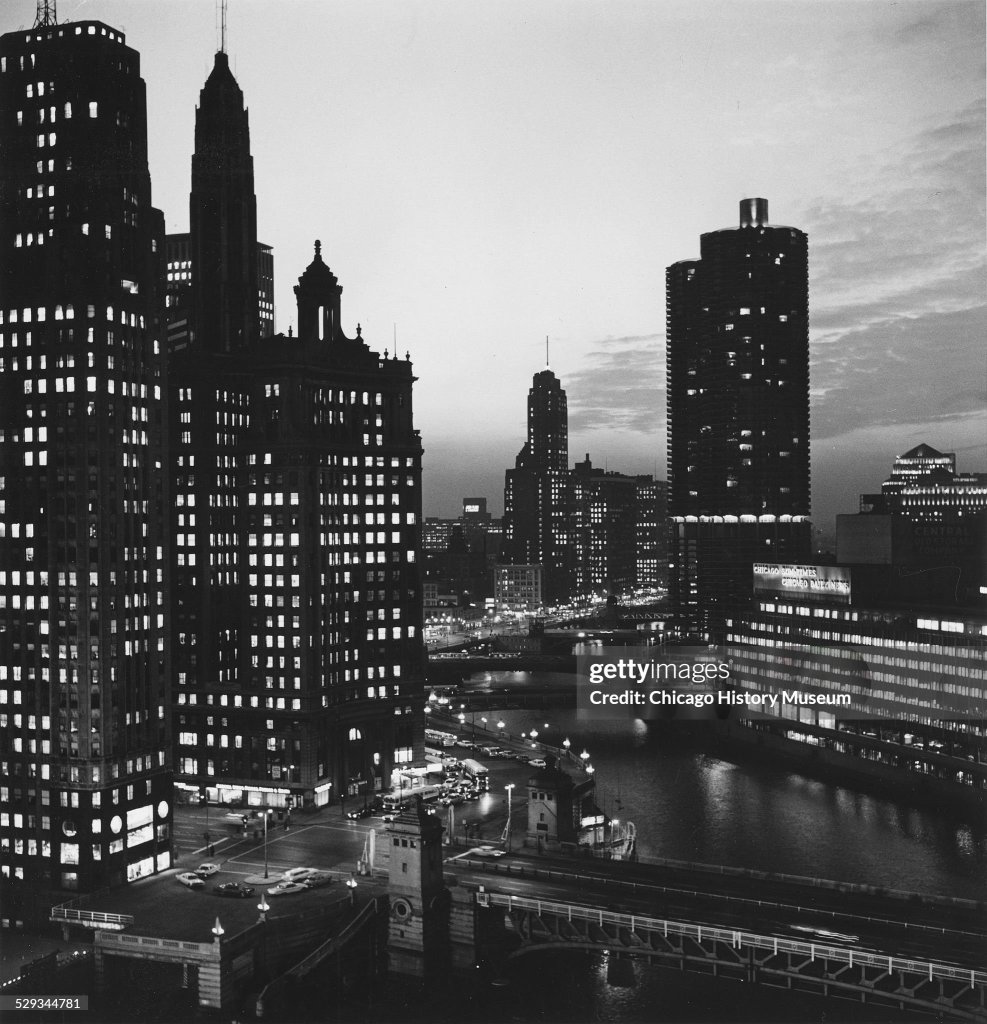
Madame Amelita Galli-Curci, 74, famed operatic coloratura soprano who made her American debut in Chicago in 1916, dies of pulmonary emphysema at her home in La Jolla, Cal. Hailed by Chicago audiences who claimed her for their own, Madame Galli-Curci sang with the Chicago Opera company from 1916 to 1924, and in 1936, after she had been absent from the stage for a time because of a throat operation, she returned as Mimi in Puccini’s “La Boheme” before a capacity house in the Chicago Civic Opera auditorium.
Cincinnati Reds second baseman Pete Rose is a landslide winner of National League Rookie of the Year honors, taking 17 of 20 votes.
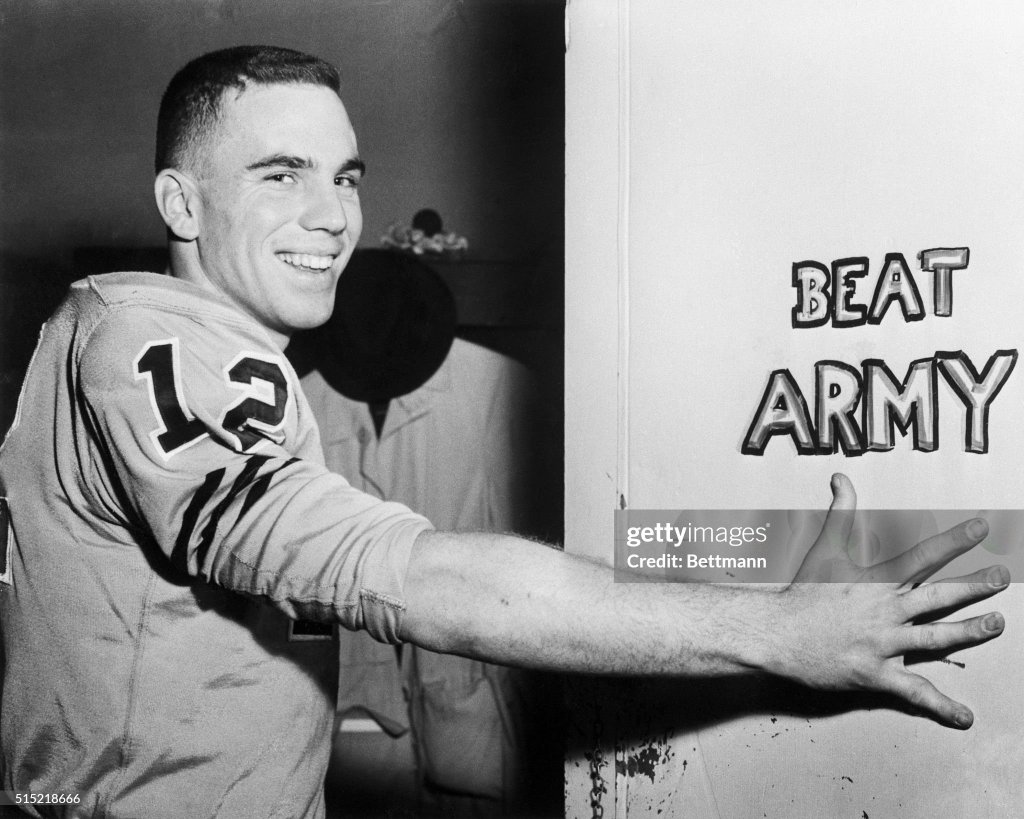
Roger Staubach, Navy quarterback, wins the 29th Heisman Trophy Award.
The New York stock market registered its greatest one-day advance in history as investors evinced confidence in prospects for the future under the new administration.
Dow Jones Industrial Average: 743.52 (+32.03).
Born:
Adam Gaynor, American guitarist (Matchbox Twenty, “If You’re Gone”), in New York, New York.
Allyson Rice-Taylor, American actress (“As the World Turns”), in Huntington, West Virginia.
Mario Elie, NBA small forward and shooting guard (NBA Champions, Houston, 1994, 1995, San Antonio, 1999; Philadelphia 76ers, Golden State Warriors, Portland Trailblazers, Houston Rockets, San Antonio Spurs, Phoenix Suns), in New York, New York.
Garth Thomas, NFL guard (Seattle Seahawks), in Bellevue, Washington.
Died:
Edwin B. Willis, 70, American set designer for MGM Studios, who won eight Academy Awards during his career.
Amelita Galli-Curci, 74, opera soprano.

 History Diaries